Artwork
Boy Chief - Ojibbeway
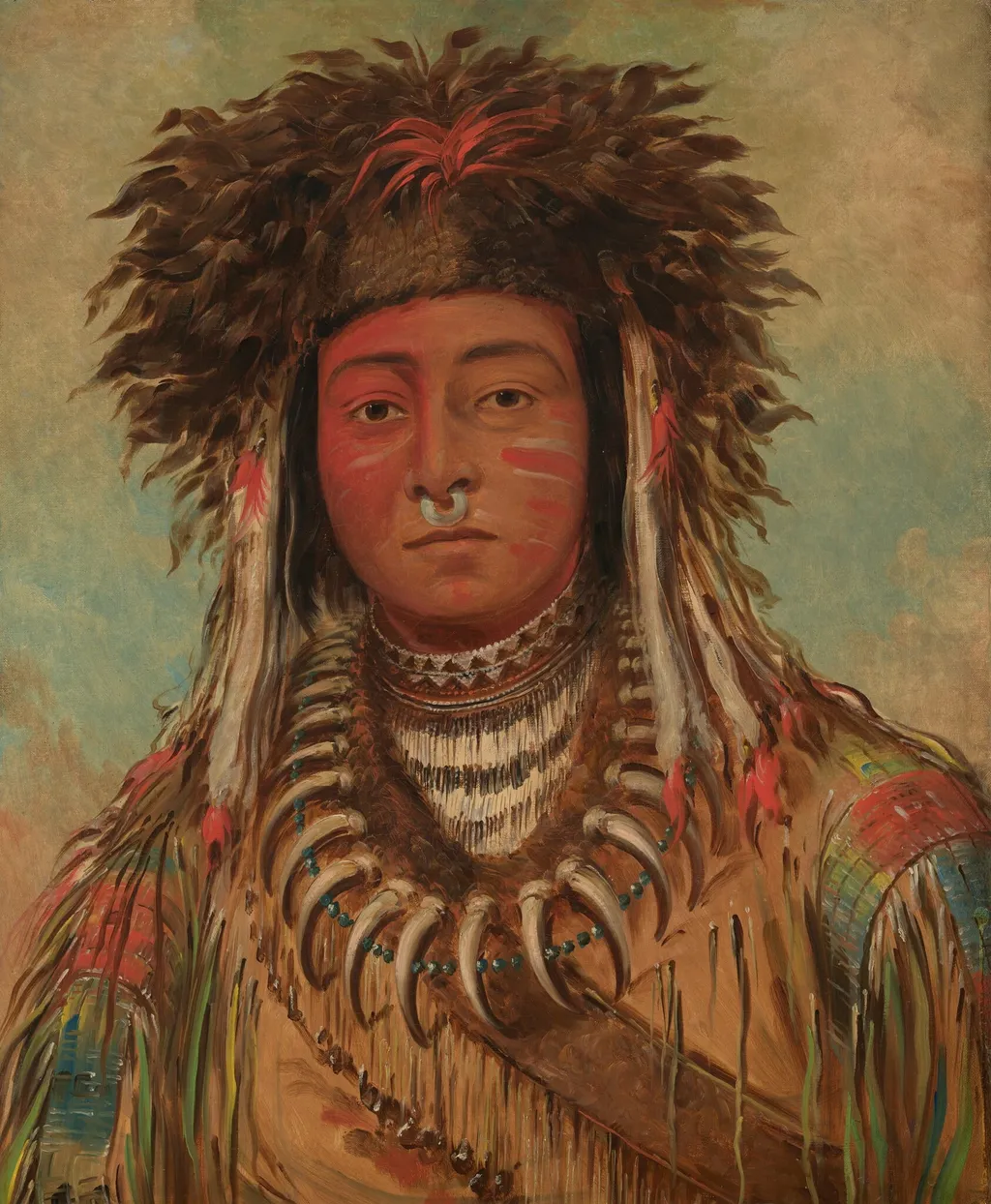
Boy Chief - Ojibbeway is an oil painting by the Romanticist artist George Catlin. It dates from 1843 and is held in the collection of the National Gallery of Art.
About this work
Overview
Boy Chief - Ojibbeway is an 1843 oil-on-canvas painting by George Catlin, part of his artistic and ethnographic project documenting Native American life in the 19th-century American frontier.
Subject & Meaning
The portrait depicts a young Ojibwe individual adorned with a tall, feathered headdress, nose ring, red face paint with white markings, and a beaded necklace with animal claws. These elements reflect Catlin's focus on capturing the customs and appearance of Native American communities.
Technique & Style
Catlin employed thick, textured brushstrokes for the headdress feathers and beads, contrasting with the softer, muted green background. This stylistic choice emphasizes the subject's adornments.
History & Provenance
Created during Catlin's fifth journey to the West, this work is one of many portraits and writings from his travels among Plains Indian communities in the 1830s, later disseminated through early lithography.
Context
Comparative analysis with Catlin's other Indigenous portraits reveals consistent attention to ceremonial attire and facial markings, underscoring his ethnographic approach to art.
Legacy
Boy Chief - Ojibbeway contributes to Catlin's broader legacy as a pivotal, if controversial, figure in the visual and written record of Native American life during a period of significant cultural exchange and change.
Own this work as a print
Artist & collection

Artist
George Catlin ( KAT-lin; July 26, 1796 – December 23, 1872) was an American lawyer, painter, author, and traveler, who specialized in portraits of Native Americans in the American frontier.

 Bulls Fighting
 Expedition Encamped on a Texas Prairie. April 1686
 An Alligator's Nest
 Mrs. George Catlin (Clara Bartlet Gregory)
 Chief of the Taensa Indians Receiving La Salle. March 20, 1682
 A Small Village - Payaguas Indians
 Omaha Chief, His Wife, and a Warrior
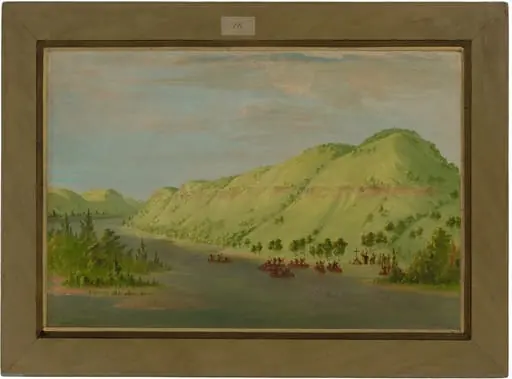 Father Hennepin Leaving the Mississippi to Join La Salle. May 8, 1680
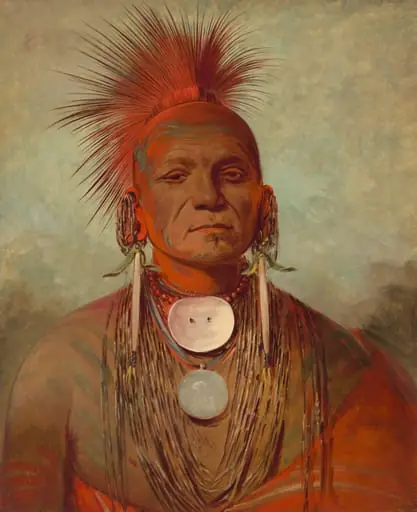 See-non-ty-a, an Iowa Medicine Man
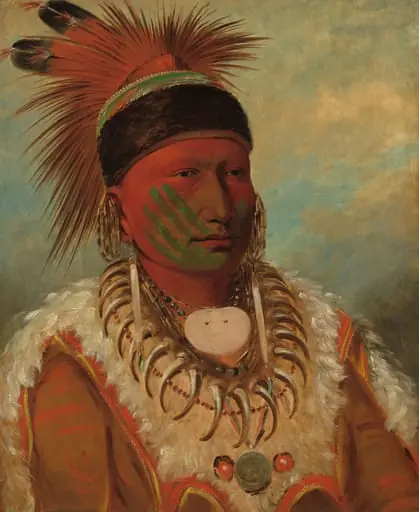 The White Cloud, Head Chief of the Iowas
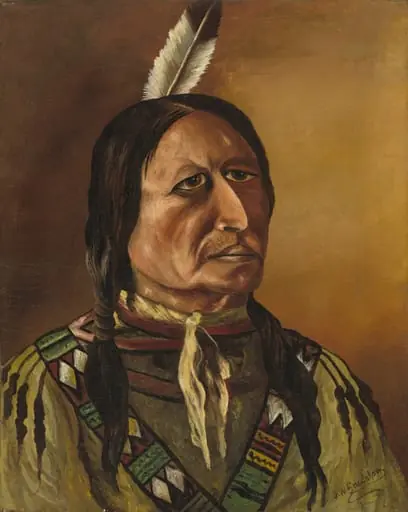 Plains Indian
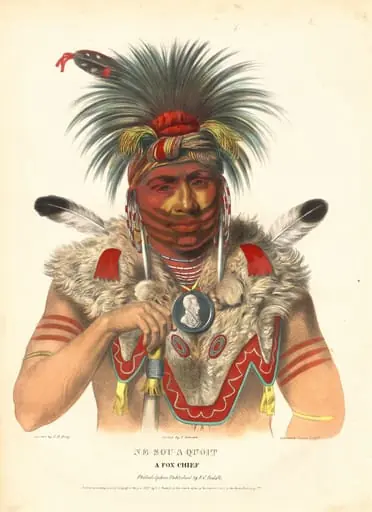 Ne-Sou-A Quoit, a Fox Chief
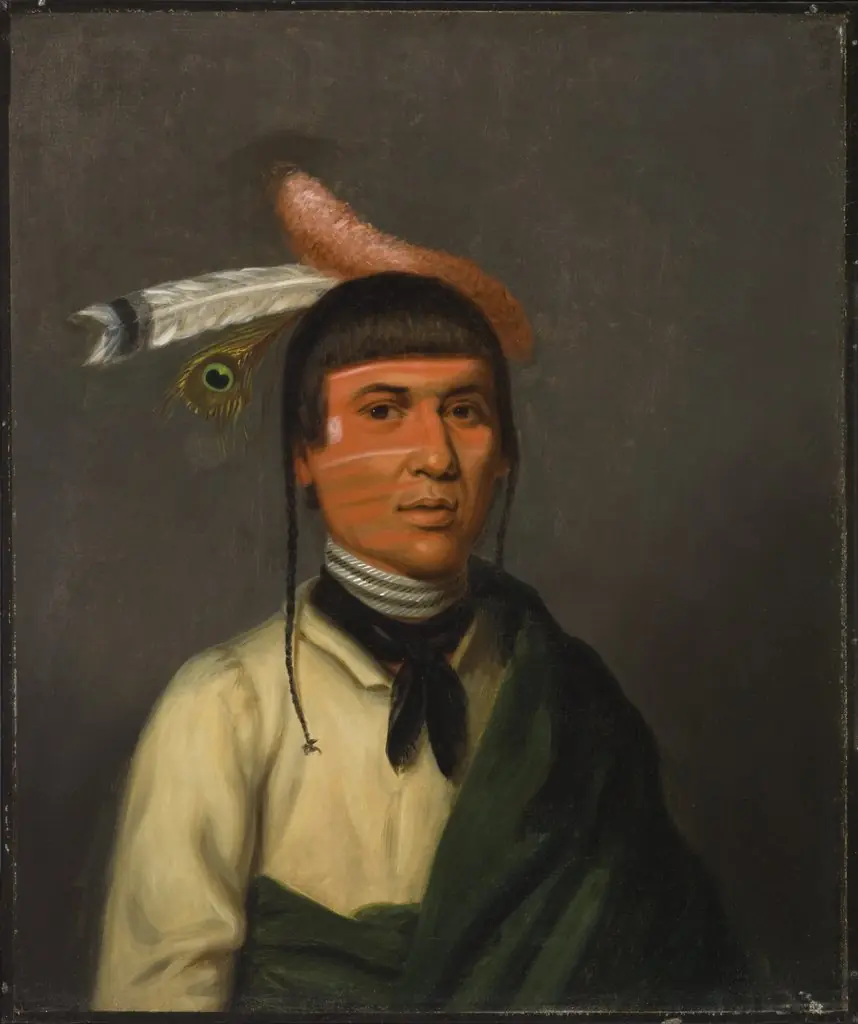 No-Tin (Wind), a Chippewa Chief
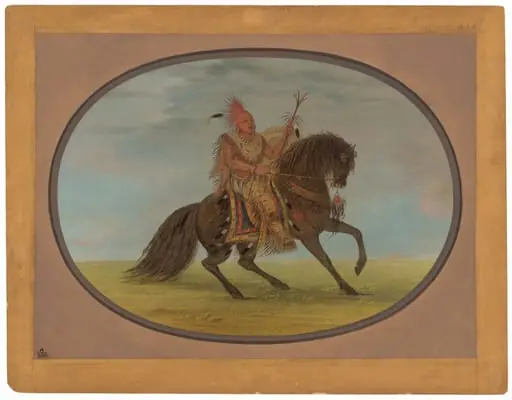 The Running Fox on a Fine Horse - Saukie
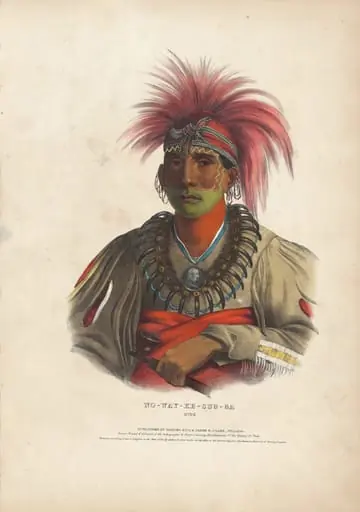 No-Way-Ke-Sug-Ga, Otoe
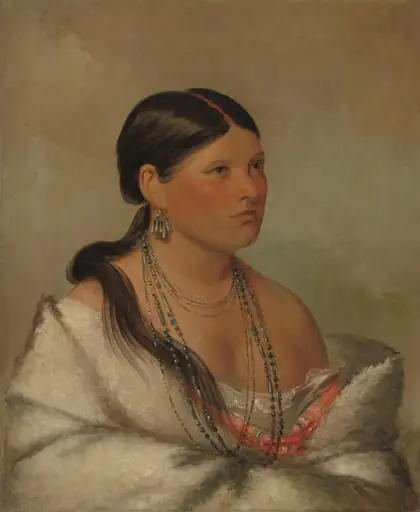 The Female Eagle - Shawano
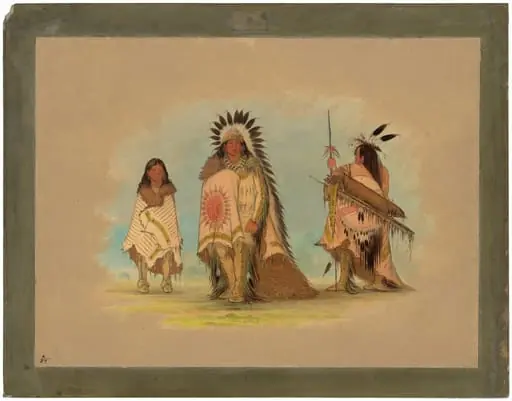 A Sioux Chief, His Daughter, and a Warrior
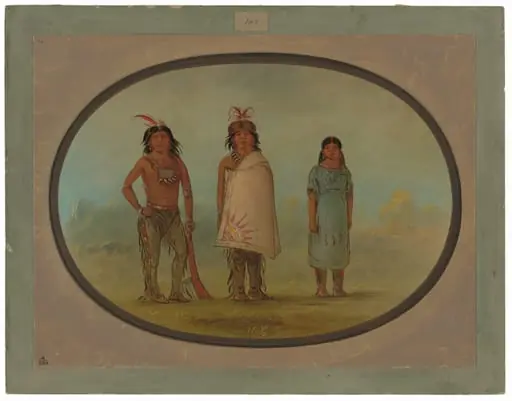 Two Chippewyan Warriors and a Woman
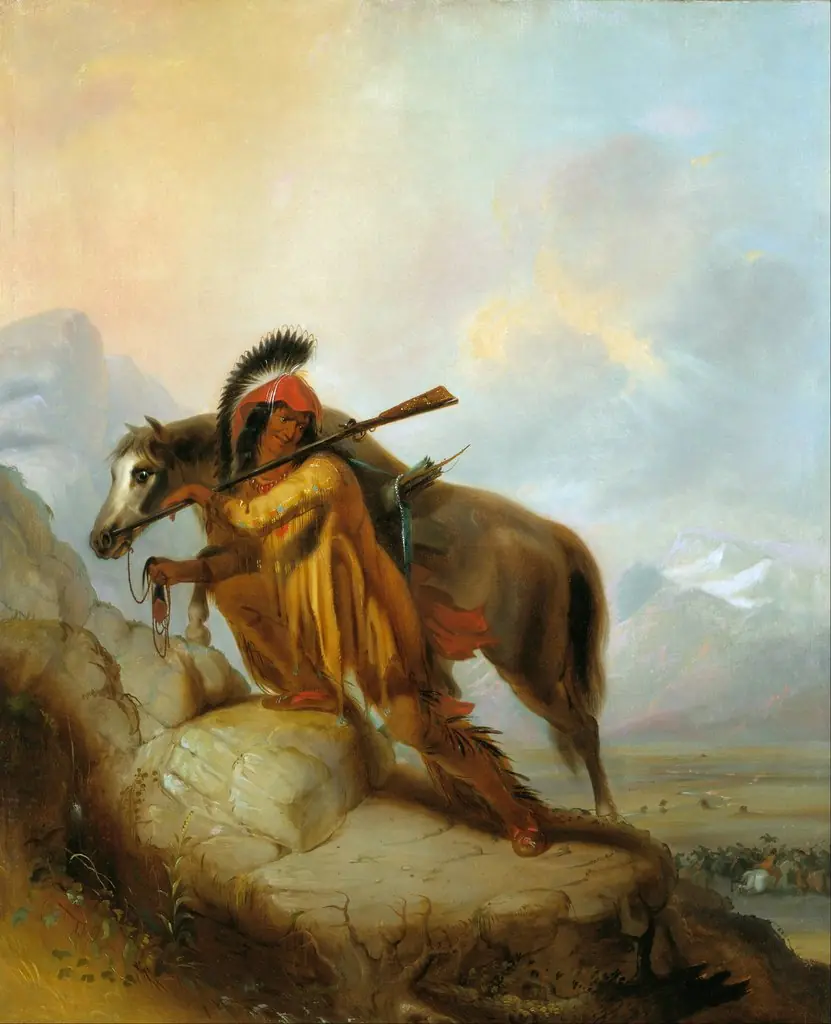 The Scalplock
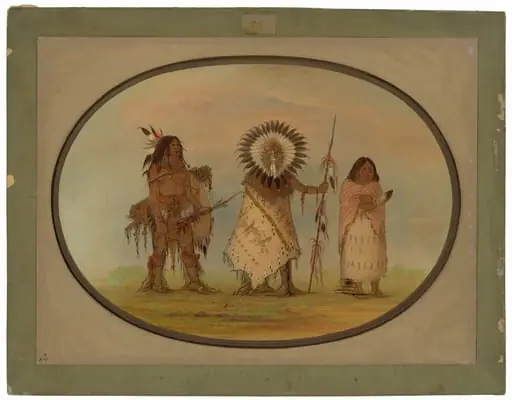 Crow Chief, His Wife, and a Warrior