Artwork
The Resurrection
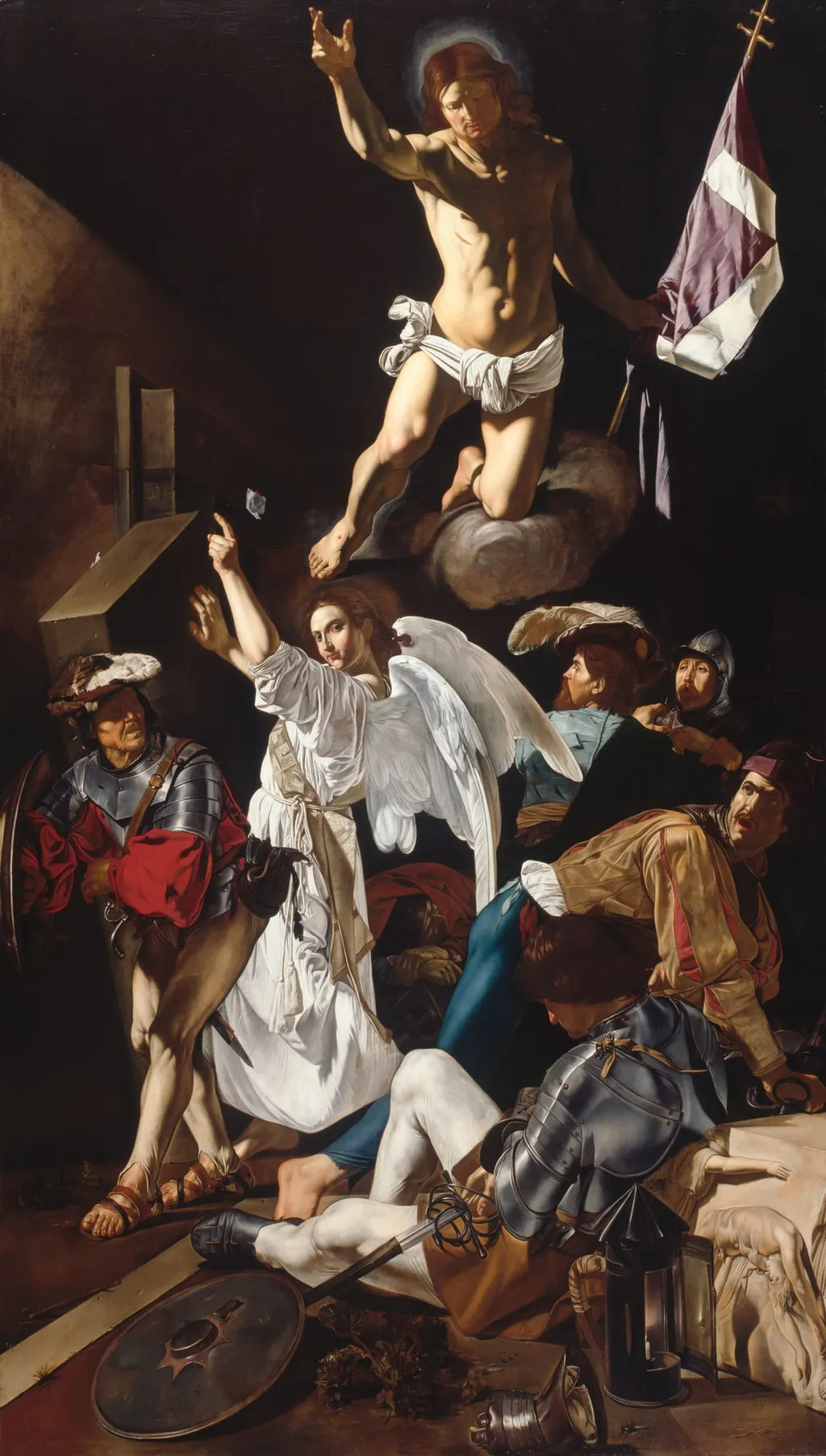
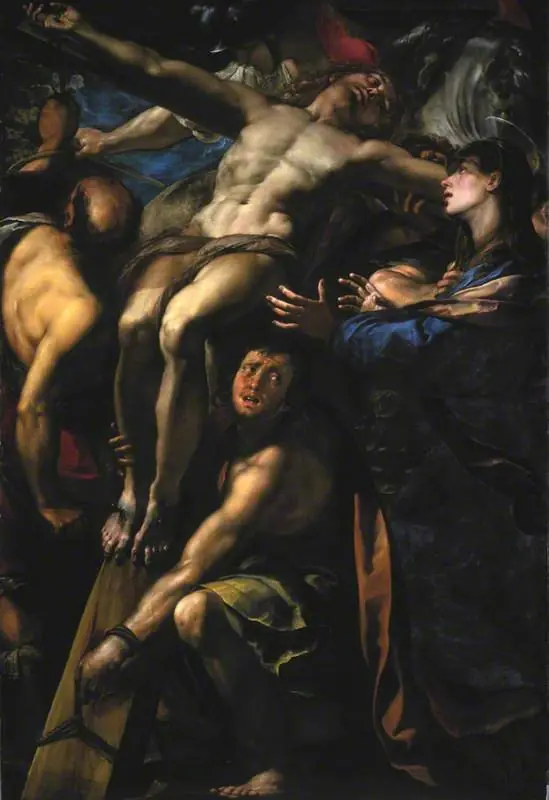
The Resurrection is an oil painting by the Baroque artist Cecco del Caravaggio. It dates from 1620 and is held in the collection of the Art Institute of Chicago.
About this work
Overview
The composition is dominated by a stark contrast between illuminated figures and deep shadows, a visual strategy that heightens the drama of the scene.
The Resurrection, executed in oil on canvas, depicts the biblical moment of Christ emerging from the tomb. The composition is dominated by a stark contrast between illuminated figures and deep shadows, a visual strategy that heightens the drama of the scene. Though the work is the sole documented painting attributed to Francesco Boneri, it reflects the intense realism and theatrical lighting associated with early Baroque religious art.
Subject & Meaning
The painting presents Jesus at the instant of his rising, surrounded by attendant figures whose gestures convey awe and reverence. By focusing on the physicality of the risen Christ, the work emphasizes the tangible reality of the resurrection event, aligning with Counter‑Reformation aims to make sacred narratives accessible and emotionally compelling to viewers.
Technique & Style
Boneri employs a pronounced chiaroscuro, juxtaposing bright illumination on the central figure against a surrounding darkness that recedes into obscurity. This handling of light and shadow mirrors the innovations of Caravaggio, whose influence is evident in the naturalistic rendering of flesh, the dramatic spatial depth, and the immediacy of the figures’ expressions.
History & Provenance
Commissioned in 1619 by Piero Guicciardini, the Tuscan ambassador to Rome, the painting was intended for the Guicciardini family chapel in Florence. The work was ultimately rejected, a not uncommon outcome in the competitive Roman art market of the period, and later entered the collection of Cardinal Scipione Borghese, a prominent patron of Baroque art.
Context
Created during the later phase of Caravaggio’s influence in Rome, the Resurrection illustrates the diffusion of his radical visual language among his followers. Boneri, known among contemporaries as Cecco del Caravaggio, likely assisted Caravaggio and absorbed his methods, contributing to the spread of the dramatic Baroque aesthetic across central Italy in the early seventeenth century.
Artist & collection

Artist
Cecco del Caravaggio is the Notname given to a painter who worked in Rome in the early decades of the 17th century and was an important early follower of Caravaggio (1571–1610).

 The Raising of the Cross
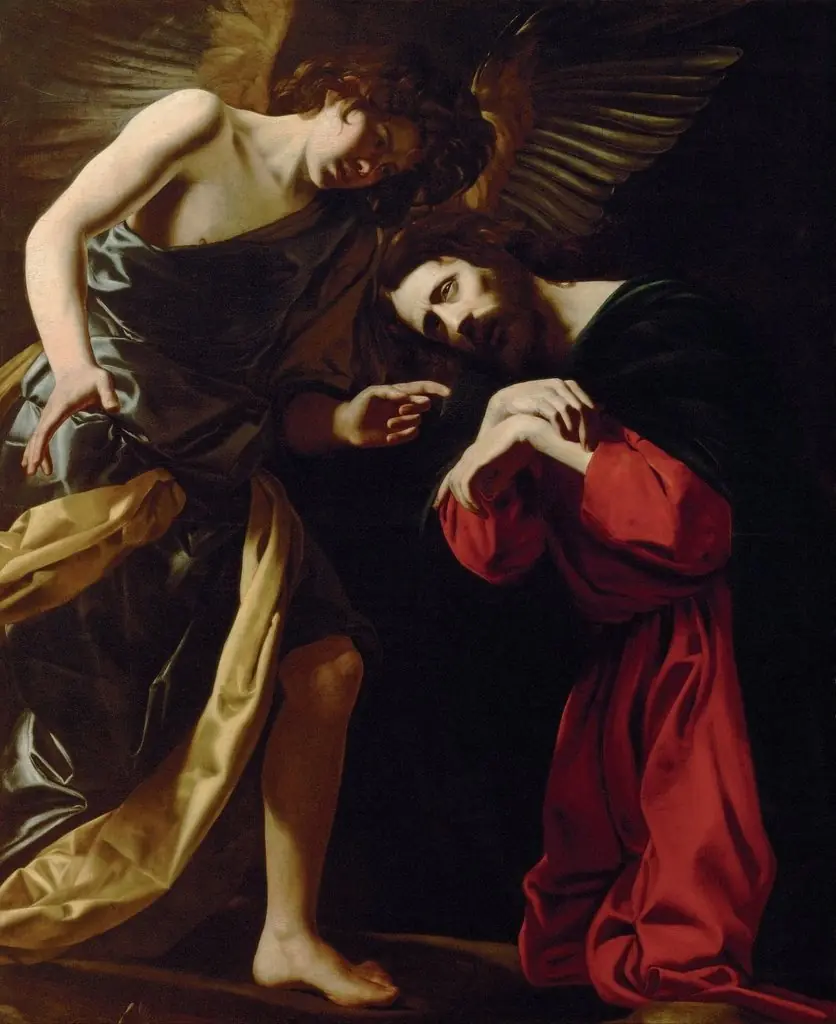 Christ on the Mount of Olives (Christ’s Fear of Death)
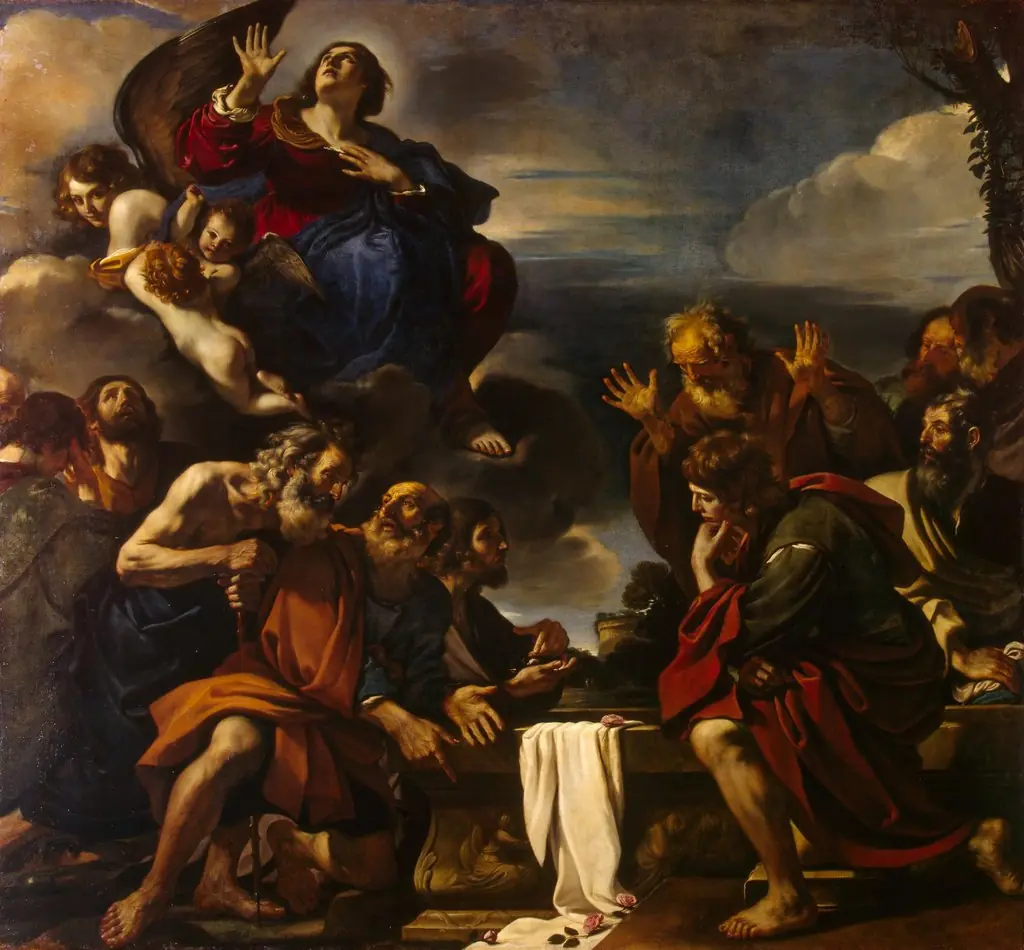 Assumption of the Virgin Mary
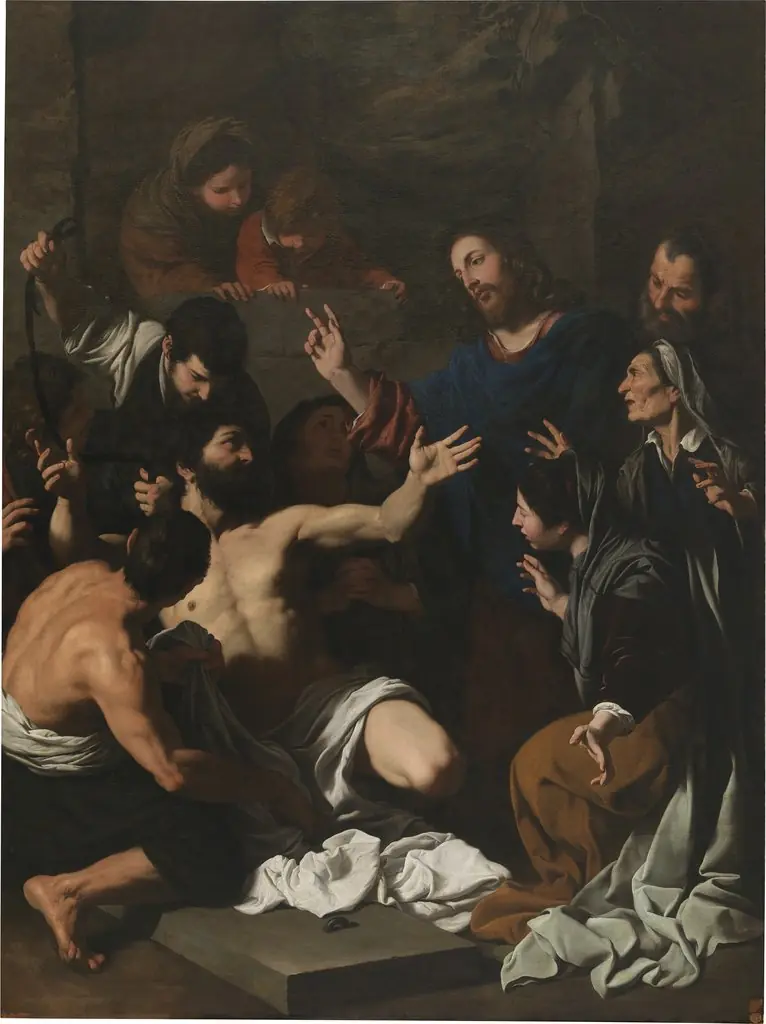 The raising of Lazarus
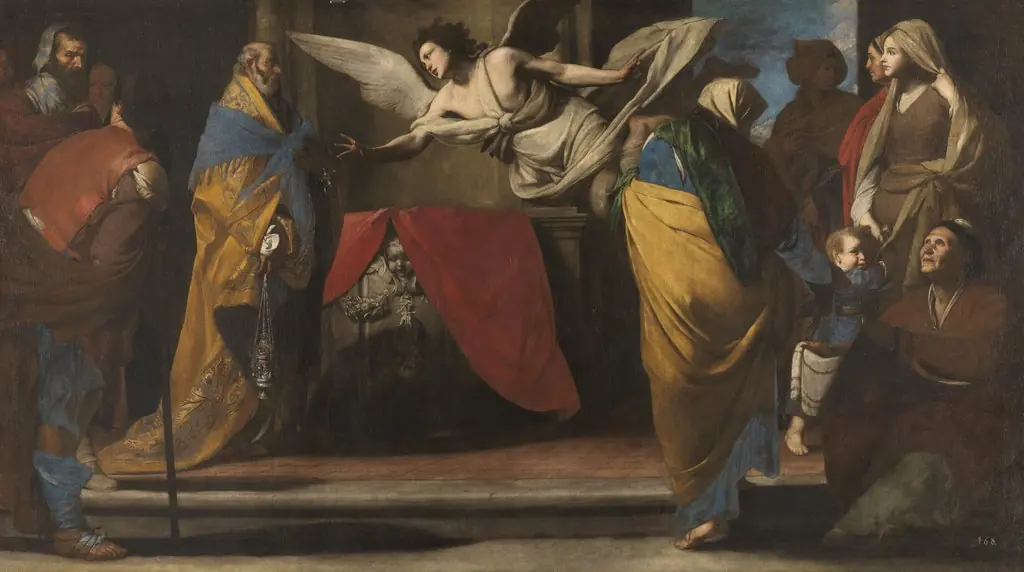 The Birth of John the Baptist announced to Zacharias
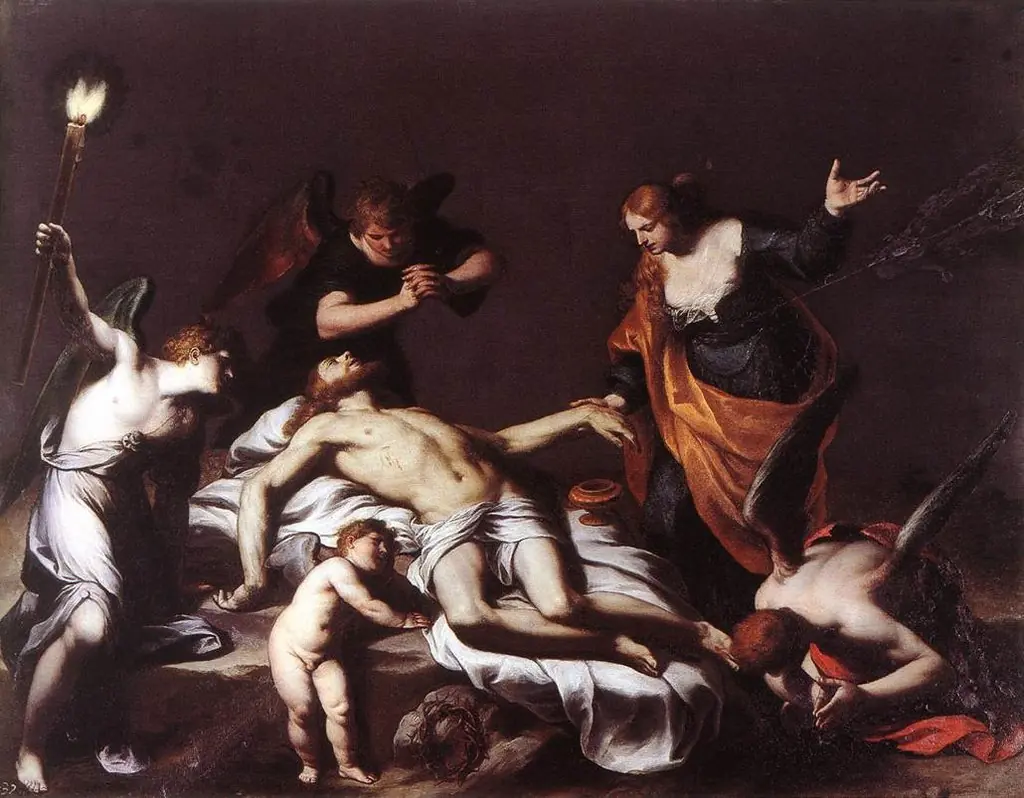 The lamentation over the dead Christ
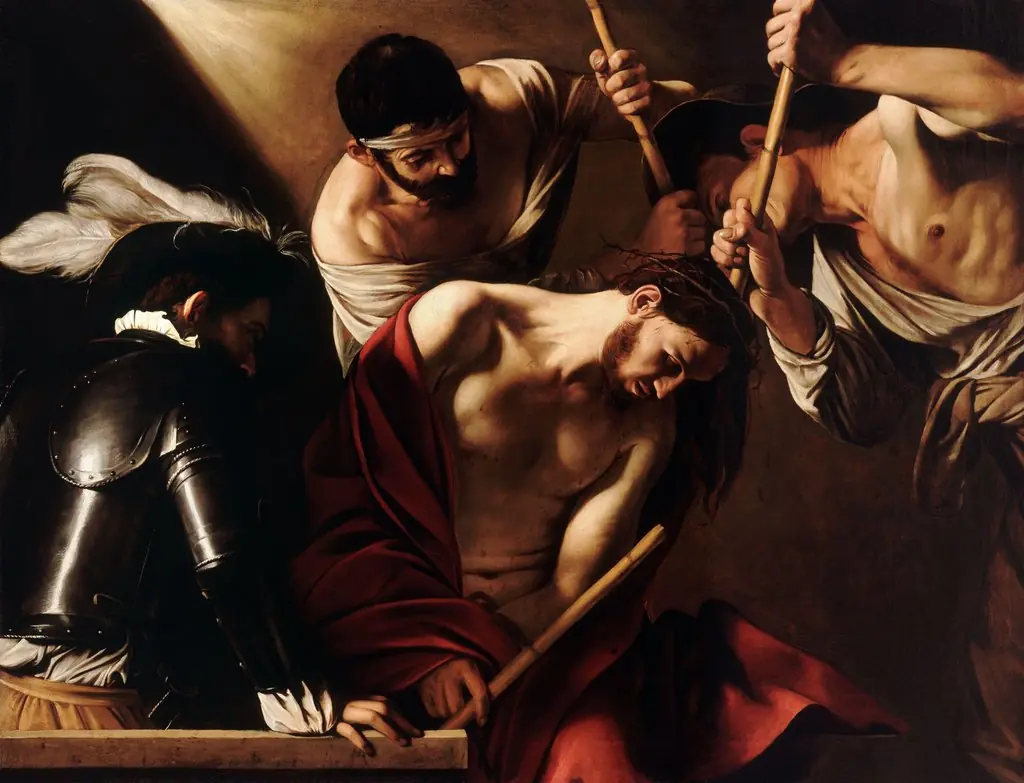 The Crowning with Thorns
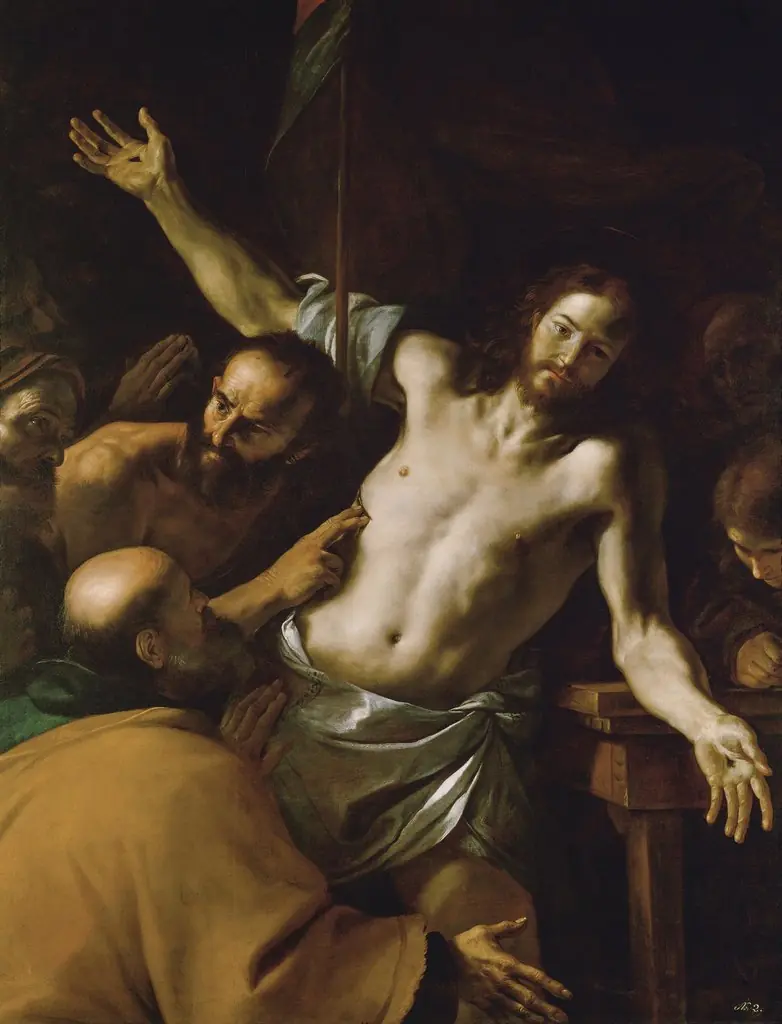 Doubting Thomas
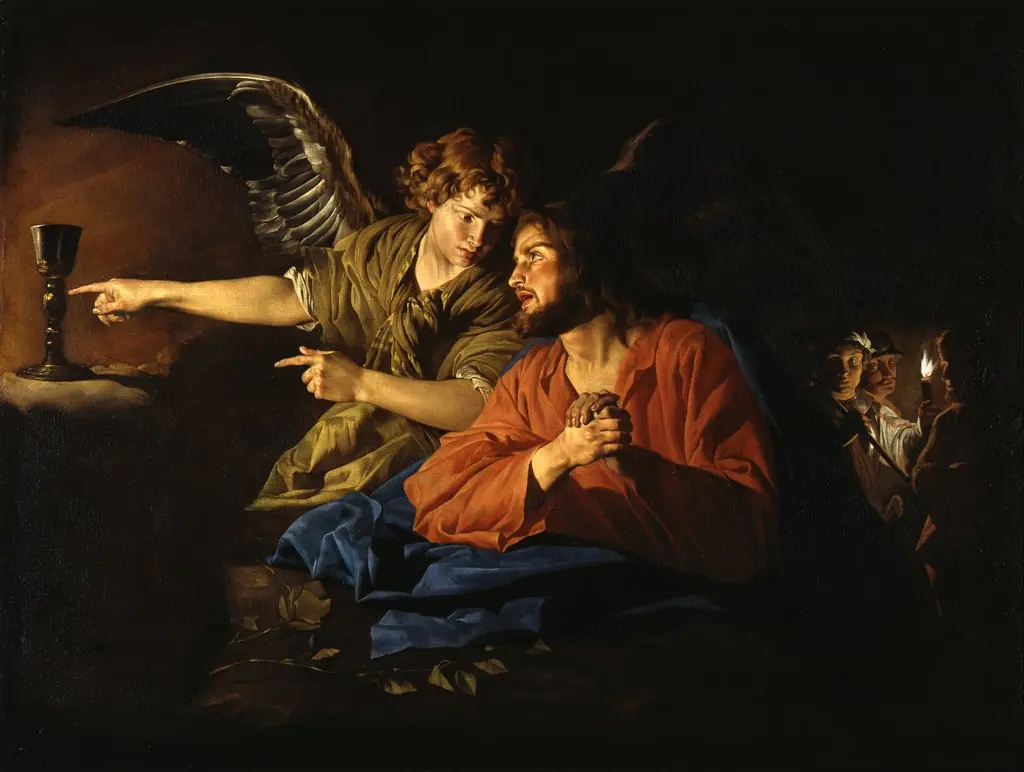 Christ in the garden of olives at Gethsemane
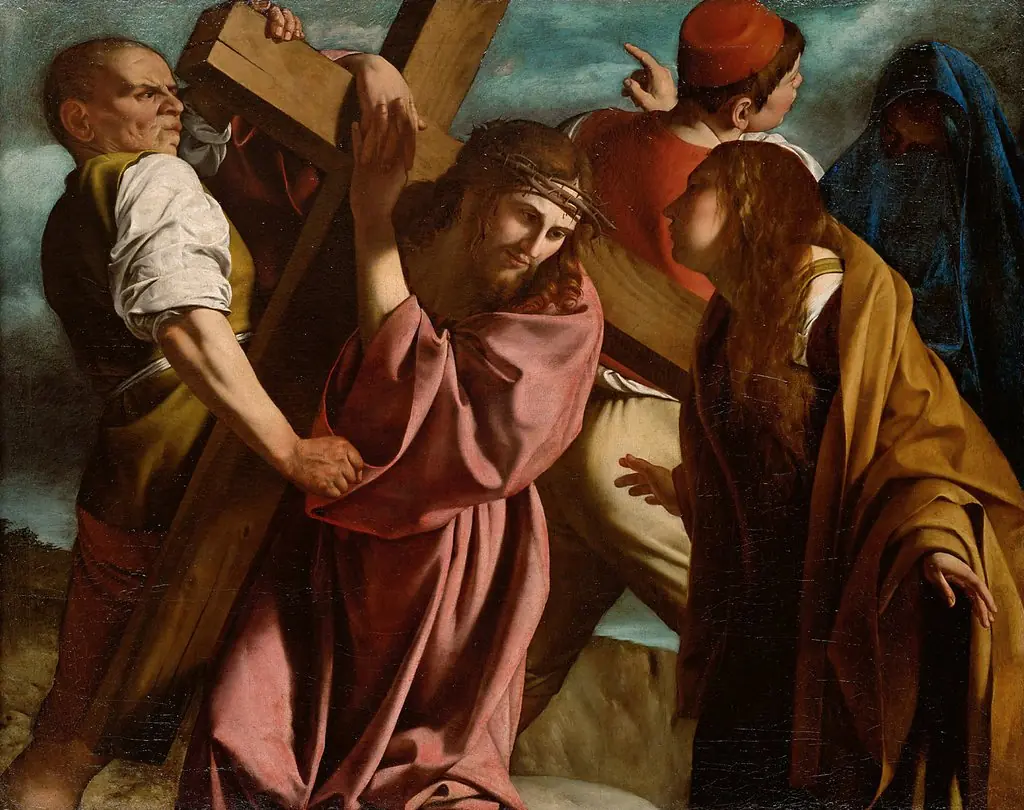 Carrying the Cross
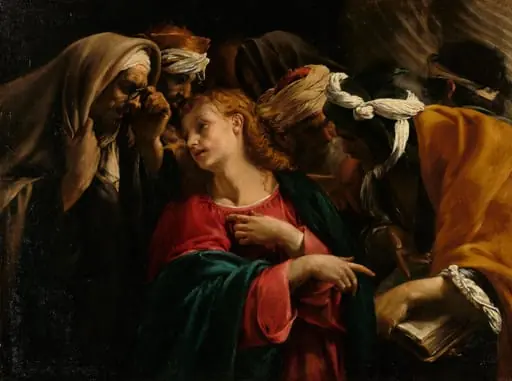 Christ among the Doctors