Artwork
The Guardian Angel, Saint Ursula and Saint Thomas
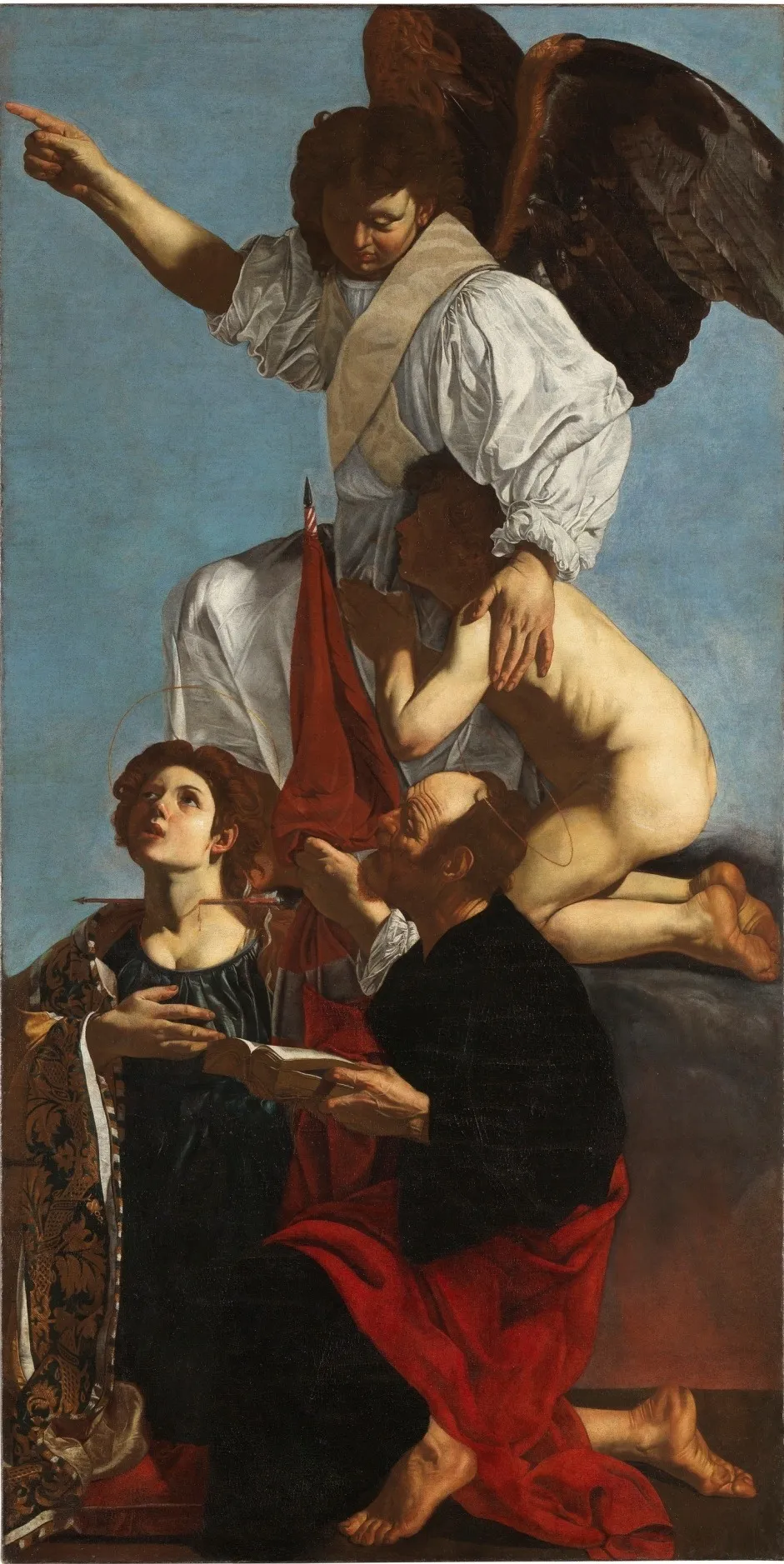
The Guardian Angel, Saint Ursula and Saint Thomas is an oil painting by the Early Baroque Italian artist Cecco del Caravaggio. It dates from 1615 and is held in the collection of the Museo del Prado.
About this work
Overview
Painted in 1615 by Cecco del Caravaggio, this oil work depicts three religious figures in a moment of spiritual tension.
Painted in 1615 by Cecco del Caravaggio, this oil work depicts three religious figures in a moment of spiritual tension. The composition centers on a celestial presence intervening between two earthly figures—one serene, one tormented. It resides today in the Museo del Prado, where its dramatic lighting and emotional contrast reflect the influence of Caravaggio’s naturalism and chiaroscuro technique.
Subject & Meaning
The winged angel, pointing skyward, symbolizes divine guidance. Saint Ursula, clad in dark robes and holding a book, embodies contemplative faith, while Saint Thomas, contorted on the ground with a red cloth, suggests spiritual anguish or doubt. The upward gesture implies a call to higher truth, contrasting inner peace with inner struggle, a common theme in Counter-Reformation devotional art.
Technique & Style
Cecco employs strong chiaroscuro to heighten emotional intensity: the angel glows in pale light against deep shadows, while the figures’ forms emerge with sculptural clarity. Brushwork is direct and tactile, emphasizing texture in fabric and skin. The diagonal thrust of the angel’s arm and the twisted posture of Saint Thomas create dynamic tension, anchoring the scene in physical realism despite its sacred subject.
History & Provenance
The painting entered the Spanish royal collection in the 17th century and was later transferred to the Museo del Prado. Its attribution to Cecco del Caravaggio, a close follower of Caravaggio, was confirmed through stylistic analysis and archival records. It has remained in institutional custody since at least the 18th century, with no known major alterations.
Context
Created during the height of Caravaggio’s influence in Italy, the work reflects the broader Catholic Church’s push for emotionally engaging religious imagery after the Council of Trent. Cecco, working in Rome, adapted his master’s naturalism to convey spiritual narratives with visceral immediacy, targeting viewers through physical realism rather than idealized forms.
Legacy
Though less known than his mentor’s works, this painting exemplifies how Caravaggio’s style was absorbed and reinterpreted by his followers. It contributes to understanding the spread of tenebrism beyond Milan and Naples, showing its adoption in devotional contexts across Europe. Its presence in the Prado underscores its early recognition as a significant example of early 17th-century Italian painting.
Artist & collection

Artist
Cecco del Caravaggio is the Notname given to a painter who worked in Rome in the early decades of the 17th century and was an important early follower of Caravaggio (1571–1610).

 Astraea leaves the earth
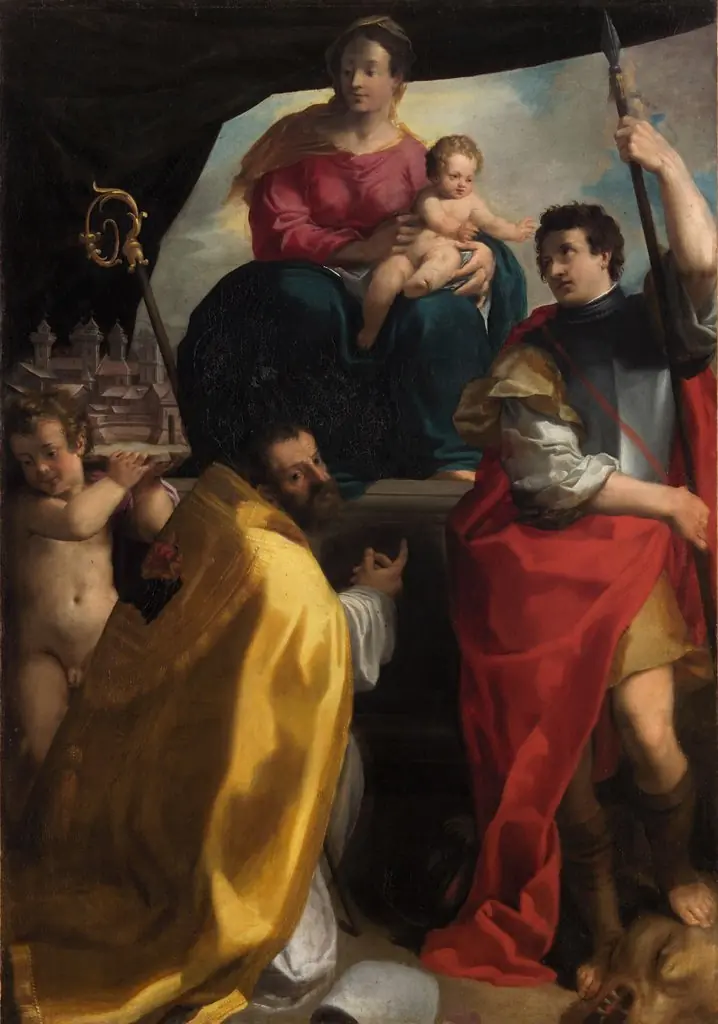 Maria mit dem Kind und den Hl. Maurelius und Georg
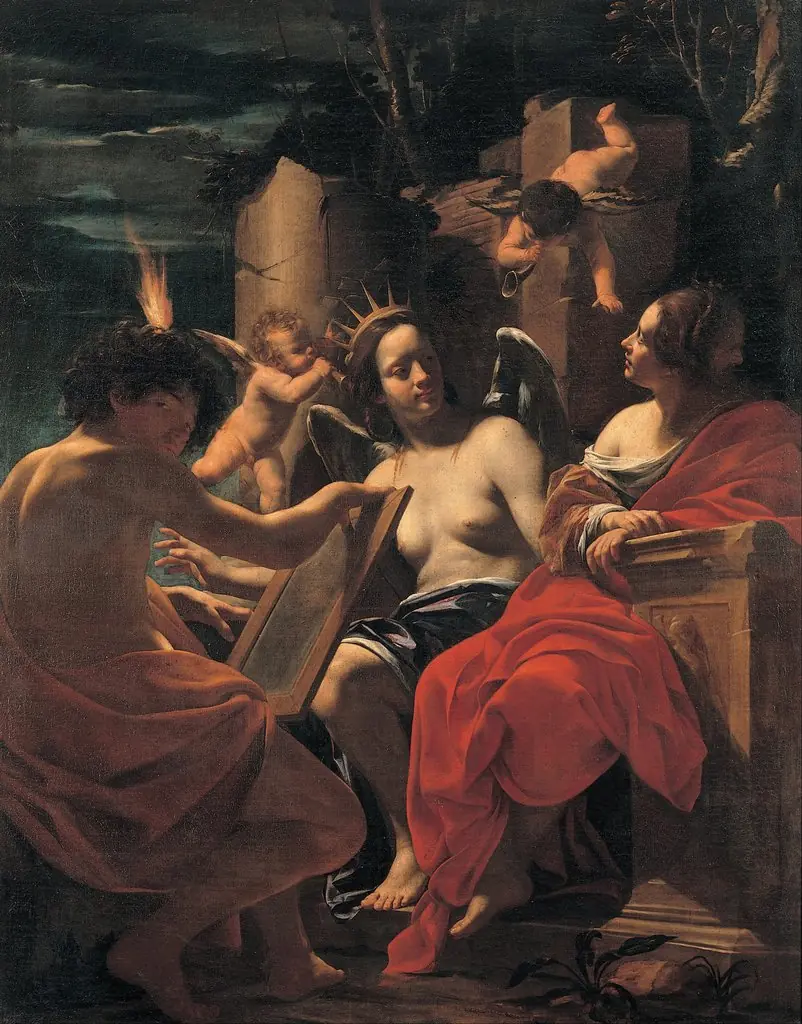 Allegory
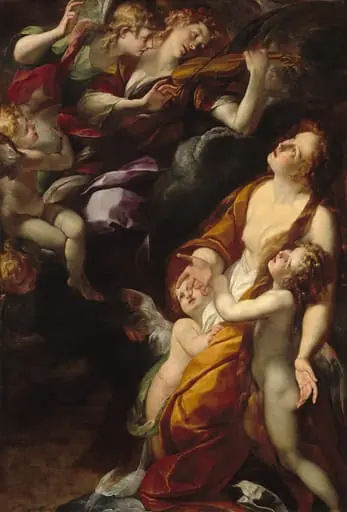 The Ecstasy of the Magdalen
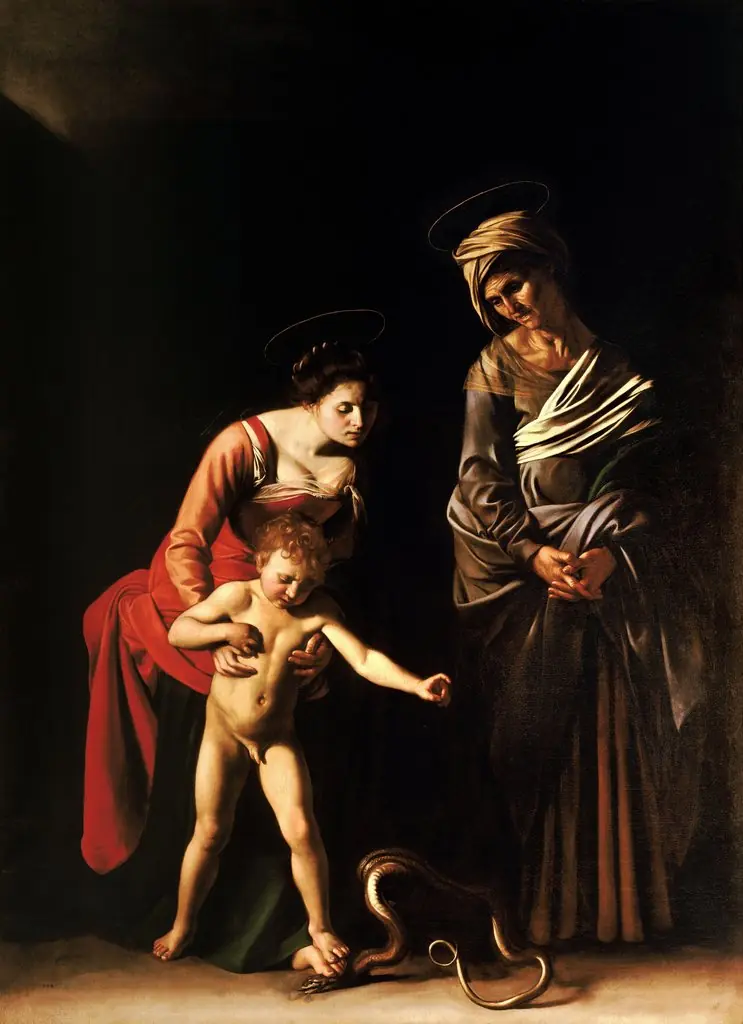 Madonna and Child with Saint Anne
 Virgin and Child with Angels
 Saint Cecilia
 The Flight into Egypt
 Saint Sebastian
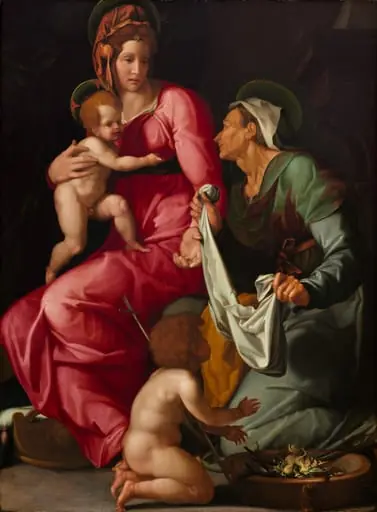 Madonna and Child with Saint Elizabeth and Saint John the Baptist
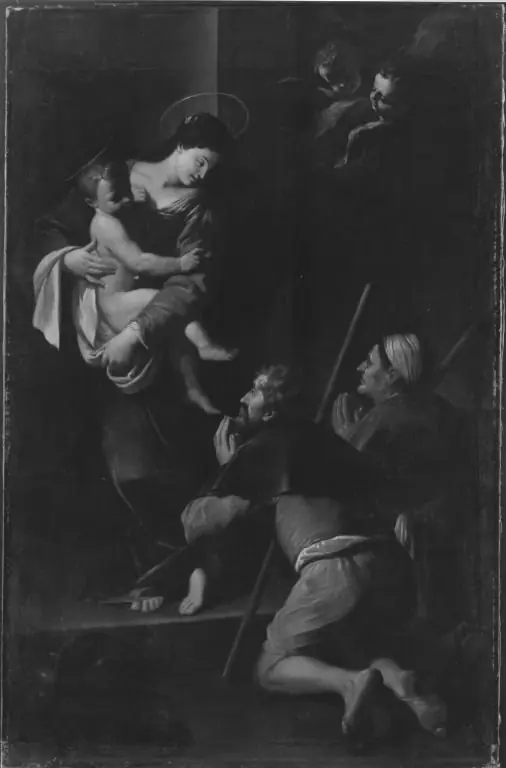 Die Madonna erscheint zwei Pilgern (Kopie nach)
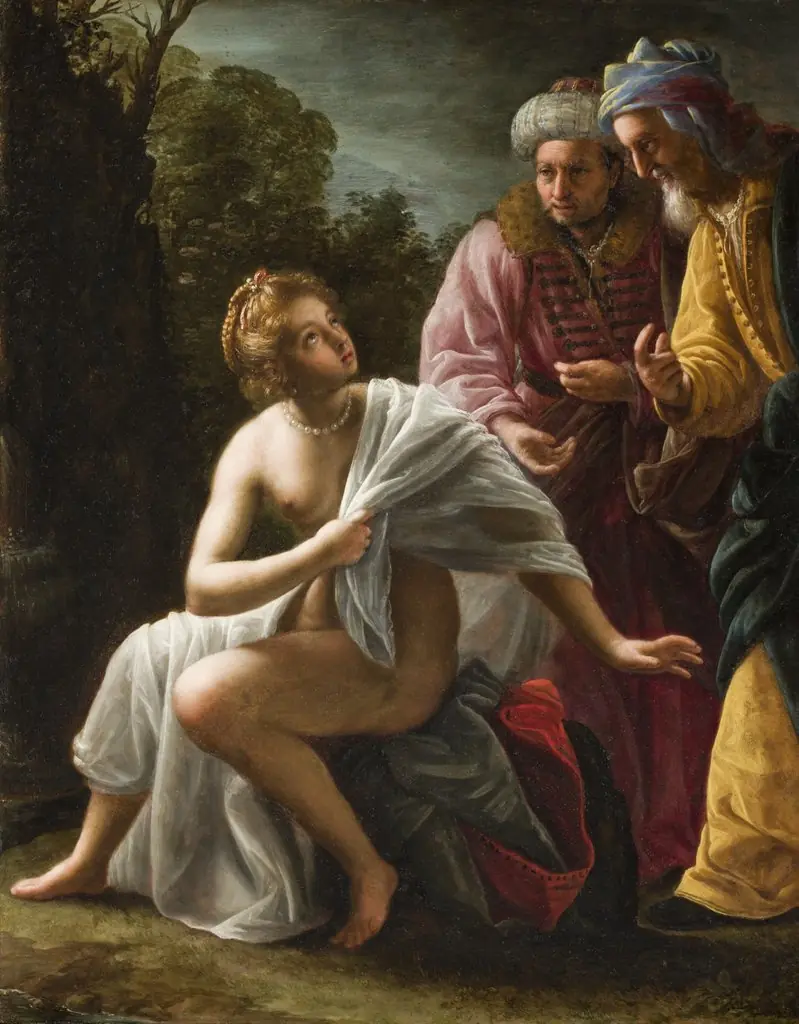 Susanna and the Elders