Artwork
Assumption of the Virgin Mary
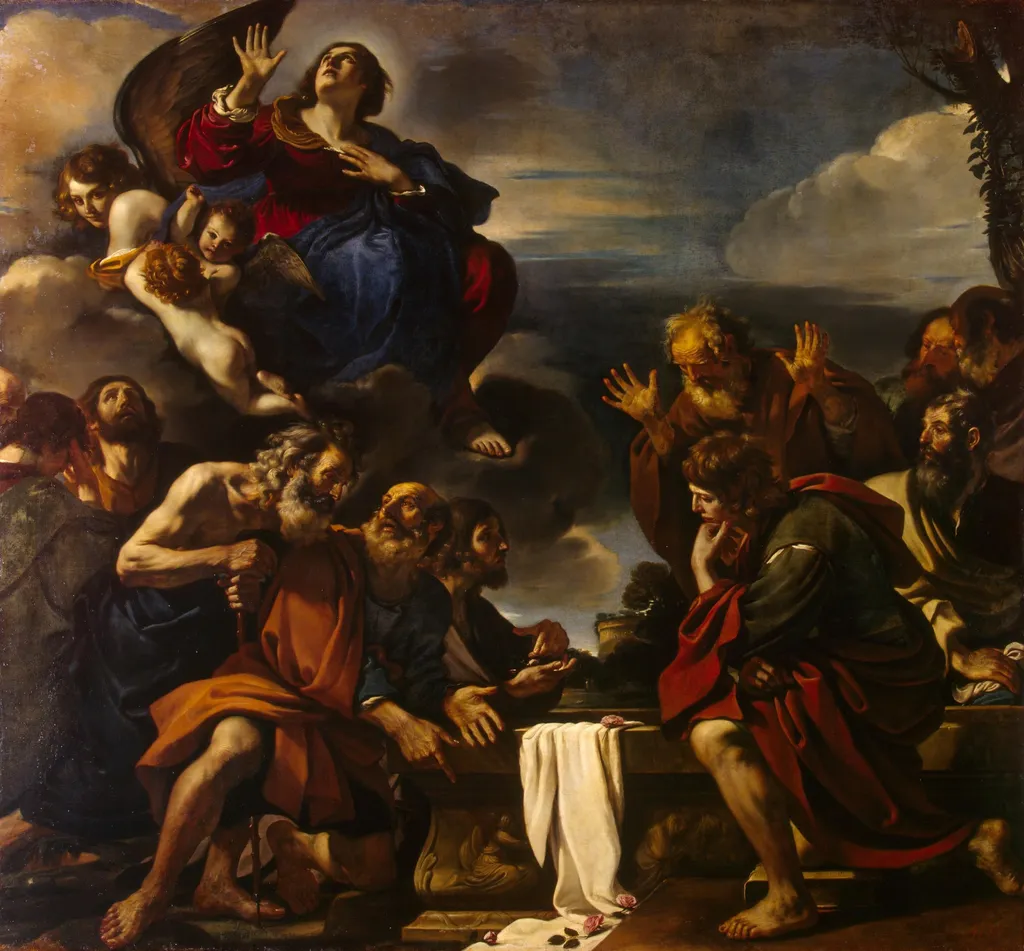
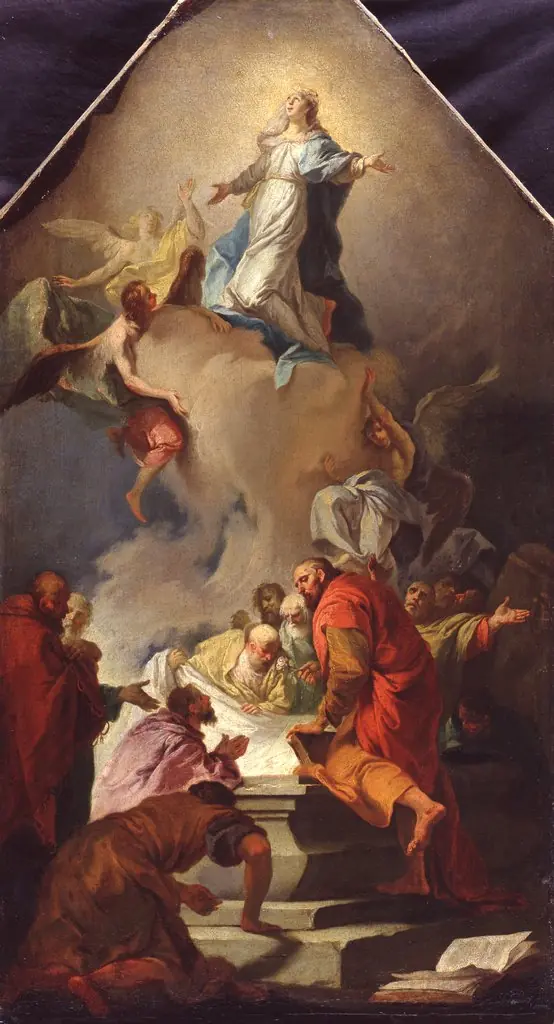
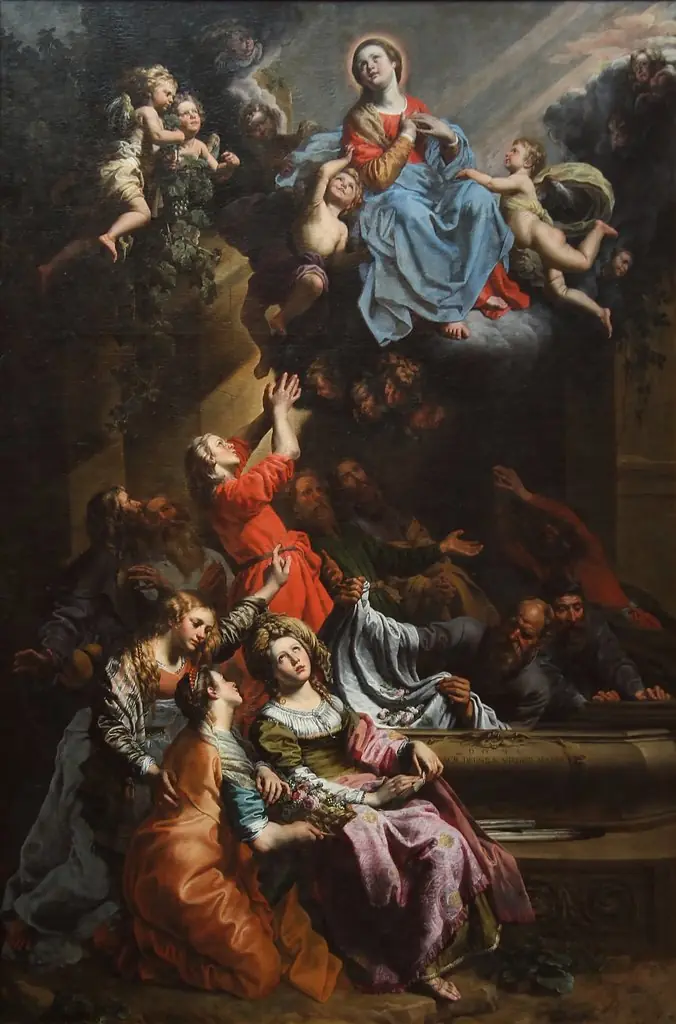
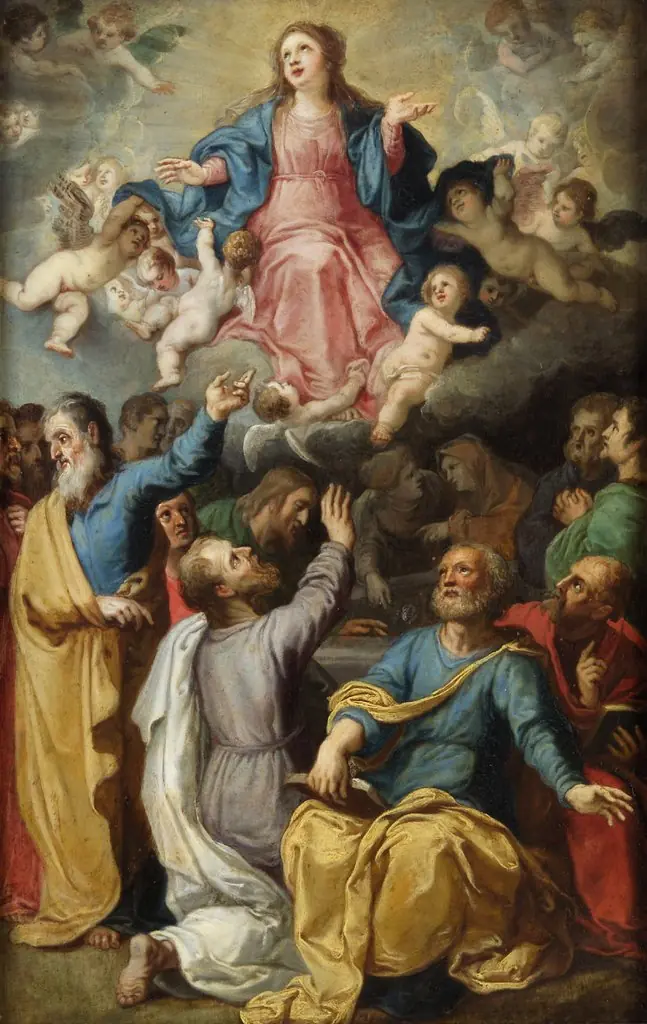
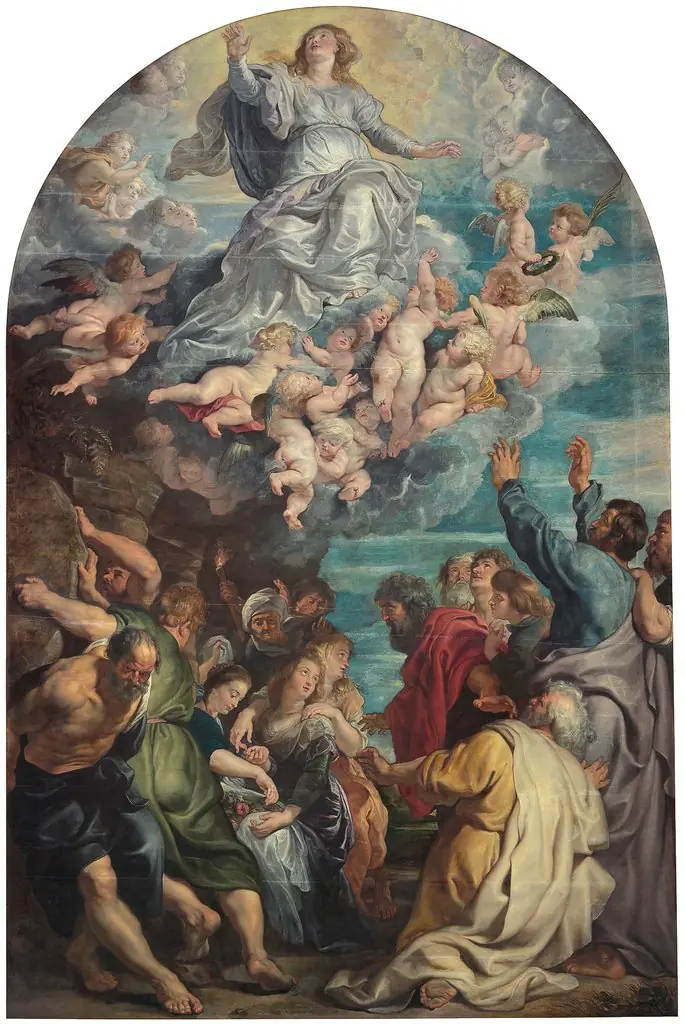
Assumption of the Virgin Mary is an oil painting by the Early Baroque Italian artist Guercino. It dates from 1623 and is held in the collection of the Hermitage Museum.
About this work
Guercino painted this during his early career, before he became one of the most sought‑after painters in Italy.
Assumption of the Virgin Mary is a painting by the Italian artist Guercino, made around 1623. It was created with oil paint on canvas. The work shows the biblical scene of Mary being taken up to heaven. Guercino painted this during his early career, before he became one of the most sought‑after painters in Italy. Today the canvas hangs in the State Hermitage Museum in Saint Petersburg. If you liked this, you might want to explore more about the State Hermitage Museum.
Overview
Guercino’s *Assumption of the Virgin Mary* is an oil painting on canvas dated to around 1623. The work depicts the biblical episode in which the Virgin Mary is taken up into heaven. Measuring roughly the size typical of early‑Baroque altarpieces, it now forms part of the collection of the State Hermitage Museum in Saint Petersburg.
Subject & Meaning
The composition illustrates the moment of Mary’s bodily ascent, a theme favored by Counter‑Reformation patrons for its emphasis on divine triumph and intercession. Guercino arranges the figures to convey both the celestial elevation of the Virgin and the awe of the surrounding angels, underscoring the theological notion of her assumption as a sign of grace.
Technique & Style
Executed in oil on canvas, the painting shows Guercino’s early mastery of chiaroscuro, with strong contrasts of light and shadow that model the figures and give depth to the sky. The brushwork is fluid yet controlled, and the color palette combines luminous blues and golds to heighten the sense of heavenly illumination.
History & Provenance
Created during the artist’s formative period, before he achieved widespread fame across Italy, the canvas entered the Hermitage collection in the 18th century as part of the Russian imperial acquisitions. Its provenance traces back to a private commission, though the original patron remains unidentified.
Context
The work belongs to a broader wave of Baroque religious paintings that sought to engage viewers emotionally. Guercino, a native of Cento, was influenced by the dramatic narratives of Caravaggio and the classical balance of the Bolognese school, positioning this piece at the intersection of those currents.
Own this work as a print
Artist & collection
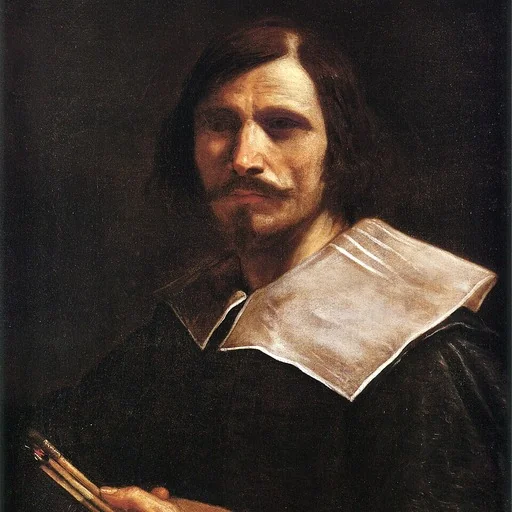
Artist
Giovanni Francesco Barbieri (8 February 1591 – 22 December 1666), better known as (il) Guercino (Italian pronunciation: ), was an Italian Baroque painter and draftsman from Cento in the Emilia region, who was active in Rome and Bologna.