Artwork
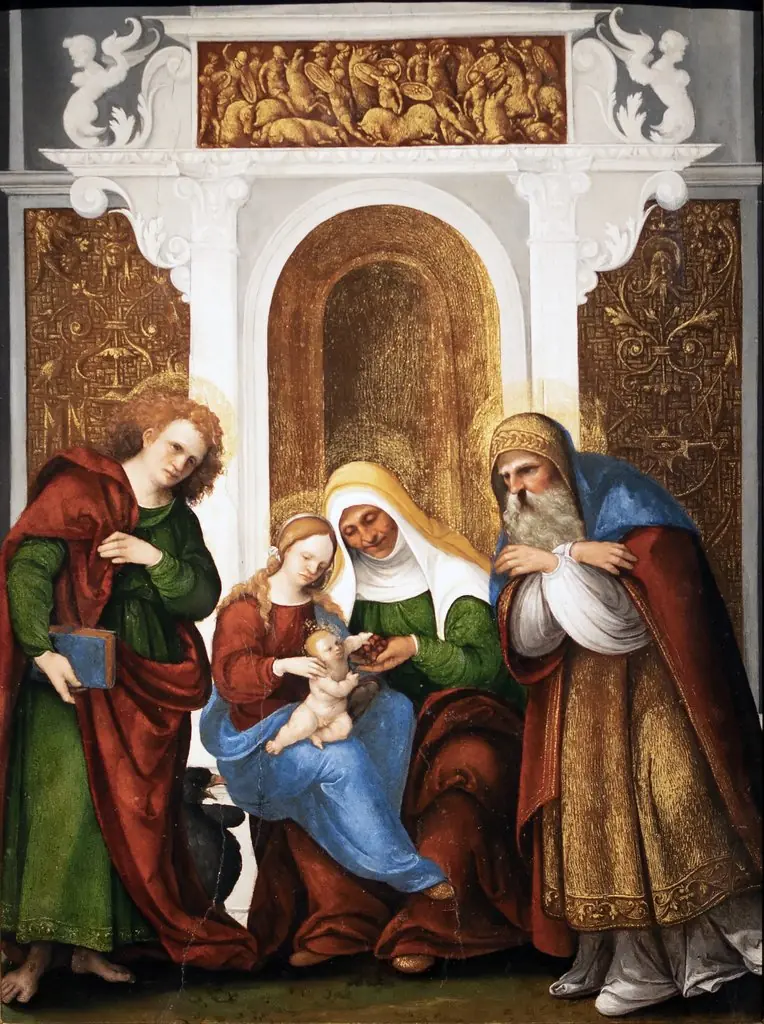
The Presentation of Christ in the Temple
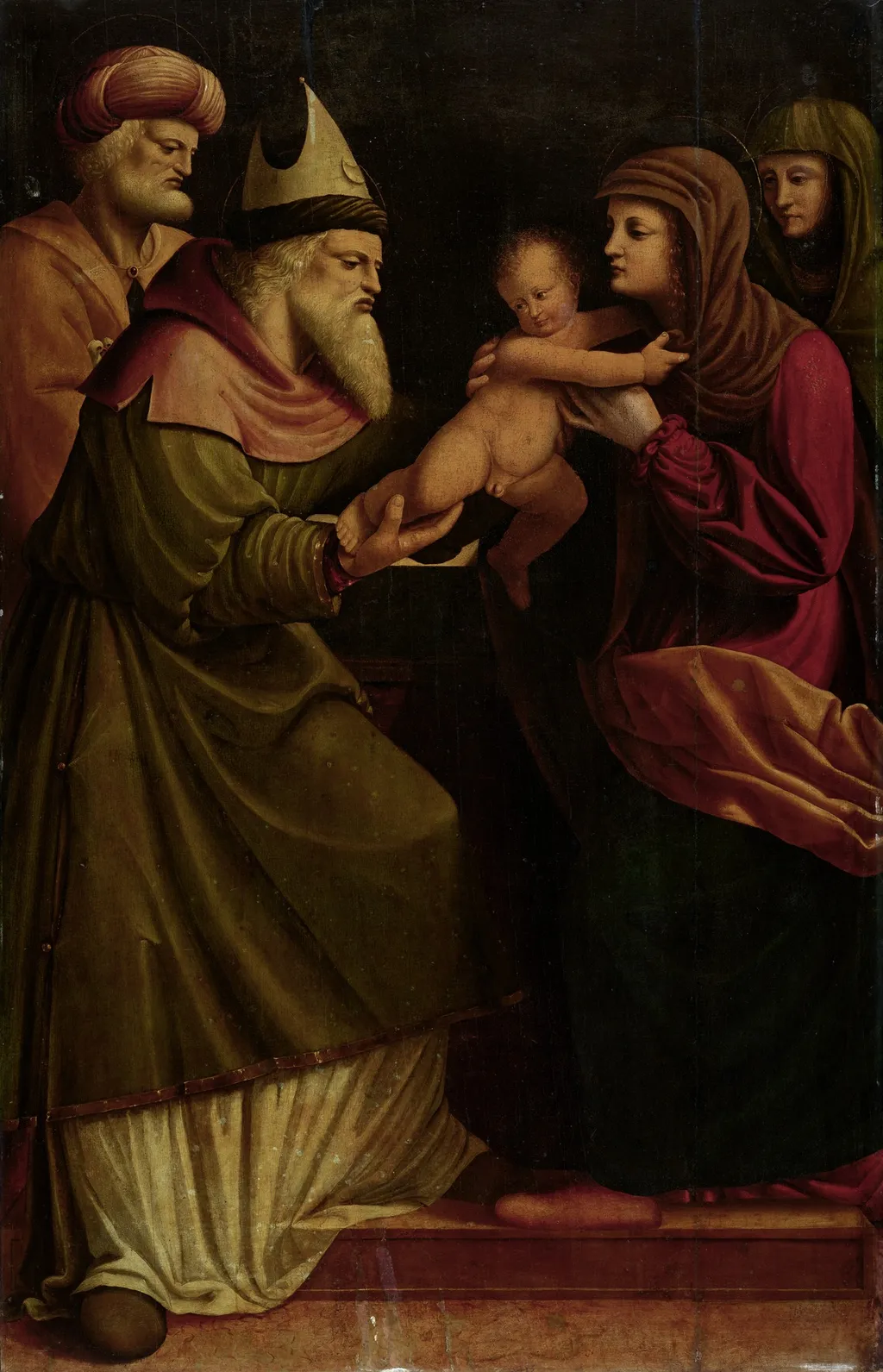
The Presentation of Christ in the Temple is a paint painting by the Early Baroque Italian artist Cesare Magni. It dates from 1527 and is held in the collection of the Gemäldegalerie Berlin.
About this work
Overview
It is now held in the Gemäldegalerie, Berlin, as part of its collection of Renaissance and early Mannerist works.
Painted in 1527 by Cesare Magni, an artist active in Milan during the early 16th century, this work belongs to the Leonardeschi tradition—a group influenced by Leonardo da Vinci’s approach to form and expression. Executed in oil on panel, the painting captures a biblical moment with quiet intimacy. It is now held in the Gemäldegalerie, Berlin, as part of its collection of Renaissance and early Mannerist works.
Subject & Meaning
The scene illustrates the presentation of the infant Jesus at the Temple in Jerusalem, as described in the Gospel of Luke. Mary and Joseph offer the child to the priest Simeon, who recognizes him as the Messiah. The composition emphasizes reverence and tenderness, with Simeon’s gesture of touch conveying spiritual recognition. The figures’ subdued expressions reflect a contemplative mood, central to devotional imagery of the period.
Technique & Style
Magni employs soft modeling and gentle transitions between light and shadow, echoing Leonardo’s sfumato and chiaroscuro. The baby’s skin glows with a warm, diffused luminosity, while the robes of Mary and the attendant are rendered in rich, muted tones. Facial features are delicately rendered, avoiding sharp contours, and the spatial depth is suggested through atmospheric perspective rather than rigid linear perspective.
History & Provenance
The painting was likely commissioned for private devotion, common among Milanese patrons in the early 1500s. It entered the Gemäldegalerie Berlin’s collection in the 19th century, possibly through acquisitions from Italian private holdings. Its attribution to Magni is supported by stylistic parallels with his documented works, though few of his paintings survive, making this one of the more significant surviving examples.
Context
Created during a period of religious upheaval in Europe, the painting reflects the enduring power of traditional iconography in Catholic regions like Lombardy. While northern Italy saw growing interest in Mannerist complexity, Magni’s work retains the calm harmony of High Renaissance ideals. His adherence to Leonardo’s legacy suggests a conservative artistic environment in Milan, resistant to radical stylistic shifts.
Legacy
Though Cesare Magni is not widely known today, this painting exemplifies the quiet influence of Leonardo’s circle beyond his immediate pupils. It stands as a testament to the persistence of naturalistic expression and emotional restraint in early 16th-century religious art. Its preservation in a major European museum ensures continued study of regional Lombard painting during a transitional era.
Own this work as a print
Artist & collection
Artist
Cesare Magni or Magno (c.1495–1534) was an Italian painter of the Leonardeschi school.

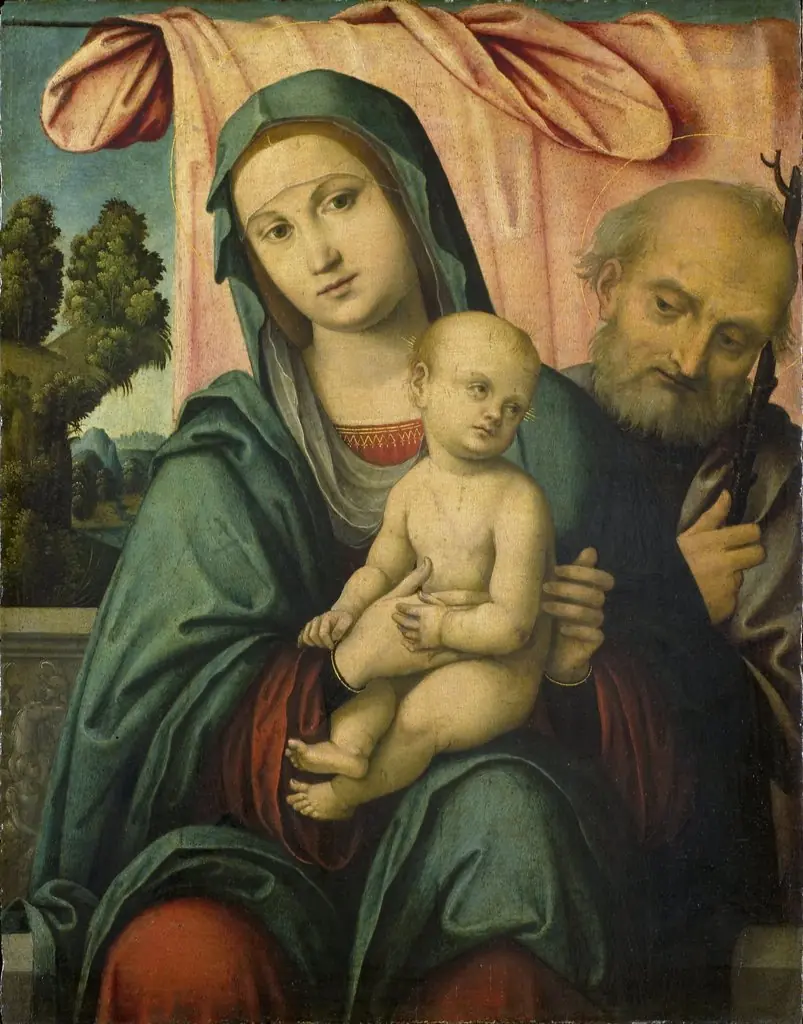 Holy Family
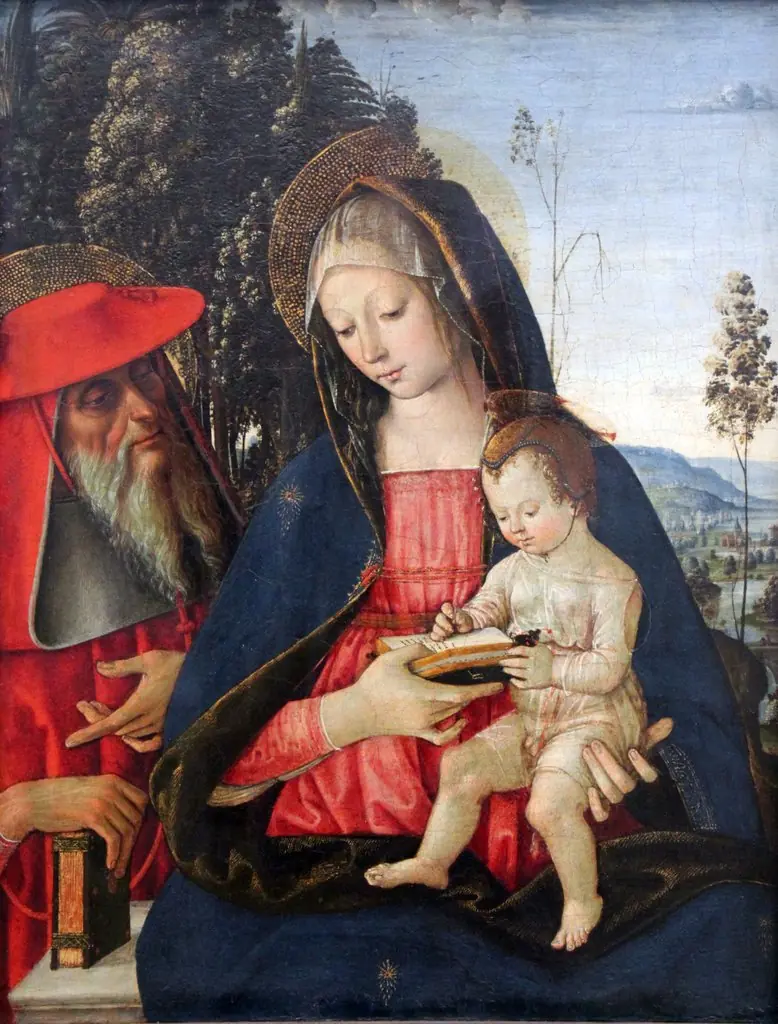 Madonna and Child with Saint Jerome
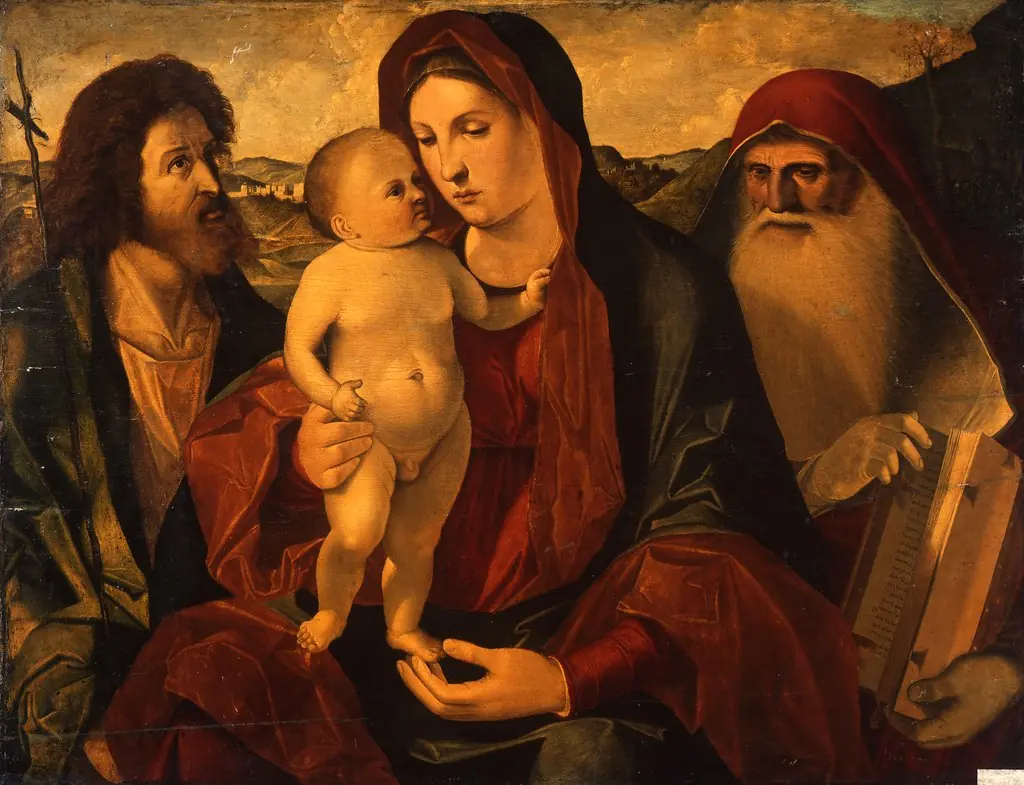 The Virgin and the Child with St. John the Baptist and St. Jerome
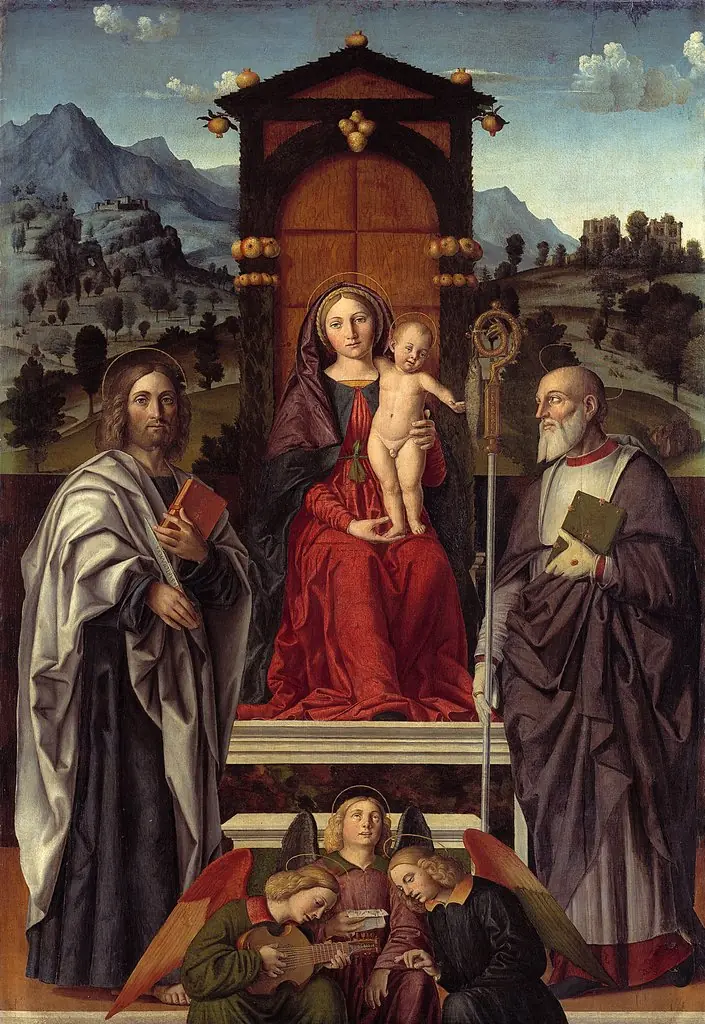 Mary and Child Enthroned with Saints
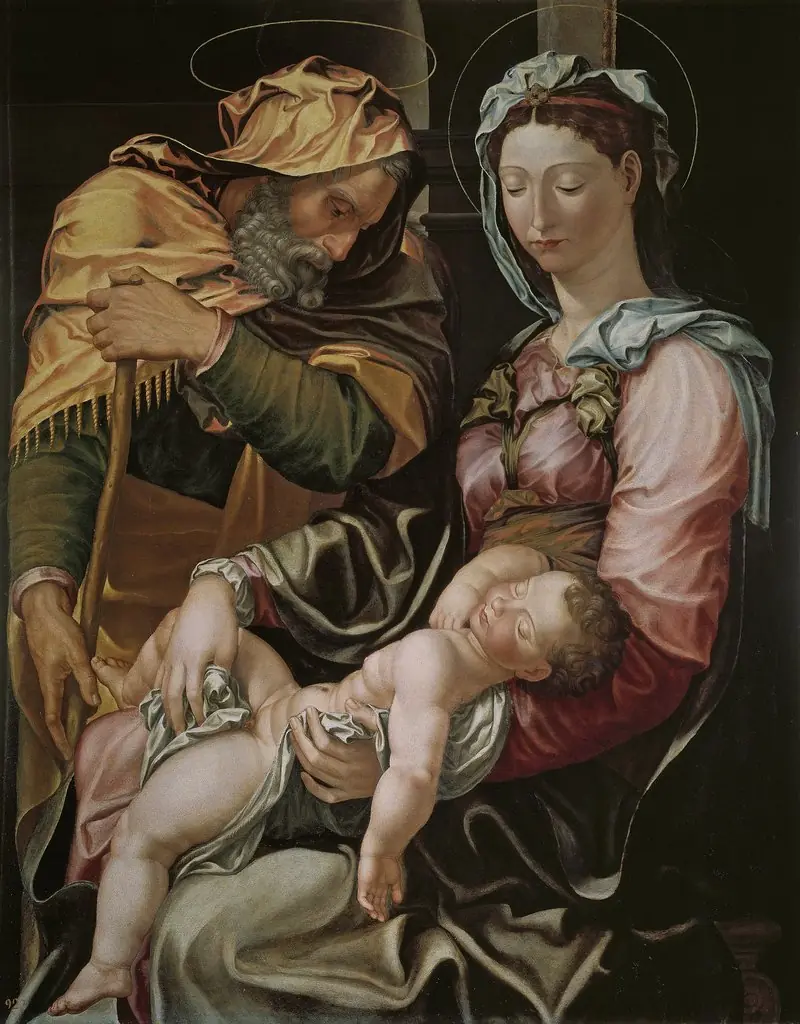 La Sagrada Familia
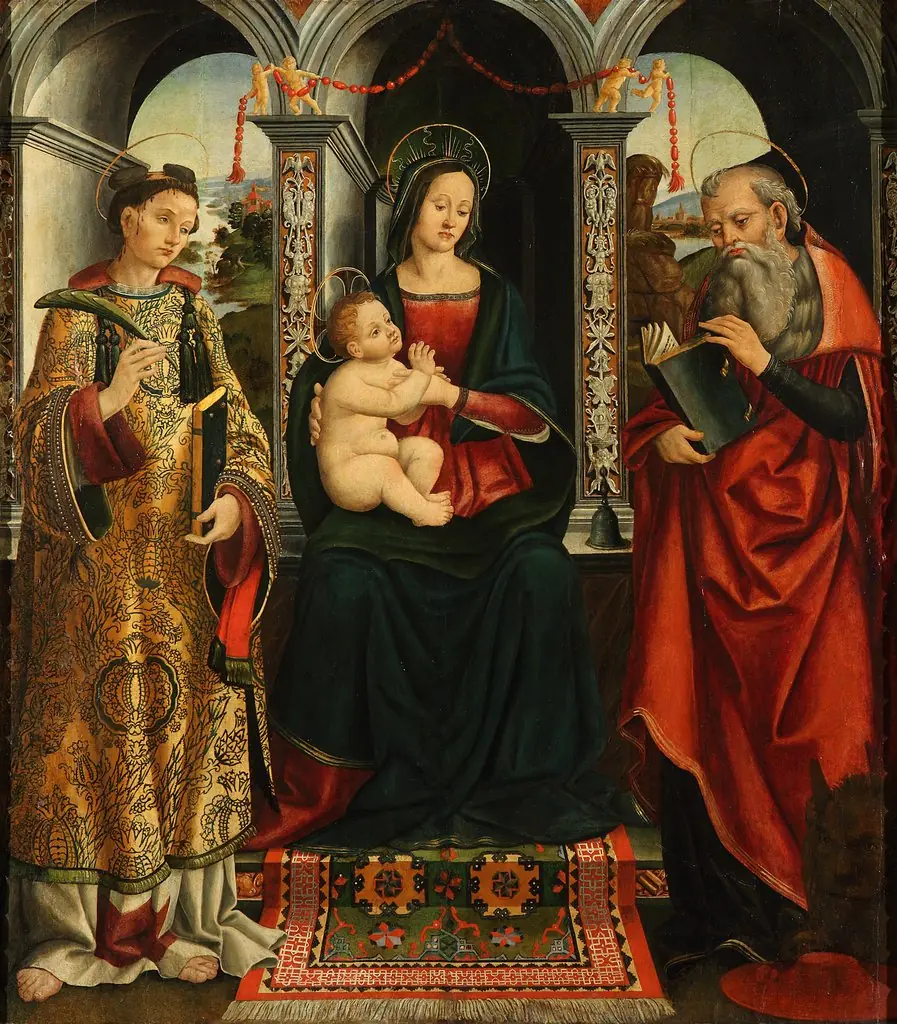 The Virgin and Child enthroned with St. Stephanus and St. Jerome
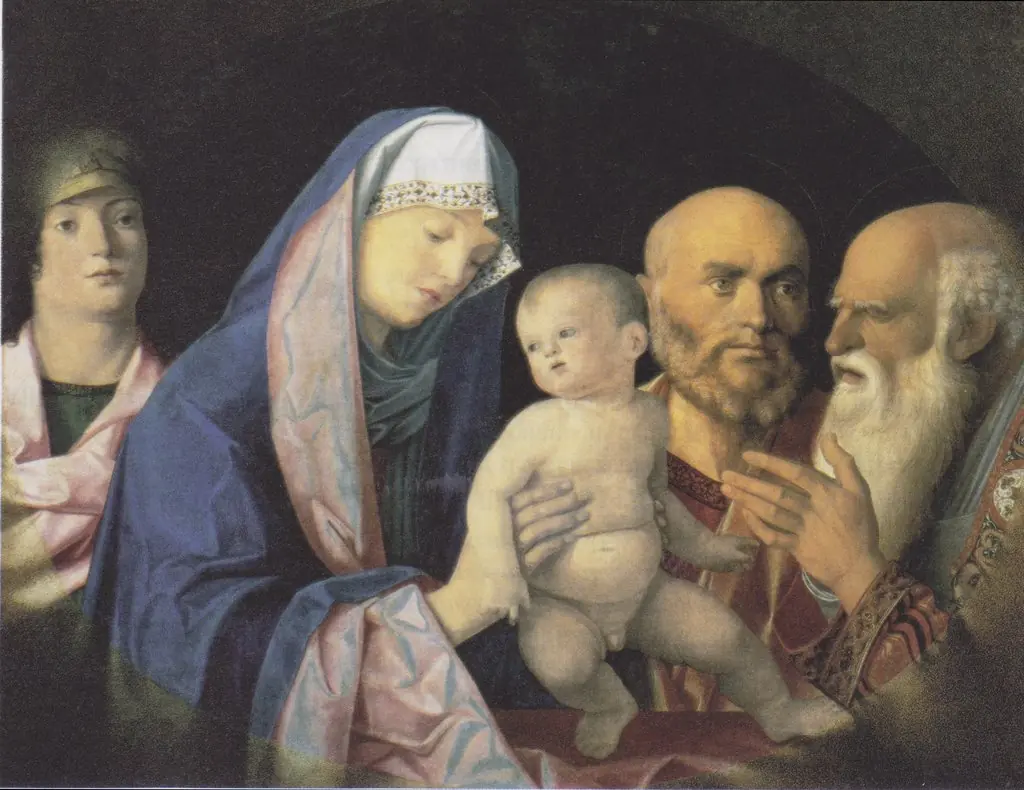 Presentation of Jesus
 Madonna with Child and Saints
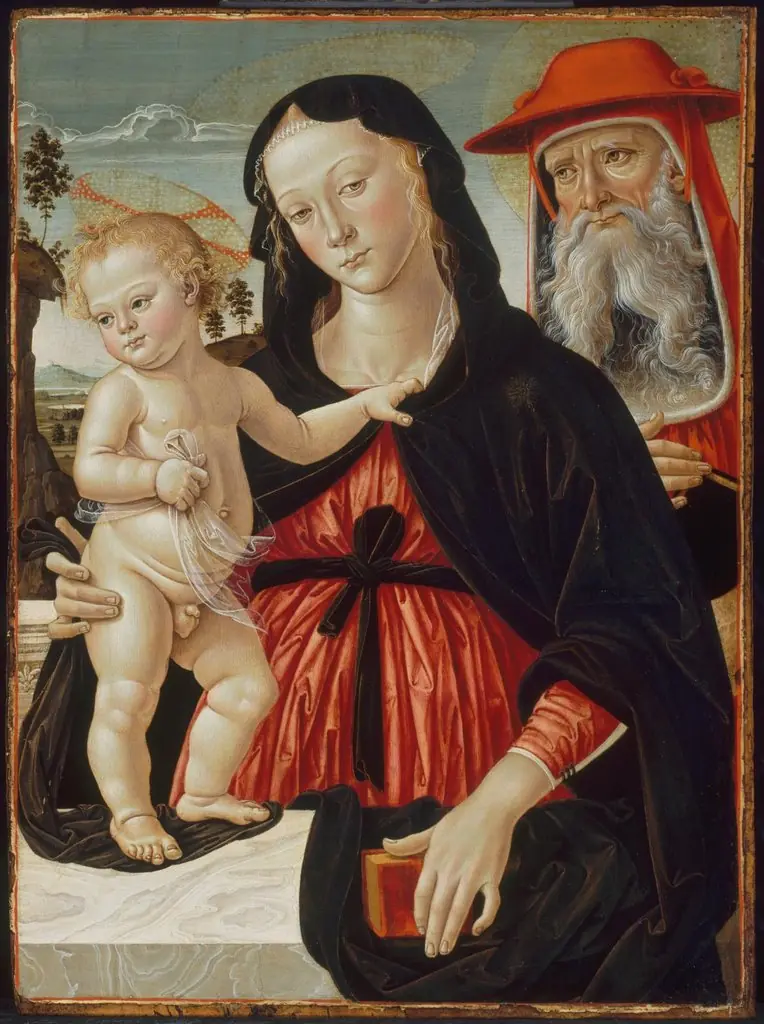 Virgin and Child with Saint Jerome
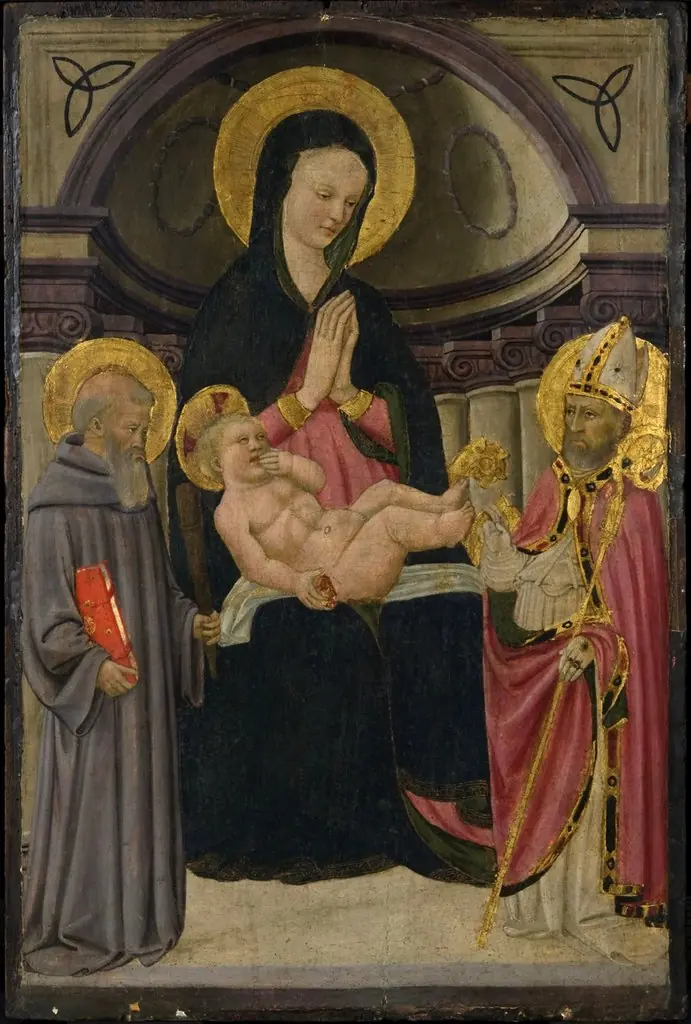 Virgin and Child Enthroned with Saint Benedict and a Bishop Saint