Artwork
Presentation of Jesus
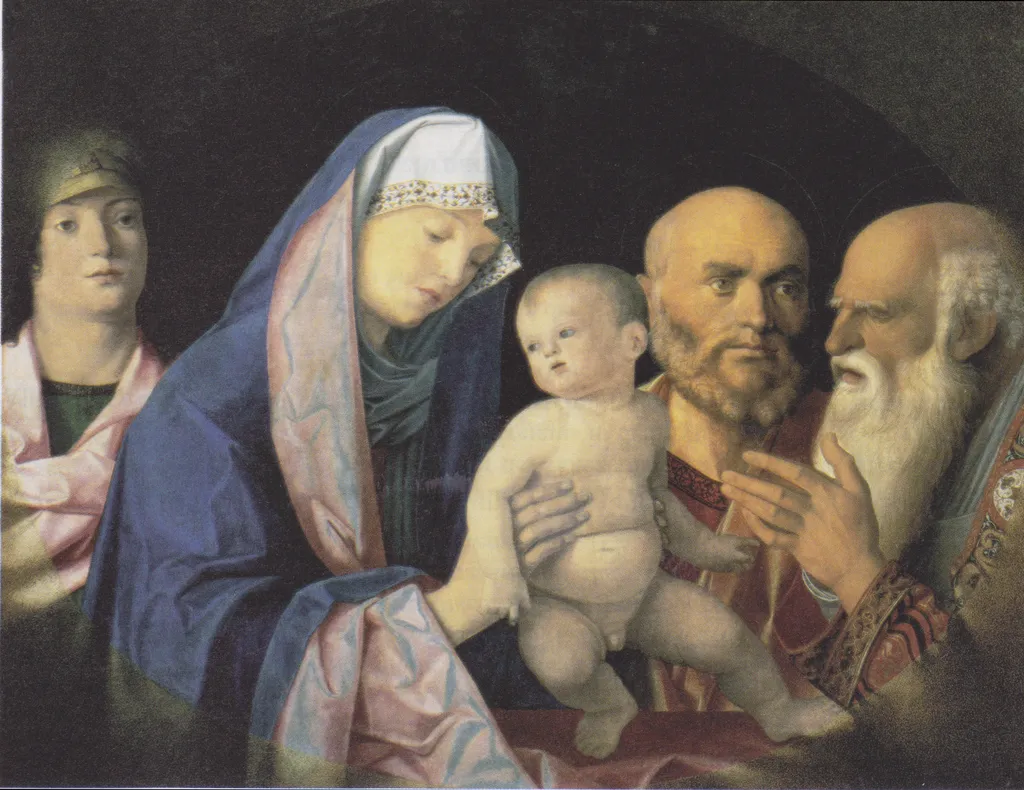
Presentation of Jesus is an unspecified painting by the High Renaissance artist Giovanni Bellini. It dates from 1500 and is held in the collection of the Kunsthistorisches Museum.
About this work
Overview
Painted around 1500 by Giovanni Bellini, this work depicts the ritual presentation of the infant Jesus at the Temple, as described in the Gospel of Luke.
Painted around 1500 by Giovanni Bellini, this work depicts the ritual presentation of the infant Jesus at the Temple, as described in the Gospel of Luke. Executed during the High Renaissance, it exemplifies Bellini’s mature style, characterized by quiet solemnity and refined chromatic harmony. The painting resides in the Kunsthistorisches Museum in Vienna, part of a broader tradition of devotional imagery favored in Venetian churches and private collections of the era.
Subject & Meaning
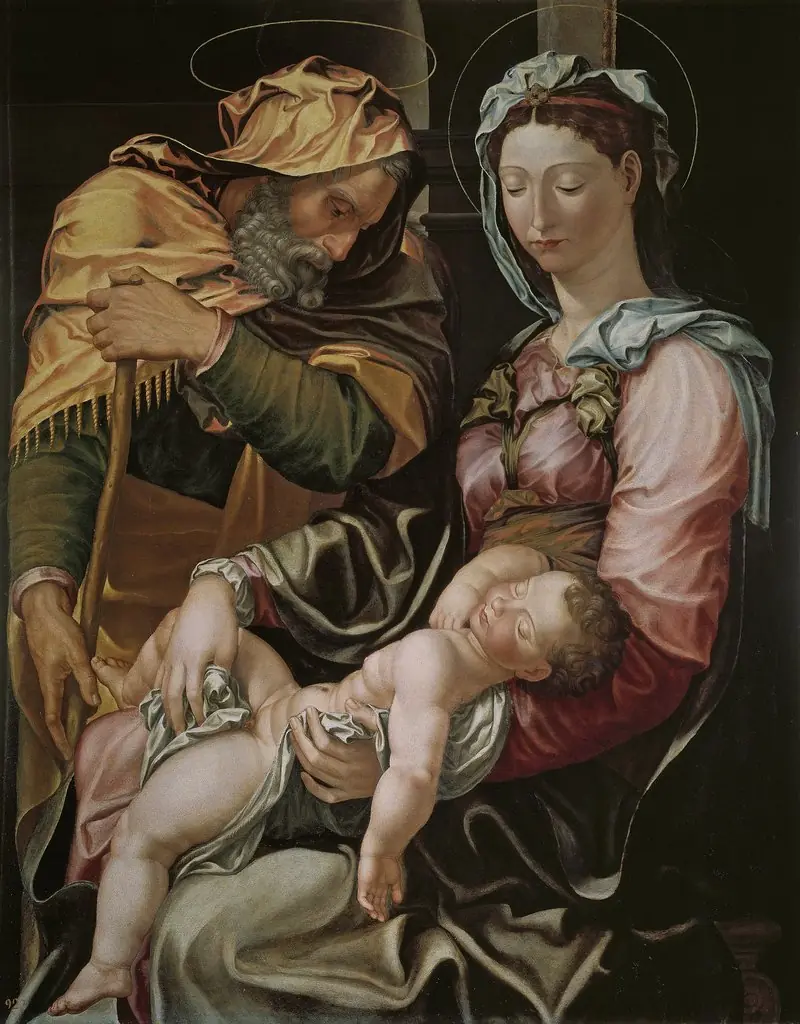
The scene illustrates the moment when Mary and Joseph present Jesus to the priest Simeon, fulfilling Jewish law. Simeon, one of the men in the group, holds the child while another figures offers a pair of turtledoves, the prescribed offering. The composition emphasizes reverence and tenderness, framing the sacred event as an intimate family moment rather than a grand ceremonial act, aligning with Renaissance humanism’s focus on emotional authenticity.
Technique & Style
Bellini employs soft transitions between light and shadow, a hallmark of his Venetian approach, to model forms with subtle gradations rather than sharp contours. The deep, matte background isolates the figures, enhancing their emotional weight. The Virgin’s blue robe, rendered with layered pigments, anchors the composition visually and symbolically, while the textures of fabrics and skin are rendered with quiet precision, avoiding theatricality.
History & Provenance
The painting entered the Habsburg collections in the early 17th century, likely acquired through diplomatic or ecclesiastical channels. It has remained in Vienna since, housed in the Kunsthistorisches Museum since its founding in 1891. Its continuous presence in imperial collections underscores its recognized status among Renaissance works, though it was never widely reproduced or publicly celebrated beyond scholarly circles.
Context
Bellini painted this during a period when Venetian artists were increasingly influenced by humanist ideals and northern European detail. While his brother-in-law Mantegna favored dramatic line and classical form, Bellini leaned into atmospheric depth and color harmony. This work reflects a broader shift in religious art toward emotional accessibility, where sacred narratives were rendered with psychological nuance rather than symbolic rigidity.
Legacy
Though less famous than Bellini’s later altarpieces, this painting illustrates his pivotal role in evolving Venetian painting’s emotional language. His use of light and color here influenced successors like Titian and Giorgione, who expanded his tonal innovations. The work remains a quiet testament to his ability to convey spiritual gravity through restraint, setting a precedent for the devotional intimacy of later Renaissance art.
Own this work as a print
Artist & collection
Artist
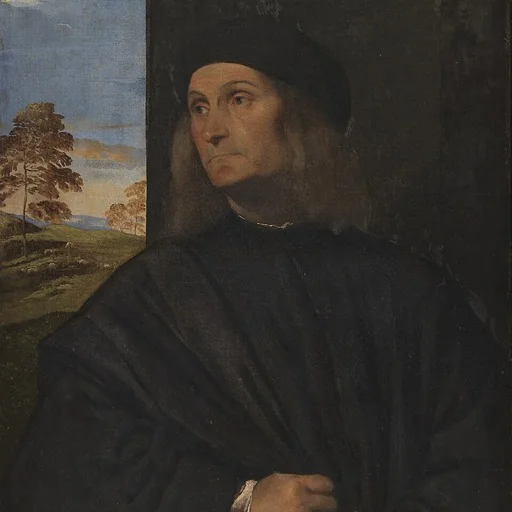
Giovanni Bellini spent his life in Venice, where the city’s soft light and water shaped his view of the world.



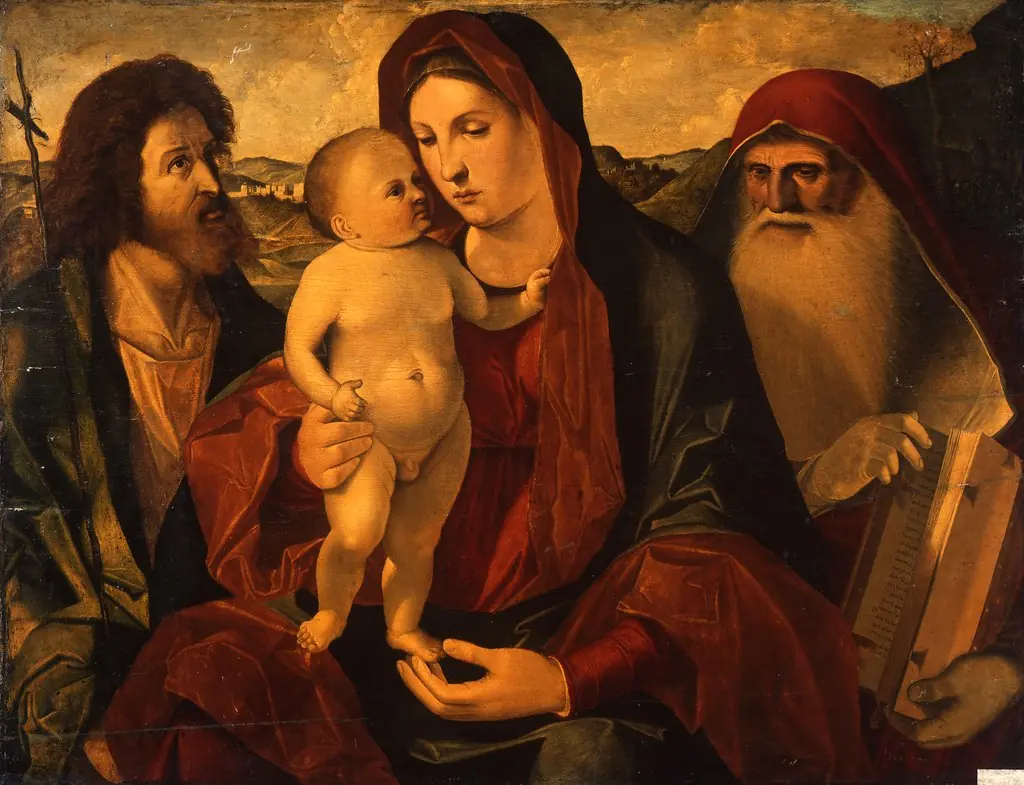 The Virgin and the Child with St. John the Baptist and St. Jerome
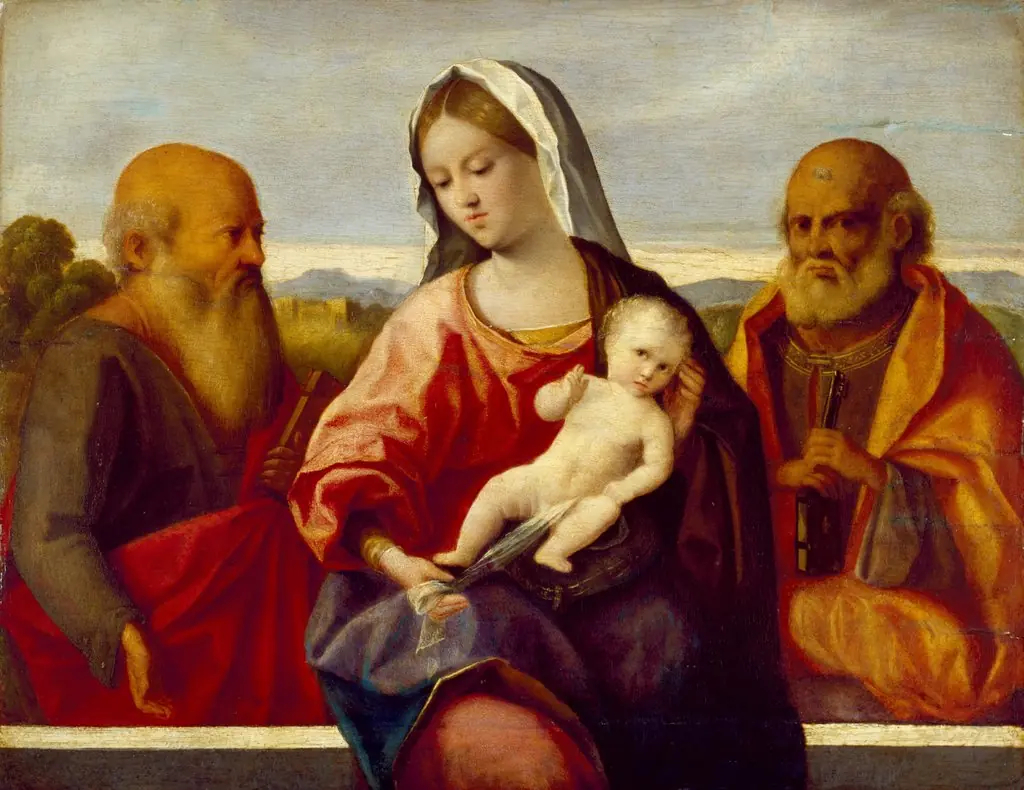 Madonna and Child with Saints Peter and Paul
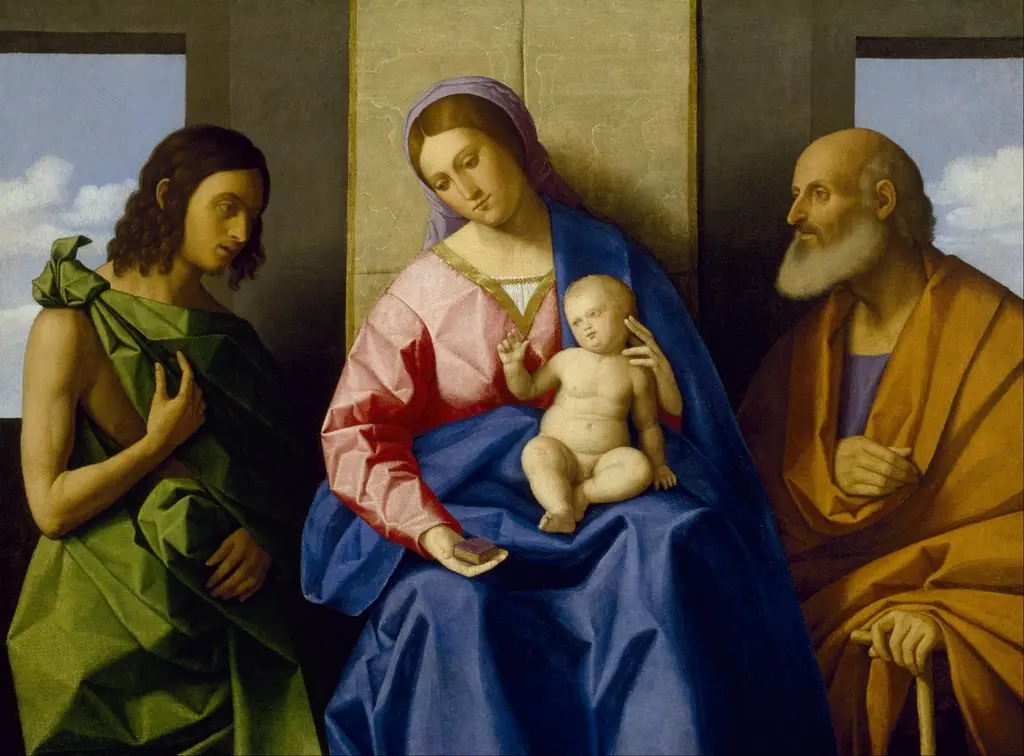 Virgin and Child with Saints John the Baptist and Joseph
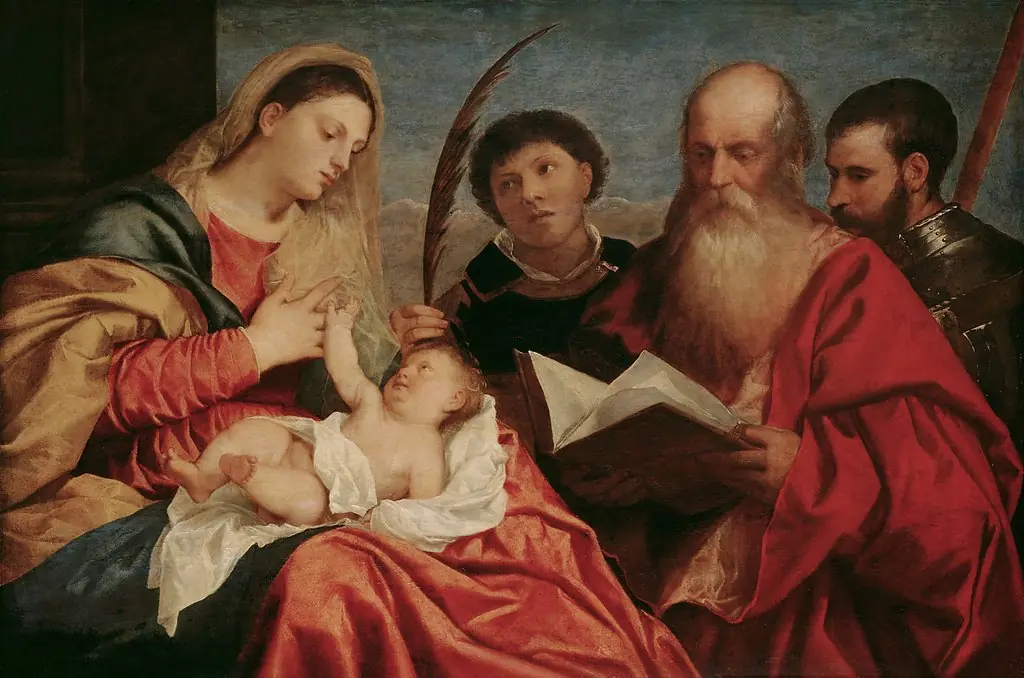 Virgin and Child with Saints Stephen, Jerome and Maurice
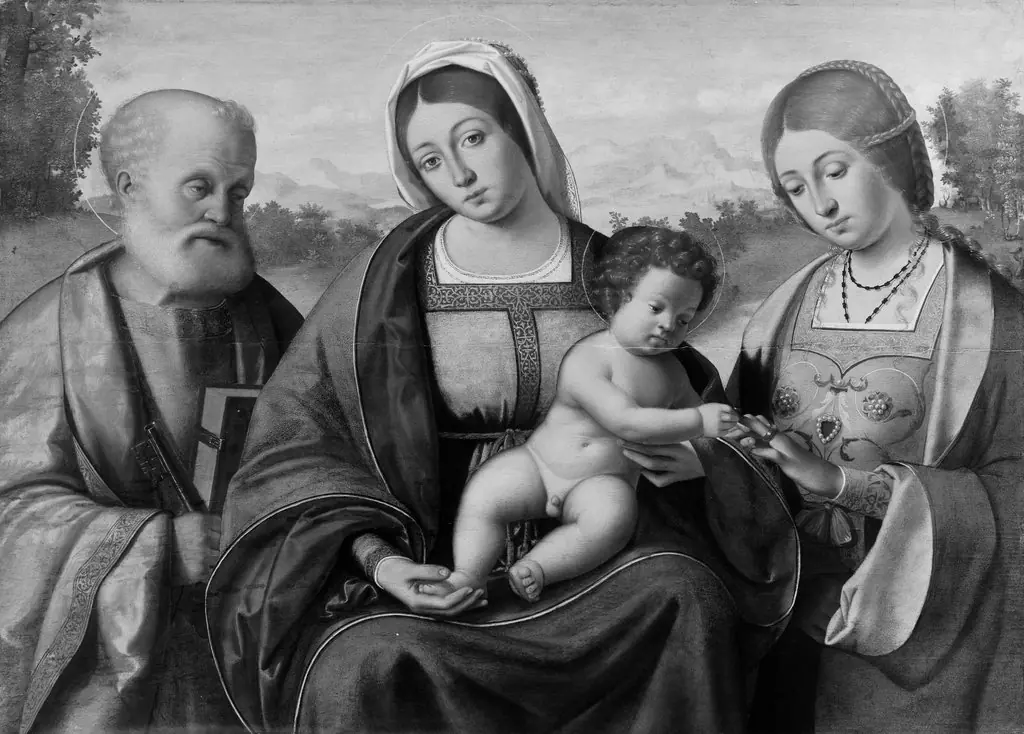 The engagement of Saint Catherine
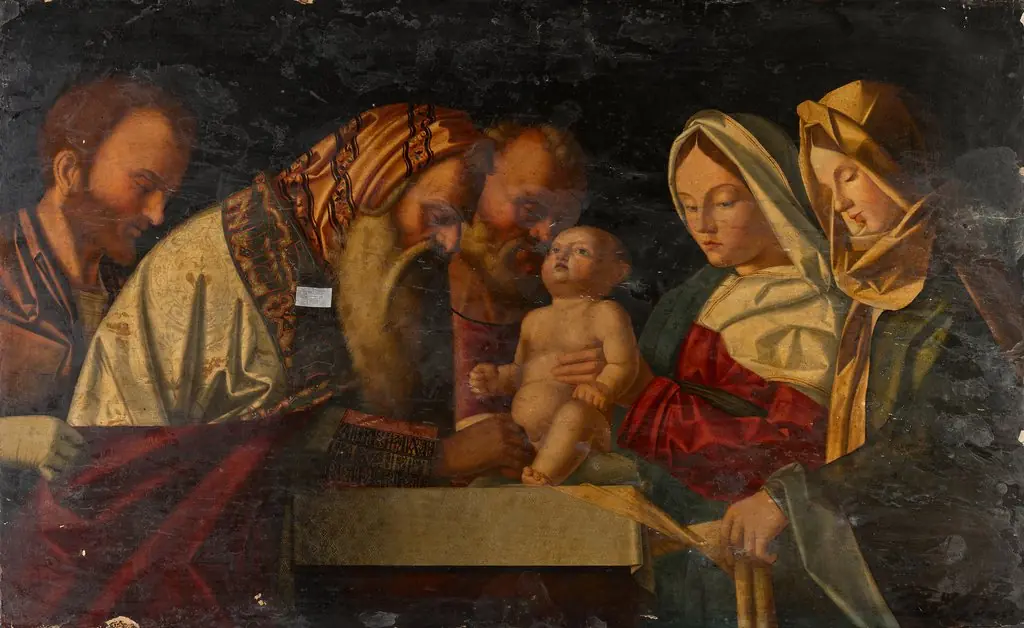 Circumcision of Christ
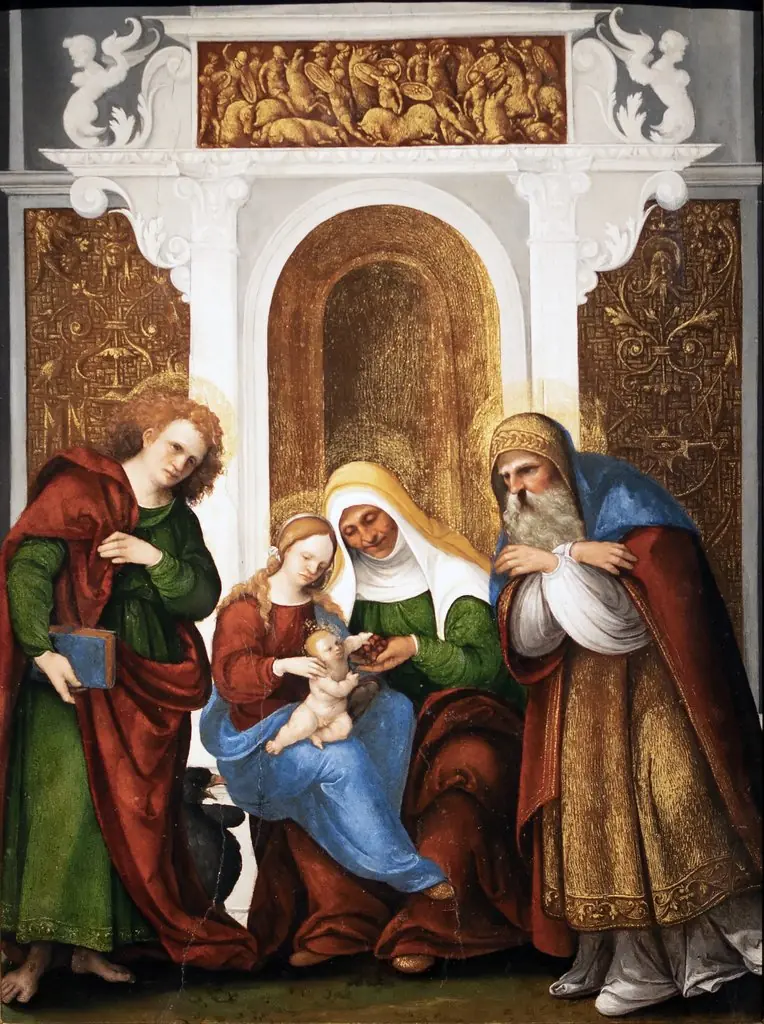 Madonna with Child and Saints
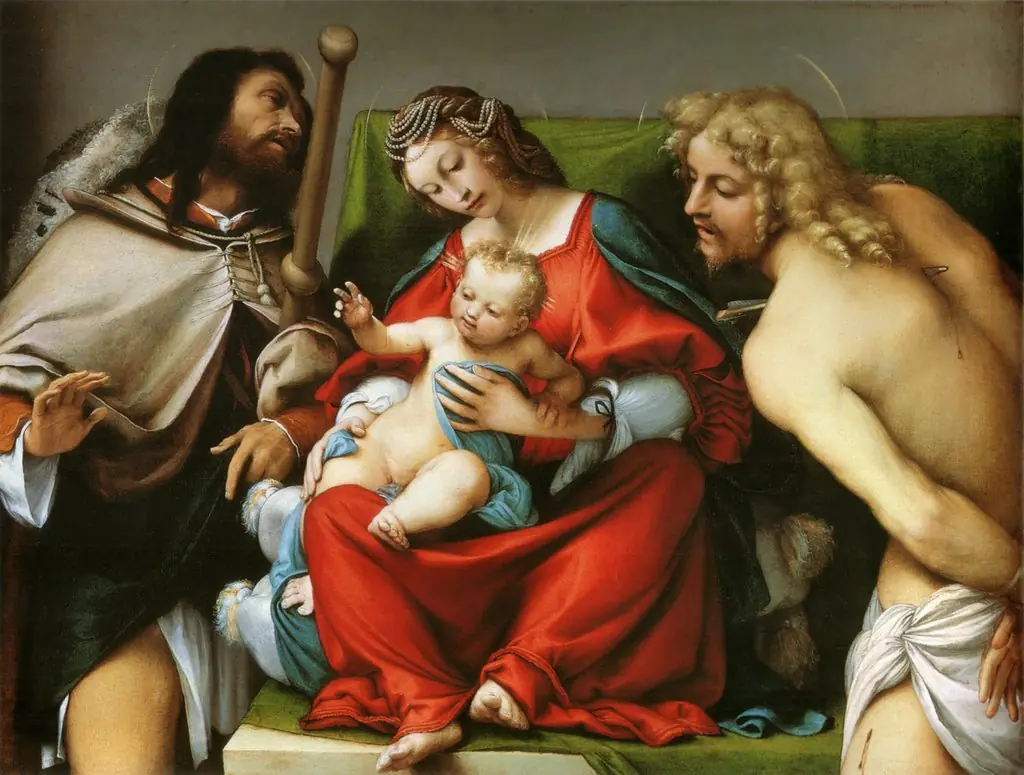 Madonna with the Child and Sts Rock and Sebastian
 La Sagrada Familia