Artwork
Bust of Madame Cezanne [verso]
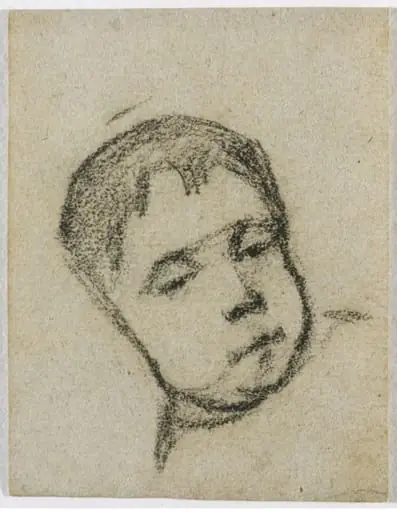
![Bust of Madame Cezanne [verso], by Paul Cezanne, graphite, 1884](https://artifactworldgallery.com/img/paul-cezanne--bust-of-madame-cezanne-verso--8686f7640dae3212-w1024.webp)
Bust of Madame Cezanne [verso] is a graphite drawing by the Impressionist artist Paul Cezanne. It dates from 1884 and is held in the collection of the National Gallery of Art.
About this work
Overview
Paul Cezanne produced this graphite drawing in 1884. It depicts a half‑length portrait of a woman, presumed to be his wife, shown from the shoulders upward. The figure’s head is subtly turned to the right, her gaze directed downward, and she is dressed in a high‑necked garment with her hair gathered at the back.
Subject & Meaning
The work captures a moment of introspection; the sitter’s lowered eyes and composed posture suggest a private, contemplative mood. By focusing on a single, intimate pose, Cezanne emphasizes the personal character of the subject rather than narrative detail, inviting viewers to consider her inner life.
Technique & Style
Executed entirely in graphite, the drawing exploits a broad spectrum of tonal values. Deep shadows define the planes of the face, while lighter strokes render the folds of the clothing. The handling of light and shade reflects Cezanne’s interest in form and volume, aligning the piece with the observational concerns of late‑19th‑century Realism and early Impressionist practice.
Context
Created during a period when Cezanne was refining his approach to structure and perception, the drawing predates his later, more abstracted canvases. It illustrates his transitional phase, where meticulous draftsmanship coexisted with an emerging emphasis on the effects of light, a prelude to his influential role in modern art.
Artist & collection
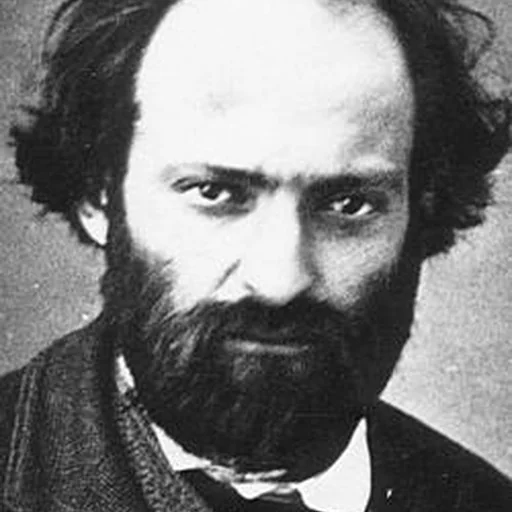
Artist
Paul Cézanne was born on January 19, 1839, in Aix-en-Provence, the son of a hatter turned wealthy banker.

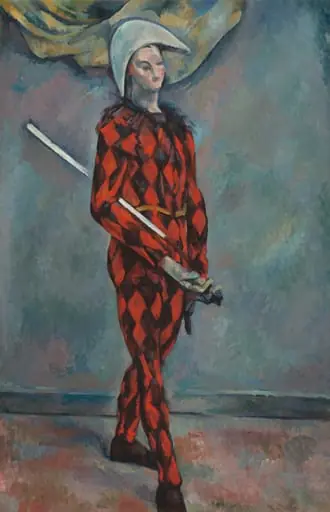 Harlequin
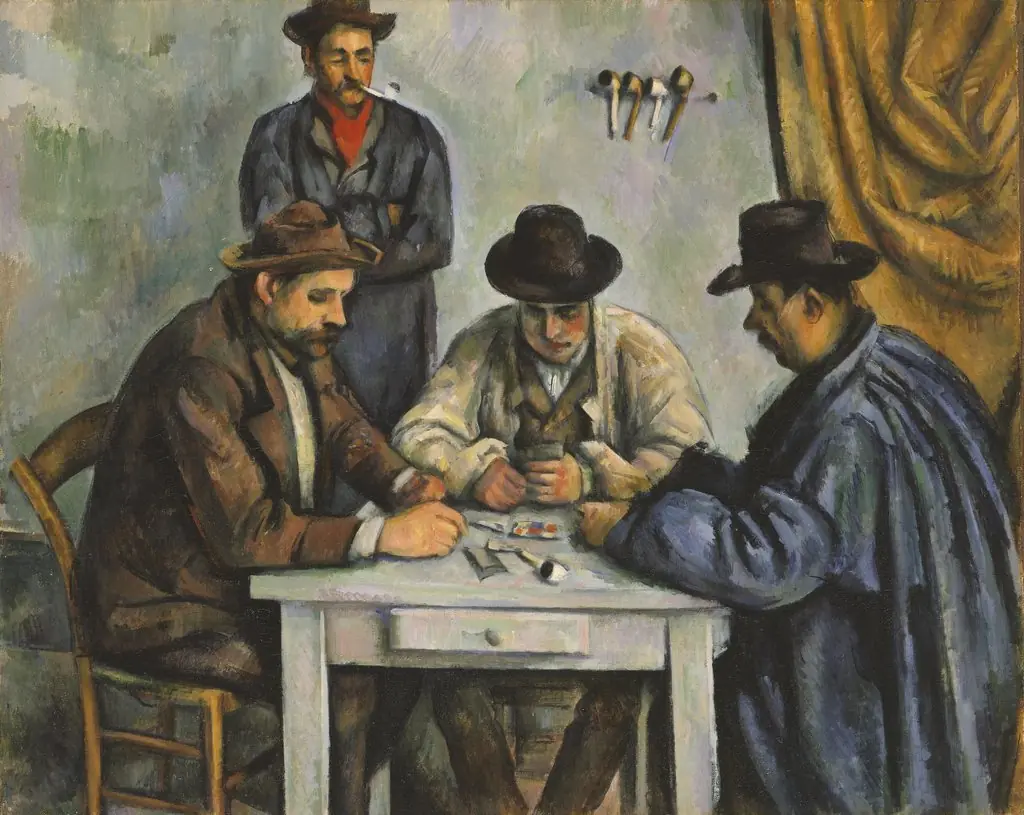 The Card Players
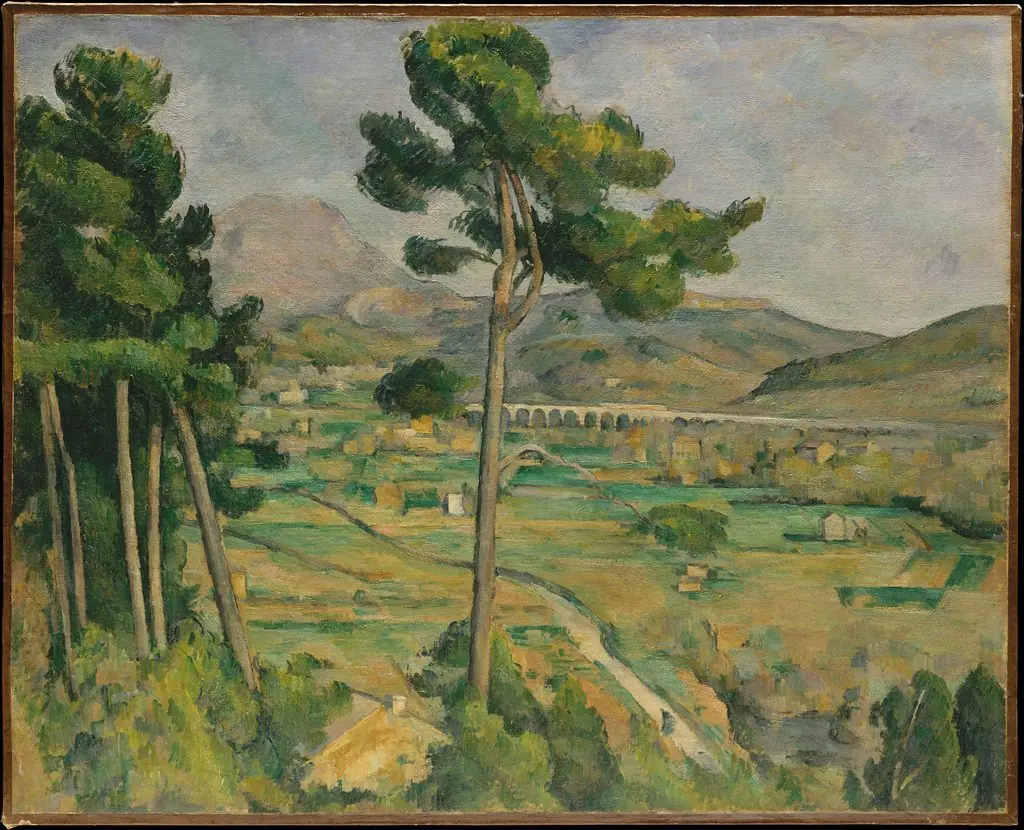 Mont Sainte-Victoire and the Viaduct of the Arc River Valley
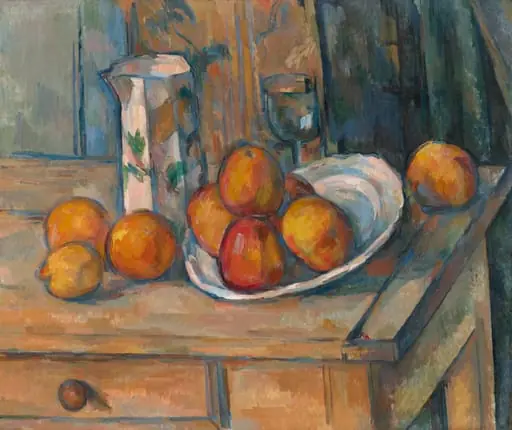 Still Life with Milk Jug and Fruit
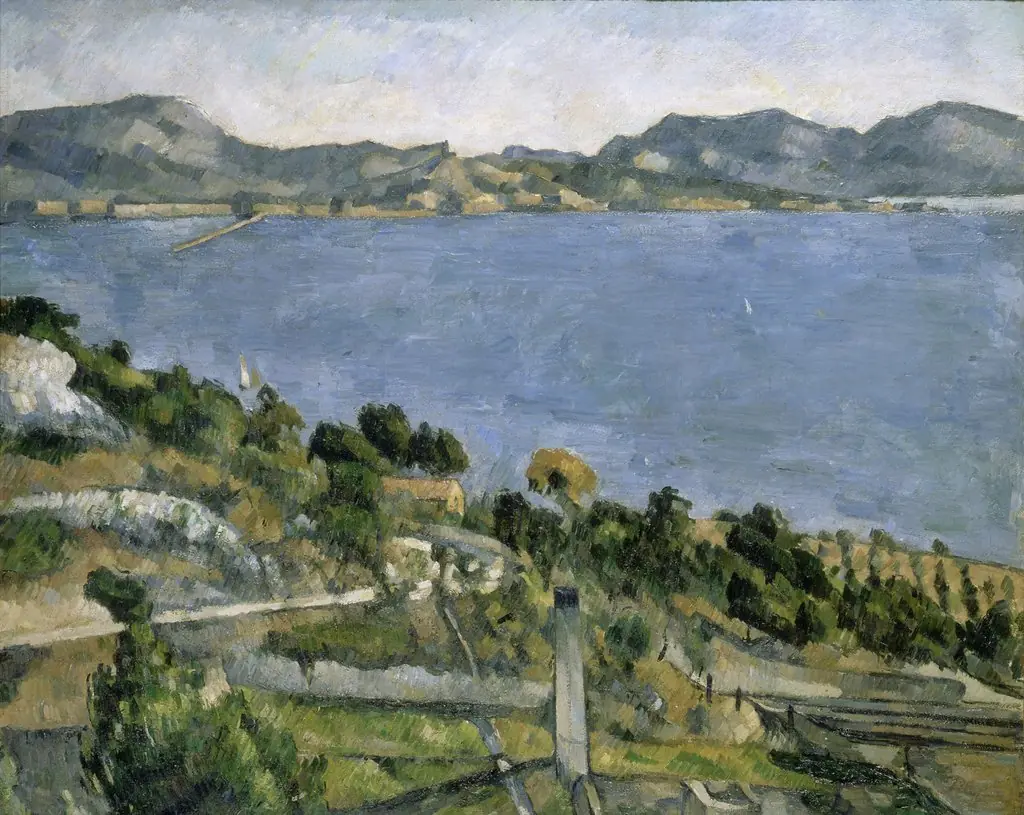 Le Golfe de Marseille vu de l'Estaque (The Gulf of Marseille Seen from L'Estaque)
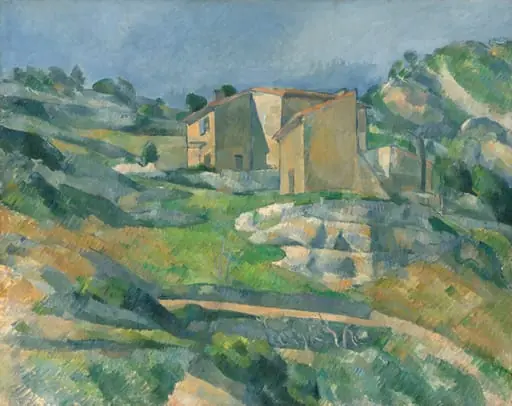 Houses in Provence: The Riaux Valley near L'Estaque
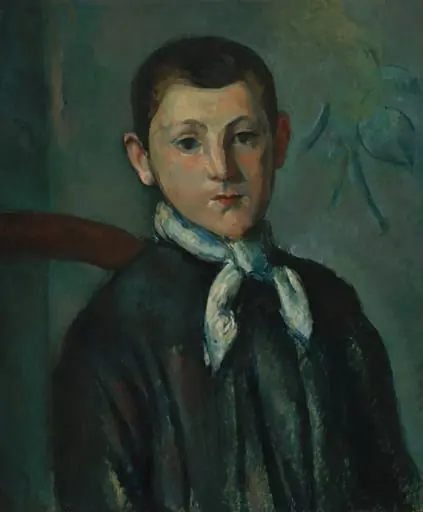 Louis Guillaume
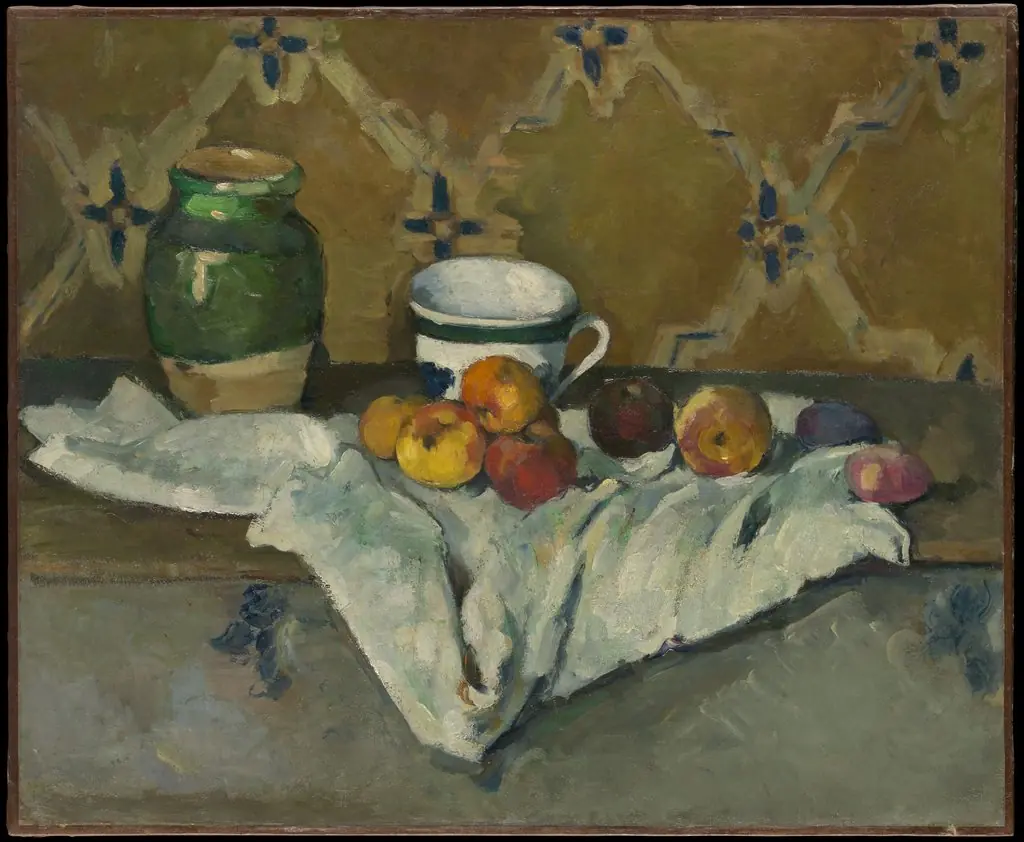 Still Life with Jar, Cup, and Apples
![Two Cow's Heads [verso], by Paul Gauguin](https://artifactworldgallery.com/img/paul-gauguin--two-cow-s-heads-verso--d880ac31a237a947-w320.webp)
![Young Woman Seated at a Piano [verso], by Jean-Louis Forain](https://artifactworldgallery.com/img/jean-louis-forain--young-woman-seated-at-a-piano-verso--f5291ade50c6856d-w320.webp)
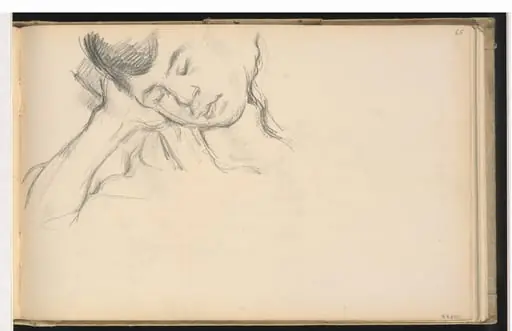
![Father of the Artist [verso], by Paul Cezanne](https://artifactworldgallery.com/img/paul-cezanne--father-of-the-artist-verso--74e24a3aa4f42c1a-w320.webp)