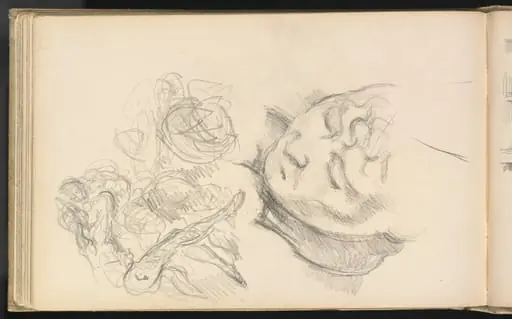
Artwork
Madame Cezanne
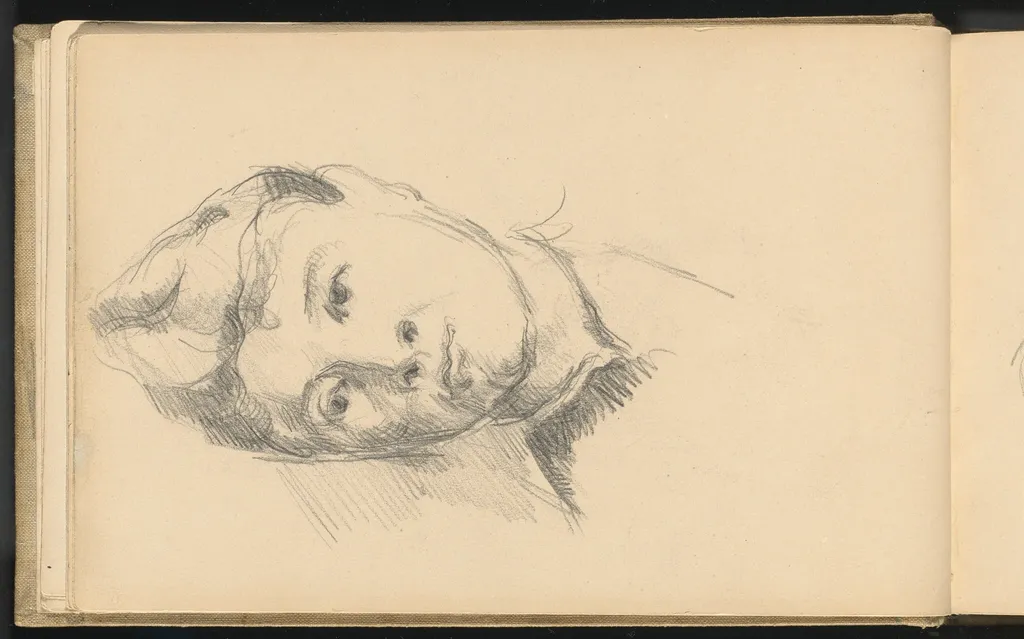
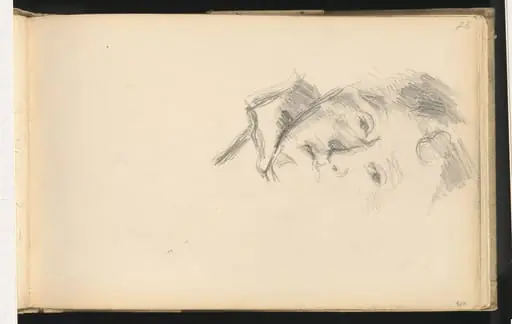
Madame Cezanne is a graphite drawing by the Impressionist artist Paul Cezanne. It dates from 1888 and is held in the collection of the National Gallery of Art.
About this work
Overview
Executed on a sheet of wove paper with a faint yellow tone, the work bears the irregular edge of a page torn from a sketchbook.
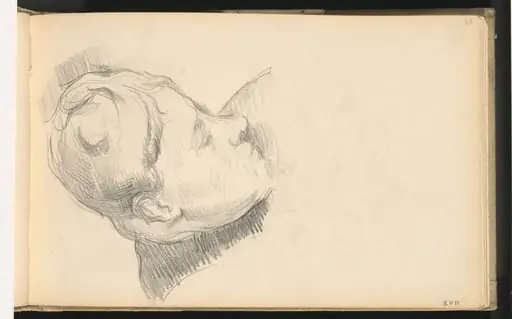
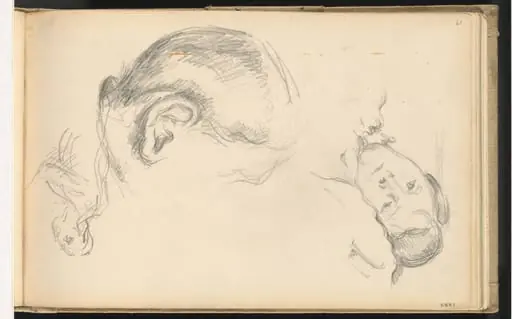
This graphite drawing, dated 1888, depicts the head and shoulders of Madame Cezanne, the artist’s wife. Executed on a sheet of wove paper with a faint yellow tone, the work bears the irregular edge of a page torn from a sketchbook. The composition is stripped of fine detail, emphasizing form through broad, rapid strokes rather than precise features, reflecting its function as a study rather than a finished portrait.
Subject & Meaning
The subject is Hortense Fiquet, Cezanne’s wife and frequent model, rendered without identifying traits such as eyes or lips. Her presence is conveyed through the weight of shadow and the contour of her posture. The absence of facial detail suggests an interest in presence over personality, aligning with Cezanne’s broader pursuit of structural truth in portraiture rather than psychological narrative.
Technique & Style
Cezanne employed loose, economical pencil lines to define volume through tonal contrast rather than outline. Dark areas dominate, with minimal highlights suggesting hair and the edge of a collar. The drawing avoids blending or smudging, relying instead on the pressure and direction of strokes to model form. This method prioritizes immediacy and structural clarity, typical of his preparatory studies for larger works.
History & Provenance
The drawing originates from Cezanne’s personal sketchbook, likely used during sessions with his wife at their home in Aix-en-Provence. Its torn edge indicates it was removed from a bound volume, a common practice among artists reusing or isolating studies. Its survival as a standalone sheet suggests later recognition of its artistic value, though it was never intended for public display.
Context
In the late 1880s, Cezanne increasingly turned to intimate, repetitive studies of his wife as a means to explore form and perception. These drawings were part of a broader shift away from Impressionist spontaneity toward a more analytical approach to composition. The work reflects his engagement with the underlying geometry of the human figure, anticipating later developments in modernist portraiture.
Legacy
This drawing exemplifies Cezanne’s influence on 20th-century modernism through its reduction of the figure to essential planes and tones. Its emphasis on structure over detail resonated with artists like Picasso and Braque, who adopted similar methods in their early Cubist experiments. Though modest in scale, it remains a key document in understanding his methodical redefinition of representation.
Artist & collection
Artist
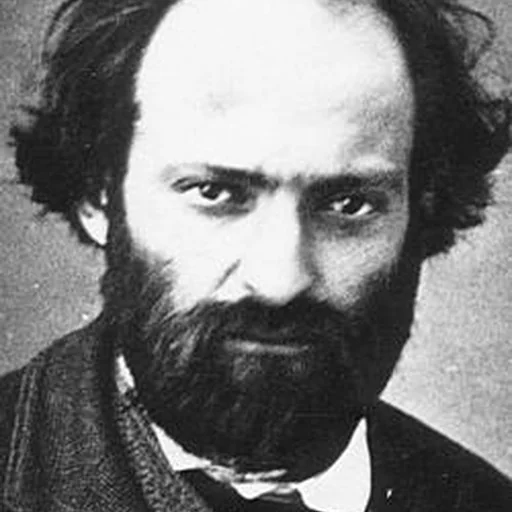
Paul Cézanne was born on January 19, 1839, in Aix-en-Provence, the son of a hatter turned wealthy banker.

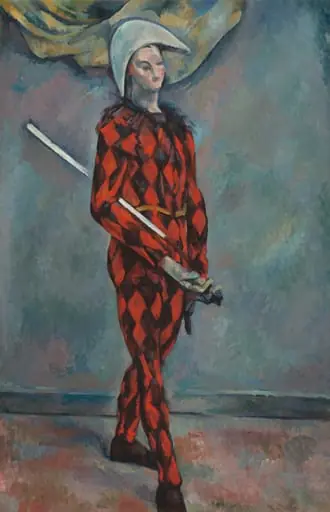 Harlequin
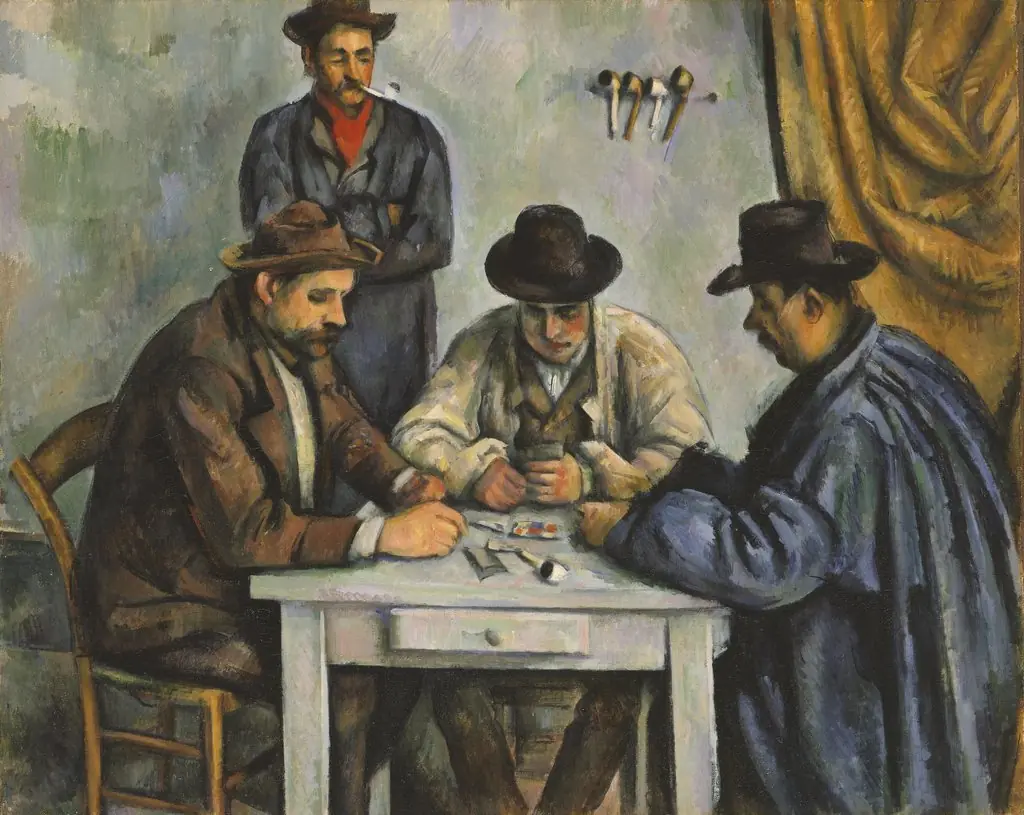 The Card Players
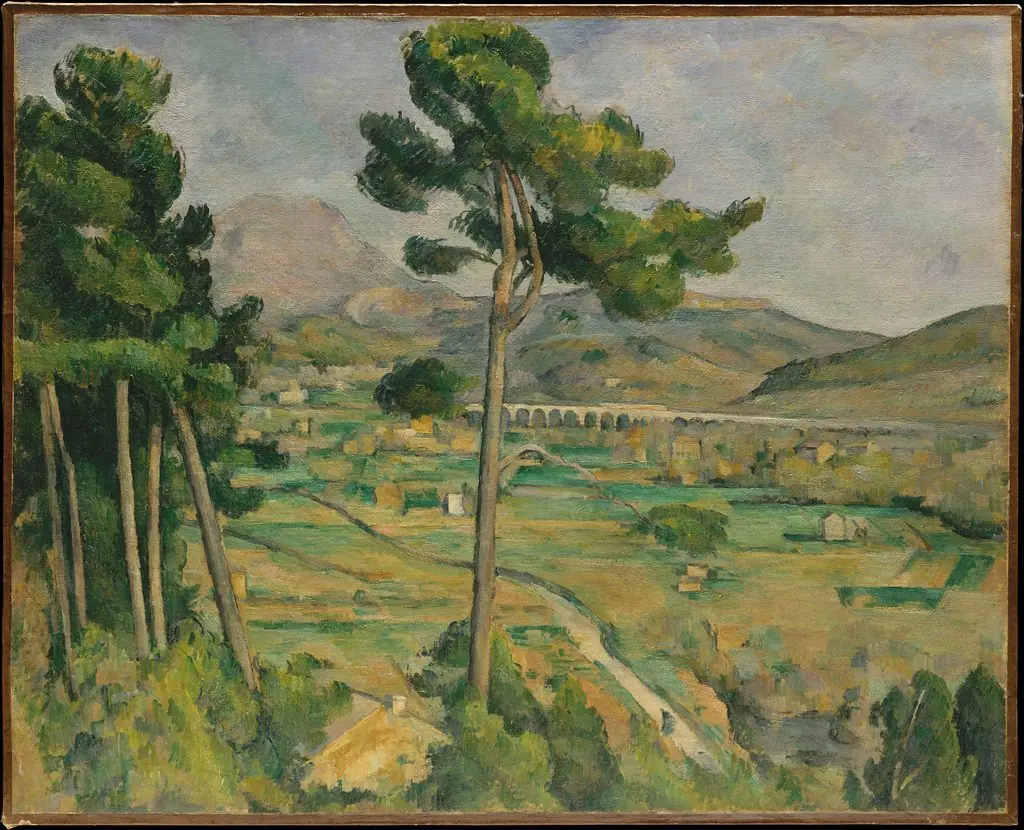 Mont Sainte-Victoire and the Viaduct of the Arc River Valley
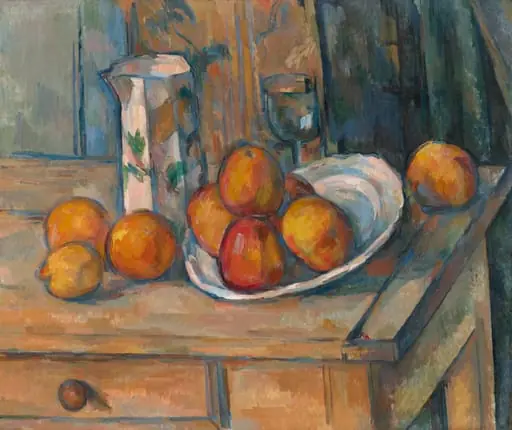 Still Life with Milk Jug and Fruit
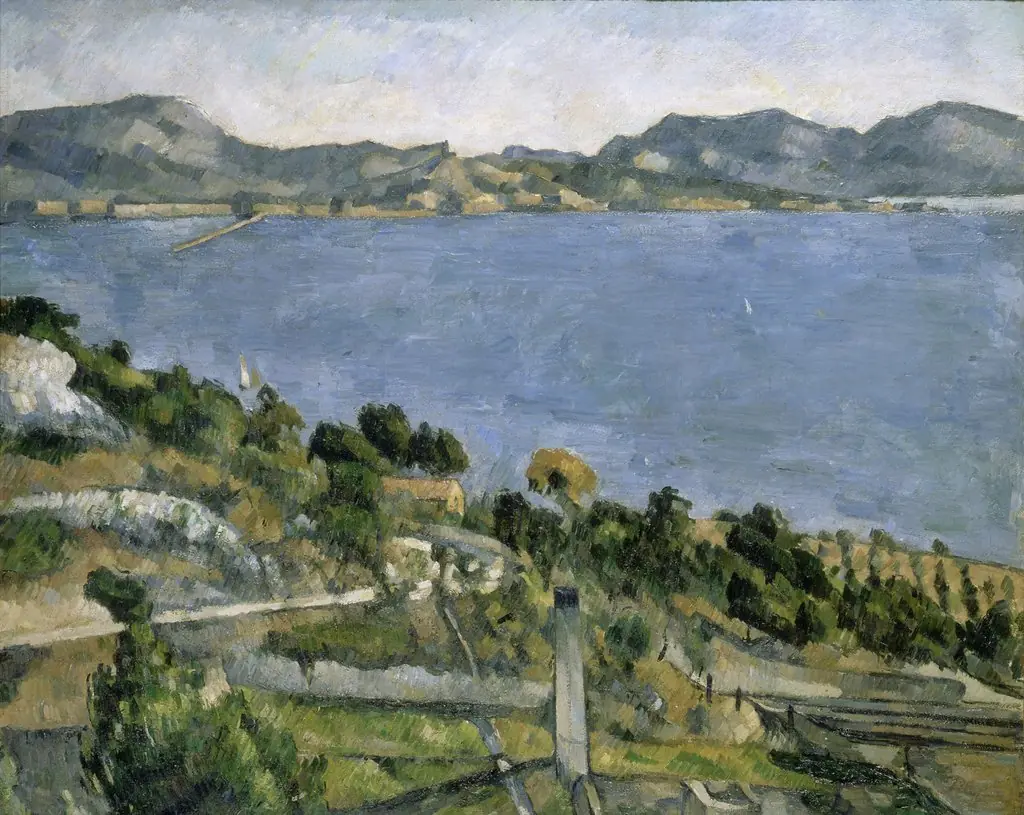 Le Golfe de Marseille vu de l'Estaque (The Gulf of Marseille Seen from L'Estaque)
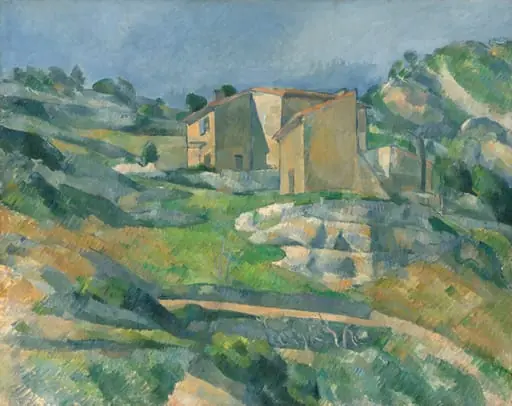 Houses in Provence: The Riaux Valley near L'Estaque
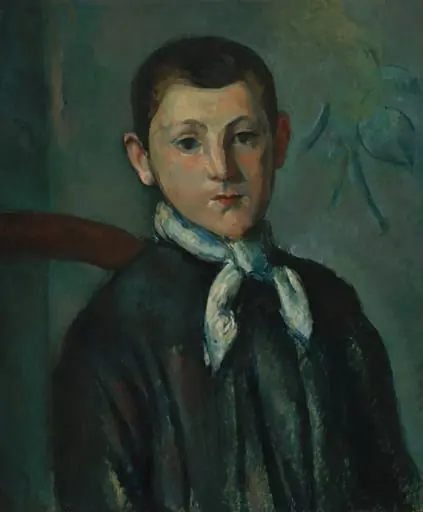 Louis Guillaume
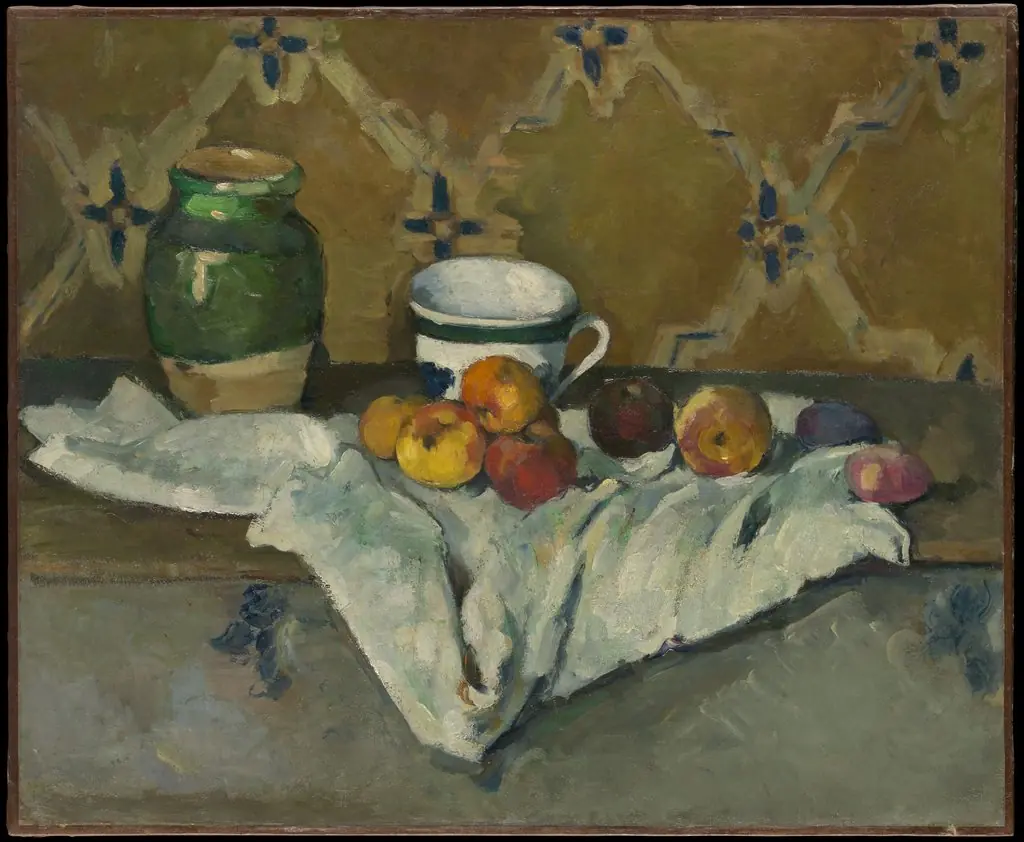 Still Life with Jar, Cup, and Apples
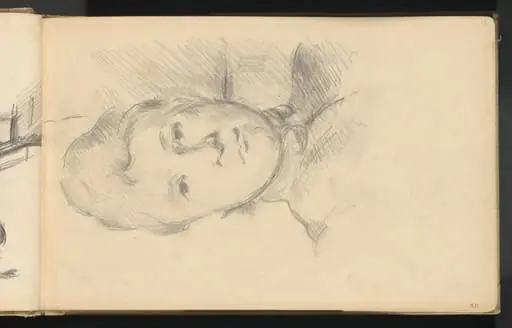
![Bust of Madame Cezanne [verso], by Paul Cezanne](https://artifactworldgallery.com/img/paul-cezanne--bust-of-madame-cezanne-verso--8686f7640dae3212-w320.webp)