Artwork
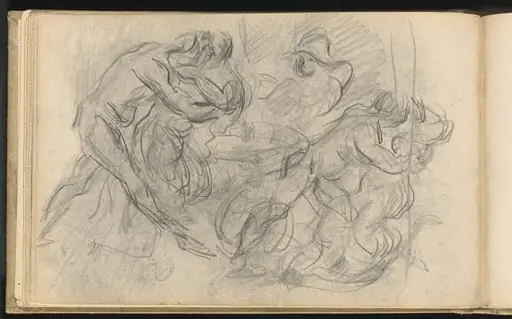
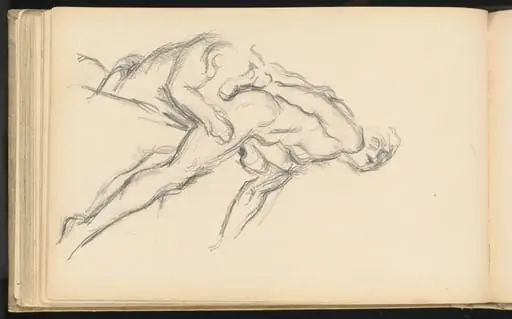
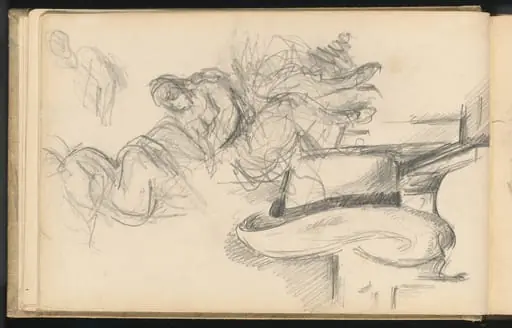
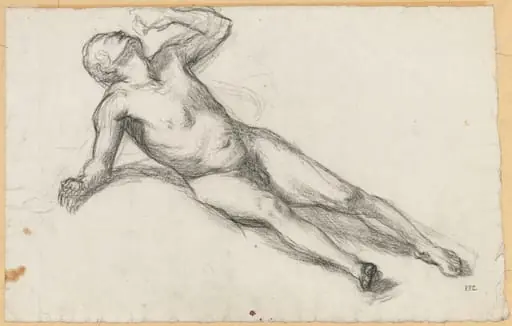
Study of the Allegorical Figure France in Rubens' "The Exchange of the Two Princesses"
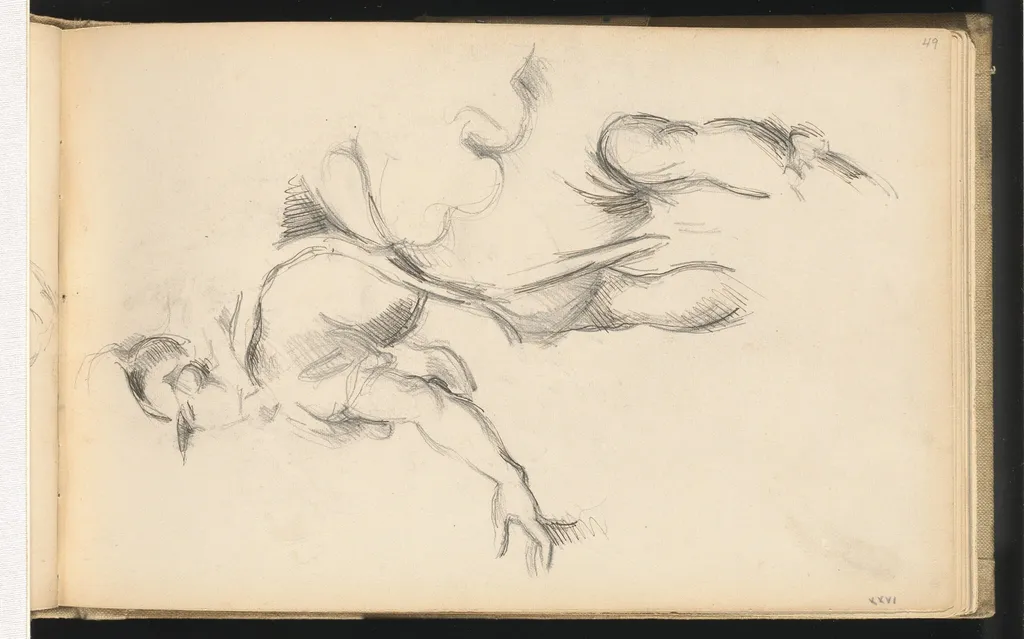
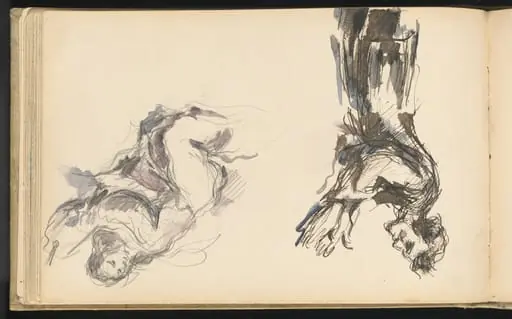
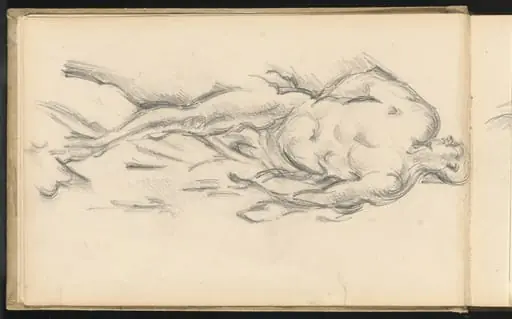
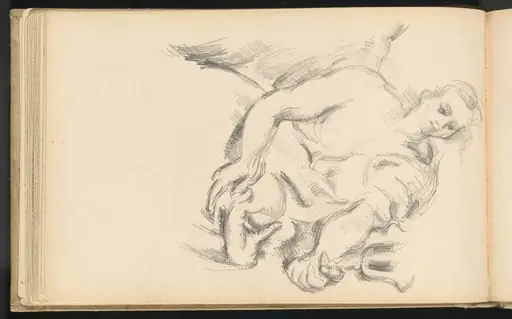
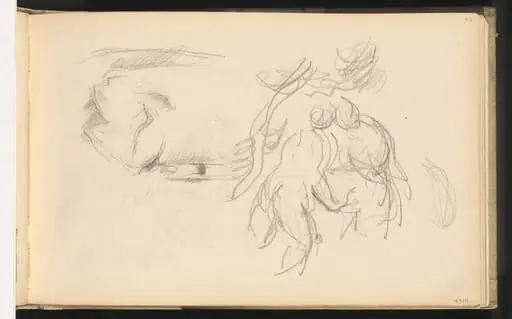
Study of the Allegorical Figure France in Rubens' "The Exchange of the Two Princesses" is an ink drawing by the Impressionist artist Paul Cezanne. It dates from 1884 and is held in the collection of the National Gallery of Art.
About this work
Overview
This drawing is a study of the allegorical figure representing France, based on a character from Peter Paul Rubens' work 'The Exchange of the Two Princesses'. Created in 1884, it is executed in graphite, pen, and brown ink on wove paper.
Subject & Meaning
The subject is an allegorical personification of France, adapted from Rubens' composition. The dynamic pose and expressive gestures convey a sense of energy and movement, characteristic of allegorical figures in art.
Technique & Style
The drawing features flowing lines, cross-hatching to achieve texture and depth, and expressive penwork, showcasing the artist's technical skill and attention to detail in capturing the figure's vitality.
History & Provenance
Created in 1884, this study is attributed to Paul Cezanne, though the original context of its creation (e.g., purpose, commission) is not specified in available information.
Context
This work reflects Cezanne's engagement with European artistic heritage, specifically Baroque allegory, as exemplified by Rubens. It demonstrates how 19th-century artists interacted with and reinterpreted earlier masterworks.
Legacy
As a study, its primary legacy lies in illustrating Cezanne's artistic process and his response to Rubens' allegorical figures, rather than as a standalone iconic work in his oeuvre.
Artist & collection
Artist
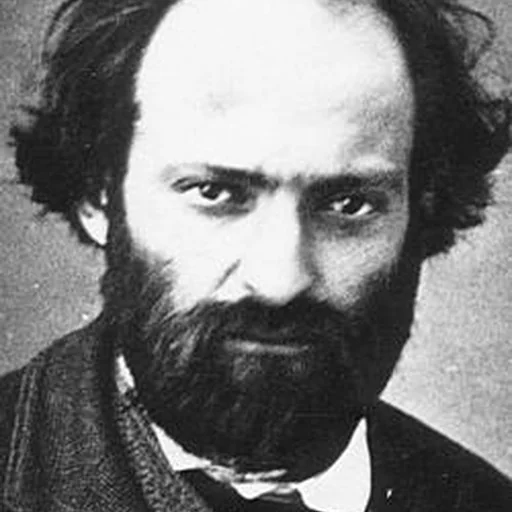
Paul Cézanne was born on January 19, 1839, in Aix-en-Provence, the son of a hatter turned wealthy banker.

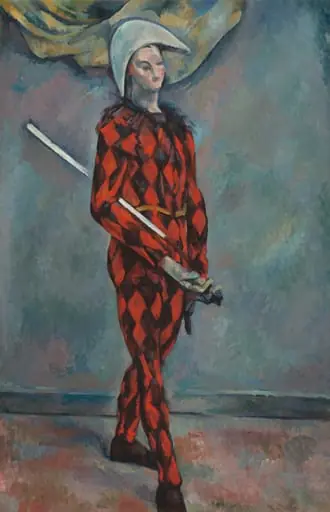 Harlequin
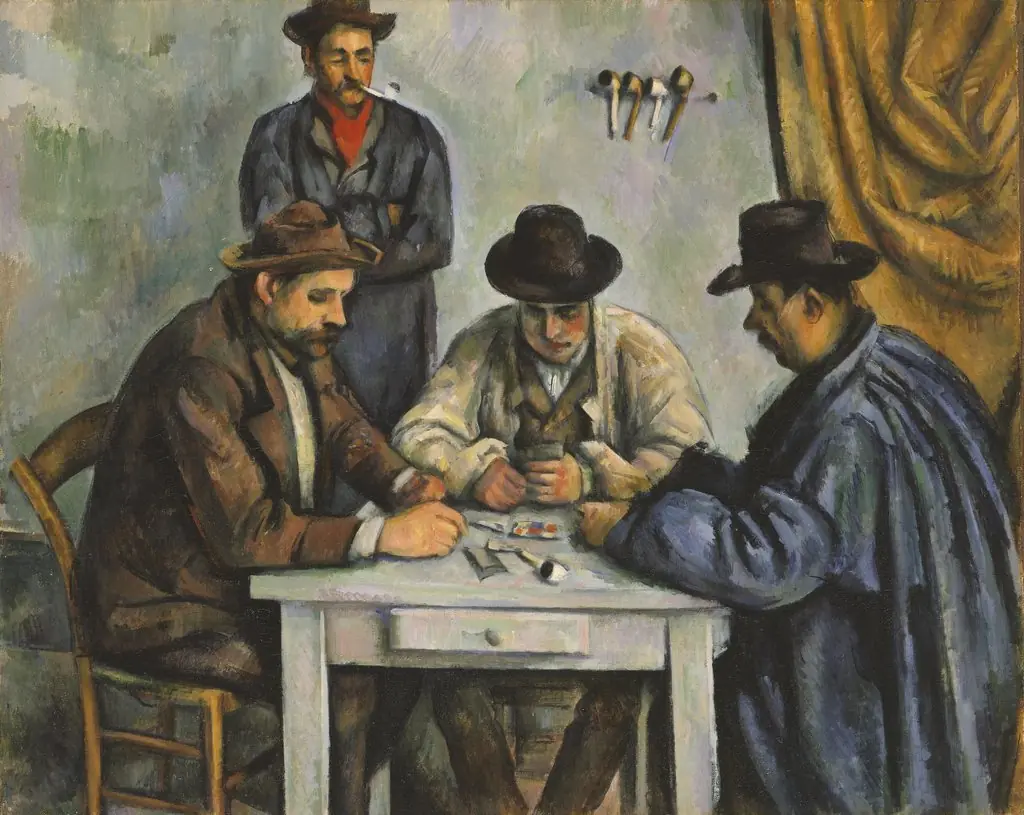 The Card Players
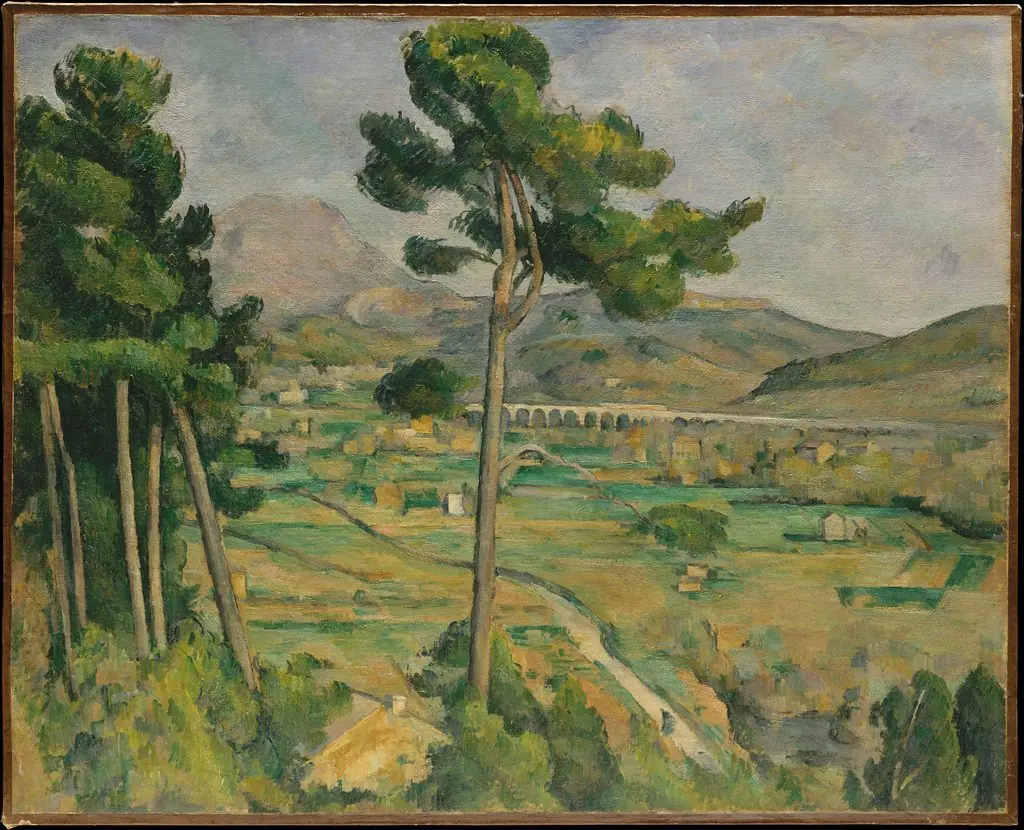 Mont Sainte-Victoire and the Viaduct of the Arc River Valley
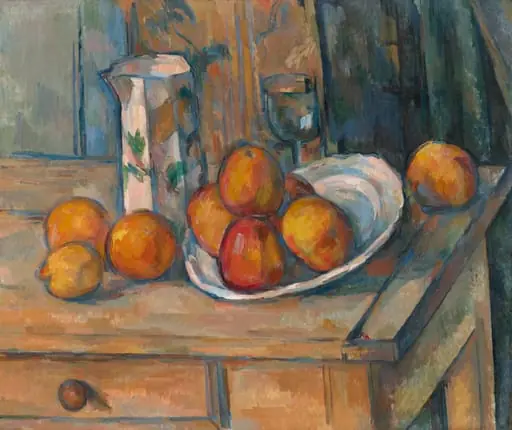 Still Life with Milk Jug and Fruit
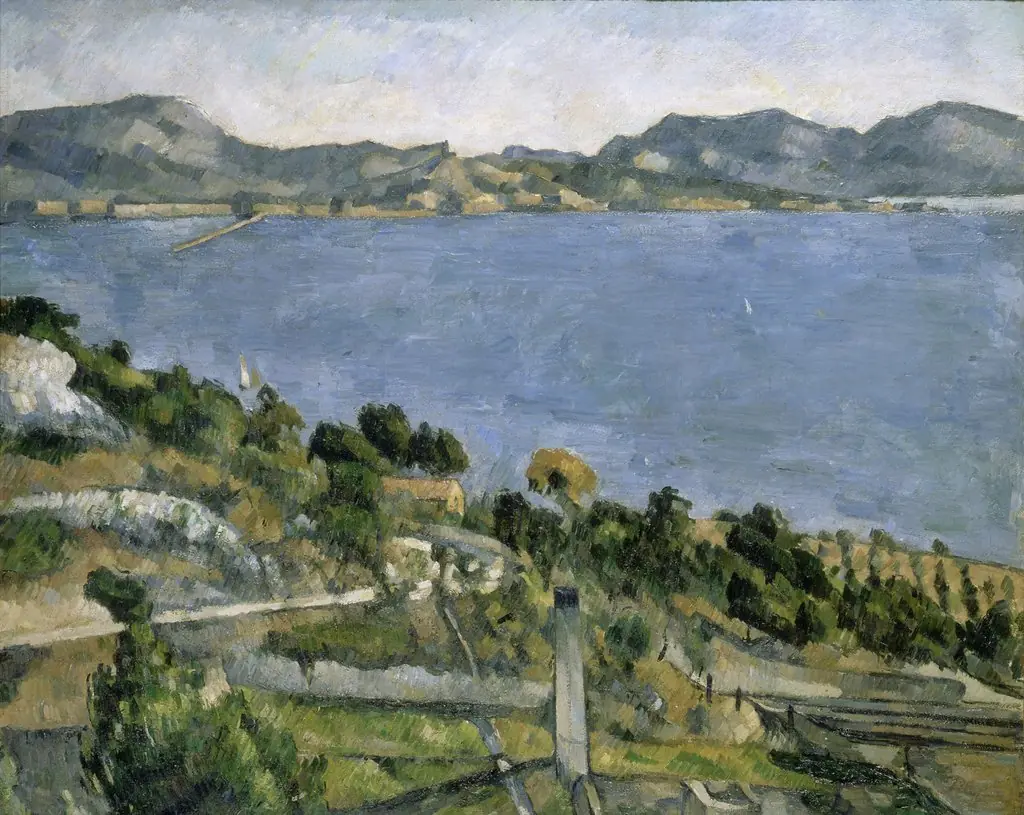 Le Golfe de Marseille vu de l'Estaque (The Gulf of Marseille Seen from L'Estaque)
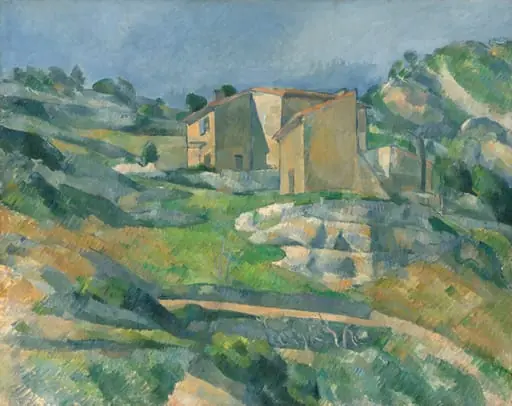 Houses in Provence: The Riaux Valley near L'Estaque
 Louis Guillaume
 Still Life with Jar, Cup, and Apples