Artwork
Carnival Scene
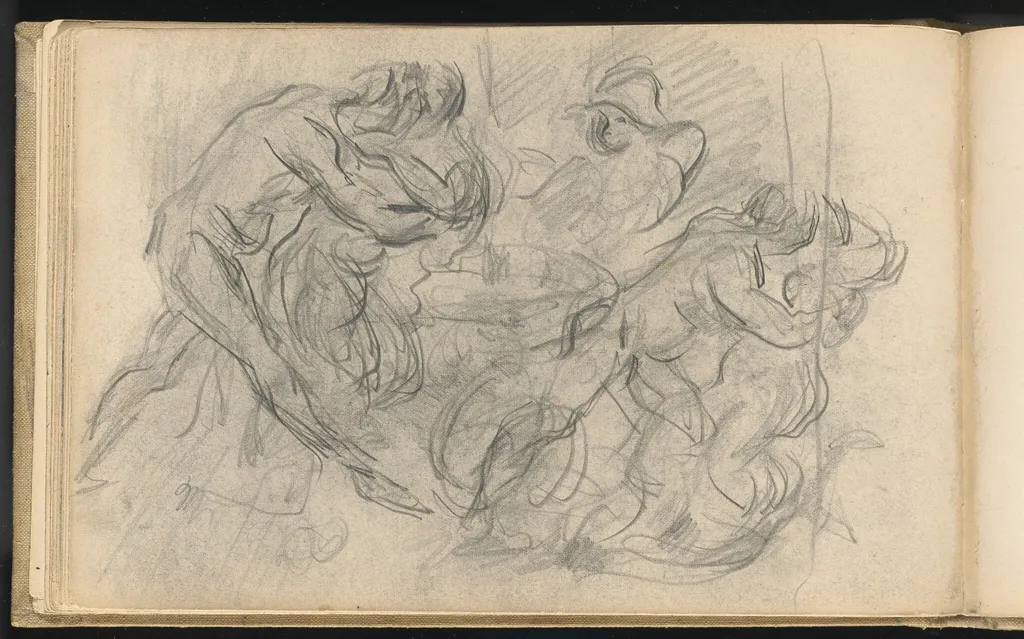
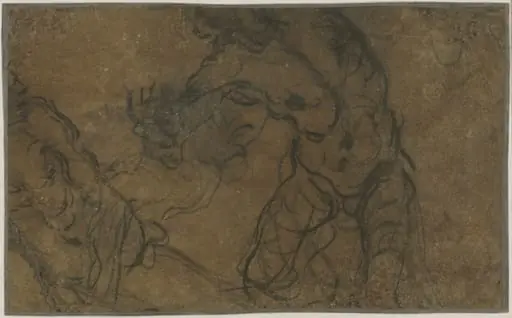
Carnival Scene is a graphite drawing by the Impressionist artist Paul Cezanne. It dates from 1886 and is held in the collection of the National Gallery of Art. Created in 1886, this graphite drawing by Paul Cézanne captures a fleeting moment in a bustling carnival setting.
About this work
Overview
The scene feels spontaneous, as if observed in passing, with forms emerging from a muted gray field through subtle tonal contrasts.
Created in 1886, this graphite drawing by Paul Cézanne captures a fleeting moment in a bustling carnival setting. Executed on wove paper, the work is a loose, rapid study rather than a polished composition. The artist employed soft, fluid strokes to convey motion and density, avoiding defined contours. The scene feels spontaneous, as if observed in passing, with forms emerging from a muted gray field through subtle tonal contrasts.
Subject & Meaning
The drawing depicts a crowded, indistinct gathering of figures in a nocturnal outdoor festivity. Faces, limbs, and garments merge into a rhythmic swirl, suggesting movement rather than individual identity. Cézanne was less interested in narrative than in the energy of the crowd and the interplay of light and mass. The anonymity of the figures emphasizes the collective experience of public celebration, stripped of romanticized detail.
Technique & Style
Cézanne used graphite with minimal pressure, building form through layered, hesitant lines rather than precise outlines. The paper’s texture interacts with the soft pencil, creating a grainy, atmospheric ground. Light areas are suggested by the absence of mark, not by erasure, reinforcing the sketch’s immediacy. The wobbly, overlapping strokes convey a sense of urgency, aligning with his interest in capturing perception over idealized representation.
History & Provenance
This drawing dates from Cézanne’s later period, when he increasingly turned to small-scale studies outside his major paintings. It was likely made during visits to public festivities near Aix-en-Provence. The work remained in the artist’s possession until his death and entered a private collection shortly thereafter, eventually finding its way into a public museum through later acquisition.
Context
While not a formal Impressionist, Cézanne shared their interest in everyday scenes and transient effects. Unlike Monet or Renoir, however, he sought structure beneath surface appearance. This sketch reflects his ongoing exploration of how to render movement and volume without traditional modeling, bridging observational spontaneity and the geometric concerns that would influence modern art.
Legacy
Cézanne’s carnival sketch exemplifies his shift toward abstraction through gesture and tone. Its unfinished quality and emphasis on process anticipated 20th-century approaches to drawing as a site of inquiry rather than completion. The work influenced later artists who valued the expressive potential of sketching, demonstrating how raw observation could carry formal weight beyond polished finish.
Artist & collection
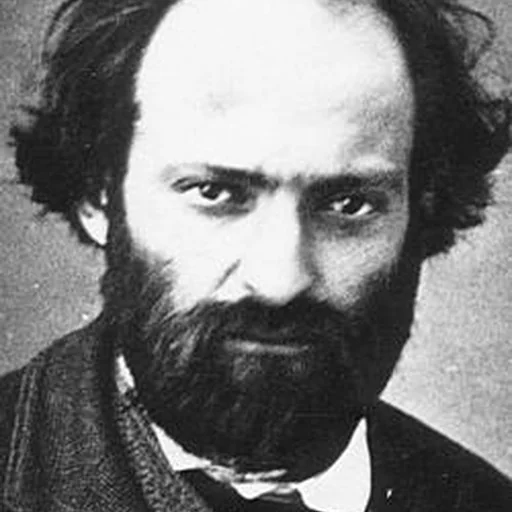
Artist
Paul Cézanne was born on January 19, 1839, in Aix-en-Provence, the son of a hatter turned wealthy banker.

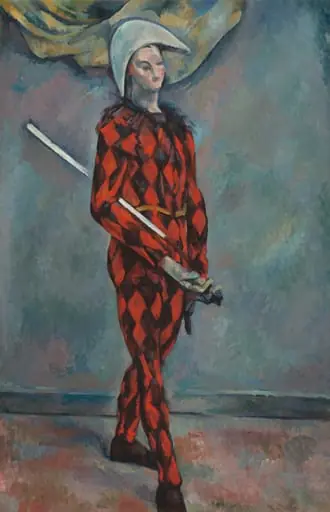 Harlequin
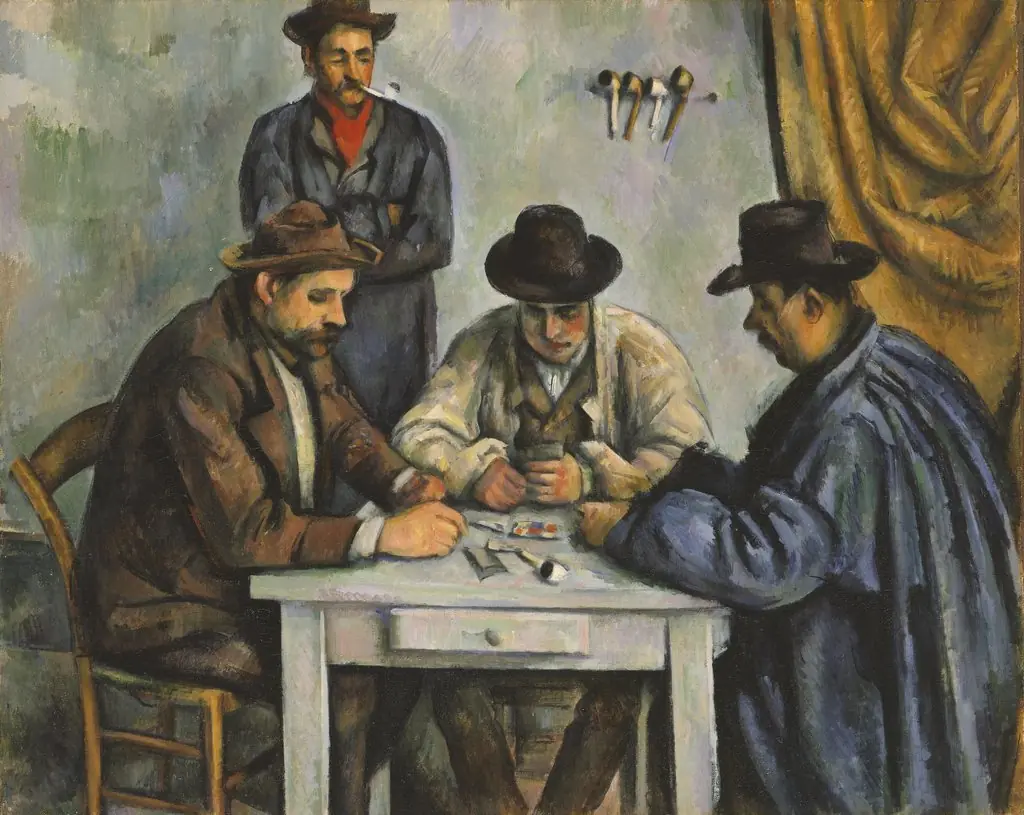 The Card Players
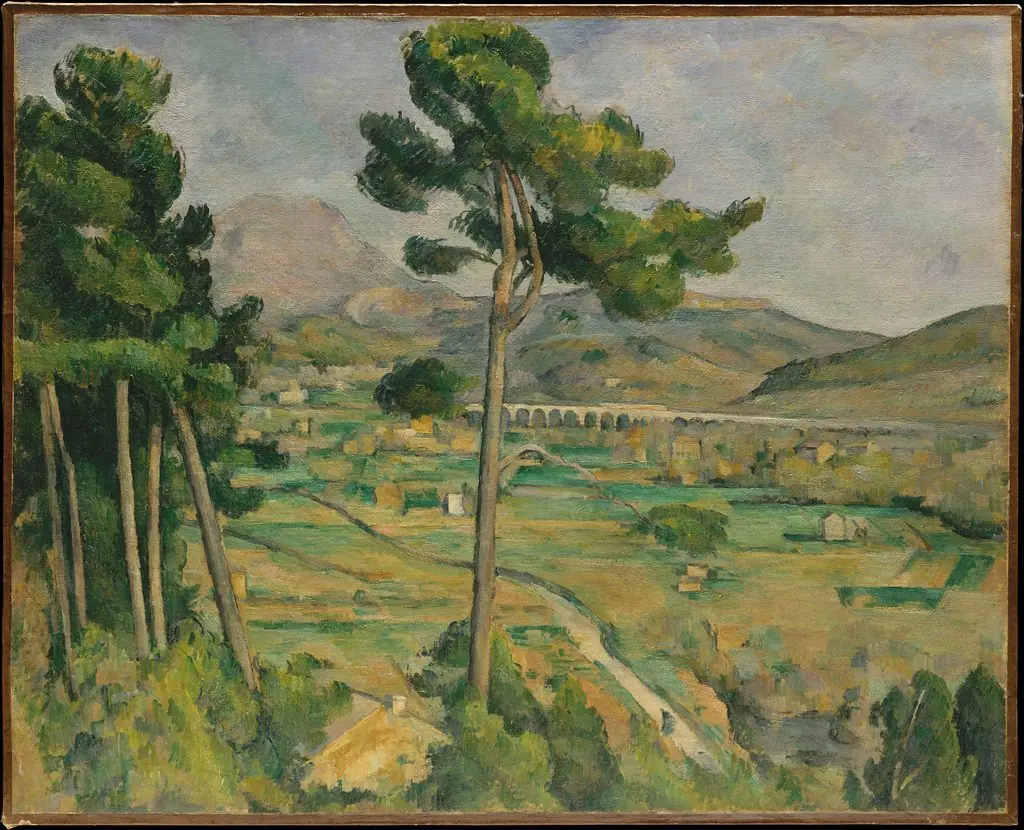 Mont Sainte-Victoire and the Viaduct of the Arc River Valley
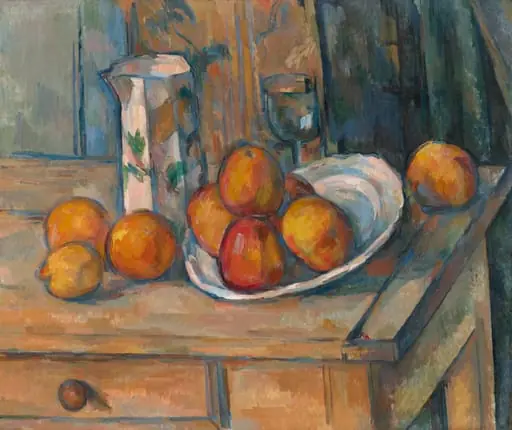 Still Life with Milk Jug and Fruit
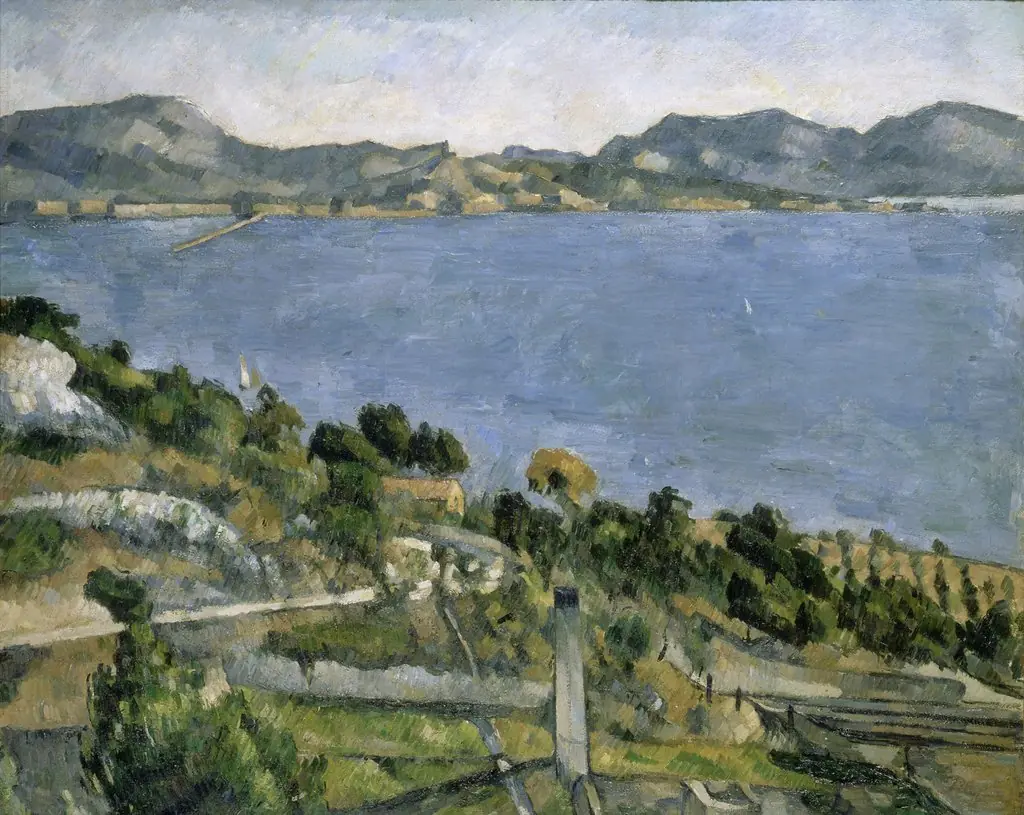 Le Golfe de Marseille vu de l'Estaque (The Gulf of Marseille Seen from L'Estaque)
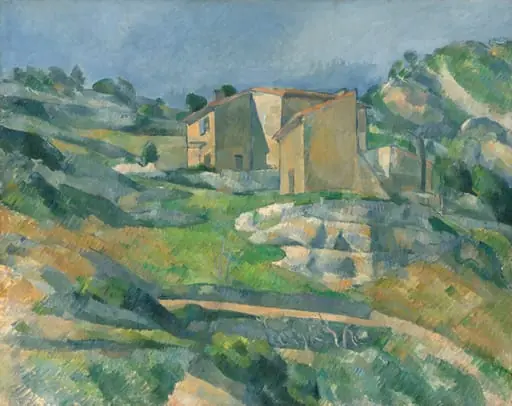 Houses in Provence: The Riaux Valley near L'Estaque
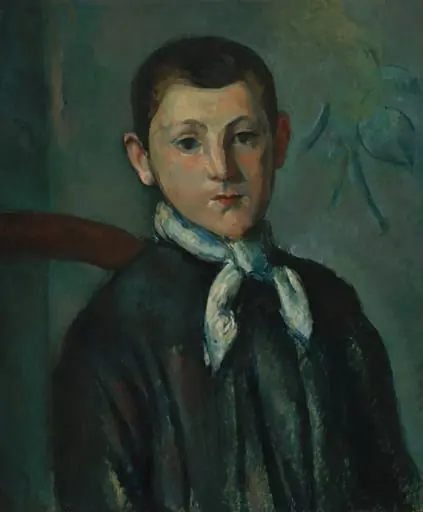 Louis Guillaume
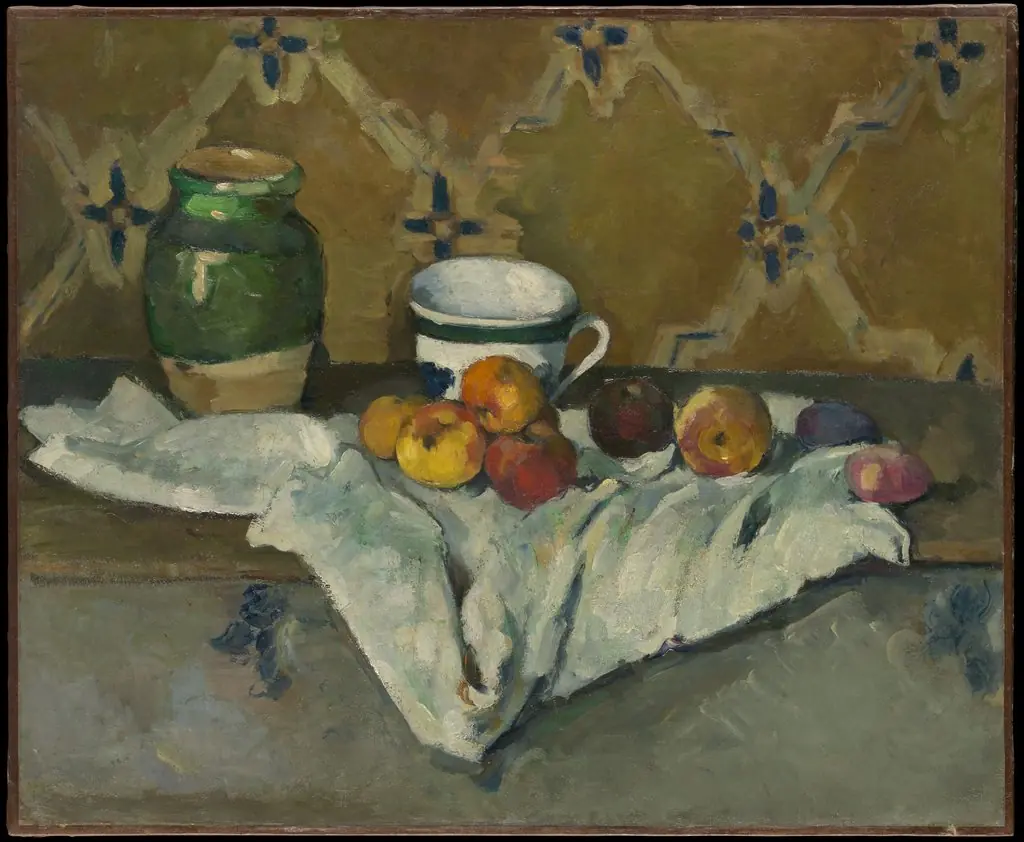 Still Life with Jar, Cup, and Apples
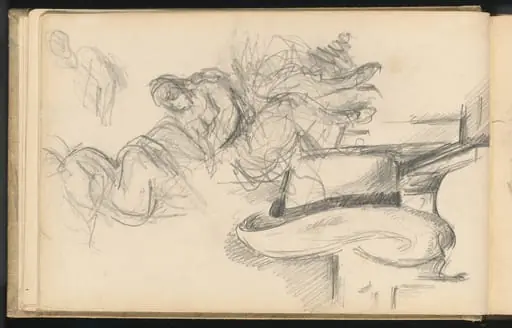 Studies Including a Straw Hat
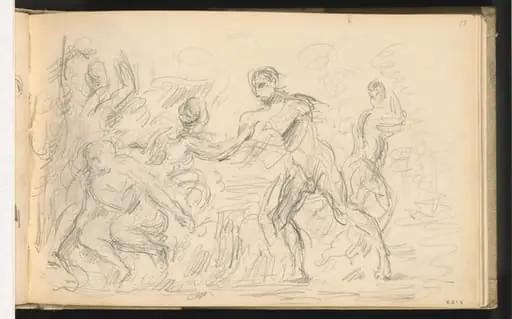 Study for "The Judgement of Paris" or "The Amorous Shepherd"
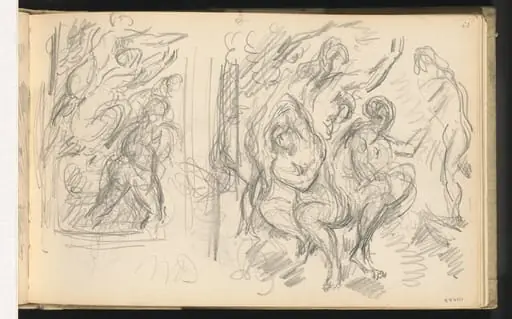 Two Studies for "The Judgement of Paris" or "The Amorous Shepherd"
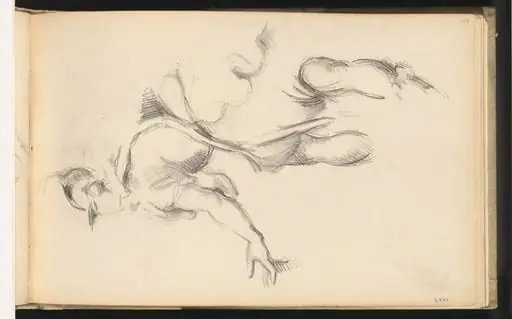 Study of the Allegorical Figure France in Rubens' "The Exchange of the Two Princesses"
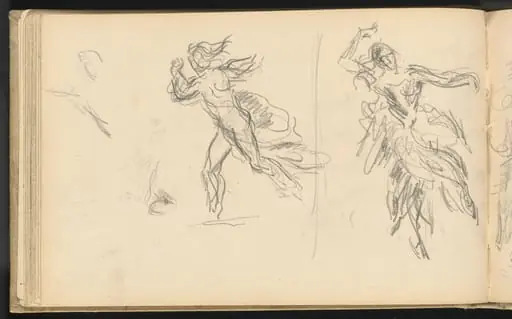 Spanish Dancers
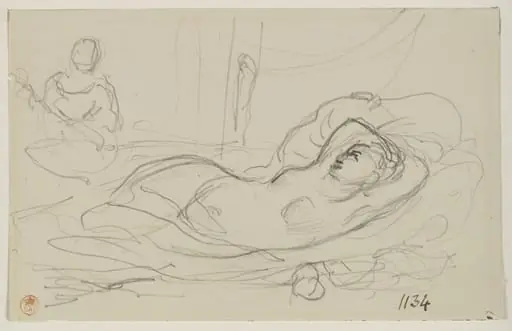 Study after Ingres' 'Odalisque à l'ésclave'
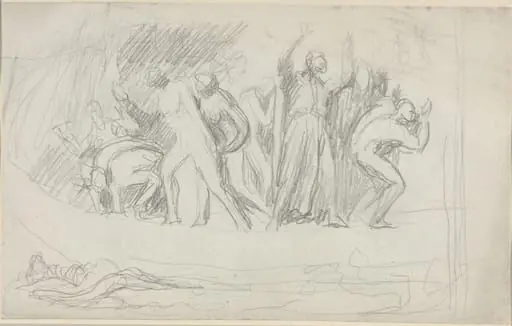 Study for "The Deluge"
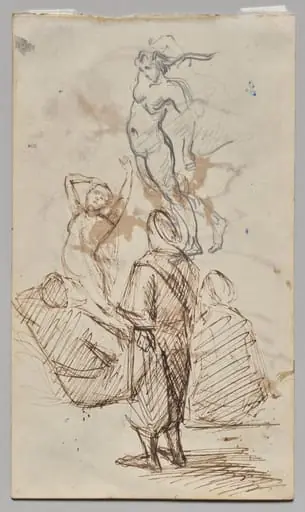 Sheet of Studies
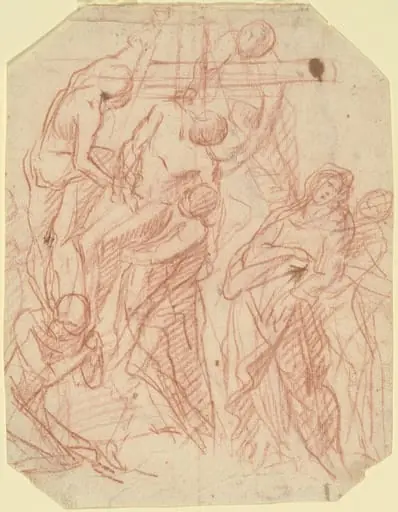 The Descent from the Cross (recto)
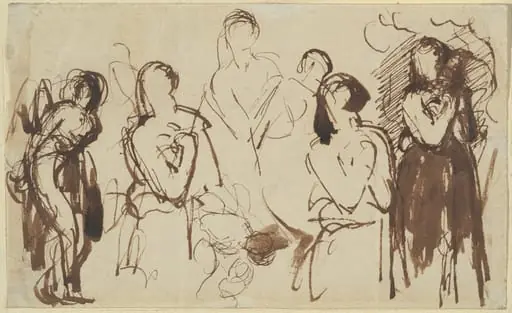 Studies for Joan of Arc
 Two Male Figures in Motion (verso)
![Figure Studies [recto], by Giovanni Battista Cipriani](https://artifactworldgallery.com/img/giovanni-battista-cipriani--figure-studies-recto--32b47b1a71716a78-w320.webp) Figure Studies [recto]
Figure Studies [recto]