Artwork
Elegant Lady Seated in a Chair
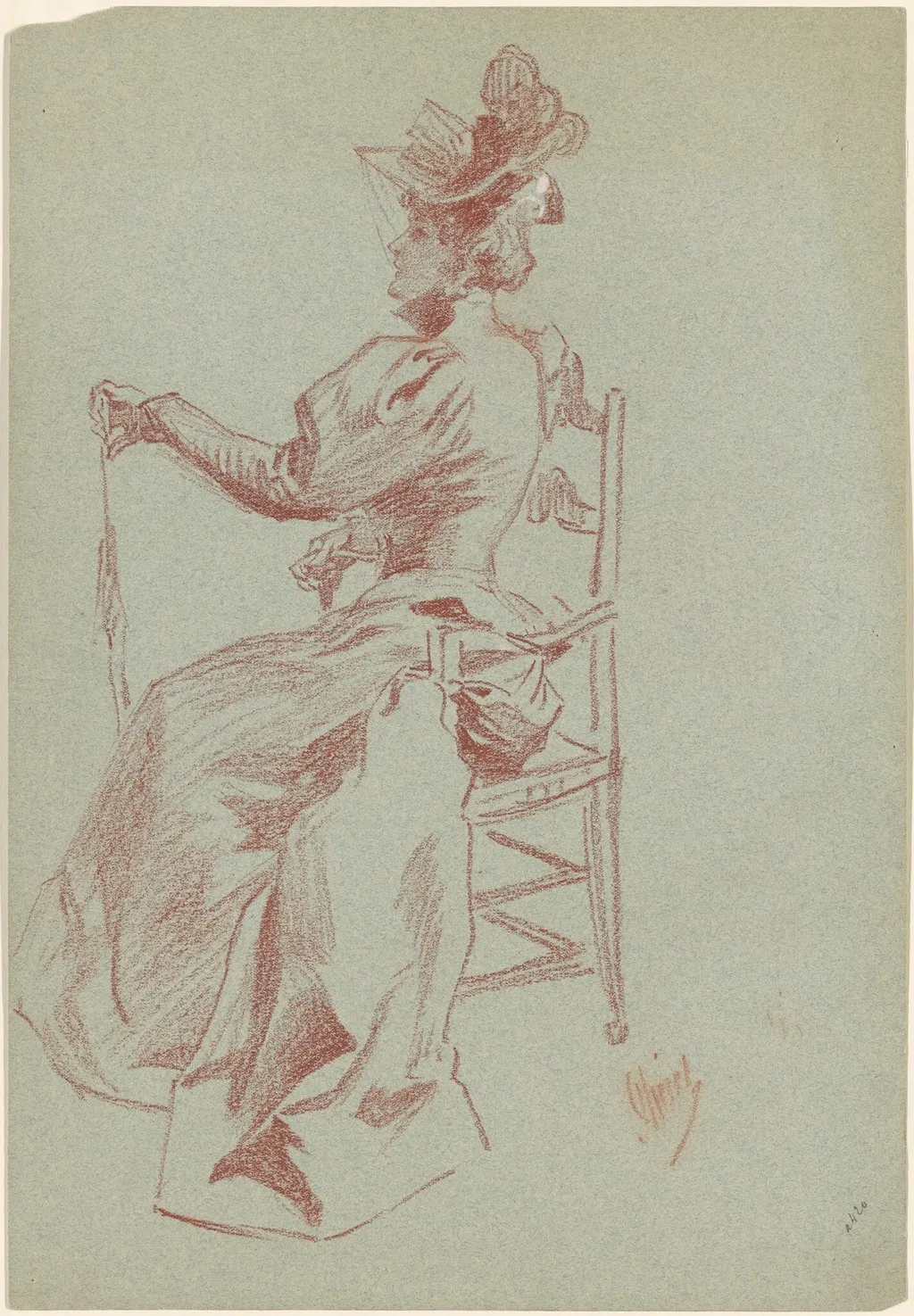
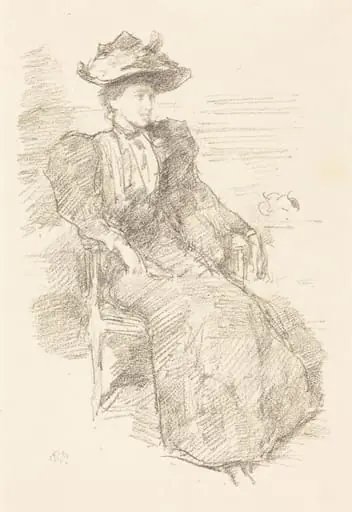
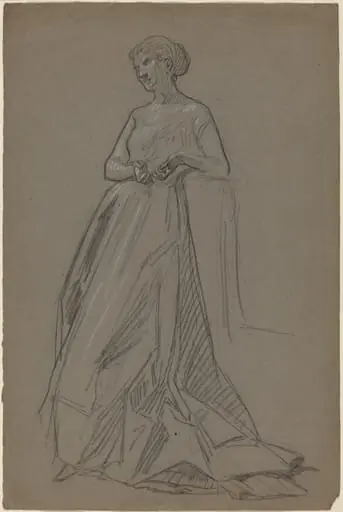
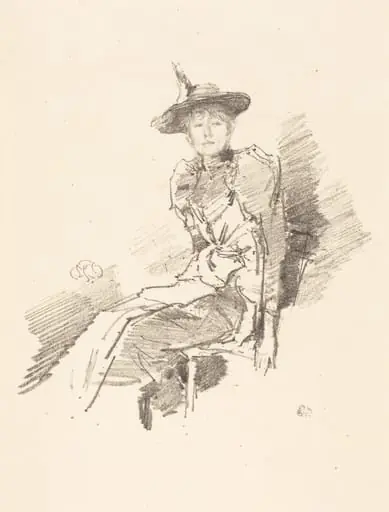
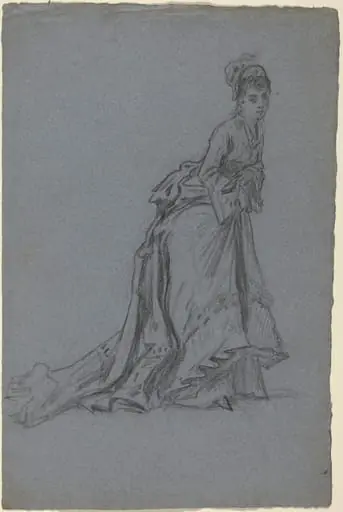
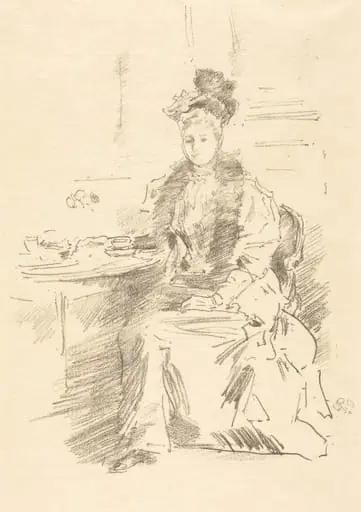
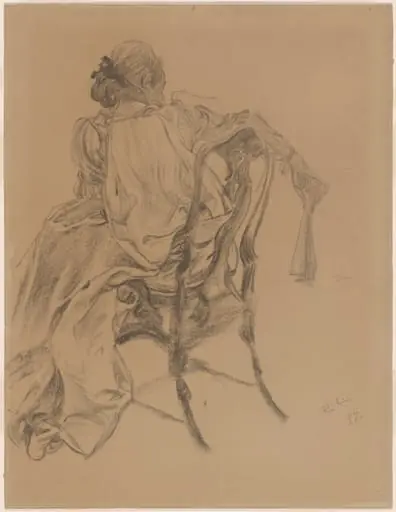
Elegant Lady Seated in a Chair is a chalk drawing by the Impressionist artist Jules Chéret. It dates from 1900 and is held in the collection of the National Gallery of Art.
About this work
Overview
The restrained palette and delicate line work suggest a private study rather than a commercial design, revealing his sensitivity to form and quiet observation.
Created around 1900, this drawing by Jules Chéret depicts a seated woman rendered in red chalk with selective white highlights on blue wove paper. As a work on paper, it exemplifies Chéret’s skill in graphic media, distinct from his more widely known lithographic posters. The restrained palette and delicate line work suggest a private study rather than a commercial design, revealing his sensitivity to form and quiet observation.
Subject & Meaning
The subject is a woman in elegant attire, seated calmly in a chair, her posture relaxed yet composed. Her face, rendered with subtle detail, carries a contemplative stillness that invites quiet reflection. There is no narrative or theatrical element; instead, the focus lies in the dignity of ordinary presence. The absence of context or action emphasizes the interiority of the figure, aligning with Chéret’s interest in capturing fleeting moments of grace.
Technique & Style
Chéret employed red chalk for its warmth and fluidity, using varied pressure to suggest volume and texture in the figure’s dress and hair. White heightening adds luminosity to highlights on skin and fabric, contrasting subtly against the blue paper’s cool undertone. The lines are economical yet precise, avoiding excessive detail while maintaining structural clarity. This approach reflects his graphic sensibility, honed through decades of poster design but applied here with intimate restraint.
History & Provenance
The drawing’s origins are not publicly documented beyond its creation circa 1900. It likely served as a preparatory sketch or personal study, possibly related to figures in Chéret’s poster work. Its survival as a standalone work suggests it was valued by the artist or an early collector for its aesthetic refinement. No record of exhibition or ownership prior to the 20th century is known, and its current location reflects institutional acquisition in modern times.
Context
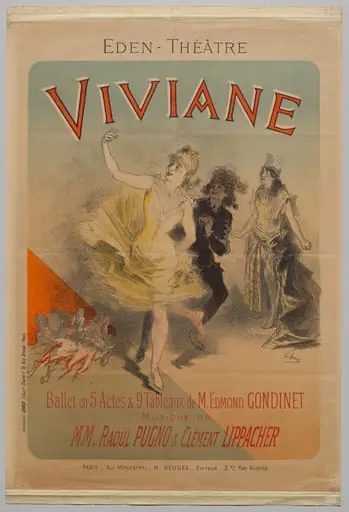
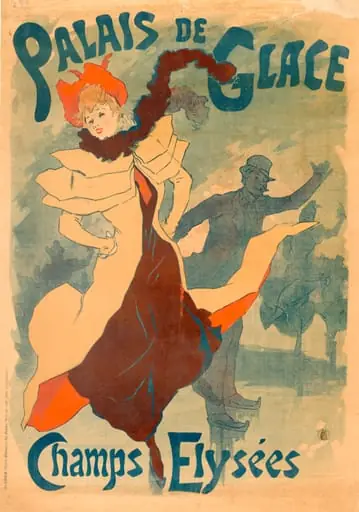
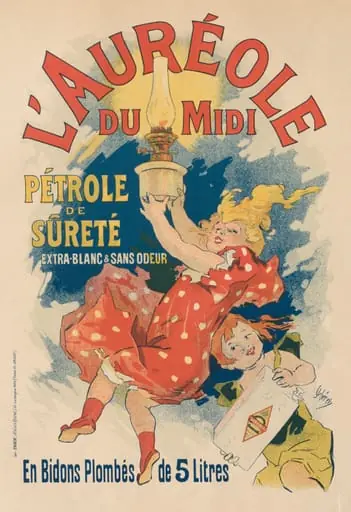
Produced during the Belle Époque, the drawing exists alongside Chéret’s commercial posters that celebrated urban leisure and feminine beauty. While his posters were public and bold, this work is intimate and understated, revealing a quieter side of his practice. It reflects broader artistic trends of the era—interest in candid portraiture, the appeal of pastel tones, and the elevation of drawing as an autonomous art form beyond preparatory function.
Legacy
Though less known than his posters, this drawing contributes to understanding Chéret’s broader artistic range. It demonstrates how his graphic precision and sensitivity to line translated into personal works, influencing later illustrators who valued economy and emotional nuance. The piece stands as a quiet testament to the artist’s ability to convey presence through minimal means, bridging commercial art and fine drawing traditions.
Artist & collection

Artist
Jules Chéret (31 May 1836 – 23 September 1932) was a French painter and lithographer who became a master of Belle Époque poster art. He has been called the father of the modern poster.