Artwork
Bombay Harbour
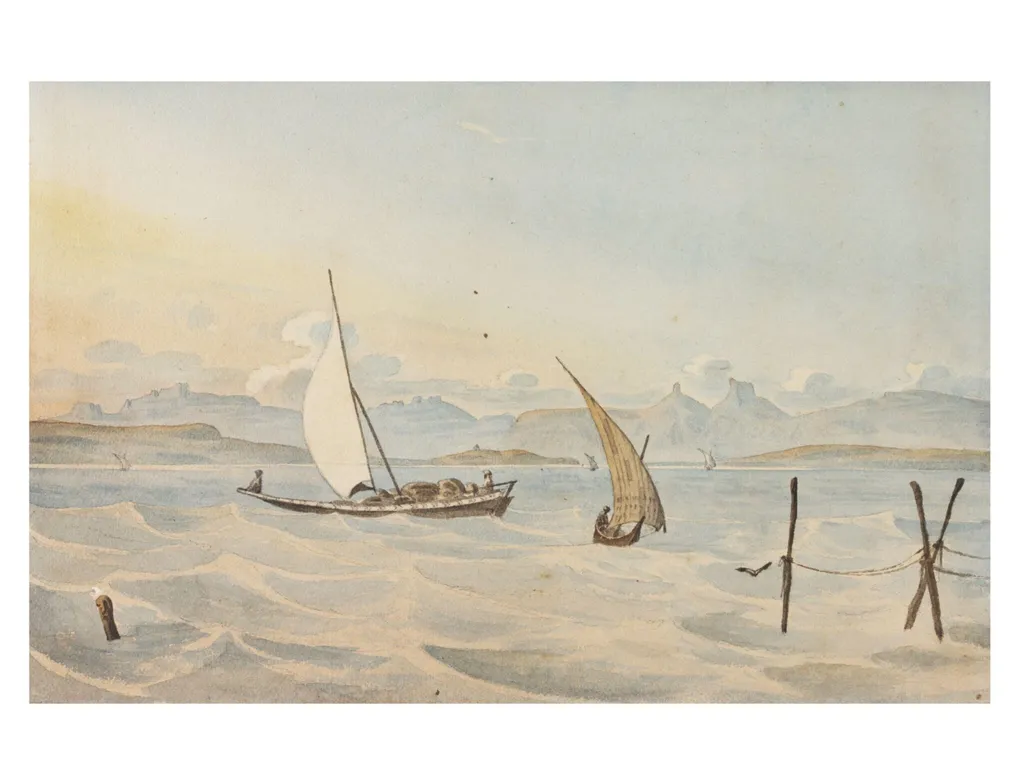
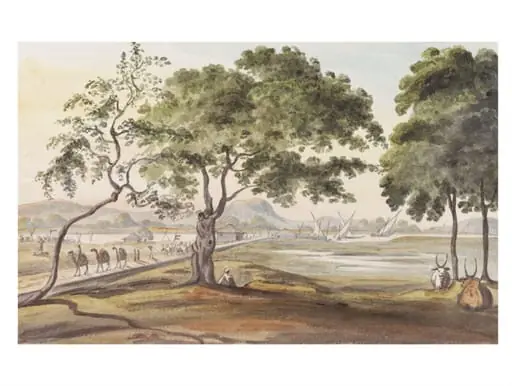
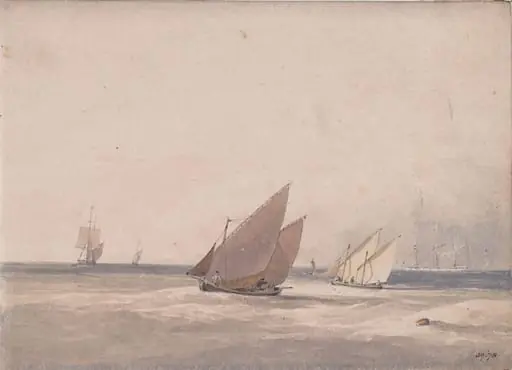
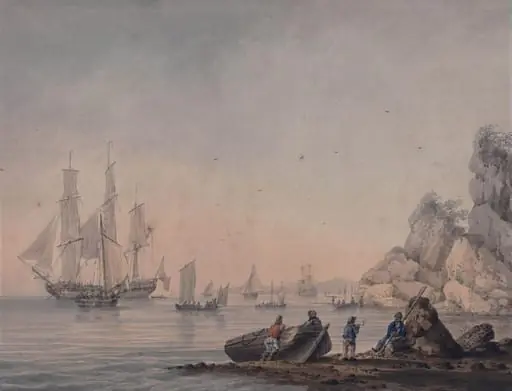
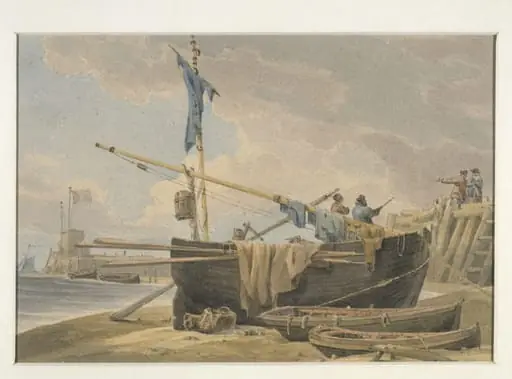
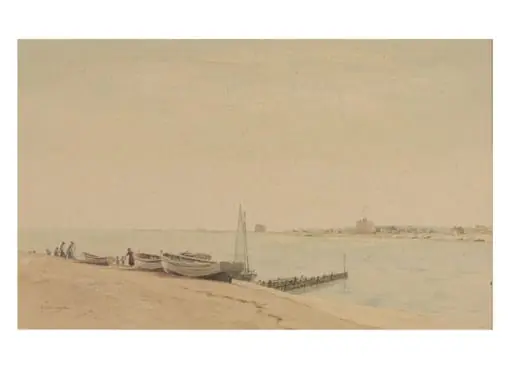
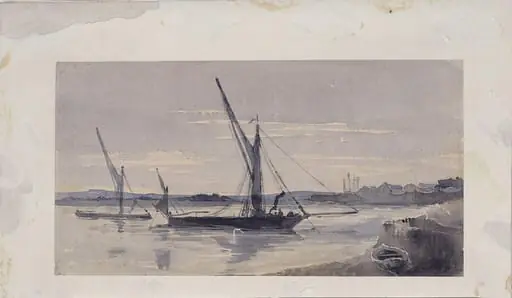
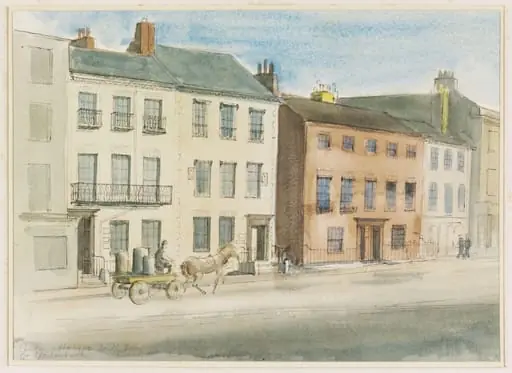
Bombay Harbour is a paint painting by the Patna School of Painting artist Charles Harcourt Chambers. It dates from 1826 and is held in the collection of the Victoria and Albert Museum.
About this work
Overview
Chambers painted en route, using a restricted palette to record fleeting atmospheric effects, reflecting his interest in the region’s topography and light.
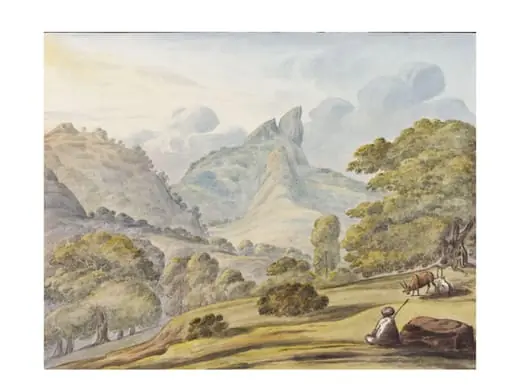
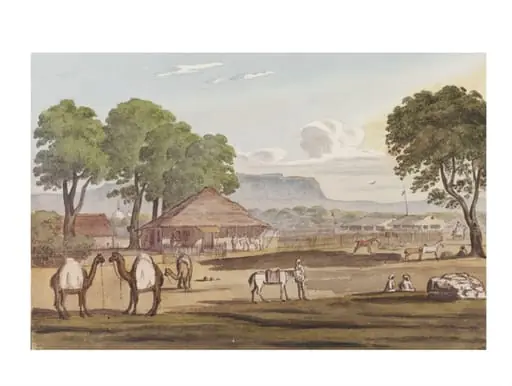
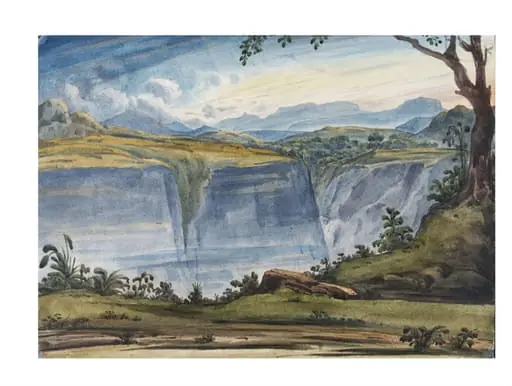
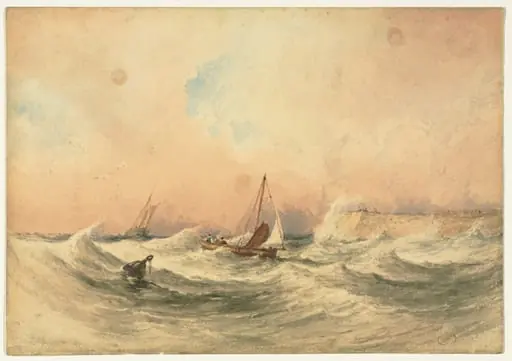
This painting is one of several works by Charles Harcourt Chambers documenting a boat journey from Bombay Harbour to Pune. Executed during his time in India as a judge, the piece captures the estuary near Panvel with swift, observational brushwork. Chambers painted en route, using a restricted palette to record fleeting atmospheric effects, reflecting his interest in the region’s topography and light.
Subject & Meaning
The scene centers on the River Panvel’s estuary, with Funnell Hill visible as a navigational marker for vessels entering the harbour. Rather than idealizing the landscape, the painting records its functional and topographical character—ships, shorelines, and hills as they appeared during daily travel. The work reflects a personal, documentary impulse, valuing immediacy over grandeur.
Technique & Style
Chambers applied paint rapidly, using vivid but limited hues to convey the intensity of tropical light. His method prioritized spontaneity, capturing transient conditions as he moved between stops on his journey. The brushwork is direct and unrefined, avoiding academic polish in favor of observational accuracy, aligning with informal plein-air practices of the era.
History & Provenance
Painted between 1823 and 1828 during Chambers’ tenure on the Supreme Court of Bombay, these works were personal studies, not commissioned pieces. After his return to England, the series remained in private hands. Their survival offers rare insight into British colonial officials’ engagement with Indian landscapes outside official documentation.
Context
Chambers’ work emerged amid British colonial expansion, when amateur artists often recorded Indian scenery as both curiosity and record. His approach—informal, mobile, and focused on light and topography—parallels emerging Romantic sensibilities, though without overt sentimentality. These paintings reflect a quiet, personal response to place rather than imperial spectacle.
Legacy
Though little known today, Chambers’ series provides a modest but valuable record of early 19th-century Bombay’s coastal geography and transport routes. His method anticipates later documentary practices in Indian landscape painting. The works remain significant as rare, non-official visual accounts by a colonial official who treated the landscape as a subject of quiet observation.
Artist & collection
Artist
A British painter active in the 1820s, Chambers captured the ports and passes of early colonial India.