Artwork
H Beard Print Collection
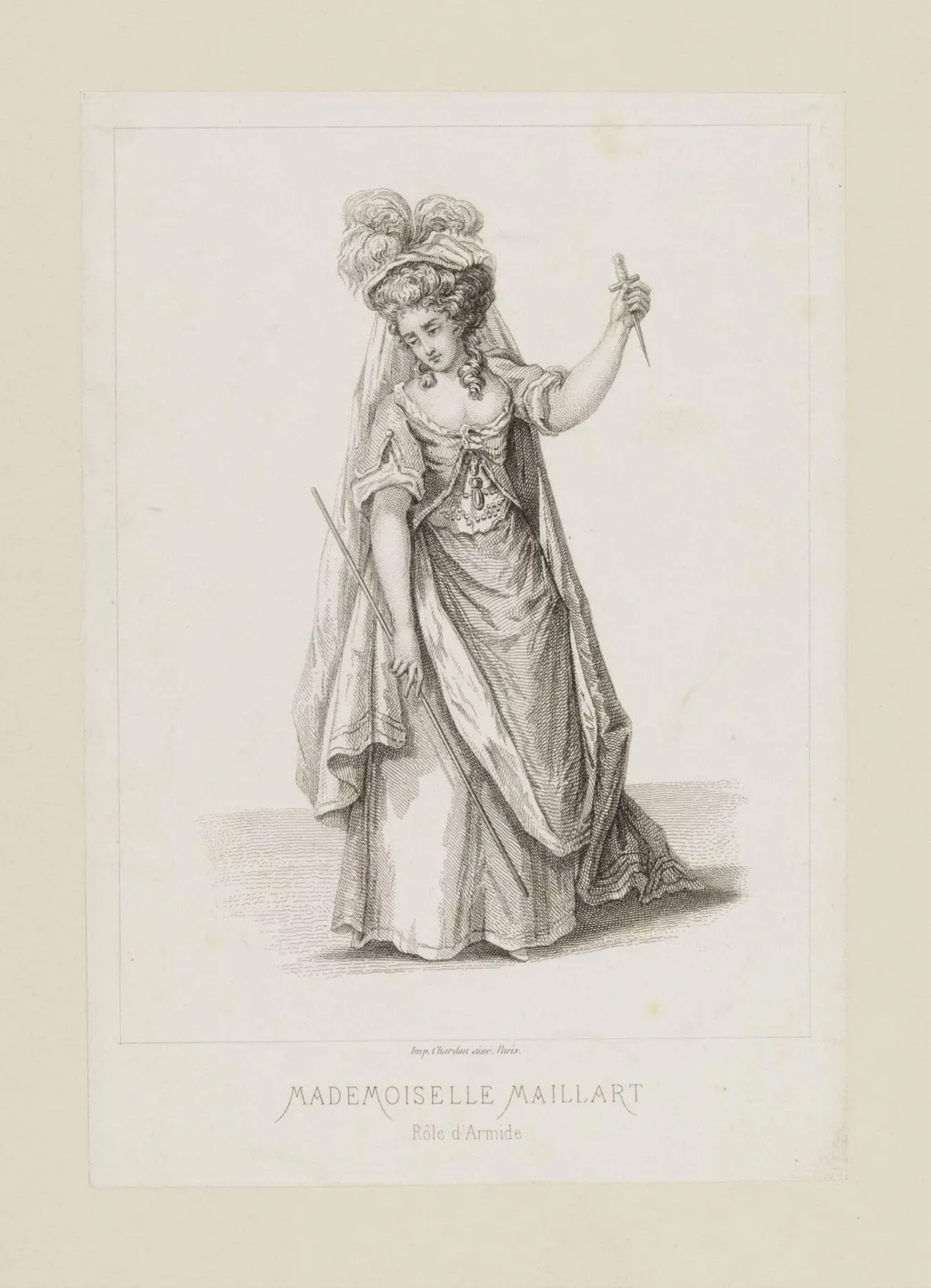
H Beard Print Collection is a print by Chardon, D.. It dates from 1750 and is held in the collection of the Victoria and Albert Museum.
About this work
Overview
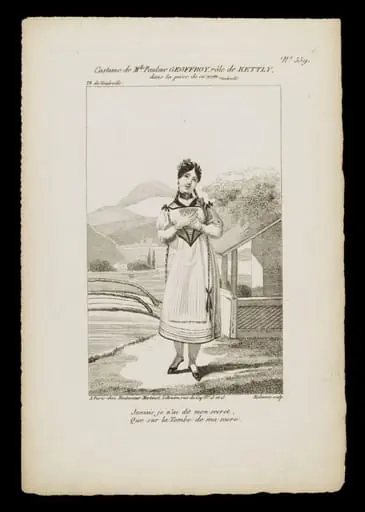
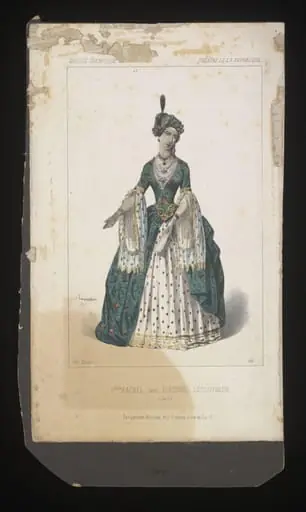
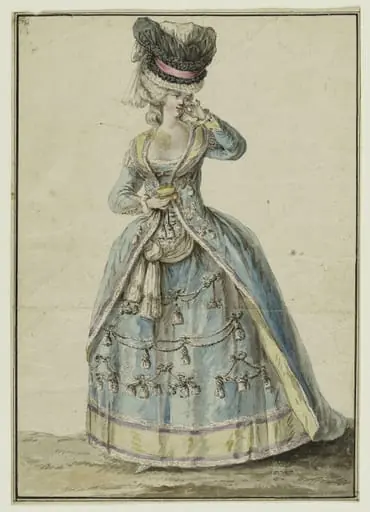
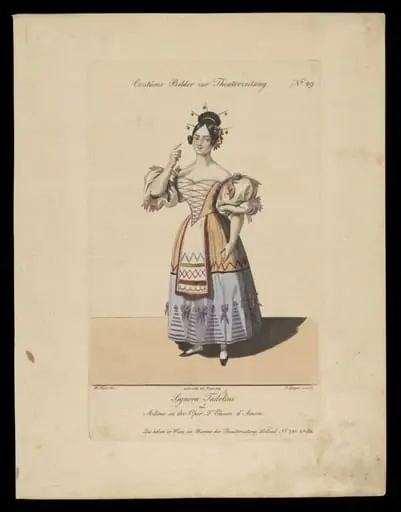
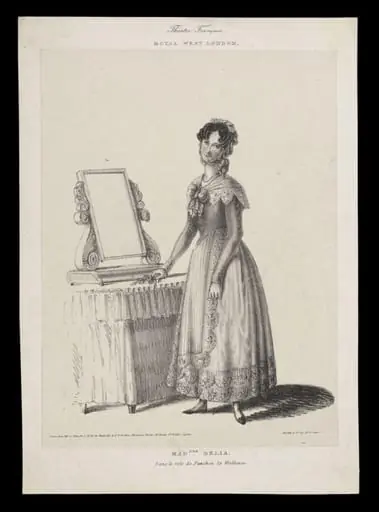
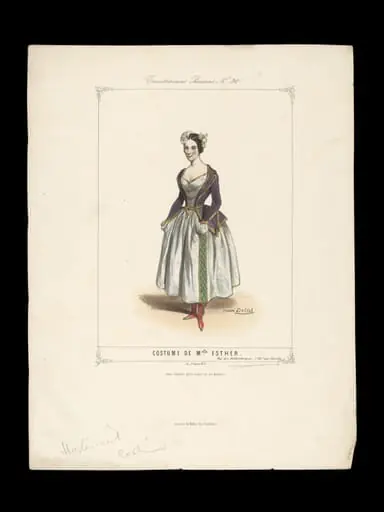
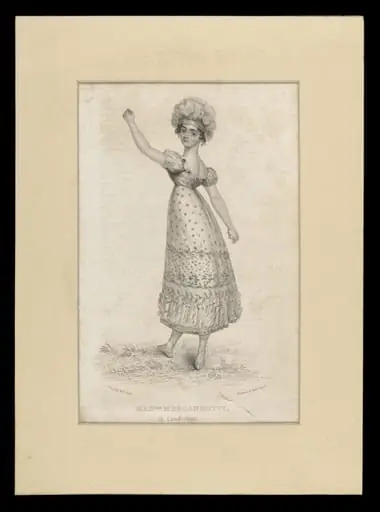
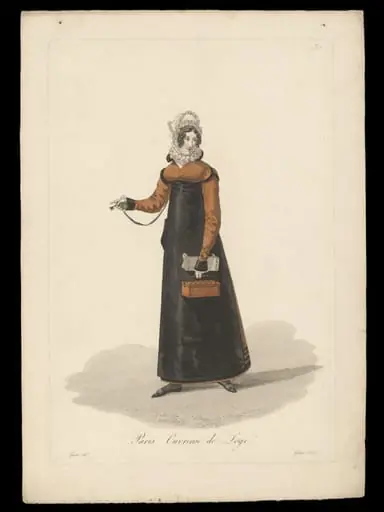
A printed portrait captures the French actress Mademoiselle Maillart in the role of Armide, a sorceress from Torquato Tasso’s epic poem Gerusalemme Liberata. The image is part of the H. Beard Print Collection, a 19th-century compilation of theatrical imagery. The print reflects the era’s fascination with stage performances and literary characters rendered in visual form.
Subject & Meaning
Armide, a powerful enchantress who uses magic to ensnare heroes, was a compelling figure in 18th- and 19th-century French theater. Depicting Maillart in this role emphasizes her dramatic presence and the cultural resonance of literary heroines on stage. The portrayal merges theatrical performance with mythic narrative, reinforcing Armide’s dual nature as seducer and adversary.
Technique & Style
The print employs line-based engraving or etching, typical of theatrical portraiture of the period. Delicate contours define the figure’s costume and expression, while minimal shading suggests volume without realism. The composition centers the actress in a formal pose, aligning with conventions of stage portraiture meant for public circulation rather than intimate viewing.
History & Provenance
Created during the height of Maillart’s stage career, the print was likely produced for sale to theatergoers or collectors. It entered the H. Beard Collection in the 1800s, a curated assemblage of performance-related prints. Beard’s collection, now held in a public archive, preserves ephemeral theatrical moments that might otherwise have been lost.
Context
In early 19th-century France, theatrical prints were widely distributed as souvenirs and cultural artifacts. Armide’s character, popularized by operas and tragedies, symbolized female agency and danger. Maillart’s portrayal contributed to a broader trend of elevating actresses to the status of cultural icons through visual representation.
Legacy
The print endures as a record of a specific performance tradition and the role of women in French theater. It illustrates how literature, stagecraft, and print culture intersected to shape public perception of female characters. Today, it serves as a historical artifact for scholars studying performance, gender, and visual media in the Romantic era.
Artist & collection
Artist
This printmaker carved scenes of daily life and fashion in the late 1700s, trading paint for ink on paper.