Artwork
Huterinn/Vendeuse de Chapeaux. (Hat Seller)
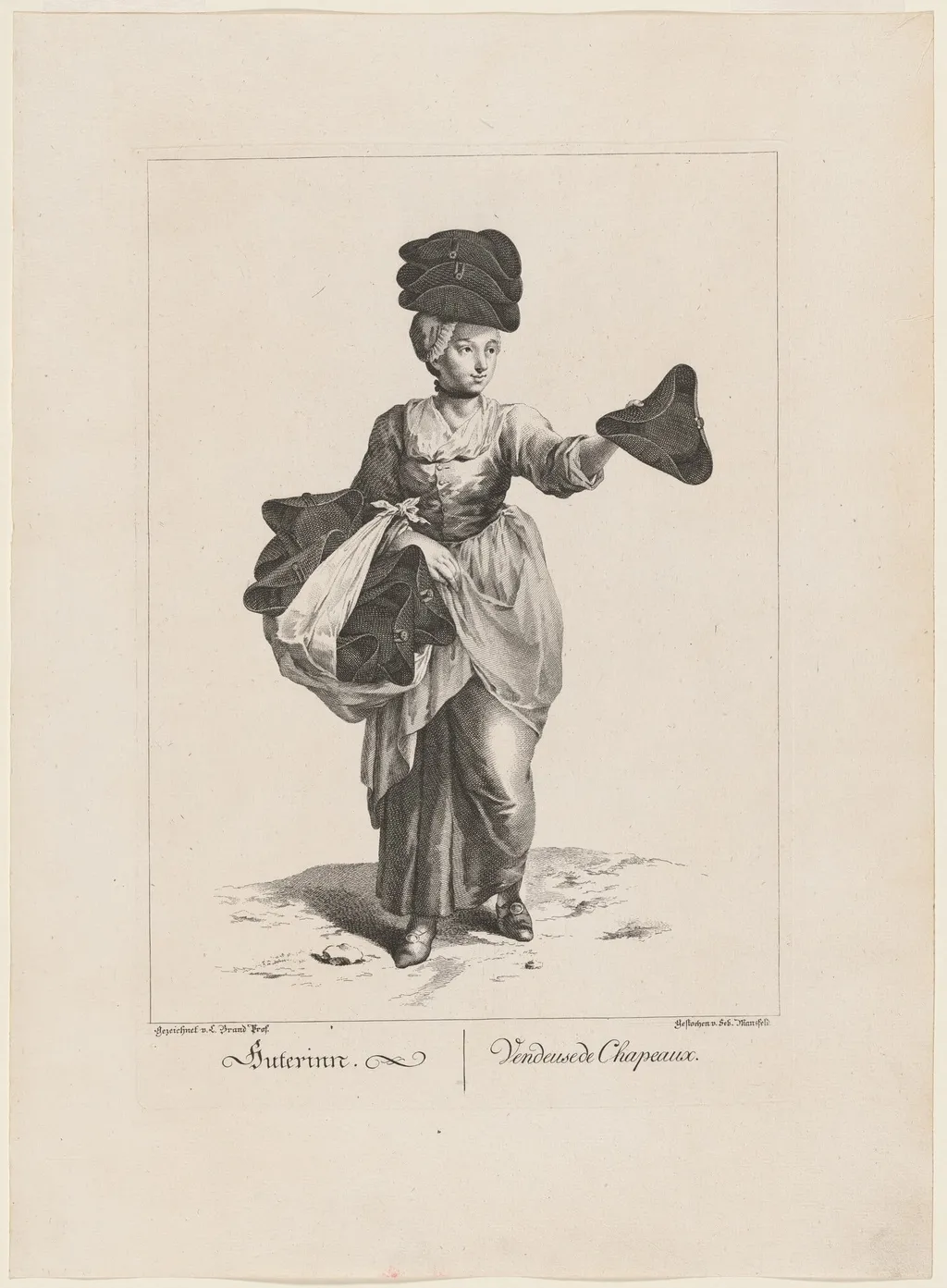
Huterinn/Vendeuse de Chapeaux. (Hat Seller) is an ink print by the Romanticist artist Sebastian Mansfeld. It dates from 1775 and is held in the collection of the National Gallery of Art.
About this work
Overview
Created in 1775 by Sebastian Mansfeld, this black-and-white engraving depicts a woman engaged in street commerce, selling hats. The image is rendered through incised lines on a metal plate, a technique common in pre-photographic printmaking. The composition centers on the vendor’s poised posture, framed by simple yet distinct clothing and accessories, conveying a quiet dignity in everyday labor.
Subject & Meaning
The figure is a working-class woman, identified by the inscription as a hat seller. Her attire—tall hat, long dress, and draped shawl—suggests modest means and traditional dress. Her stance, one hand holding a hat, the other resting on her hip, implies self-possession and quiet authority. The image does not idealize but observes, presenting commerce as a routine, grounded aspect of urban life.
Technique & Style
The lines are deliberate and controlled, defining folds in fabric, the curve of the hat, and subtle shadows without wash or tone.
Mansfeld employed engraving, using a burin to cut fine lines into a copper plate. These incisions hold ink, transferring tonal gradations and texture to paper during printing. The lines are deliberate and controlled, defining folds in fabric, the curve of the hat, and subtle shadows without wash or tone. The style is precise, favoring clarity over ornamentation, typical of 18th-century reproductive prints.
History & Provenance
The print was produced in 1775, during a period when engraved scenes of daily life were circulated among middle-class audiences. Though Mansfeld’s broader oeuvre is not widely documented, this work reflects a trend in European printmaking that documented tradespeople and street vendors. Its survival suggests it was collected or distributed as a record of contemporary social types.
Context
In late 18th-century Europe, urban markets were vibrant centers of commerce and social interaction. Engravings like this served as visual ethnography, capturing the appearance and demeanor of ordinary workers. While not politically charged, such images contributed to a growing public interest in the lives of non-elite citizens, preceding later realist movements in art.
Legacy
This engraving remains a modest but tangible example of how printmaking preserved the visual culture of everyday labor before photography. It offers insight into the aesthetics of observation in pre-industrial society and stands as a quiet testament to the dignity assigned to common trades through the medium of fine print.
Artist & collection

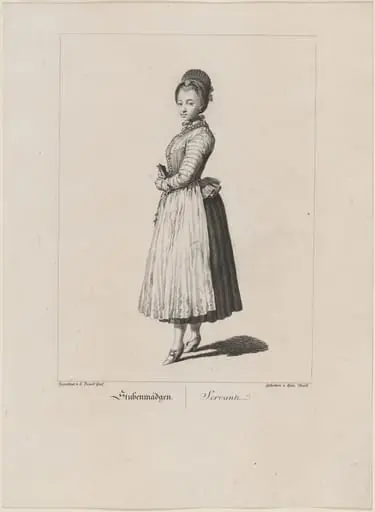 Stubenmädgen (Servant Girl)
 H Beard Print Collection
 Habit en lévite enrichi de glands, d'épaulettes et de cordonets
 H Beard Print Collection
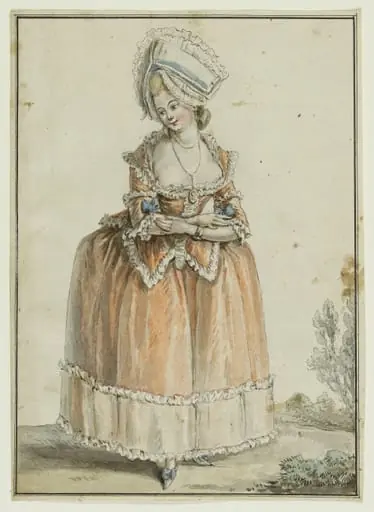 Jeune femme
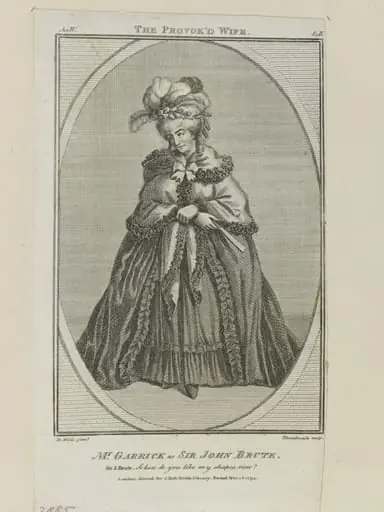 Mr. Garrick as Sir John Brute
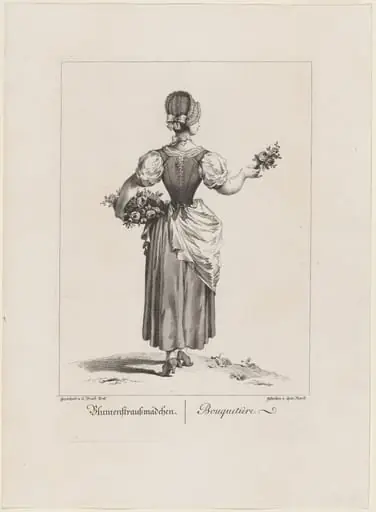 Blumenstraussmädchen (Flower Seller)
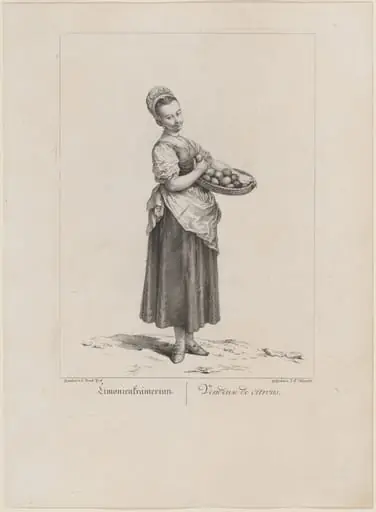 Limonienkrämerinn (Lemon Seller)
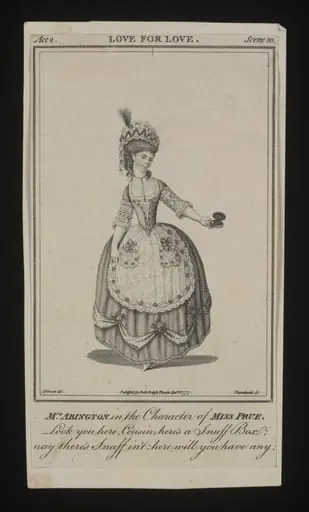 H Beard Print Collection
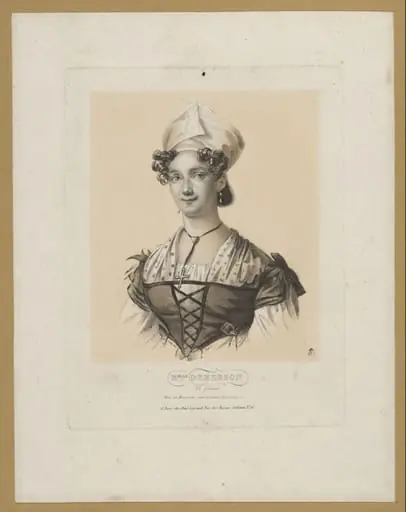 H Beard Print Collection
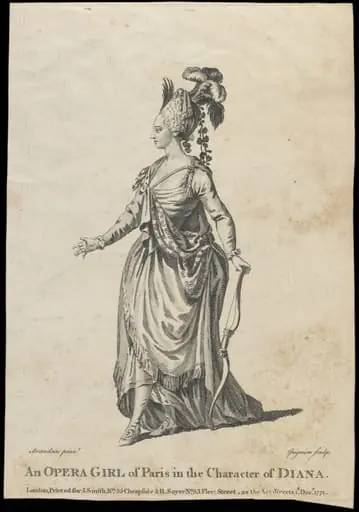
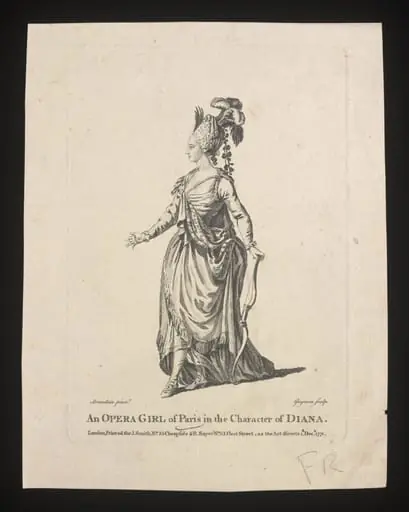 An Opera Girl of Paris in the Character of Diana
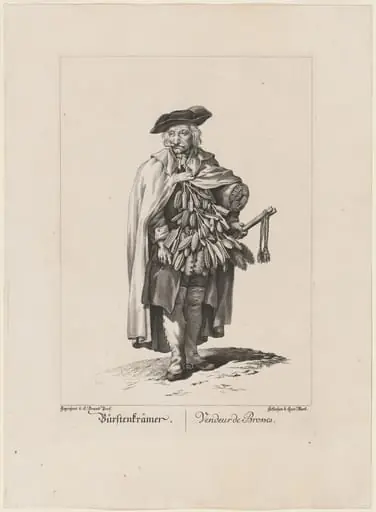 Bürstenkrämer/Vendeur de Brosses (Brush Seller)