Artwork
Stubenmädgen (Servant Girl)
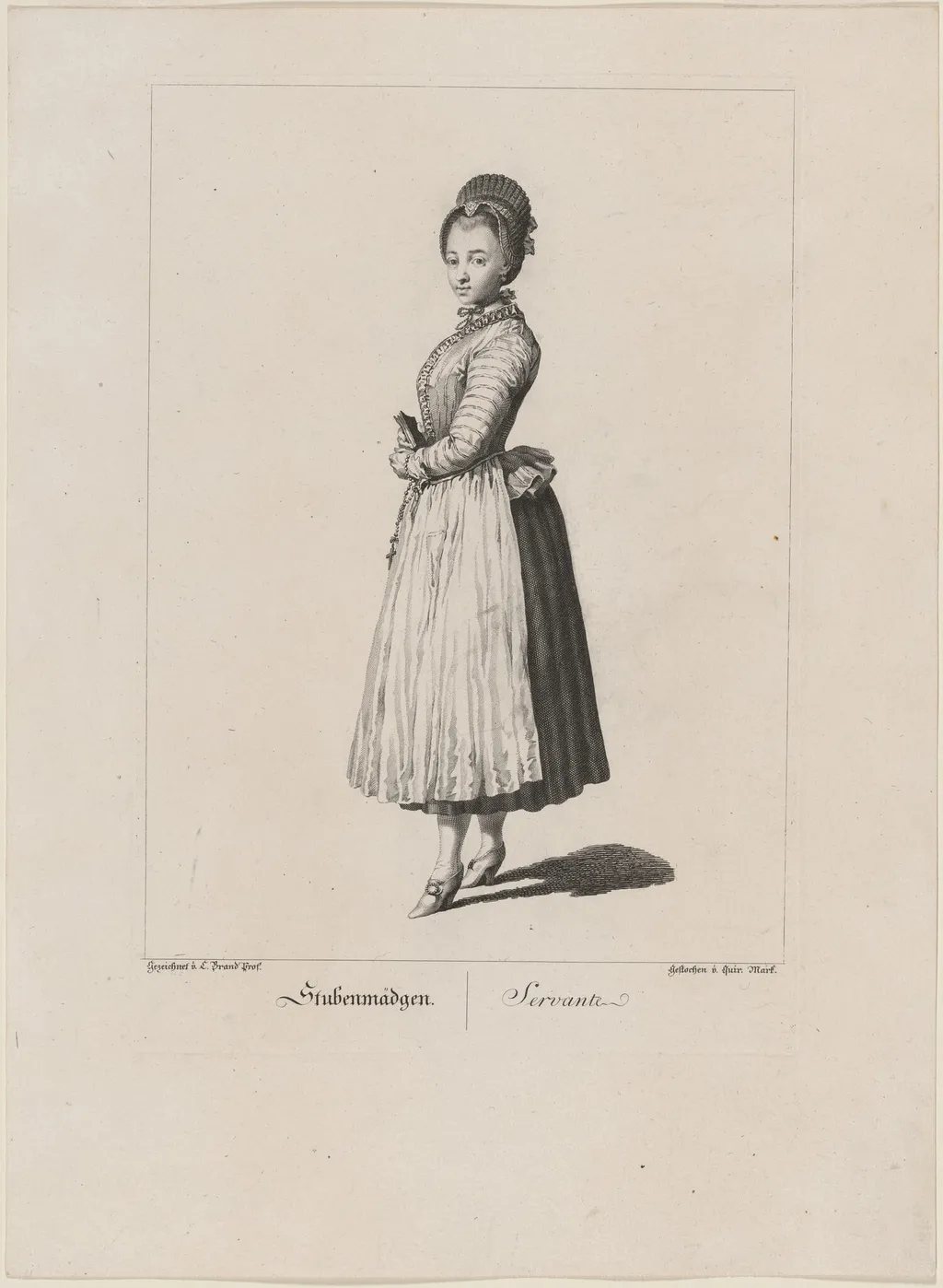
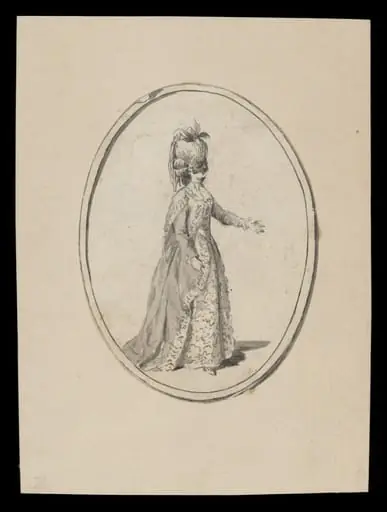
Stubenmädgen (Servant Girl) is an ink print by the Romanticist artist Quirin Mark. It dates from 1775 and is held in the collection of the National Gallery of Art.
About this work
Overview
Quirin Mark’s 1775 print, titled Stubenmädgen (Servant Girl), is an engraving combined with etching on laid paper. The work presents a monochrome study of a young domestic worker, rendered in precise linear marks that capture the texture of her clothing and the posture of her figure.
Subject & Meaning
The composition centers on a youthful woman in a long dress topped by a white cap, her attire distinguished by a striped apron. She holds a small fan, a customary accessory for servants of the period, emphasizing her role within a household setting.
Technique & Style
Mark employed a hybrid process: an initial engraving to define the overall design, followed by etching to achieve finer, more controlled lines. The technique allows subtle rendering of fabric folds and the delicate outline of the fan, while the laid paper surface contributes a soft, tactile quality to the image.
History & Provenance
Created in the late eighteenth century, the print reflects the popularity of domestic genre scenes in Central European art. It was produced as a single sheet, likely intended for private collection or as a didactic example of printmaking methods prevalent before the advent of photography.
Context
During the 1770s, depictions of everyday laborers were common in German-speaking regions, serving both decorative and moralizing functions. Mark’s choice of a servant girl aligns with contemporary interests in portraying the modest virtues of household service.
Artist & collection

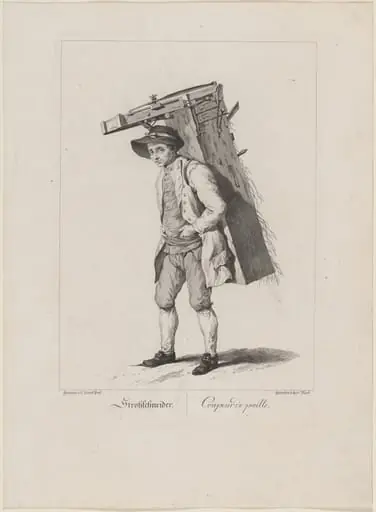 Strohschneider (Straw Cutter)
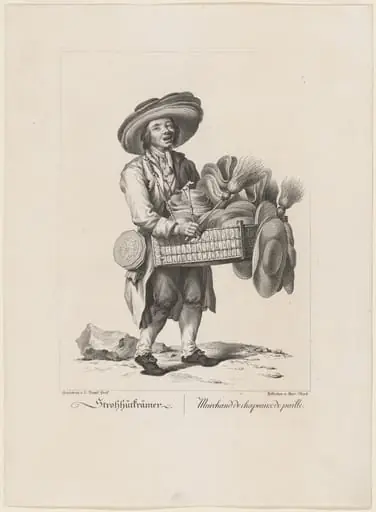 Strohhütkrämer (Straw Hat Seller)
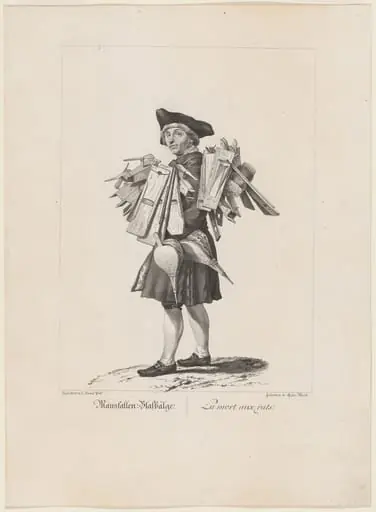 Mausfallen! Blasbälge! (Death to Mice)
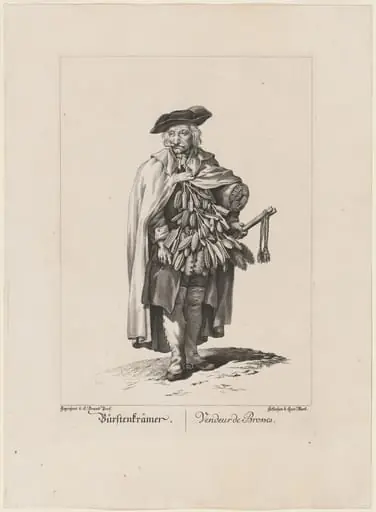 Bürstenkrämer/Vendeur de Brosses (Brush Seller)
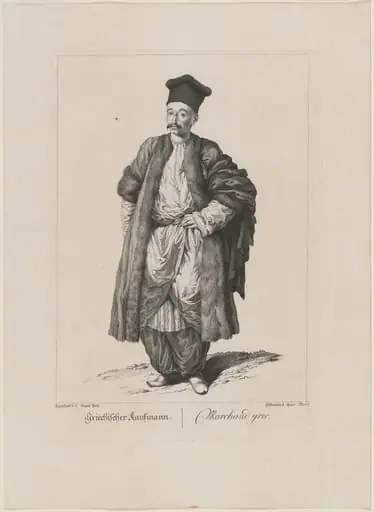 Griechischer Kaufman (Greek Merchant)
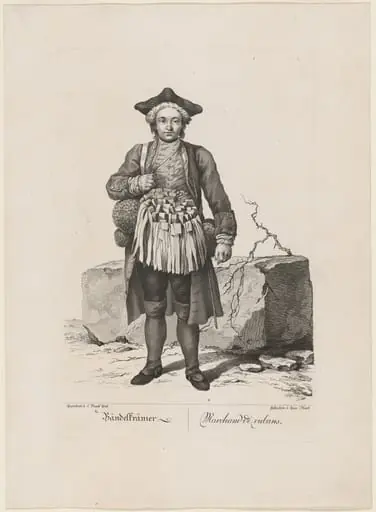 Bändelkrämer (Ribbon Seller)
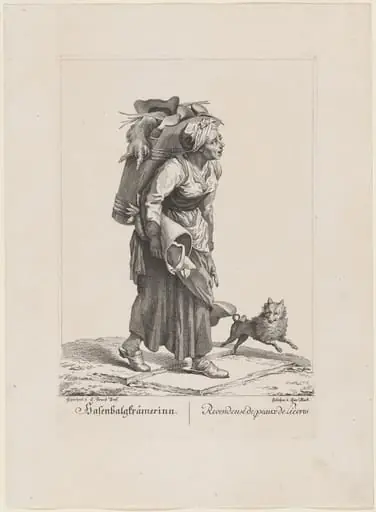 Hasenbalgkrämerinn/Revendeuse de peaux de Lièvres (Seller of Hares' Skins)
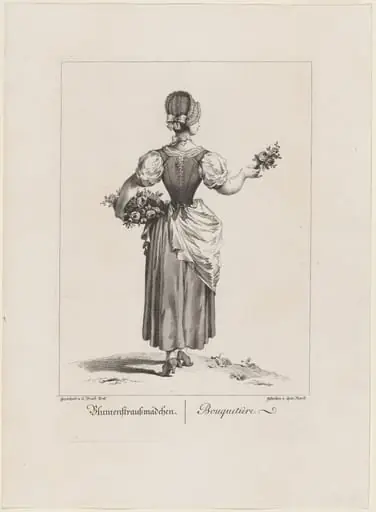 Blumenstraussmädchen (Flower Seller)
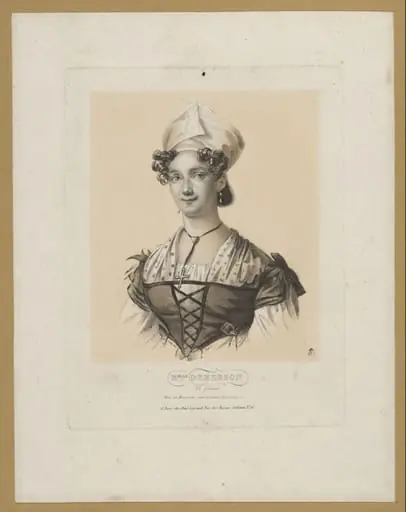 H Beard Print Collection
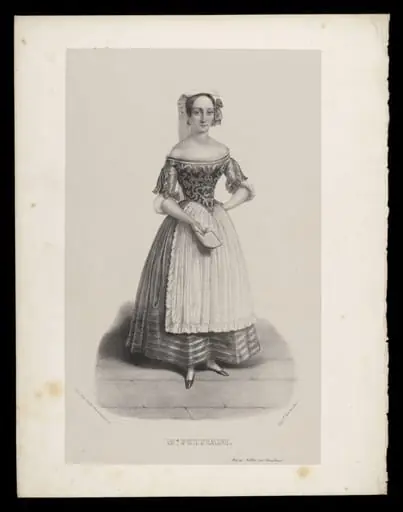 H Beard Print Collection
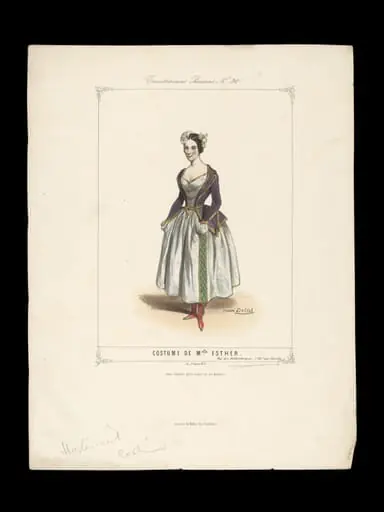 H Beard Print Collection
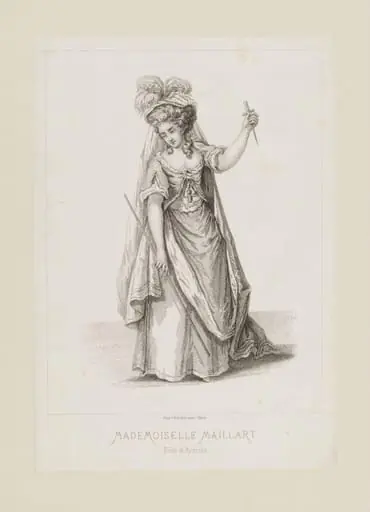 H Beard Print Collection
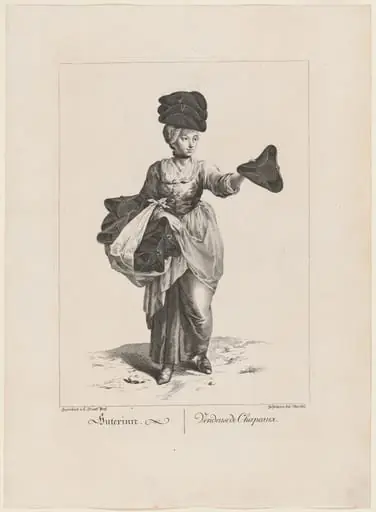 Huterinn/Vendeuse de Chapeaux. (Hat Seller)
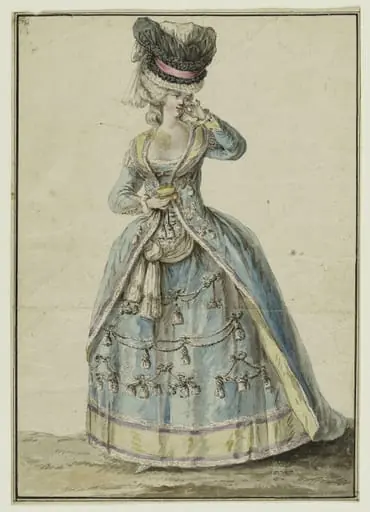 Habit en lévite enrichi de glands, d'épaulettes et de cordonets
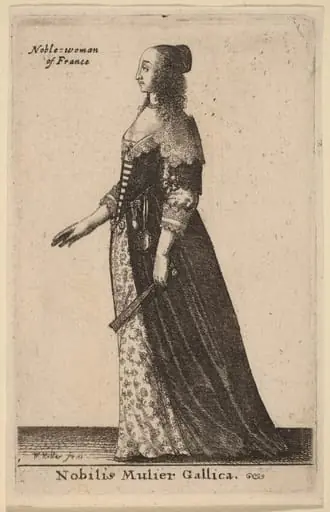 Nobilis Mulier Gallica
 Harry Beard Print Collection
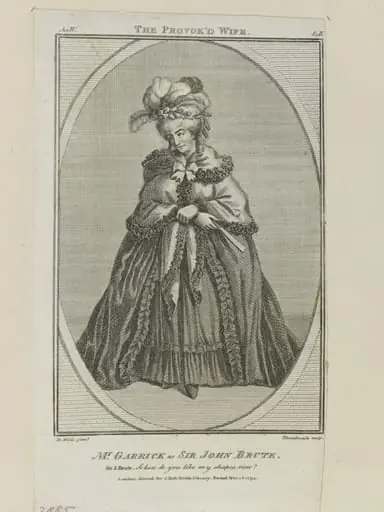 Mr. Garrick as Sir John Brute
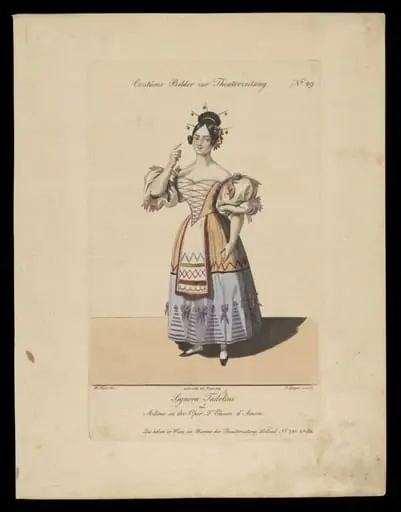 H Beard Print Collection
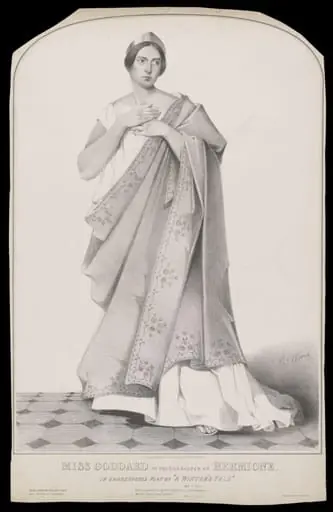 H Beard Print Collection