Artwork
Portrait of Victor-Maurice de Riquet de Caraman (1722-1807)
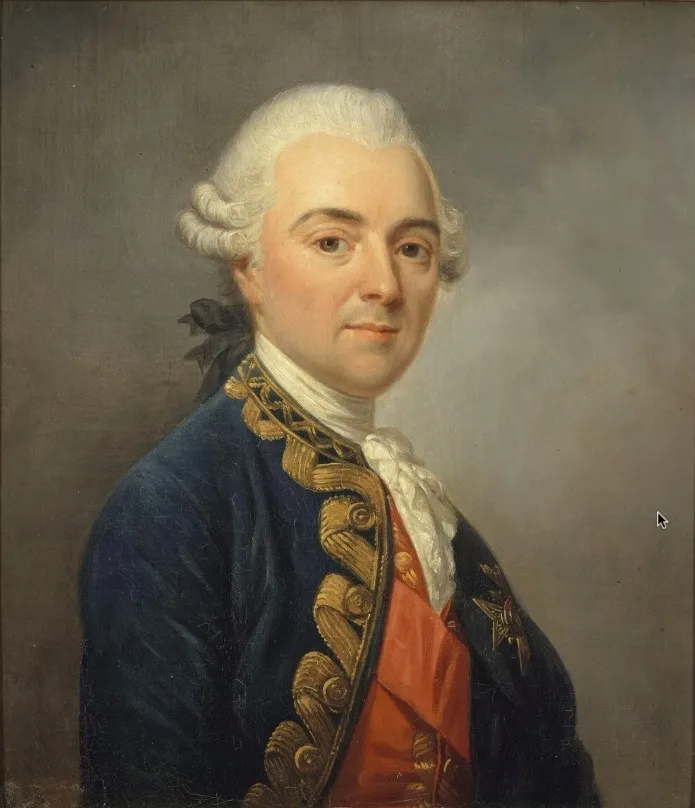
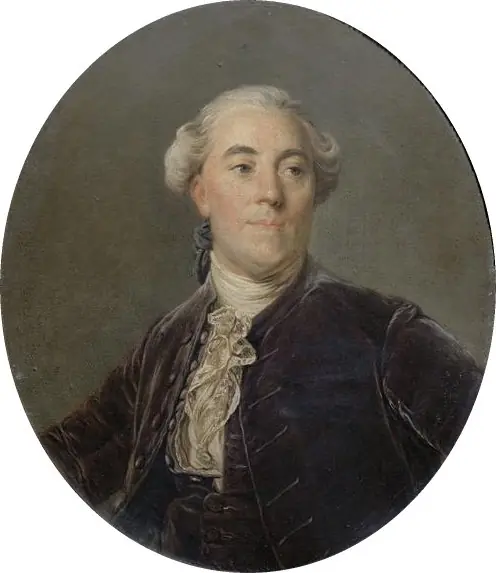
Portrait of Victor-Maurice de Riquet de Caraman (1722-1807) is an oil painting by Charles-Alexandre Debacq. It dates from 1841 and is held in the collection of the Palace of Versailles.
About this work
Overview
Painted in 1841 by Charles-Alexandre Debacq, this oil portrait captures Victor-Maurice de Riquet de Caraman, a nobleman born in 1722.
Painted in 1841 by Charles-Alexandre Debacq, this oil portrait captures Victor-Maurice de Riquet de Caraman, a nobleman born in 1722. Though the subject lived in the early 18th century, the painting was created nearly a century after his birth, reflecting a retrospective interest in aristocratic lineage. Debacq, trained in the tradition of Antoine-Jean Gros, rendered the figure with formal precision, aligning with 19th-century French historical portraiture practices.
Subject & Meaning
The sitter, Victor-Maurice de Riquet de Caraman-Chimay, belonged to a prominent French noble family with ties to the court. His attire—blue jacket with gold embroidery and a red vest—signals high social rank, likely reflecting ceremonial dress worn in royal or official settings. The portrait does not depict a specific moment but instead conveys status and lineage, emphasizing continuity between the subject’s era and the painting’s creation.
Technique & Style
Debacq employed refined brushwork to render fabric textures and facial details, particularly in the white hair and the intricate gold embroidery. The muted gray background isolates the figure, focusing attention on costume and expression. The composition follows classical portraiture conventions: frontal pose, balanced lighting, and restrained emotion. These choices reflect academic training and a desire to convey dignity rather than psychological depth.
History & Provenance
The painting entered the collection of the Palace of Versailles, where it remains today alongside other works by Debacq. Its presence there suggests institutional recognition of the artist’s role in documenting French aristocratic heritage. Though created long after the sitter’s death, the portrait was likely commissioned or acquired to reinforce historical continuity within the royal narrative preserved at Versailles.
Context
In the mid-19th century, France experienced renewed interest in its monarchical past, even after the revolutions of 1789 and 1830. Debacq’s portraits of nobility aligned with this cultural revival, serving as visual anchors for a restored sense of tradition. The painting reflects a broader trend: historical figures were reimagined through contemporary artistic lenses to legitimize aristocratic memory during a period of political instability.
Legacy
Debacq’s portrait contributes to a body of work that helped shape 19th-century perceptions of pre-revolutionary French nobility. While not widely known outside academic circles, it remains a documented example of how historical identity was visually reconstructed during the July Monarchy. Its preservation at Versailles ensures its role as a reference for studies of aristocratic representation in post-revolutionary France.
Artist & collection
Artist
Charles-Alexandre Debacq (1804 in Paris – 1853 in Paris) was a French historical and portrait painter. He became a pupil of Gros, and was greatly appreciated in his own country. There are several pictures by him at Versailles.

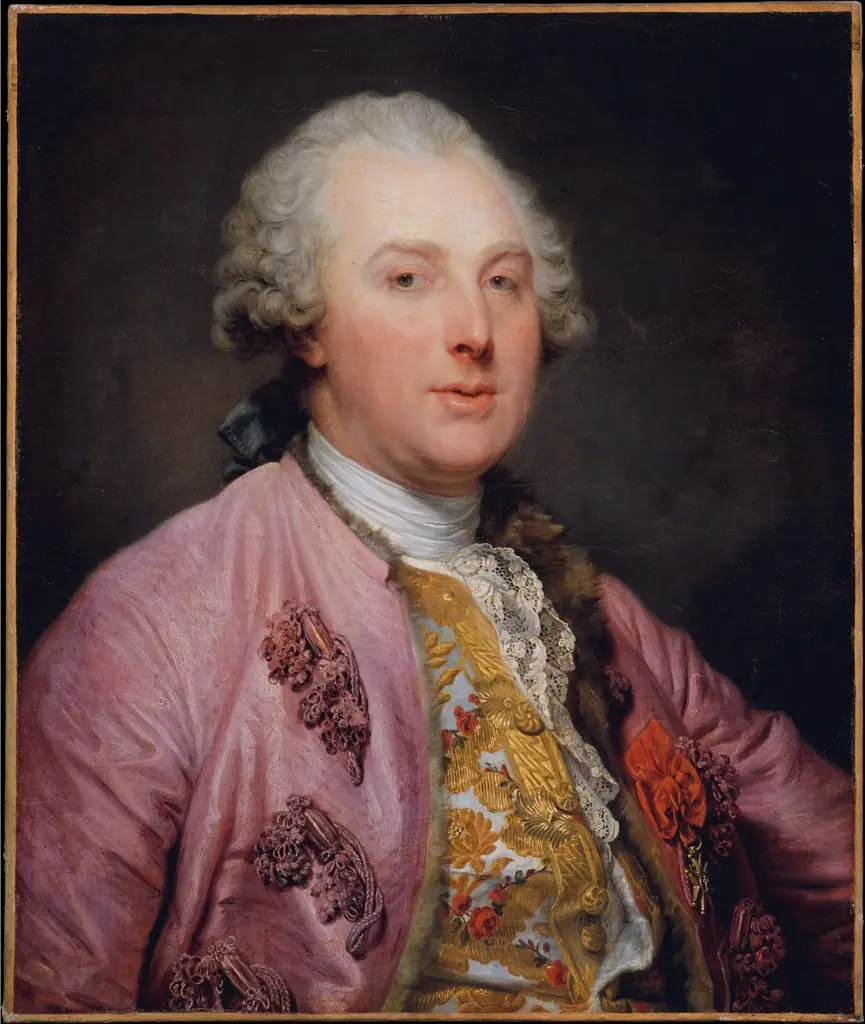 Portrait of Charles Claude de Flahaut de La Billarderie (Comte d'Angiviller)
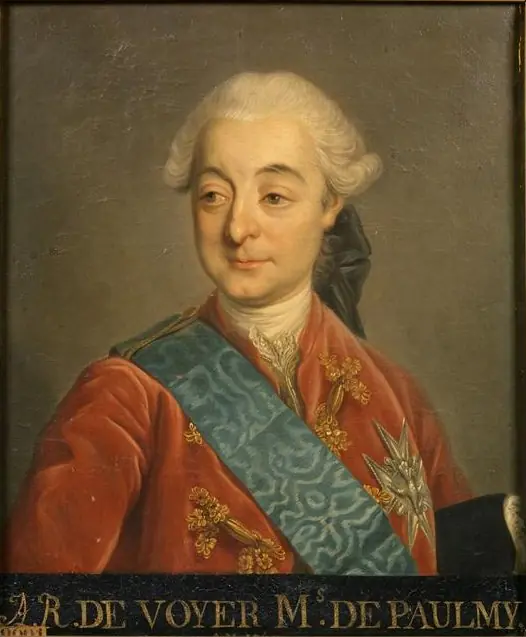 Antoine-René de Voyer de Paulmy, marquis d'Argenson (1722-1787), ministre
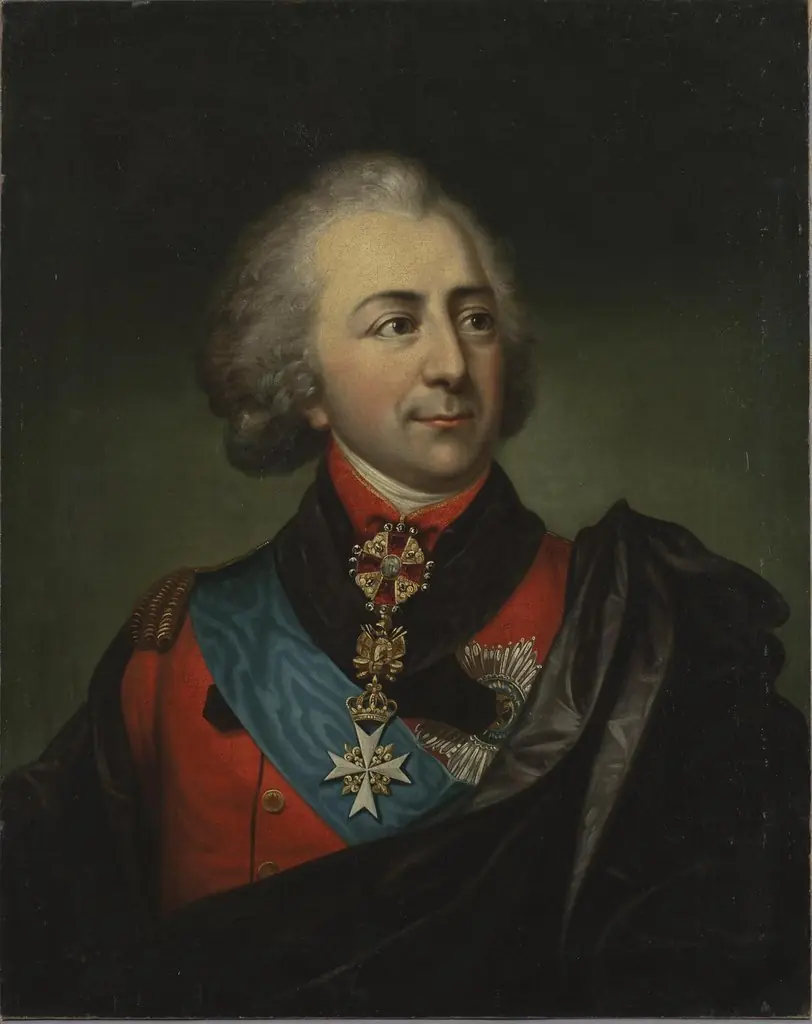 Portrait of Count Ivan Kutaisov
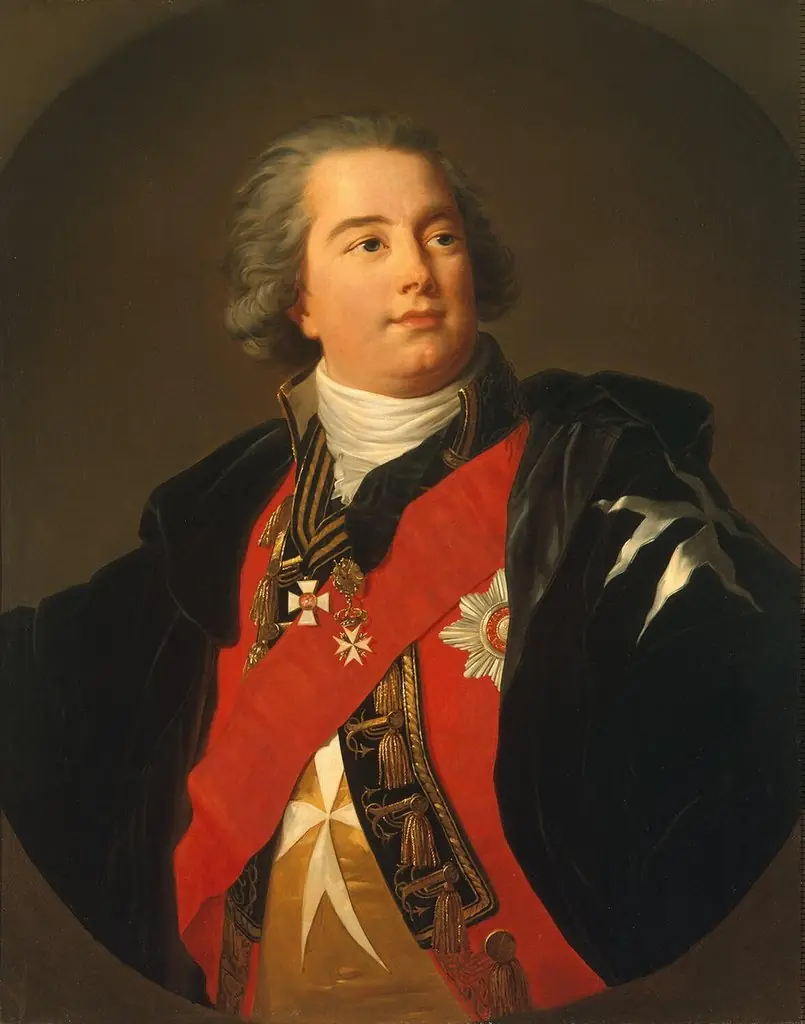 Portrait of Count Yuly Litta
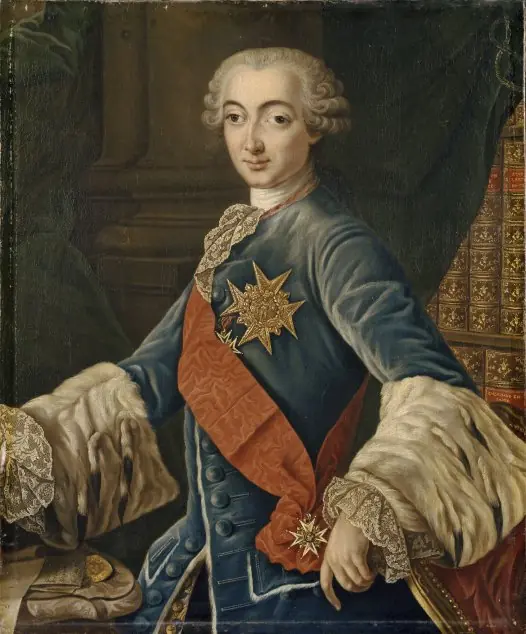 Antoine-René de Voyer, marquis de Paulmy d'Argenson (1722-1787), diplomate français.
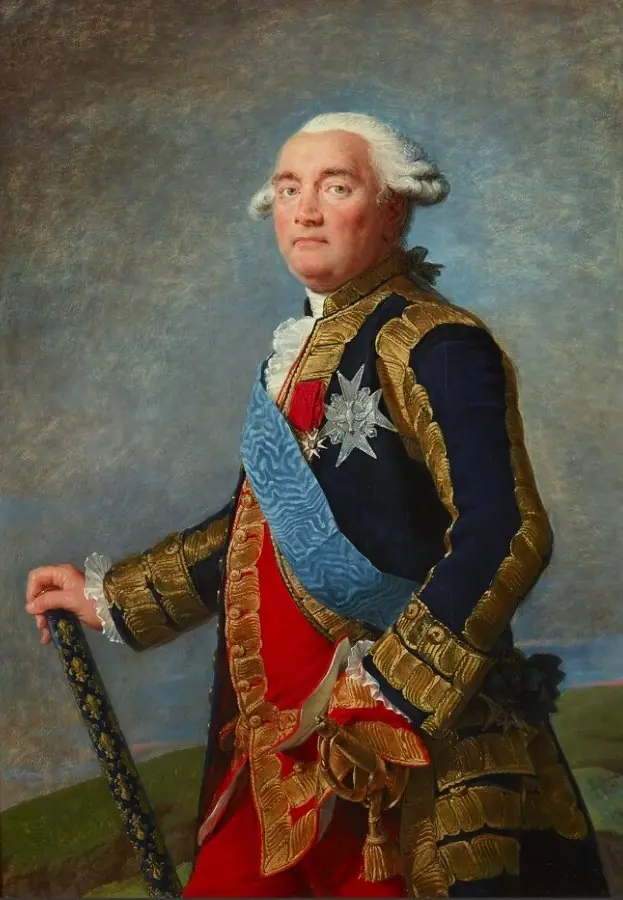 Philippe Henri, marquis de Ségur-Ponchat (1724–1801), französischer Marschall und Kriegsminister
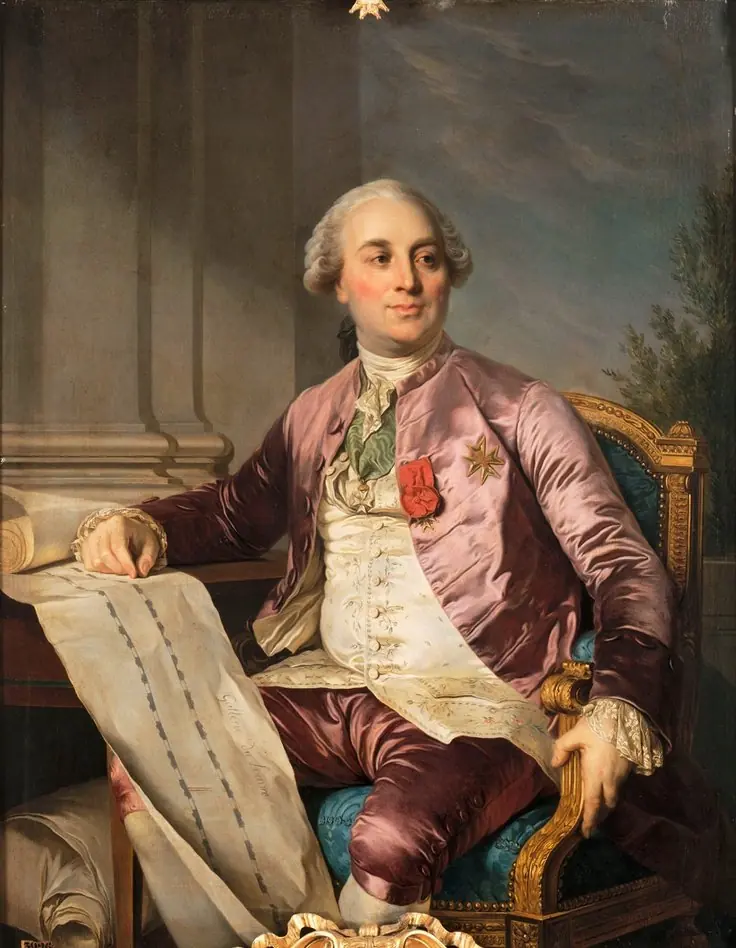 Charles-Claude Flahaut de la Billaderie
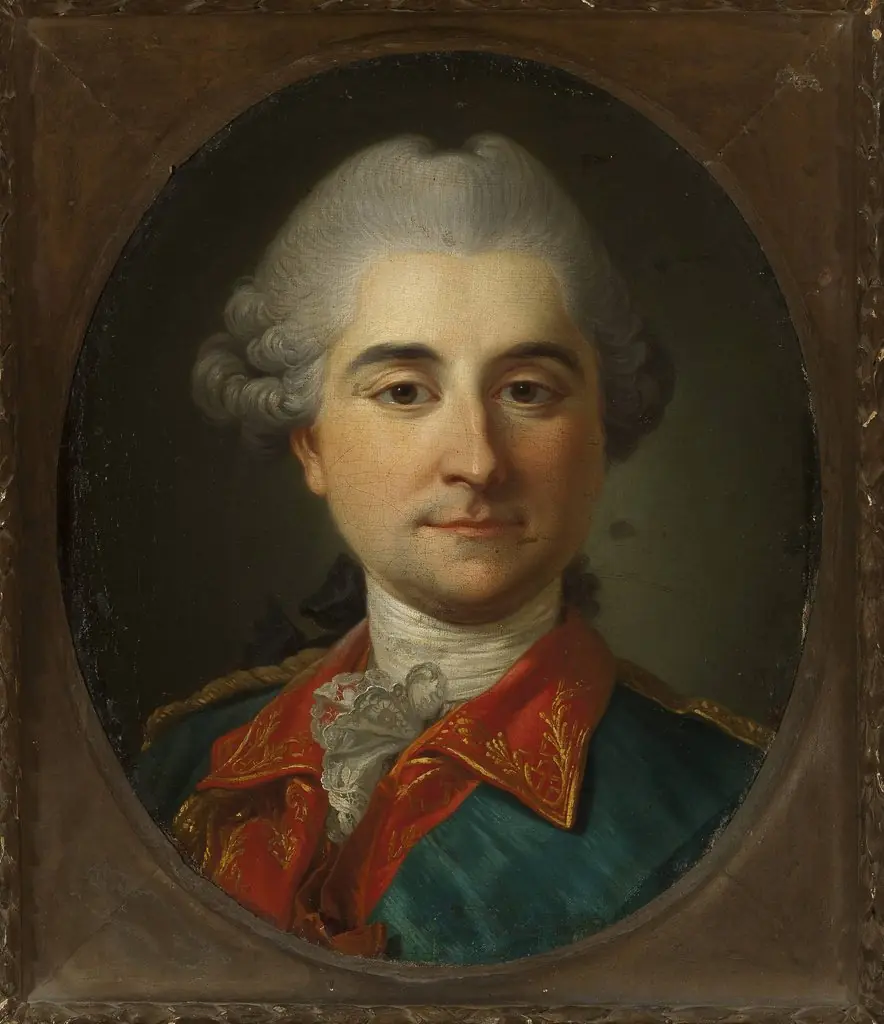 Portrait of Stanisław August Poniatowski
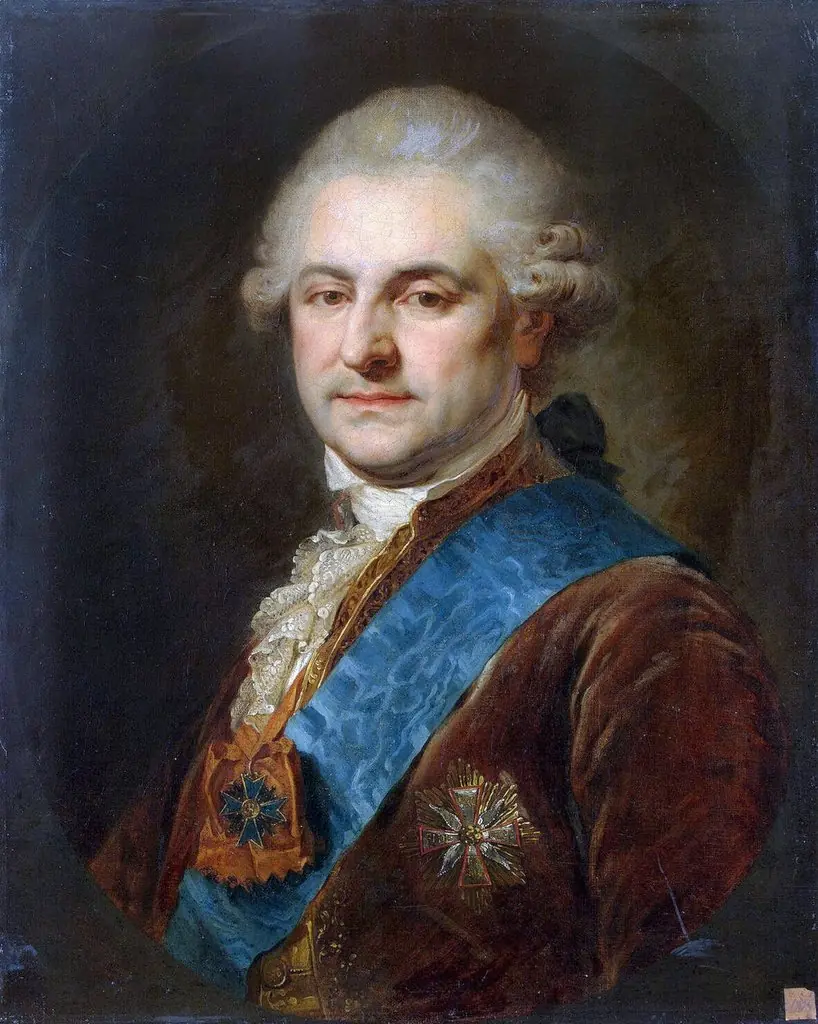 Portrait of Stanislas-Auguste Poniatowski
 Portrait of Jacques Necker (1732-1804)