Artwork
Portrait of John Ridge
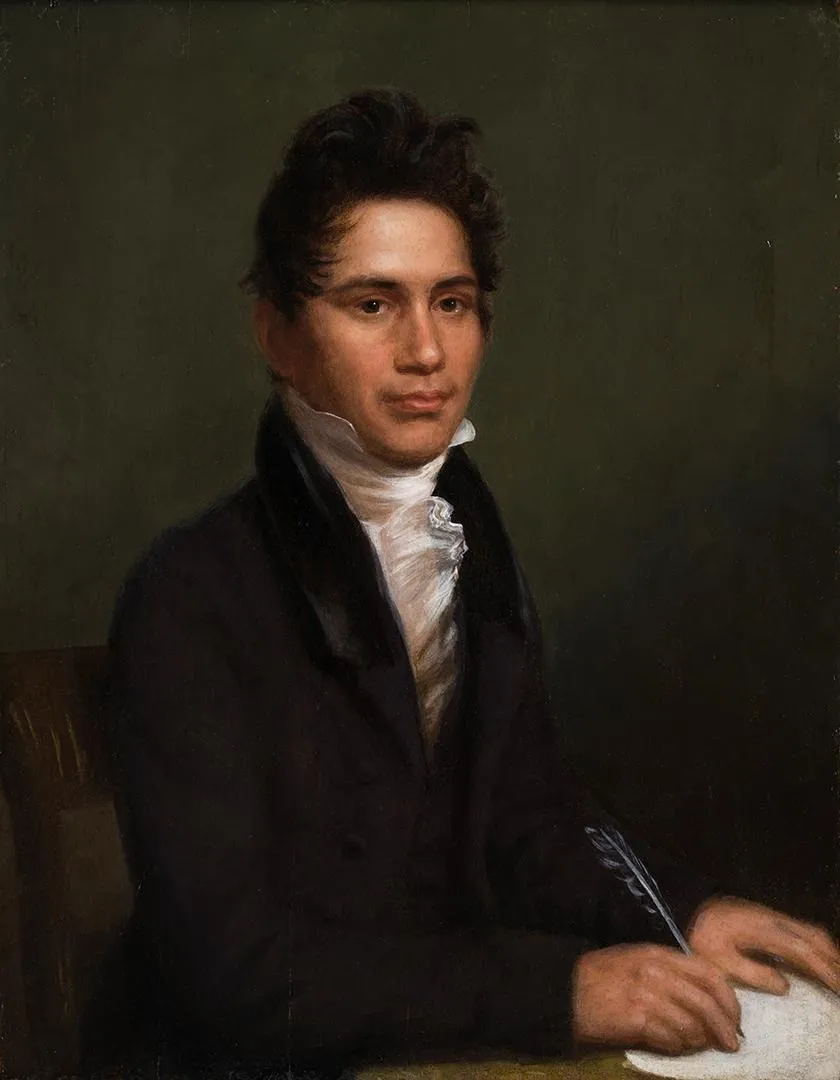
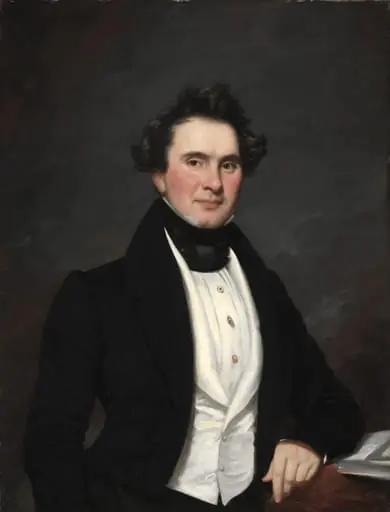
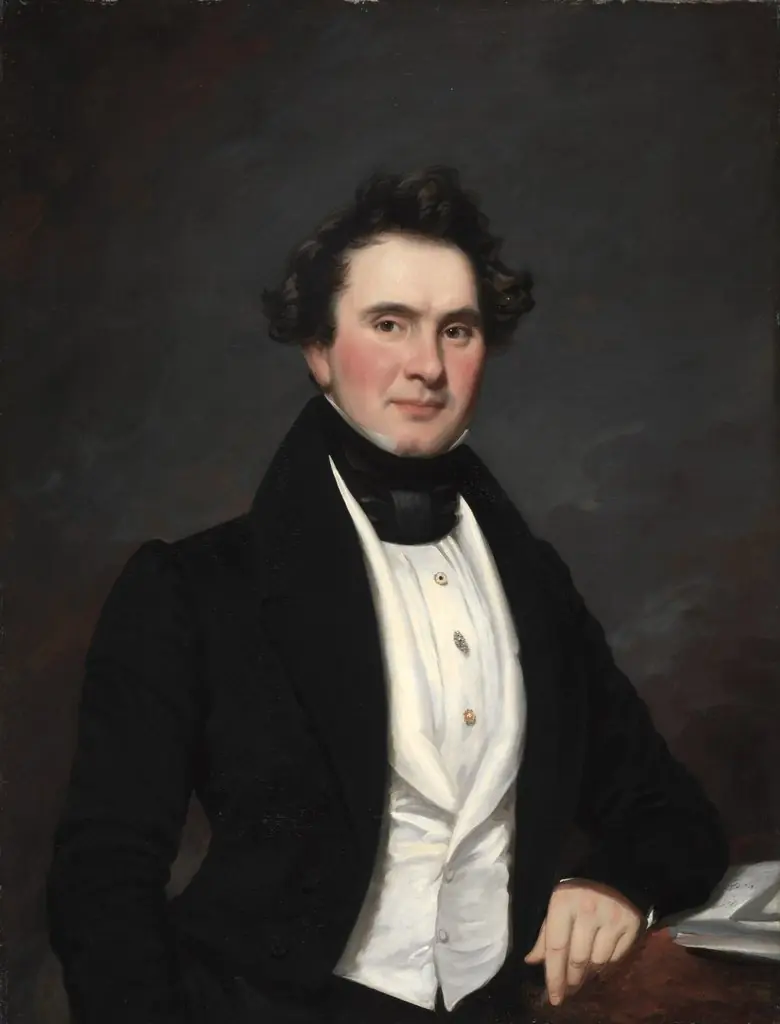
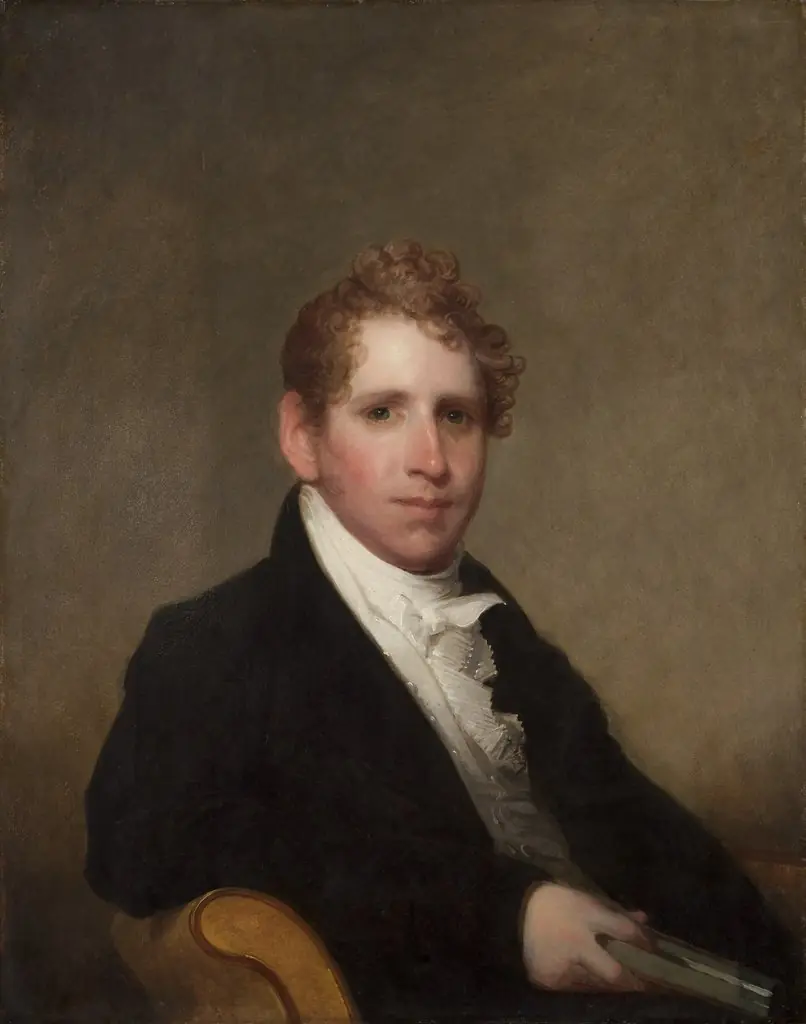
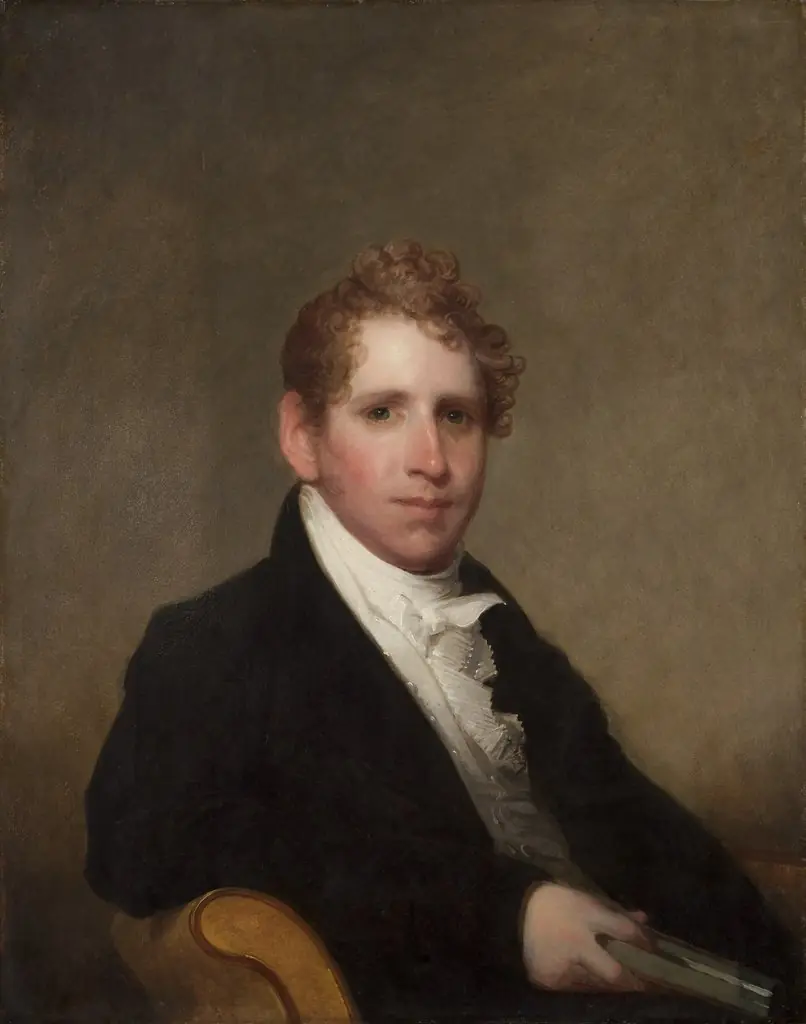
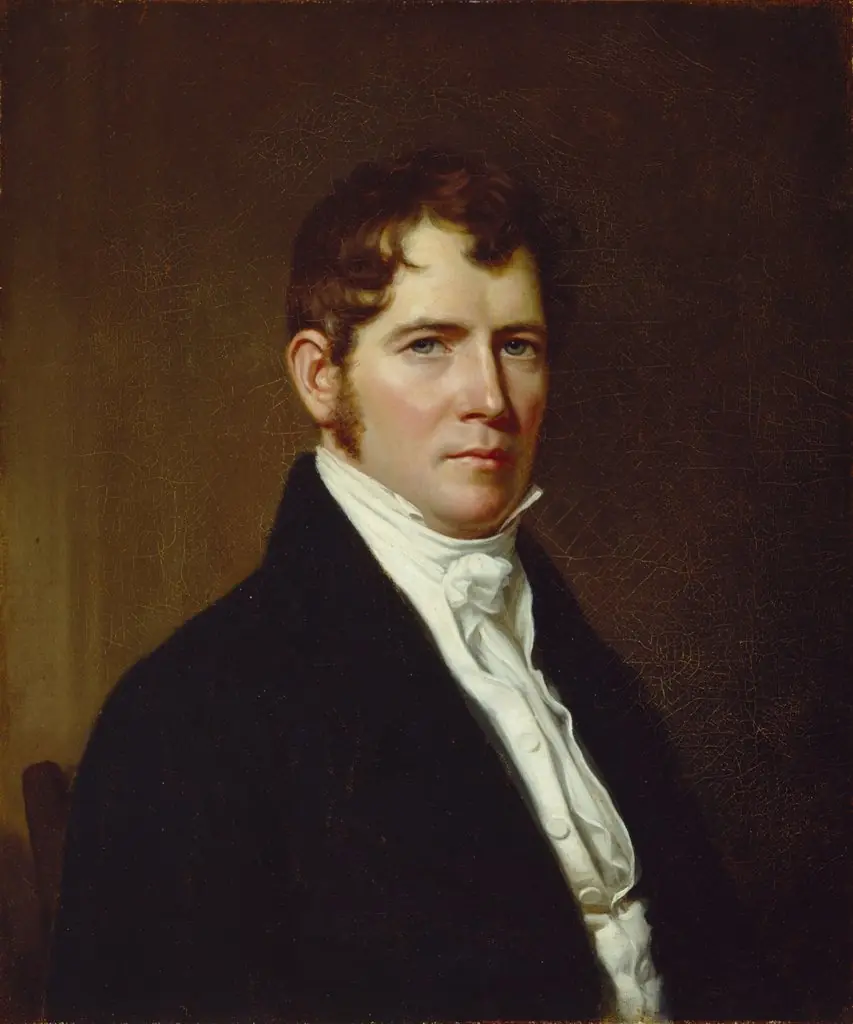
Portrait of John Ridge is an unspecified painting by the Realist artist Charles Bird King. It dates from 1825 and is held in the collection of the Crystal Bridges Museum of American Art.
About this work
Overview
The painting belongs to the Crystal Bridges Museum of American Art, where it remains part of a broader collection of early 19th-century American portraiture.
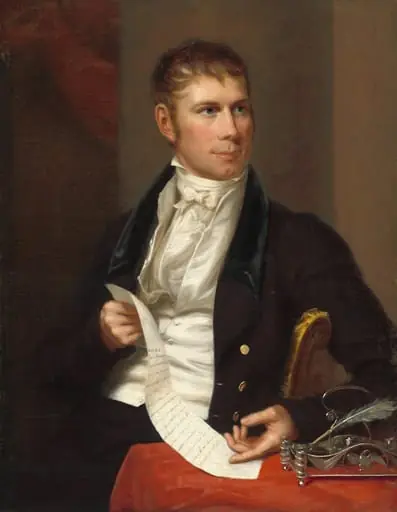
Charles Bird King painted this portrait of John Ridge in 1825, capturing a Cherokee leader and intellectual during a period of intense political change. King, known for documenting Native American figures commissioned by the U.S. government, rendered Ridge with quiet formality. The painting belongs to the Crystal Bridges Museum of American Art, where it remains part of a broader collection of early 19th-century American portraiture.
Subject & Meaning
John Ridge was a Cherokee diplomat and writer who advocated for tribal sovereignty through engagement with U.S. institutions. His portrayal in formal attire, holding a quill, emphasizes his role as a literate negotiator rather than a stereotypical figure. The composed gaze and poised gesture suggest agency and intellectual presence, aligning with Ridge’s efforts to assert Cherokee identity within a colonial framework.
Technique & Style
King employed a restrained realism influenced by Dutch portraiture, favoring subtle lighting and precise detail over dramatic flair. Ridge’s black jacket and high-collared shirt are rendered with careful texture, while the muted background isolates the figure without distraction. The quill and paper imply action frozen mid-thought, reinforcing a narrative of deliberation and authority through quiet composition.
History & Provenance
Commissioned as part of a federal initiative to document Native American leaders, the portrait was created during Ridge’s 1824–25 visit to Washington, D.C. It entered the Smithsonian’s collection before being transferred to Crystal Bridges Museum of American Art. Its preservation reflects shifting attitudes toward Native representation in institutional collections over the past two centuries.
Context
Painted amid debates over Cherokee removal and land rights, the portrait emerged during a time when federal policy sought to assimilate Indigenous peoples. King’s depictions, though visually respectful, were often used to support government narratives. Ridge’s image, however, complicates that agenda by asserting his own cultural and political legitimacy through the very act of being portrayed.
Legacy
The portrait endures as a record of Native leadership during a critical juncture in U.S.-Cherokee relations. While King’s broader body of work has been critiqued for its institutional alignment, this image stands as a nuanced artifact—capturing not just a likeness, but a moment when Indigenous agency was visually asserted within a colonial system.
Artist & collection
Artist
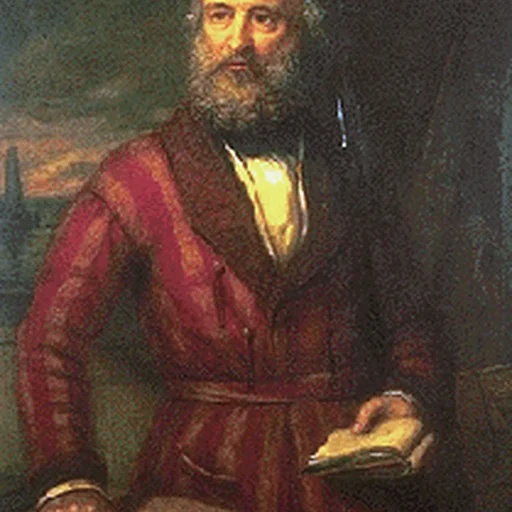
Charles Bird King (September 26, 1785 – March 18, 1862) was an American portrait artist, best known for his portrayals of significant Native American leaders and tribesmen.

Museum
Crystal Bridges Museum of American Art
Continue through works from the same source collection.