Artwork
Carnival
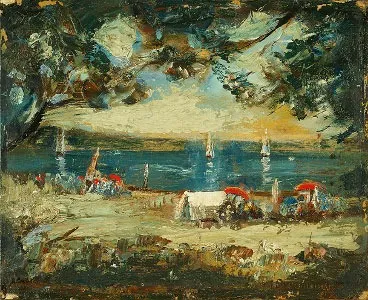
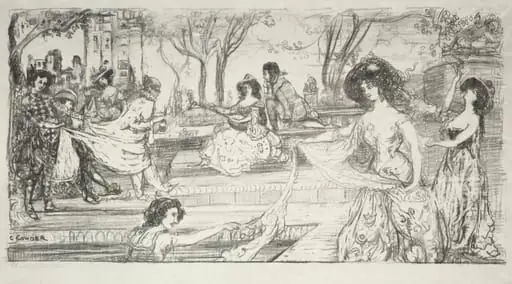
Carnival is an unspecified painting by Charles Conder. It dates from 1896 and is held in the collection of the National Gallery of Victoria.
About this work
Overview
Charles Conder’s 1896 oil painting *Carnival* captures a bustling outdoor celebration set in a park. Figures mingle amid balloons, streamers, and game stalls, while trees and distant buildings frame the scene. The composition guides the eye across the lively gathering, conveying a sense of motion and communal enjoyment characteristic of late‑19th‑century Australian genre scenes.
Subject & Meaning
The work portrays a public festivity, emphasizing social interaction and leisure in an urban‑suburban environment. Groups of laughing participants, children at games, and adults in conversation suggest a moment of collective merriment, reflecting the growing cultural confidence of a young Australian society eager to define its own recreational customs.
Technique & Style
Conder employs a bright, varied palette to delineate figures and foliage, using loose brushwork that enhances the painting’s dynamism. The handling of light and shadow hints at chiaroscuro influences, while the balanced arrangement of foreground activity against a receding backdrop demonstrates his command of spatial depth, typical of the Heidelberg School’s plein‑air approach.
History & Provenance
Born in England and later settling in Australia, Conder became a central figure in the Heidelberg School, a movement that sought a distinctly Australian visual language. *Carnival* entered the National Gallery of Victoria’s collection, where it remains part of the institution’s representation of late‑colonial Australian art.
Artist & collection
Artist
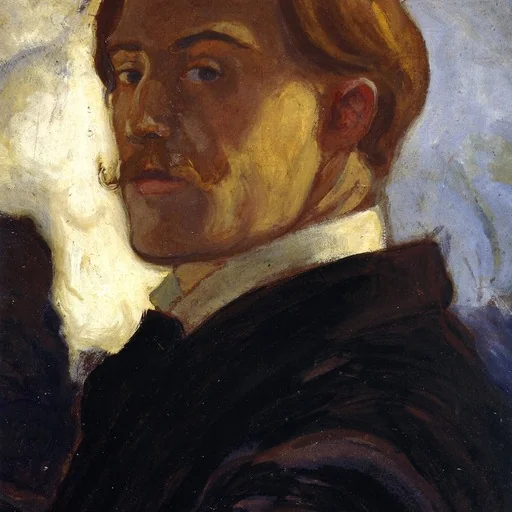
Charles Edward Conder (24 October 1868 – 9 February 1909) was an English-born painter, lithographer and designer.

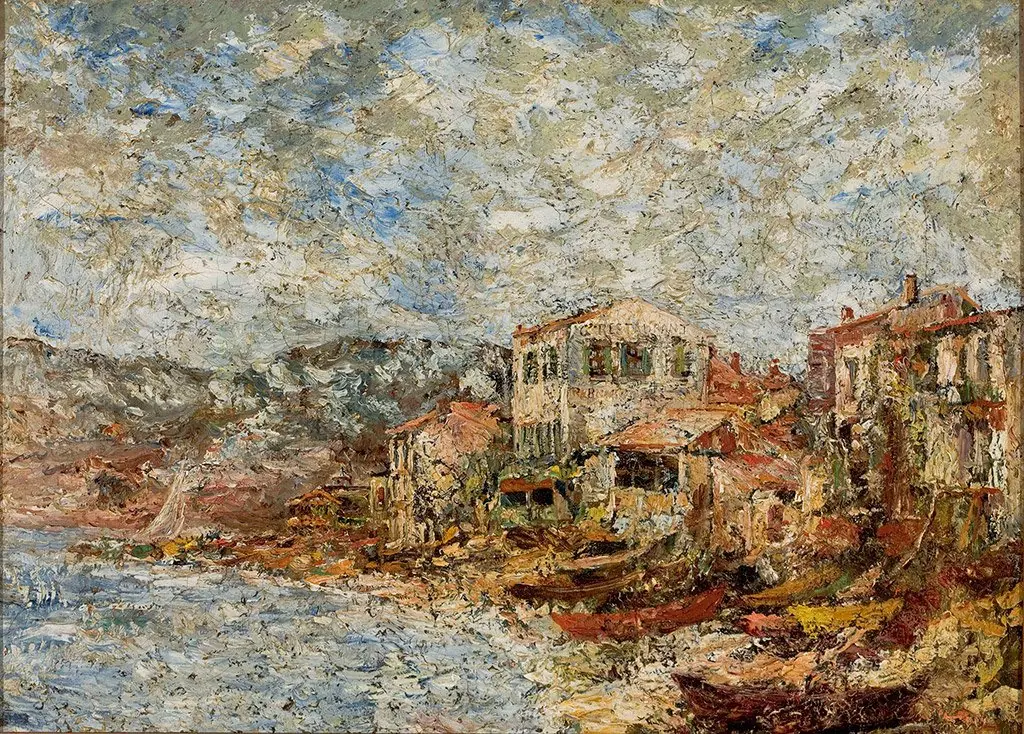 Marinha perto de Marselha (Aldeia Fantástica)
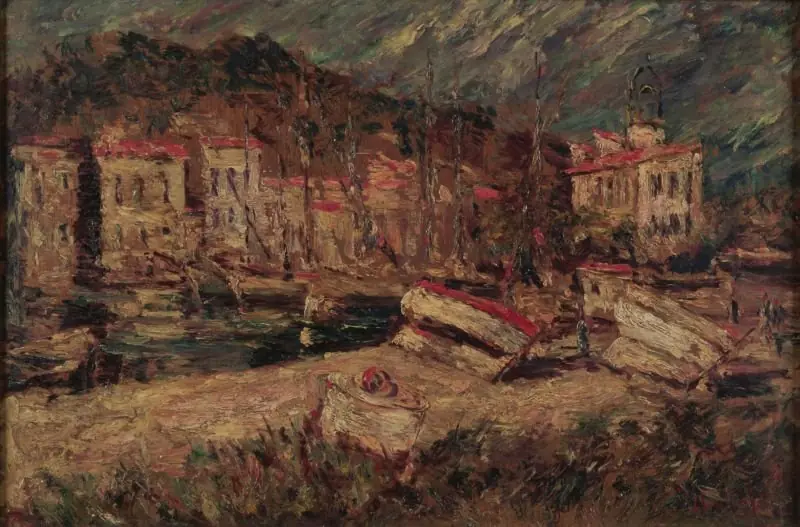 Port of Cassis
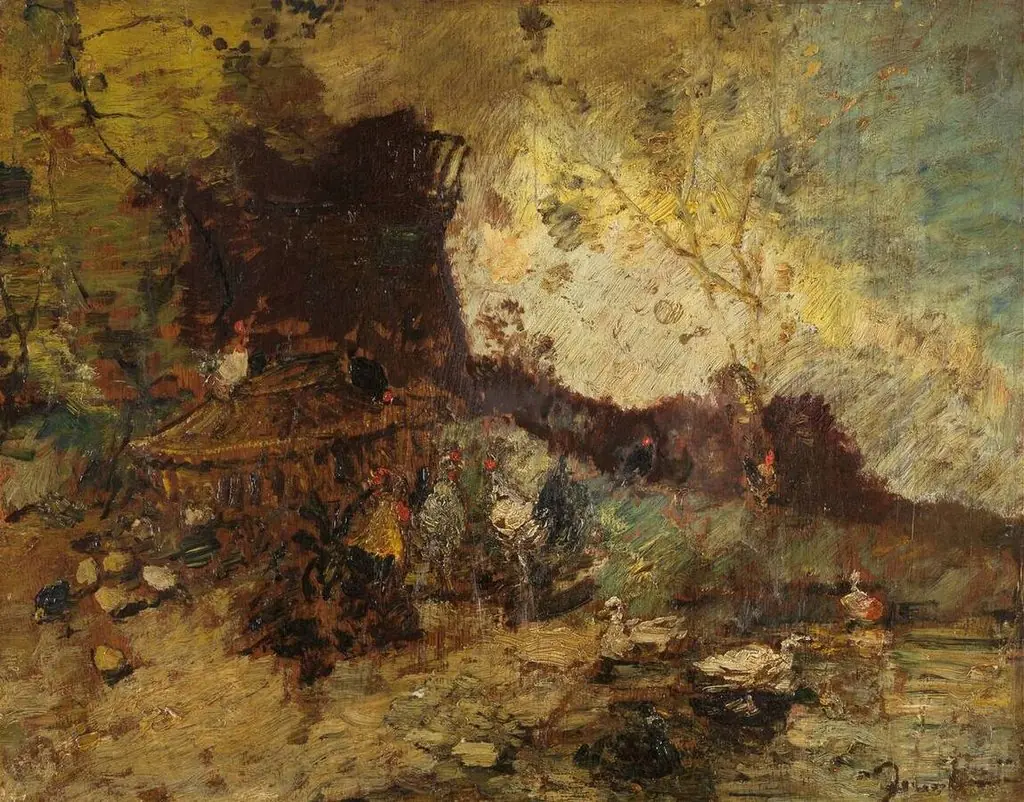 Poultry near the ruins of a mill
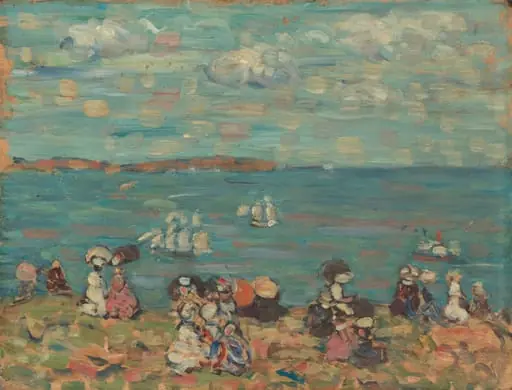 St. Malo
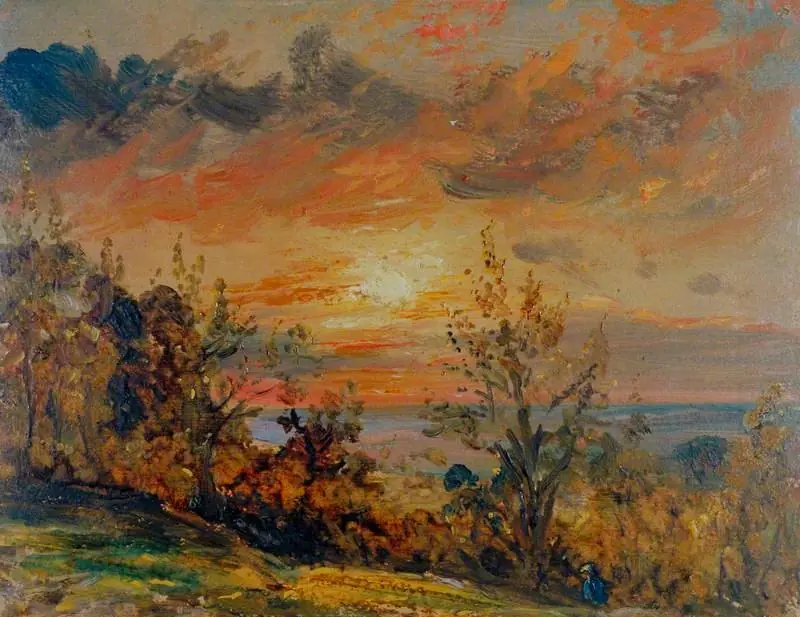 Sketch at Hampstead, Evening
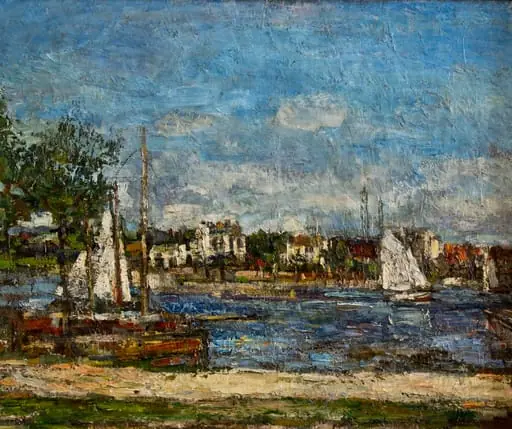 Peisaj cu ambarcațiuni
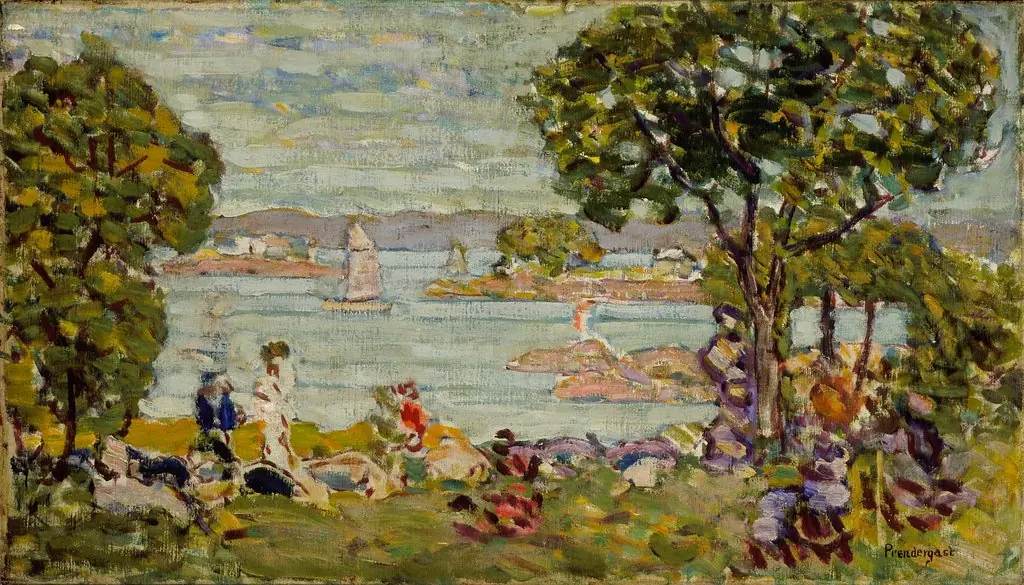 Cove, Maine
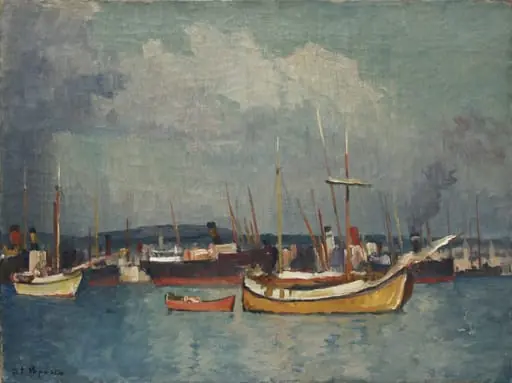 În port
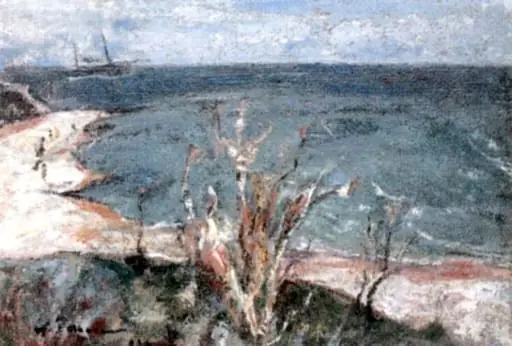 Peisaj marin
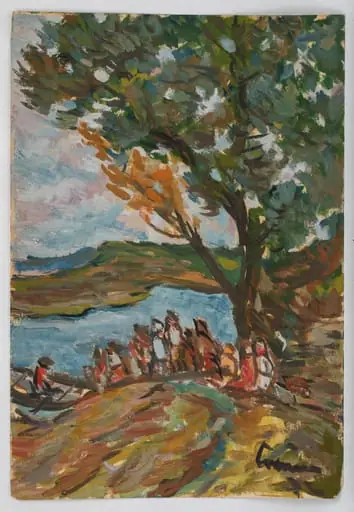 Peisaj de toamnă cu un râu la marginea căruia, pe o barcă, se urcă câteva persoane care au format un rând. Personajele umane sunt abia schițate. Peisajul este mai bine conturat; în dreapta, plan secund, un grup de copaci foarte înalți; în mijlocul lucrării - râul, iar în plan îndepărtat, dealuri și cerul. Semnat și datat, cu negru, dreapta jos: Craiu 1972.
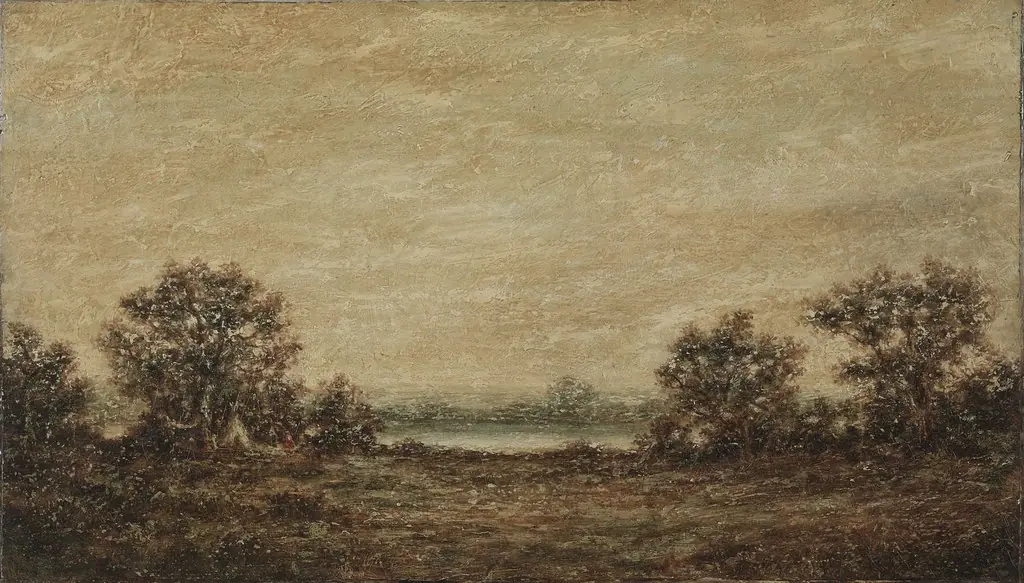 Yellow Light
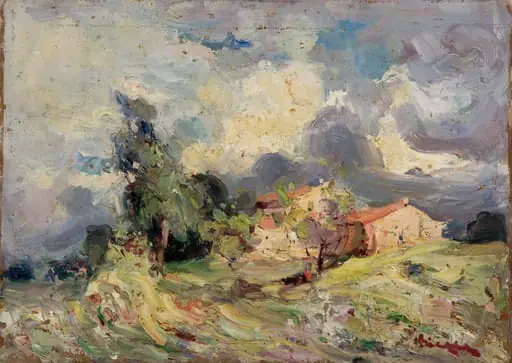 Peisaj în furtună