Artwork
Venetian Night
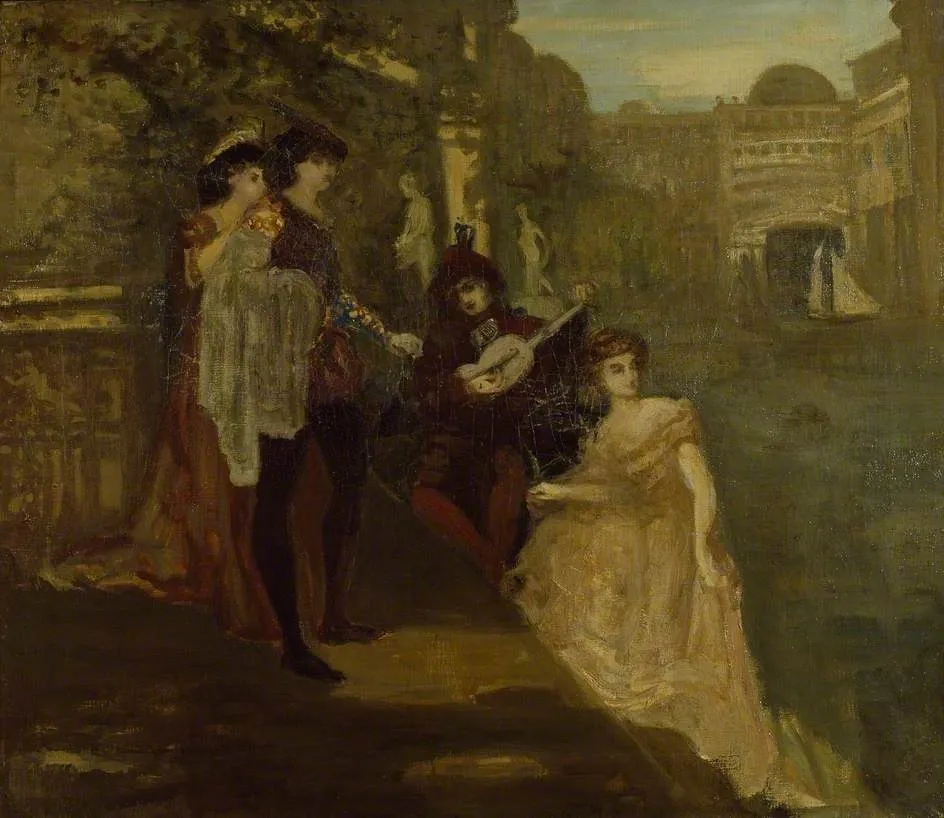
Venetian Night is an oil painting by the Post-Impressionist artist Charles Conder. It dates from 1896 and is held in the collection of the Ashmolean Museum.
About this work
Overview
Charles Conder completed *Venetian Night* in 1896 using oil paint, marking a moment in his career after leaving England and before settling in Australia.
Charles Conder completed *Venetian Night* in 1896 using oil paint, marking a moment in his career after leaving England and before settling in Australia. The painting captures a quiet evening in Venice, reflecting his engagement with post-impressionist approaches to color and atmosphere. It is now part of the Ashmolean Museum’s collection, where it stands as an example of his international influences and evolving style during the late 19th century.
Subject & Meaning
The scene depicts a small group of figures in a nocturnal Venetian setting: a woman seated on the ground, a man playing a stringed instrument, and two others standing nearby. The composition avoids narrative drama, instead emphasizing stillness and solitude. The figures appear absorbed in their moment, suggesting themes of quiet human connection amid the stillness of the city at night, softened by the absence of sharp detail or strong action.
Technique & Style
Conder employed loose brushwork and muted tones to evoke the hushed quality of twilight. Light is diffused rather than sharply defined, with subtle gradations between the dark waters, shadowed architecture, and the pale fabric of the seated woman’s dress. The palette favors cool blues and soft grays, avoiding the vivid contrasts of traditional chiaroscuro in favor of a more atmospheric, tonal harmony characteristic of post-impressionist experimentation.
History & Provenance
Painted during Conder’s time in Europe, *Venetian Night* was created after his involvement with the Heidelberg School in Australia and before his permanent move to England. The work remained in private hands until entering the Ashmolean Museum’s collection, where it has been preserved as part of a broader survey of British and international artists working in the late 19th century.
Context
Conder’s Venetian scene aligns with a broader European interest in nocturnal urban life during the 1890s, a period when artists increasingly turned to quiet, everyday moments over grand historical themes. His approach, influenced by French and British post-impressionists, diverged from the bright, open-air scenes of his Australian peers, instead embracing the introspective mood of city nights under artificial and moonlit glow.
Legacy
Though not widely exhibited, *Venetian Night* remains a quiet testament to Conder’s ability to merge international aesthetics with personal observation. It reflects his role as a transnational figure in late 19th-century art, bridging Australian, British, and continental traditions. The painting contributes to understanding how post-impressionist ideas were adapted beyond France, particularly by artists navigating multiple cultural contexts.
Artist & collection
Artist
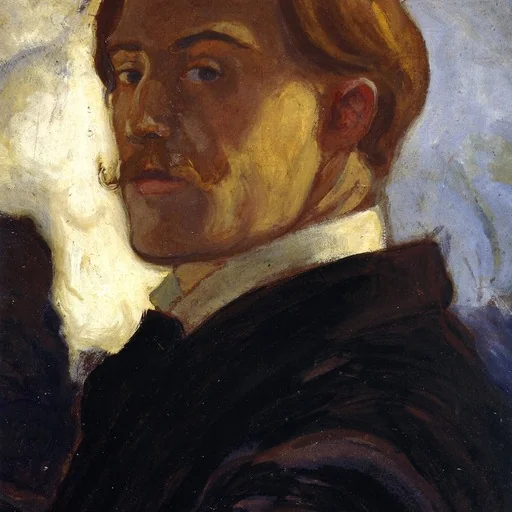
Charles Edward Conder (24 October 1868 – 9 February 1909) was an English-born painter, lithographer and designer.

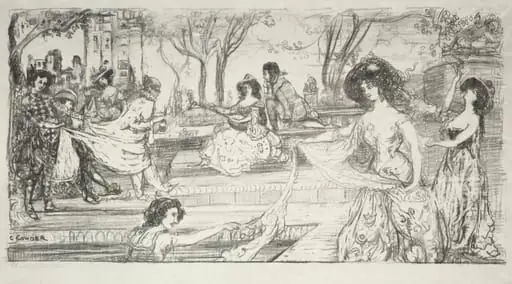
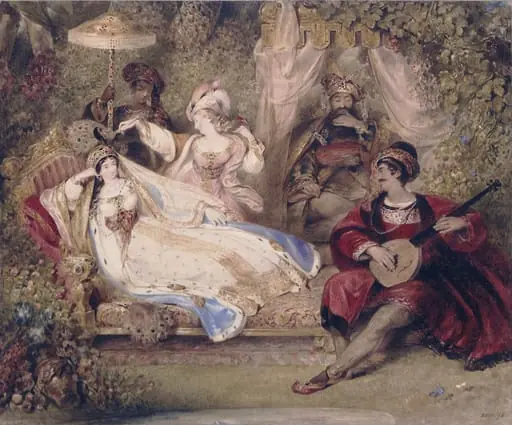 Feramorz relating he story of the Peri
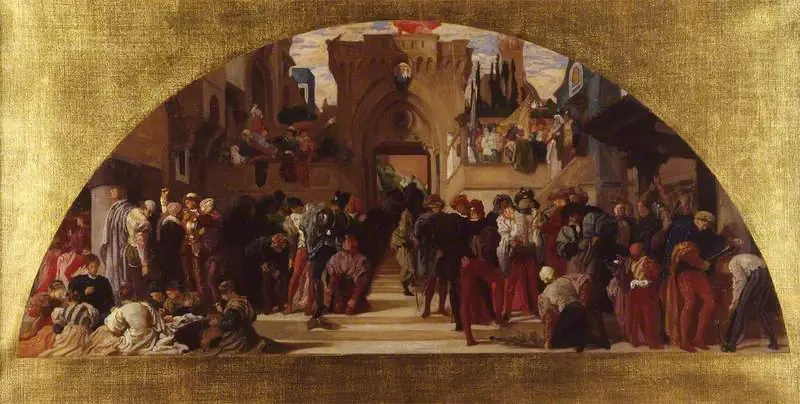 The Arts of Industry as Applied to War (study for a wall painting in the Victoria and Albert Museum)
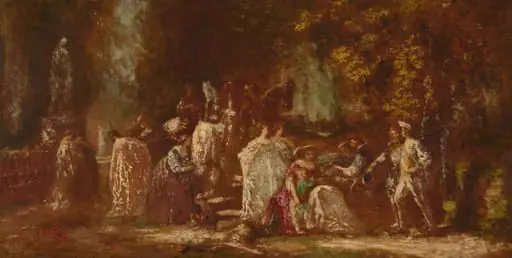 Return from the Hunt
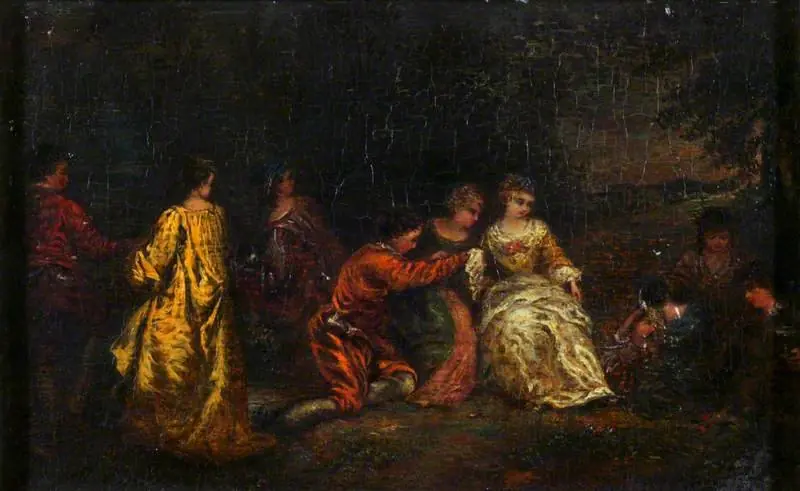 Fête champêtre
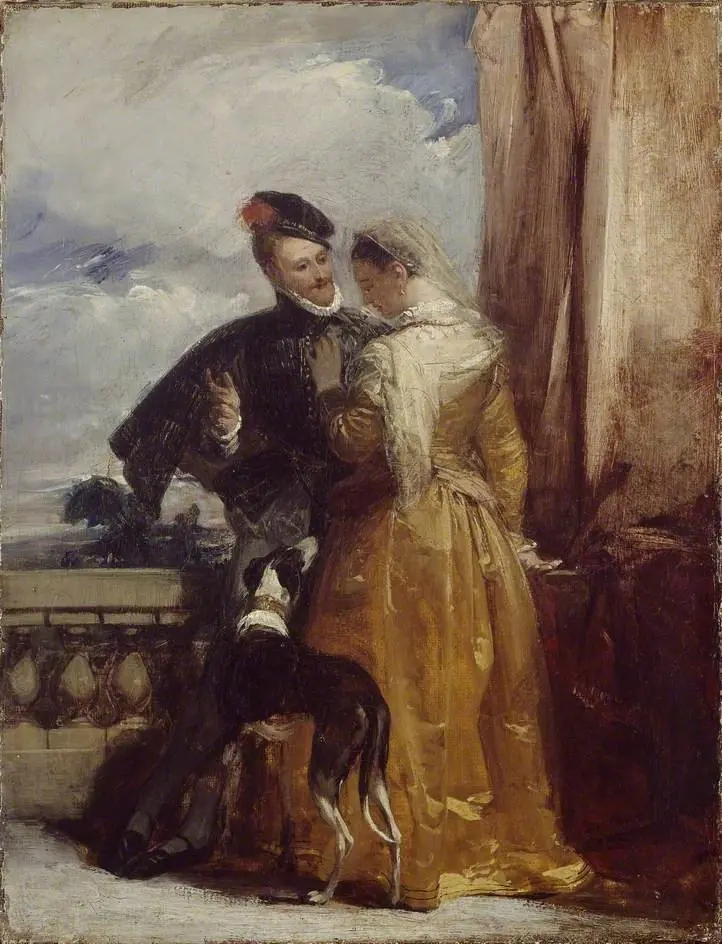 Amy Robsart and the Earl of Leicester
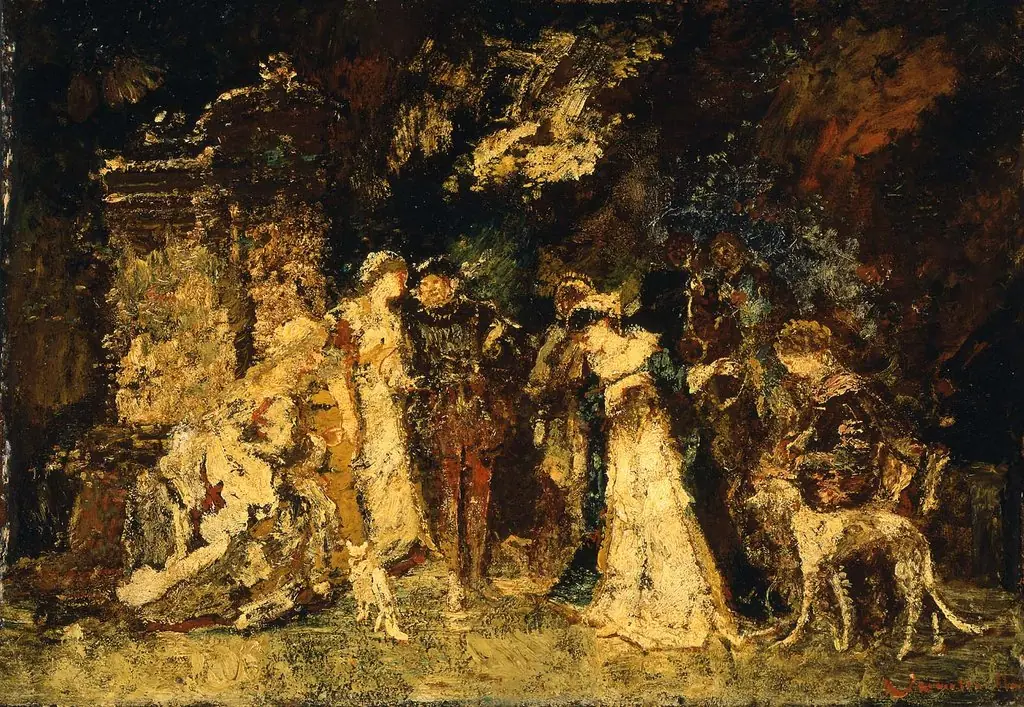 Figures in Renaissance Costume
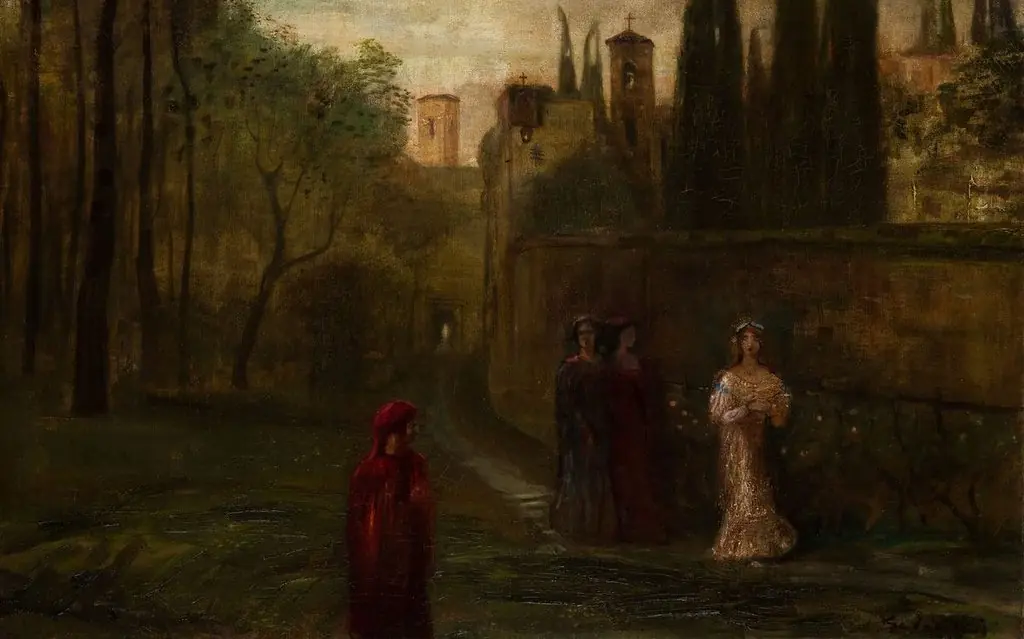 Dante's Meeting with Beatrice
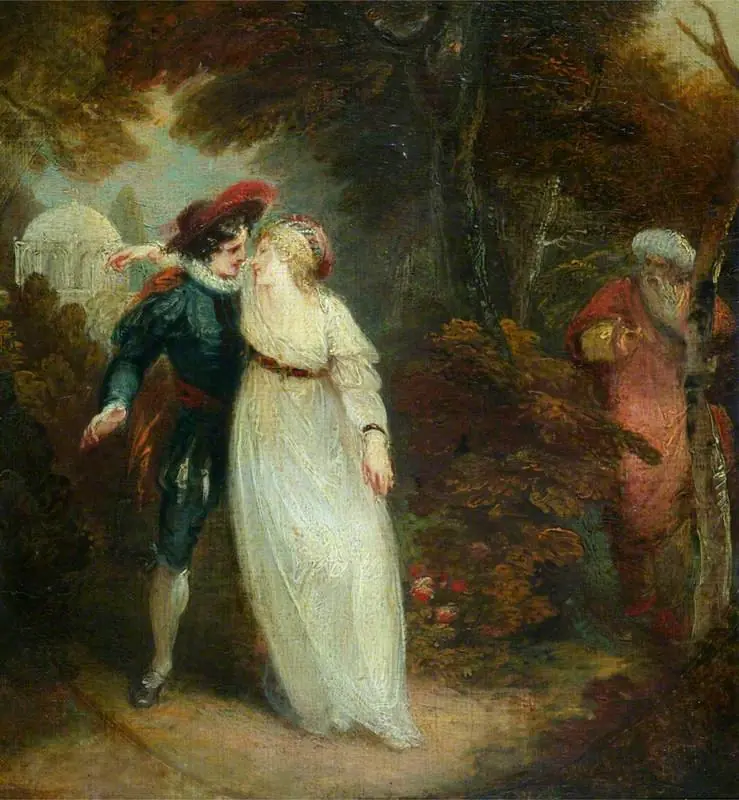 Zoraida, Discovered by Her Father, Agimorato, in the Arms of Rui Pérez de Viedma (from Cervantes' 'Don Quixote', Part I, Chapter 14)
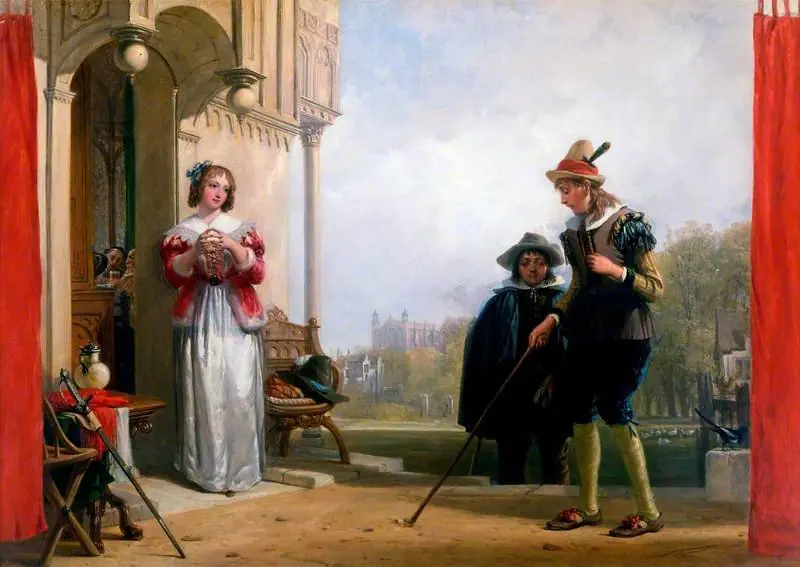 Slender and Anne Page (from 'The Merry Wives of Windsor' by William Shakespeare)
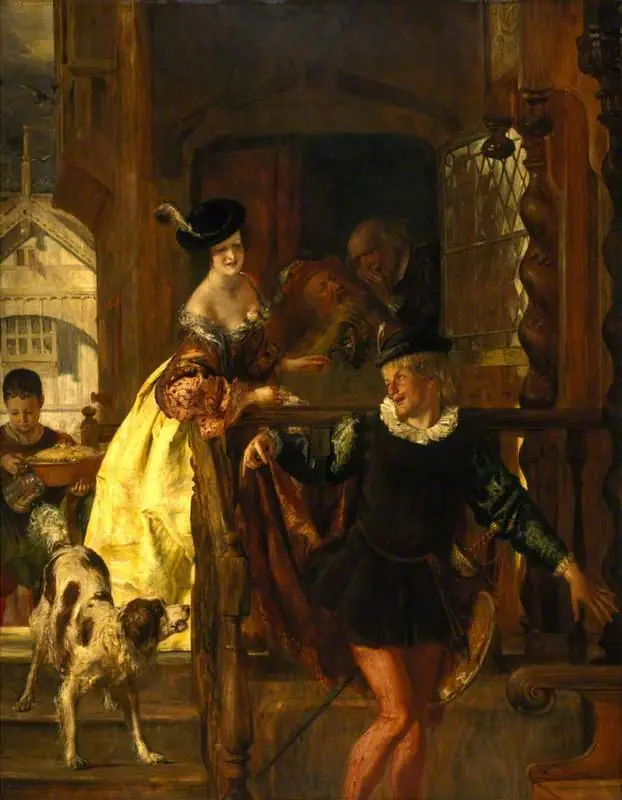 Anne Page Inviting Slender to Dinner
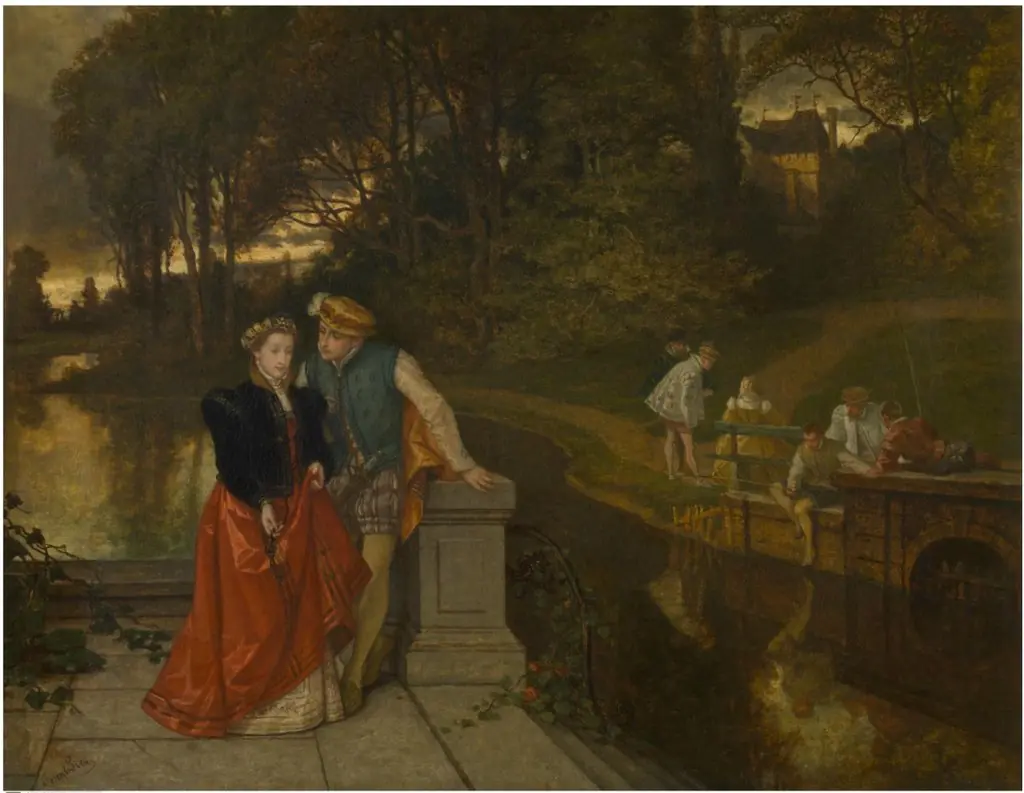 Lovers in the park
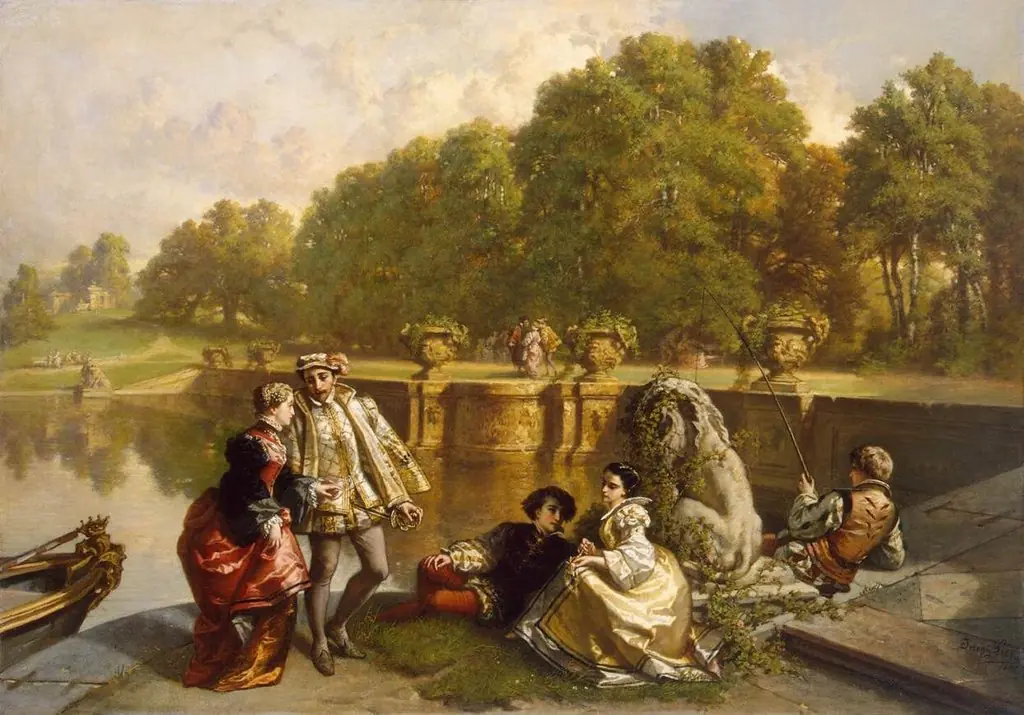 Scene in a Park