Artwork
The Triumph of Minerva
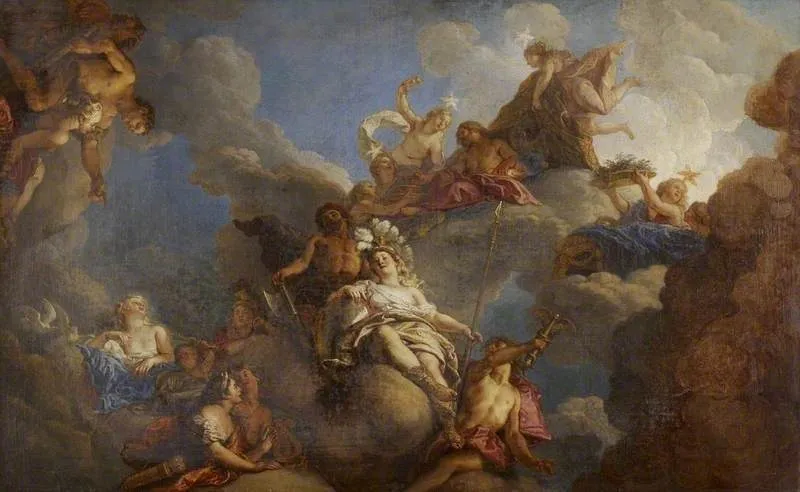
The Triumph of Minerva is an oil painting by the Rococo painting artist Charles de La Fosse. It dates from 1707 and is held in the collection of the Ashmolean Museum.
About this work
Overview
Painted in 1707 by Charles de La Fosse, *The Triumph of Minerva* is an oil-on-canvas work that illustrates a mythological scene centered on the goddess Minerva.
Painted in 1707 by Charles de La Fosse, *The Triumph of Minerva* is an oil-on-canvas work that illustrates a mythological scene centered on the goddess Minerva. Created toward the end of the artist’s career, it reflects the ornamental tendencies of early French Rococo, blending classical subject matter with decorative elegance. The painting is part of the Ashmolean Museum’s collection in Oxford, where it remains a key example of late 17th- to early 18th-century French academic painting.
Subject & Meaning
The painting portrays Minerva, goddess of wisdom and strategic warfare, seated atop a rocky outcrop, crowned with laurel and clad in white. Around her, figures engage in symbolic acts—musicians play, scholars hold scrolls, and attendants offer gifts—evoking the triumph of intellect and civilization over chaos. The composition elevates Minerva as a patron of the arts and reason, aligning with Enlightenment ideals that valued knowledge and order.
Technique & Style
La Fosse employed soft, luminous brushwork and a delicate palette to render the figures and clouds, characteristic of emerging Rococo sensibilities. While the figures are arranged with classical balance, the treatment of fabric and atmosphere leans toward fluidity rather than rigid structure. Subtle gradations of light suggest depth without heavy chiaroscuro, favoring an airy, celebratory tone over dramatic contrast.
History & Provenance
Commissioned during the reign of Louis XIV, the painting likely originated as part of a decorative scheme for a royal or aristocratic residence. It passed through private collections before entering the Ashmolean Museum in the 19th century. Its survival intact, without major alterations, offers insight into French decorative painting practices of the early 1700s and the transition from Baroque grandeur to Rococo intimacy.
Context
In the decades following Louis XIV’s death, French art shifted from monumental Baroque themes toward lighter, mythological narratives favored by the court at Versailles. La Fosse, trained under Charles Le Brun, adapted his style to meet this new aesthetic, blending classical mythology with decorative grace. *The Triumph of Minerva* reflects this cultural pivot, where intellectual virtue was celebrated through refined visual poetry.
Legacy
Though less widely known than works by his contemporaries, La Fosse’s painting exemplifies the evolution of French academic painting into the Rococo era. It influenced later decorative cycles in aristocratic interiors and contributed to the enduring appeal of mythological allegory in 18th-century European art. The Ashmolean’s preservation of the work ensures its continued study as a bridge between Baroque formality and Rococo elegance.
Artist & collection

Artist
Charles de La Fosse (French pronunciation: ; or Lafosse; 15 June 1636 – 13 December 1716) was a French painter born in Paris.


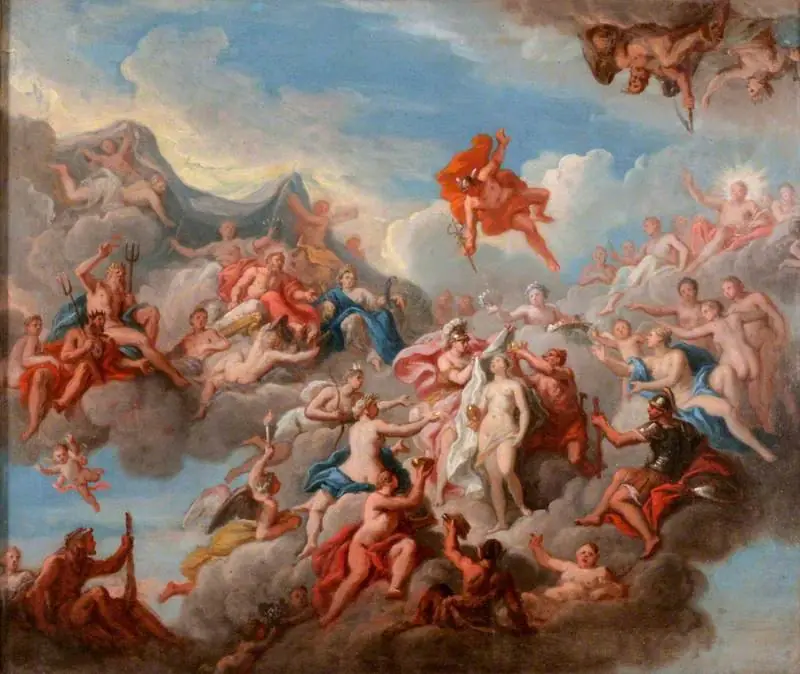 Psyche Being Robed by the Gods for Her Marriage with Cupid (sketch for the ceiling of the stairway at Kiveton)
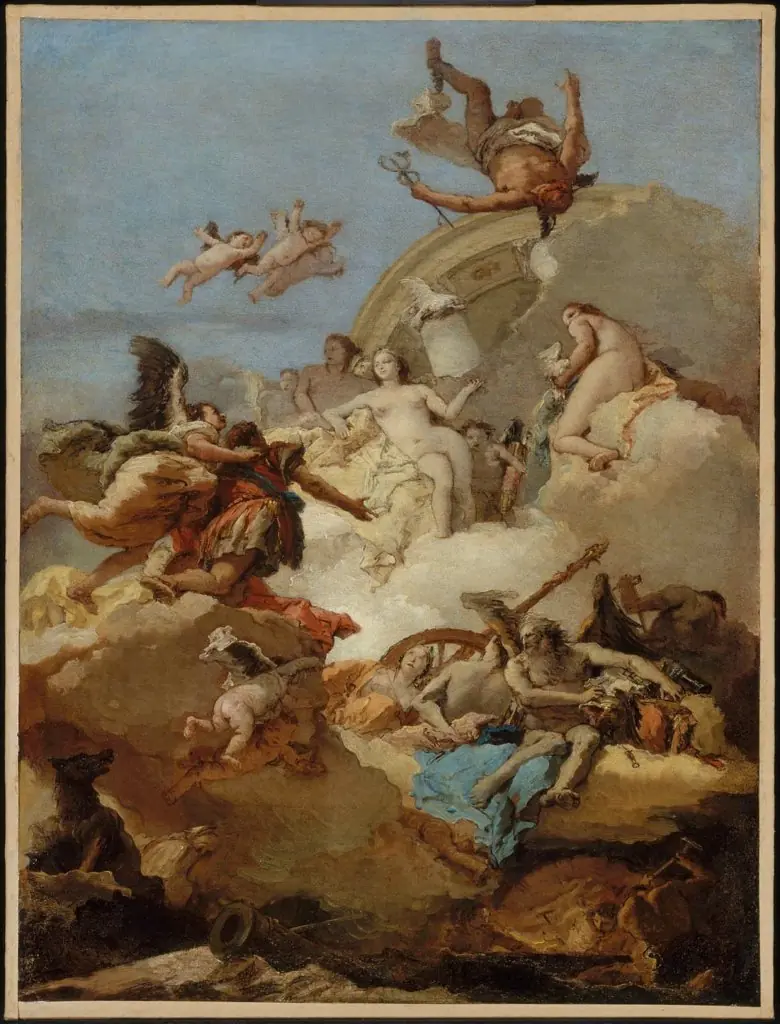 Apotheosis of Aeneas
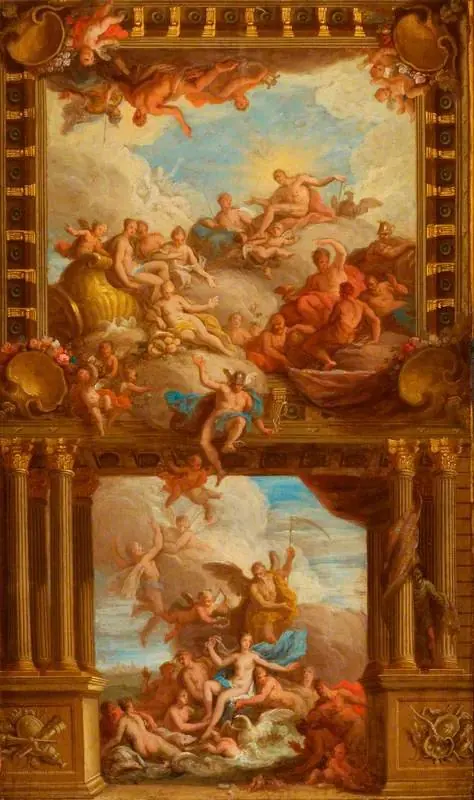 The Birth of Venus, and the Gods of Olympus (sketch for a wall and ceiling decoration)
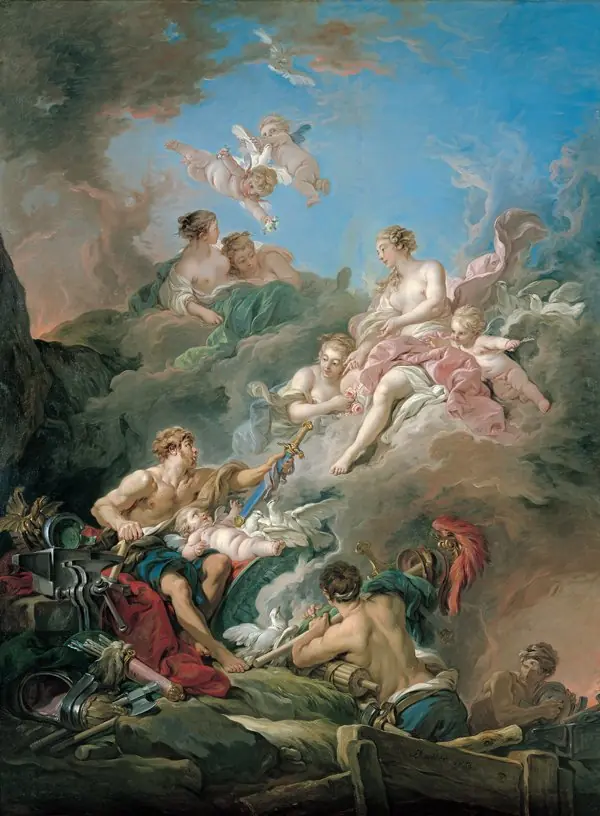 Venus at Vulcan's Forge
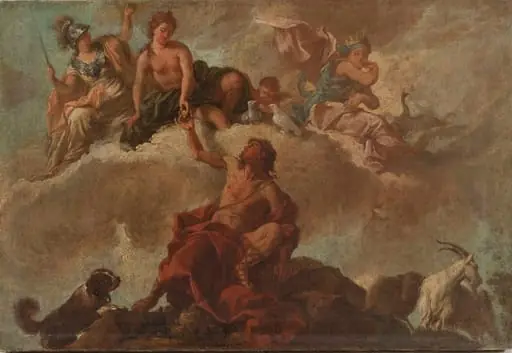 Judecata lui Paris
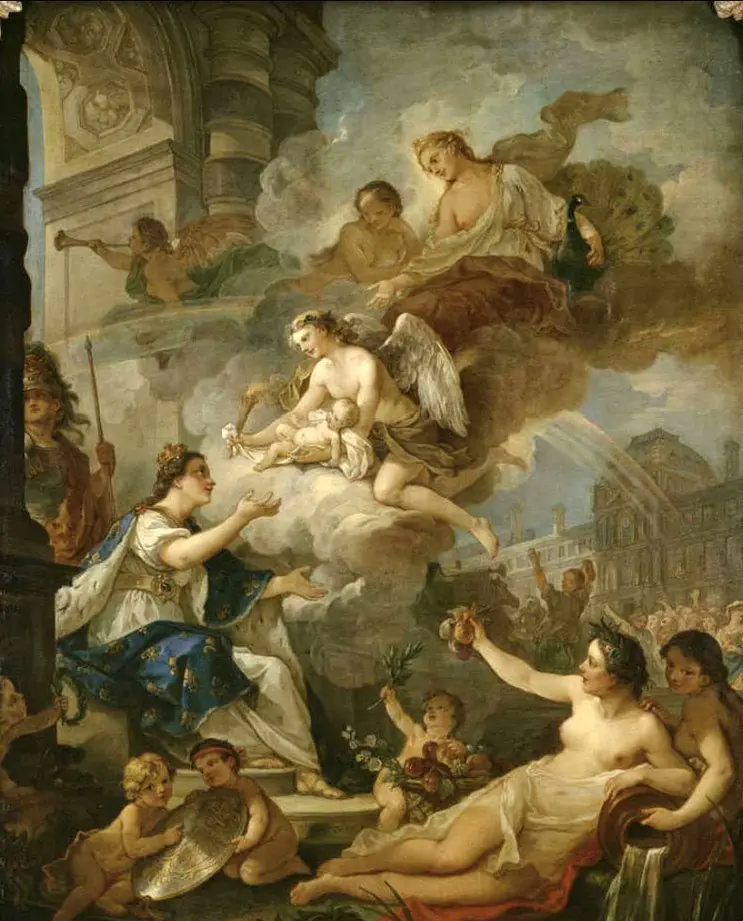 Allegory of the Birth of Marie-Zéphyrine of France, daughter of Louis of France
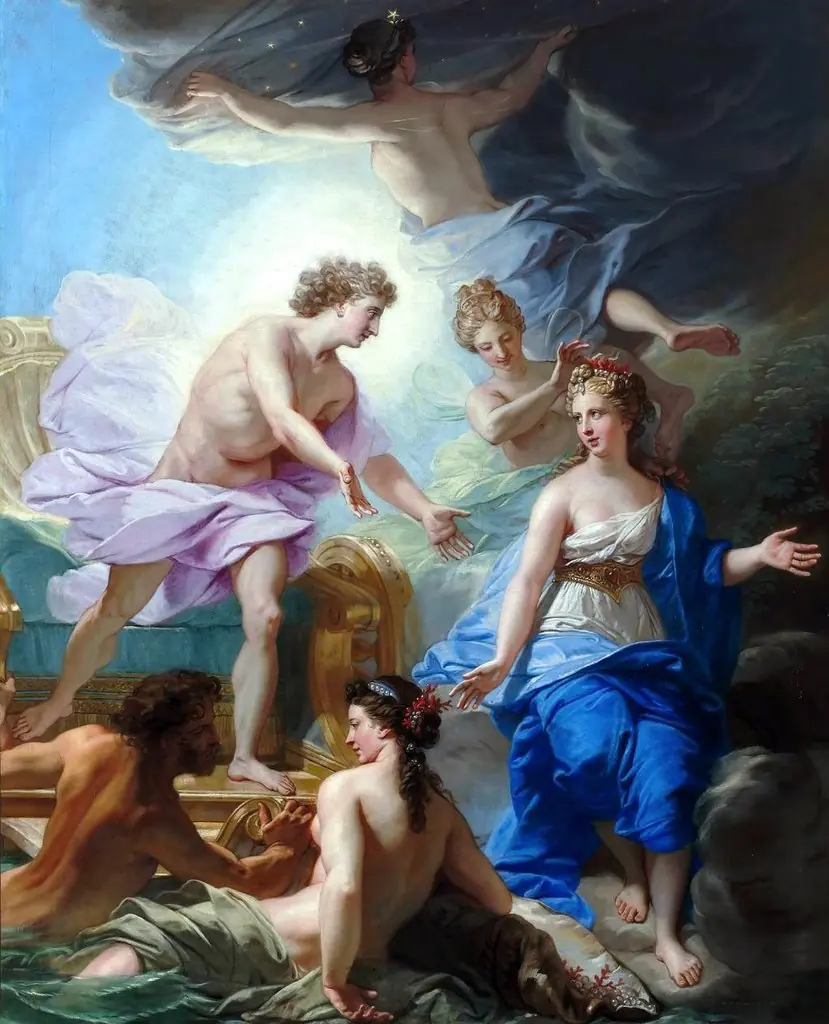 Apollo and Thetis
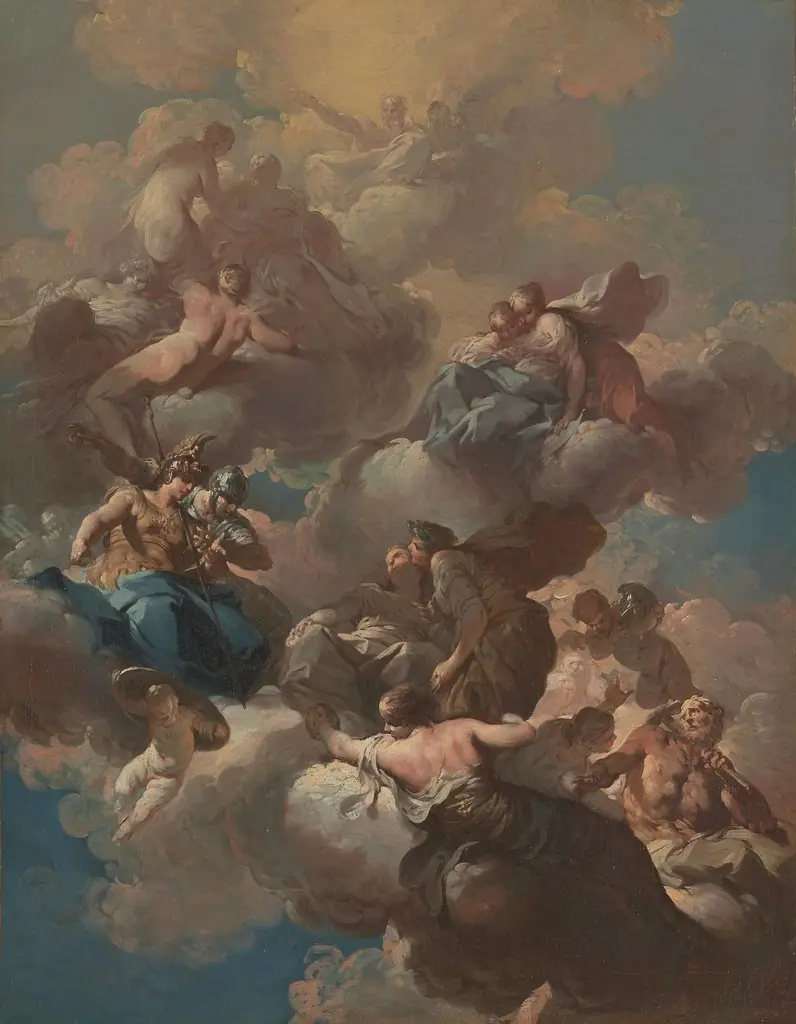 Sketch for a Ceiling Fresco
 Aurora
 Triumful credinței
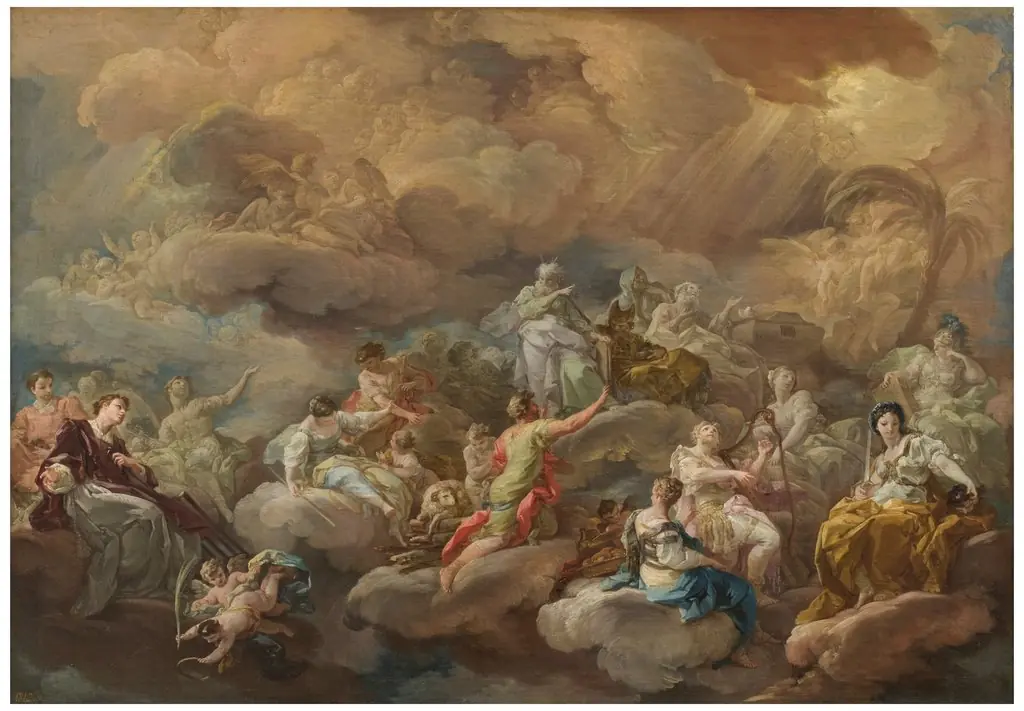 Gloria de santos
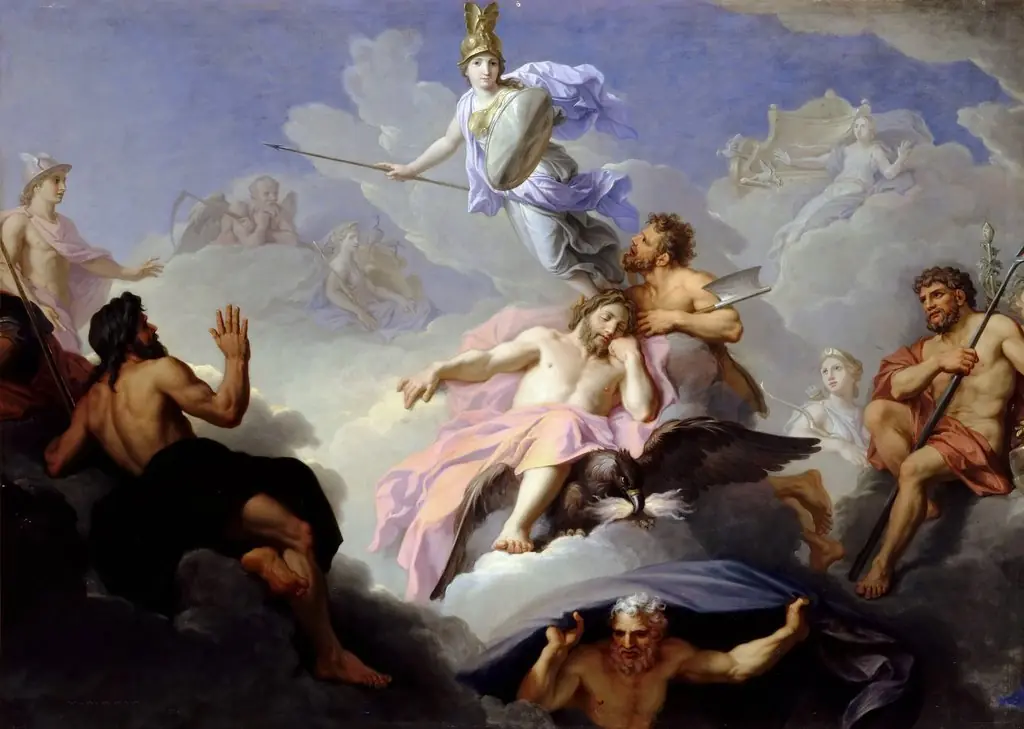 The Birth of Minerva