Artwork
Aurora
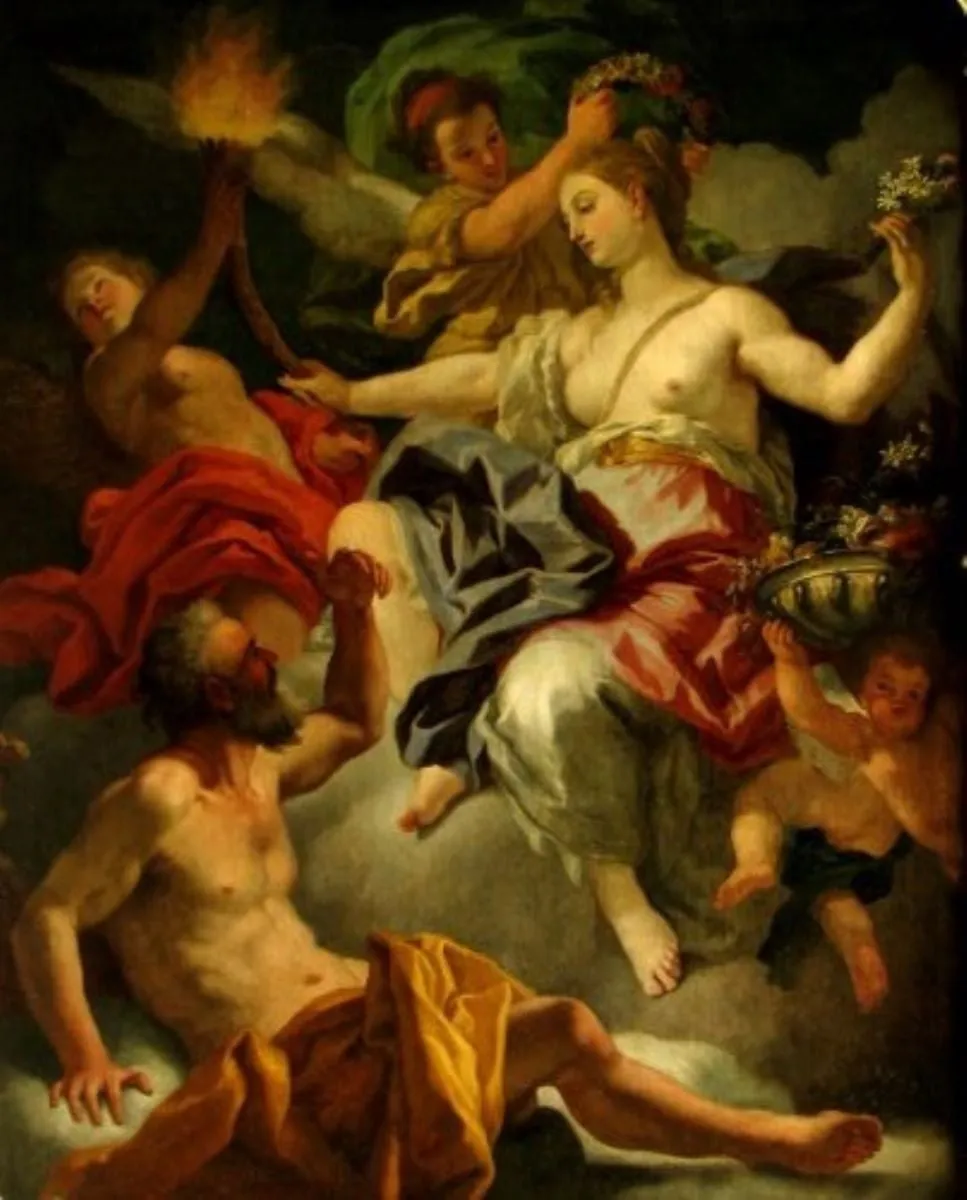
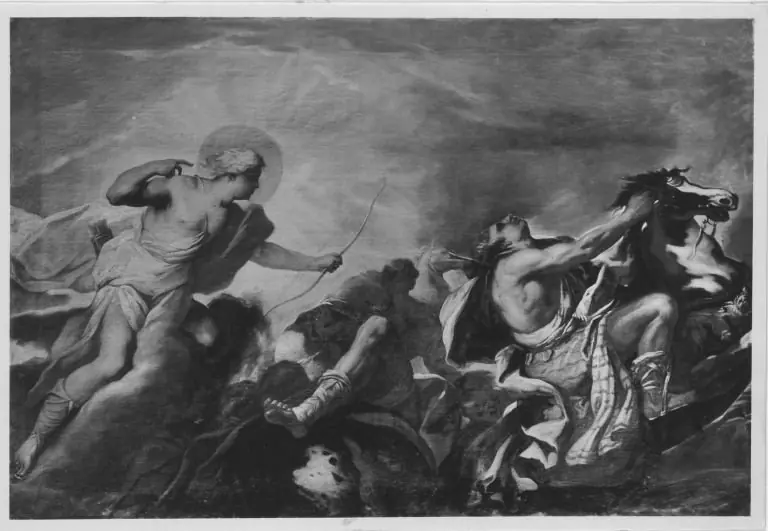
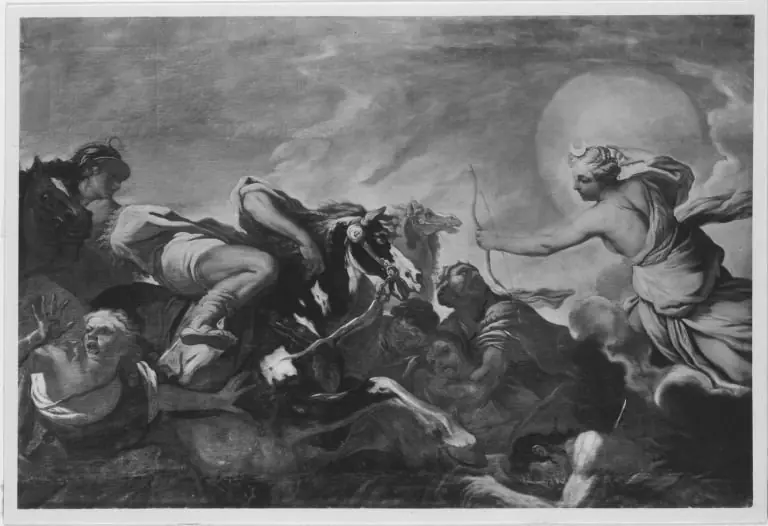
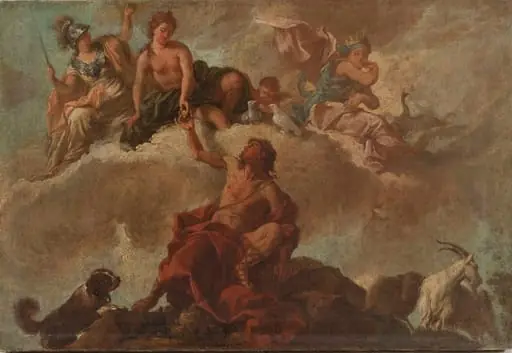
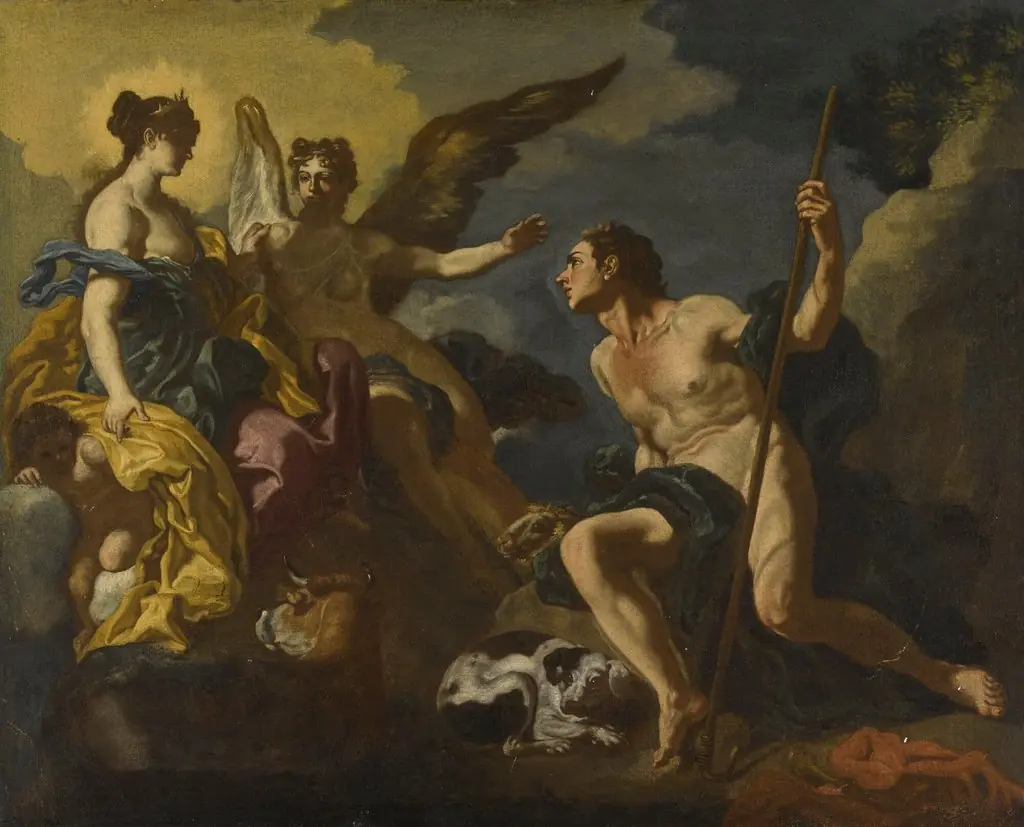
Aurora is an unspecified painting by the Italo Byzantine artist Sebastiano Conca. It dates from 1730 and is held in the collection of the Brukenthal National Museum.
About this work
Overview
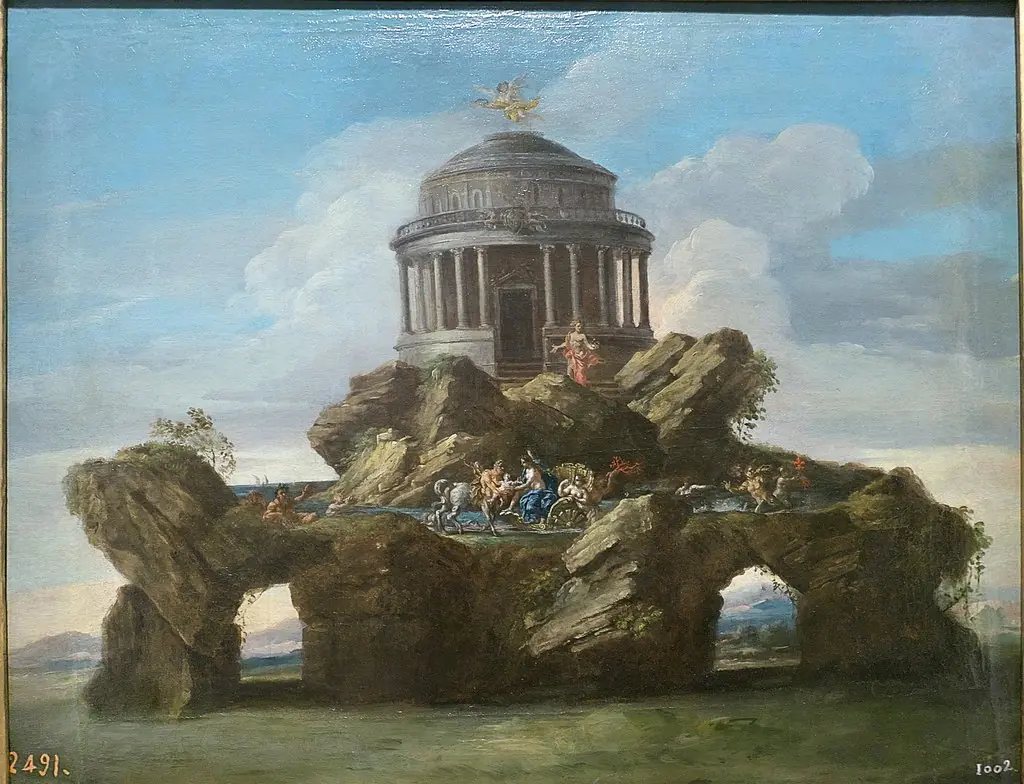
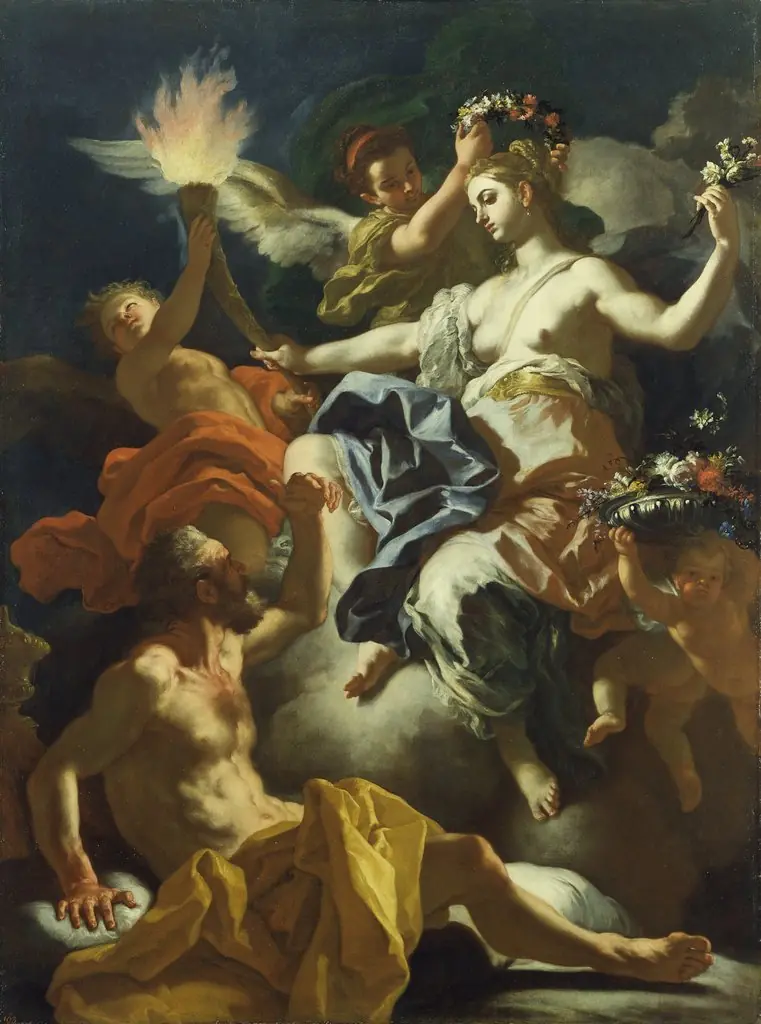
The composition centers on a solitary female form amid a celestial gathering, rendered in a restrained palette of earth tones and soft grays.
Painted around 1730 by Sebastiano Conca, Aurora is a mythological scene depicting the dawn goddess surrounded by attendant figures. The composition centers on a solitary female form amid a celestial gathering, rendered in a restrained palette of earth tones and soft grays. The work is currently held in the collection of the Museum of Ethnography, though its subject matter aligns more closely with classical allegory than ethnographic themes.
Subject & Meaning
The central figure represents Aurora, the Roman goddess of dawn, identified by her position and the flower she holds—likely symbolizing the morning’s first bloom. Surrounding figures, some gesturing upward or bearing flame, suggest the transition from night to day. The imagery draws from classical tradition, portraying the daily renewal of light as a divine procession, though the mood remains subdued rather than triumphant.
Technique & Style
Conca employs a muted, tonal approach, favoring browns, grays, and pale ochres over vibrant color. Forms are softly modeled with delicate brushwork, creating a hazy, atmospheric effect. The figures are arranged in a loose, upward-moving composition, their drapery flowing into the clouds, reinforcing the sense of celestial motion without dramatic chiaroscuro or intense contrast.
History & Provenance
The painting was likely produced during Conca’s mature period in Rome, when mythological allegories were in demand among ecclesiastical and aristocratic patrons. It entered the Museum of Ethnography’s collection in the 19th century, possibly as part of a broader acquisition of decorative or allegorical works, though its classification there remains unusual given its classical subject.
Context
Aurora reflects the enduring influence of Baroque allegory in early 18th-century Italian painting, even as tastes shifted toward Rococo lightness. Conca, trained in Naples and active in Rome, blended academic discipline with poetic suggestion. The painting’s quiet tone contrasts with more theatrical treatments of the same subject by contemporaries, suggesting a personal or regional interpretation of myth.
Legacy
Though not widely exhibited or studied, Aurora exemplifies how classical themes persisted in lesser-known works of the period. Its presence in an ethnographic museum highlights shifting institutional priorities in the 19th century, where mythological imagery was sometimes grouped with cultural artifacts rather than fine art. The work remains a quiet testament to Conca’s nuanced approach to allegory.
Artist & collection