Artwork
Walking the Chalk
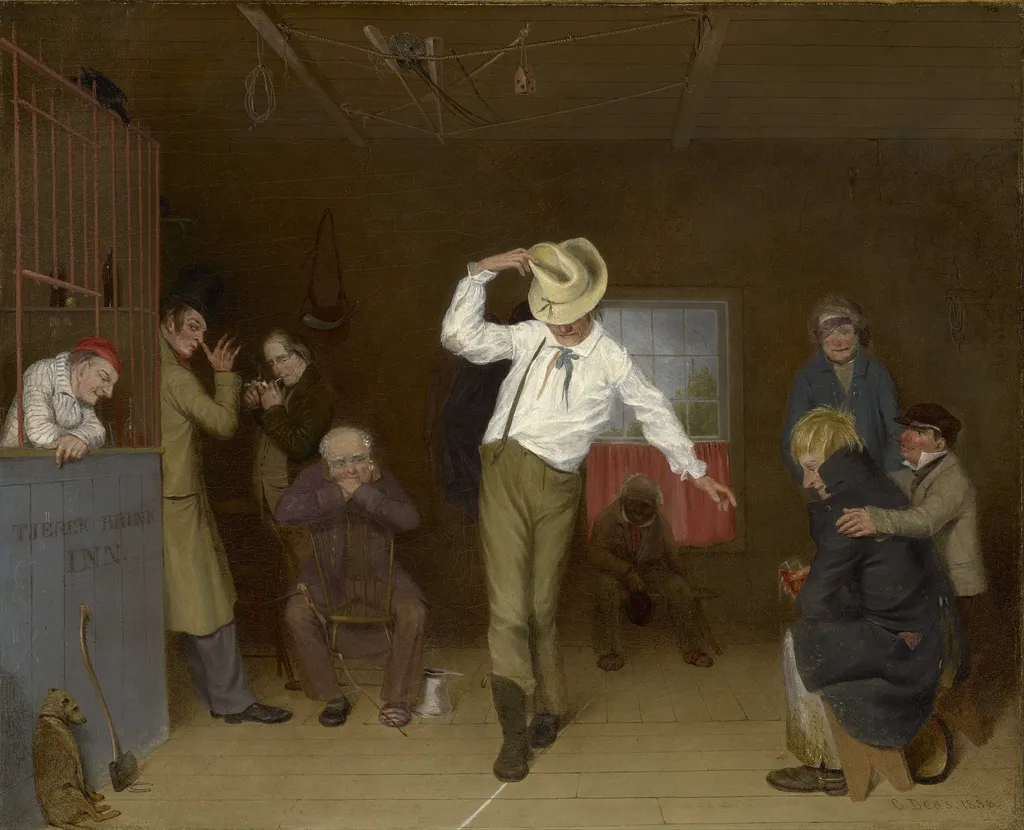
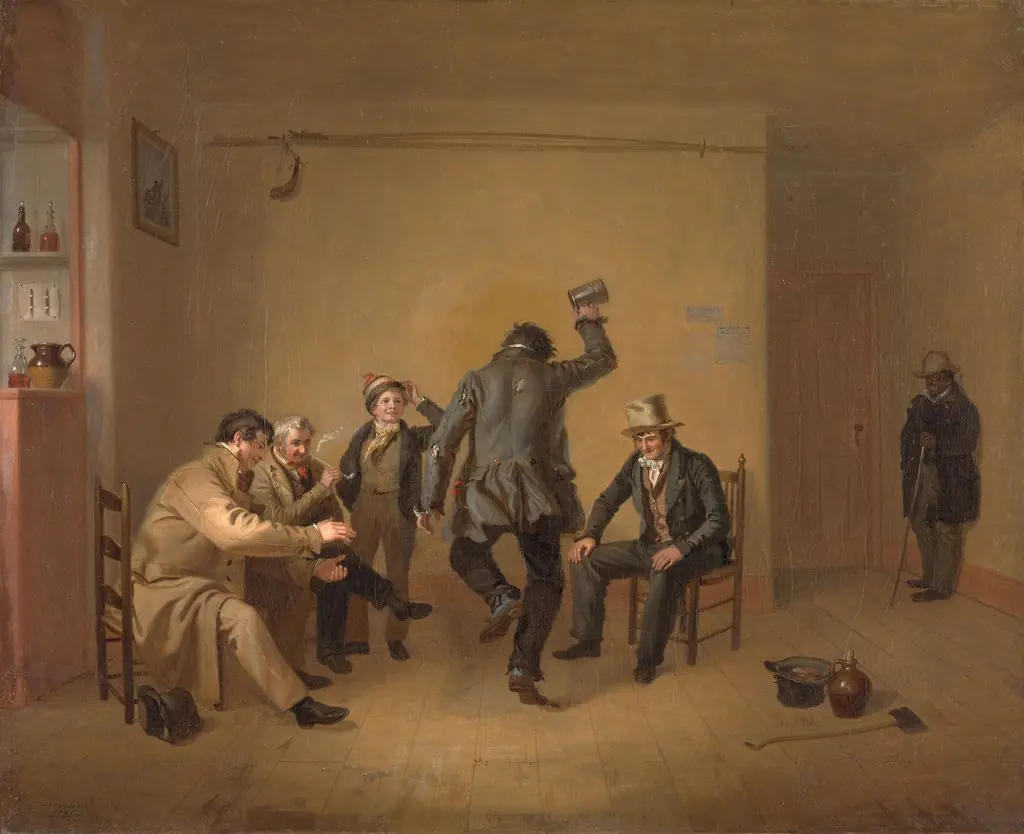
Walking the Chalk is an oil painting by Charles Deas. It dates from 1838 and is held in the collection of the Museum of Fine Arts, Houston.
About this work
Overview
Warm, earthy hues dominate the composition, lending the setting a sense of domestic intimacy.
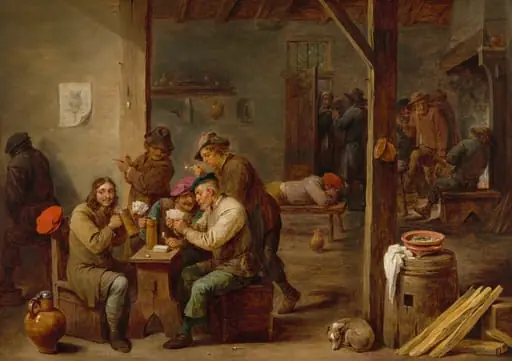
Created in 1838, *Walking the Chalk* is an oil on canvas by American painter Charles Deas. The work portrays a bustling interior scene in which a central figure strides along a white chalk line on the floor, surrounded by onlookers engaged in various activities. Warm, earthy hues dominate the composition, lending the setting a sense of domestic intimacy. The painting belongs to the collection of the Museum of Fine Arts, Houston.
Subject & Meaning
The central figure—a man in a white shirt, green trousers and a straw hat—appears to be performing a simple, perhaps ritualistic, walk along a chalked path. Surrounding figures watch with curiosity or continue their own tasks, suggesting a moment of communal observation. While the scene is set indoors, Deas’s broader interest in frontier life hints that the chalk line may symbolize a temporary boundary or a measured progression within a frontier community.
Technique & Style
Deas employs a muted palette of ochres, siennas, and soft greens, allowing the white chalk line to stand out as a visual anchor. The brushwork is relatively smooth, creating a calm atmosphere, while subtle contrasts of light and shadow suggest a dimly lit interior. The composition balances a central vertical axis with peripheral figures, guiding the viewer’s eye along the chalked line and reinforcing the painting’s narrative focus.
History & Provenance
Charles Deas, active in the mid‑19th century, was known for his depictions of Native Americans and fur traders, yet this work diverges toward a domestic genre scene. After its creation, the painting entered private hands before being acquired by the Museum of Fine Arts, Houston, where it remains on view as part of the museum’s American art holdings.
Context
The painting emerges from a period when American artists increasingly documented everyday life on the expanding frontier. Deas’s choice of an interior setting, rather than the open wilderness, reflects a growing interest in the social dynamics of frontier settlements, where communal rituals and shared spaces played a role in shaping emerging American identities.
Own this work as a print
Artist & collection
Artist
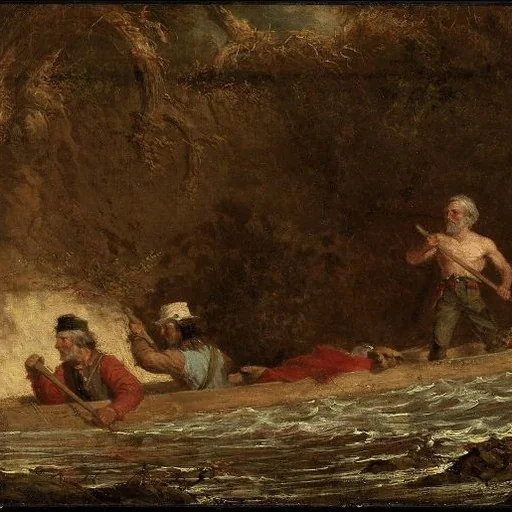
Charles Deas (December 22, 1818 – March 23, 1867) was an American painter noted for his oil paintings of Native Americans and fur trappers of the mid-19th century.

 Bar-room Scene
 Bar-room Scene
 Peasants Celebrating Twelfth Night
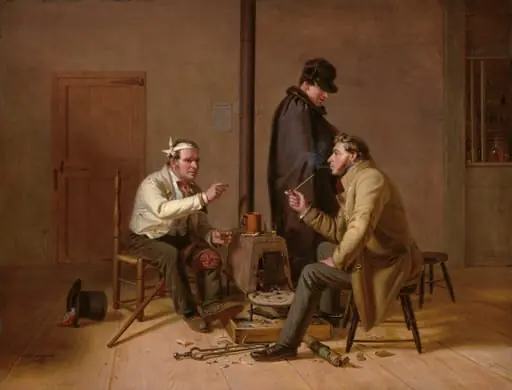 The Tough Story - Scene in a Country Tavern
 A Country Dance in the Hedebo District, Zealand
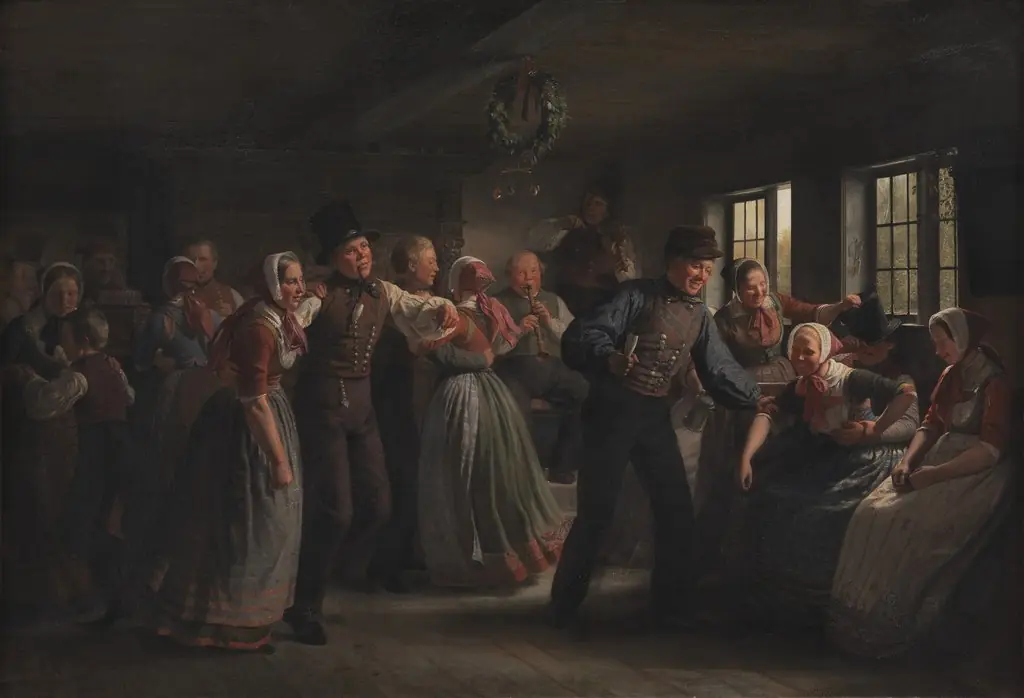 A Country Dance in the Hedebo District, Zealand
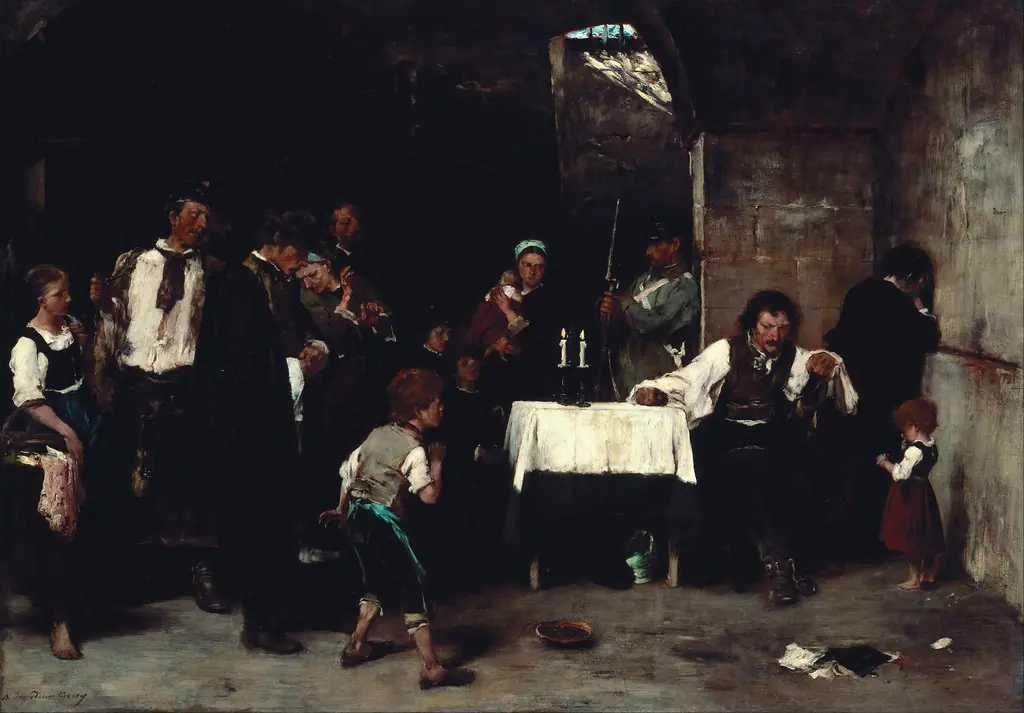 The Condemned Cell I
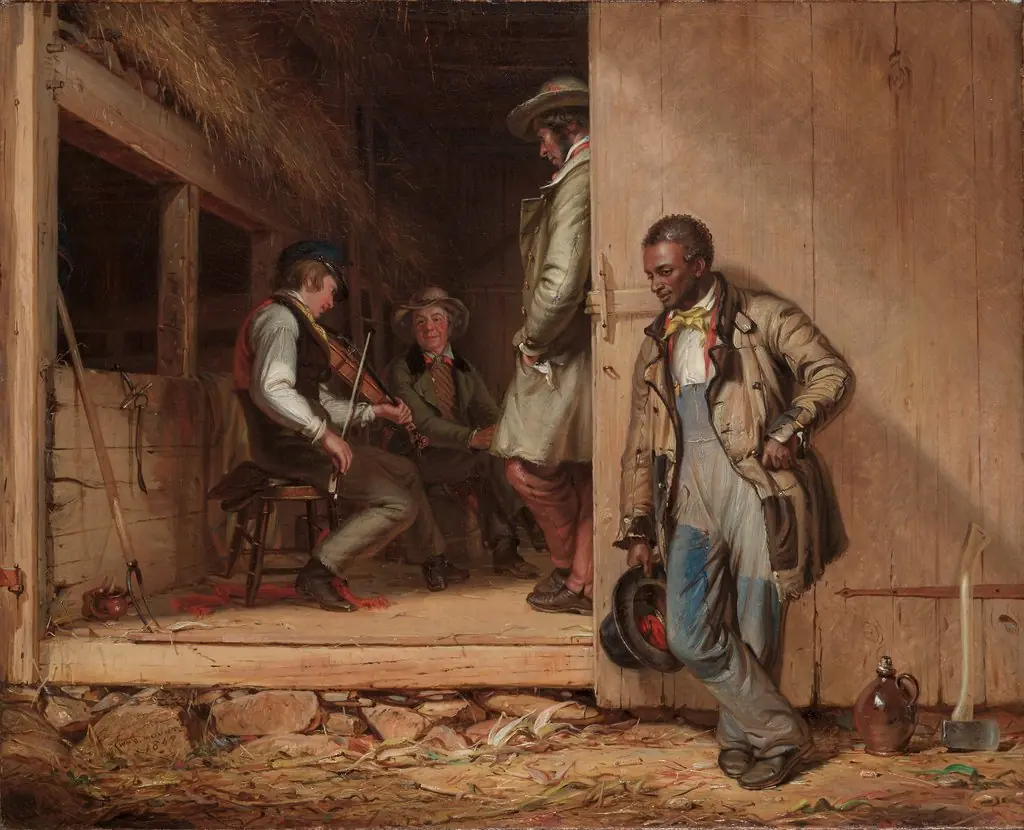 The Power of Music
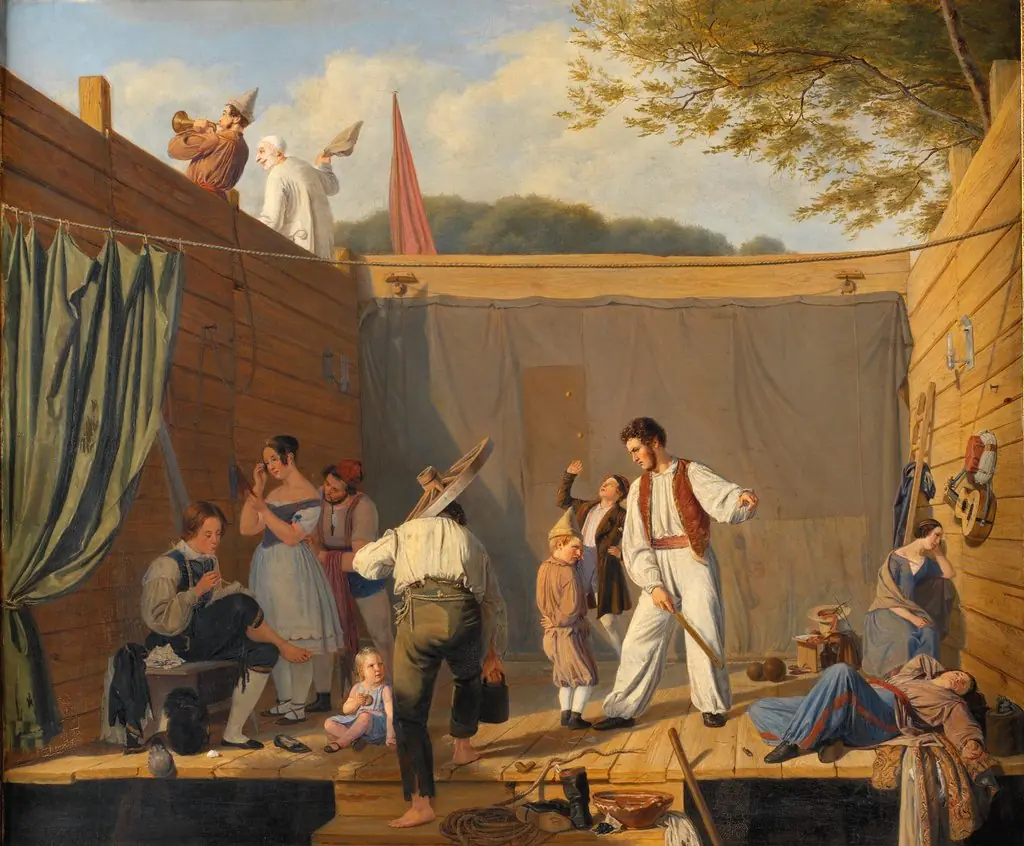 A Group of Tightrope Walkers just before a Performance
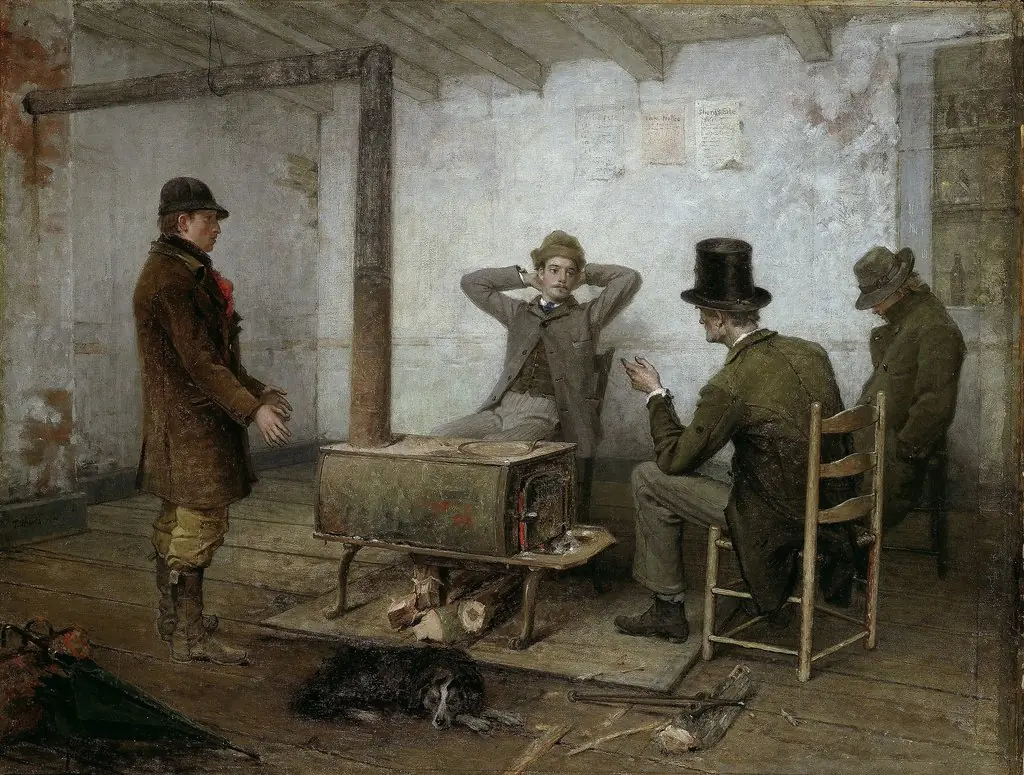 A Friendly Warning
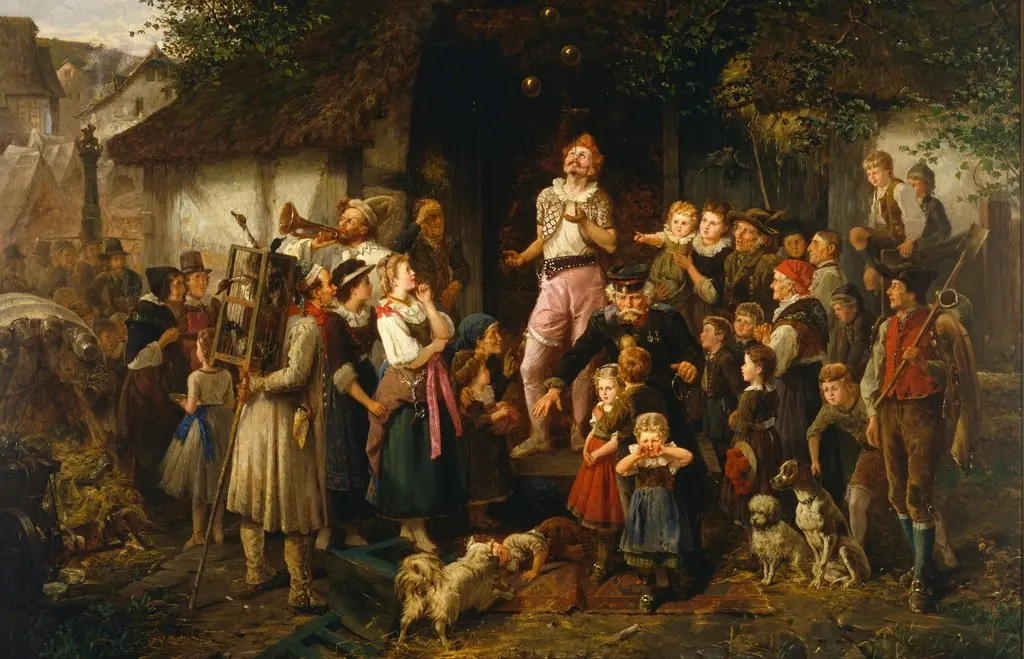 The juggler: a village fair
 Tavern Scene