Artwork
The Condemned Cell I
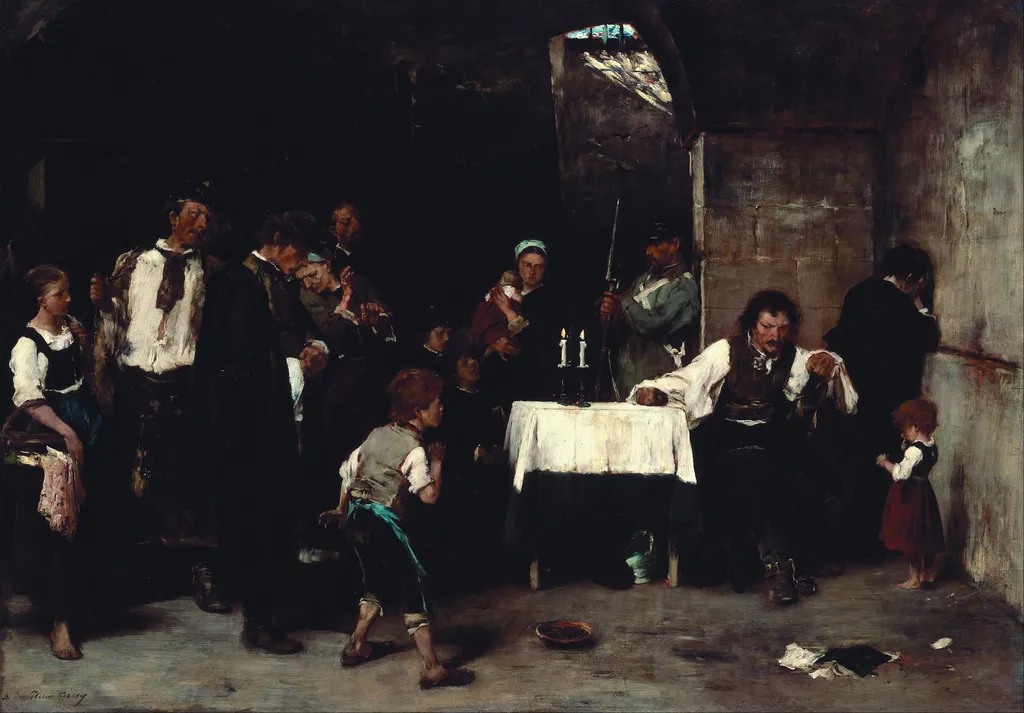
The Condemned Cell I is an oil painting by the Realist artist Mihály Munkácsy. It dates from 1870 and is held in the collection of the Hungarian National Gallery.
About this work
Overview
Painted in 1870 by Hungarian artist Mihály Munkácsy, this oil-on-canvas work is part of a series examining the psychological weight of impending execution.
Painted in 1870 by Hungarian artist Mihály Munkácsy, this oil-on-canvas work is part of a series examining the psychological weight of impending execution. Rendered in the realist tradition, it captures a quiet moment before death, avoiding overt spectacle in favor of intimate tension. The painting resides in the Hungarian National Gallery, where it stands as a key example of 19th-century Hungarian social realism.
Subject & Meaning
The scene centers on a condemned man seated alone at a table, his hands folded and gaze lowered, suggesting resignation or inner reflection. A guard stands nearby, rifle in hand, while a group of onlookers looms in the dim background. The composition avoids moral judgment, instead emphasizing the isolation of the condemned and the silent complicity of those who witness his fate, inviting contemplation on justice and human vulnerability.
Technique & Style
Munkácsy employs chiaroscuro to heighten emotional gravity, directing light onto the prisoner’s white shirt and clasped hands while plunging the surrounding space into shadow. Brushwork is restrained, favoring texture over detail—flickering candlelight, rough walls, and worn fabric are rendered with quiet precision. The palette is muted, dominated by browns and grays, reinforcing the scene’s solemnity and lack of hope.
History & Provenance
Created during Munkácsy’s early career, this work preceded his more famous biblical paintings but already demonstrated his interest in human suffering. It entered the Hungarian National Gallery’s collection in the late 19th century, where it has remained as part of a broader effort to document national artistic responses to social themes. Its survival and preservation reflect its recognized significance within Hungary’s cultural heritage.
Context
In 1870s Europe, realism emerged as a reaction against romantic idealism, with artists turning to ordinary, often harsh realities. Munkácsy’s focus on prison life aligned with broader societal debates about crime, punishment, and class. The painting’s quiet intensity reflects a shift in public consciousness toward the psychological dimensions of justice, moving beyond spectacle to consider the individual within institutional power.
Legacy
Though less widely known than Munkácsy’s later religious works, 'The Condemned Cell I' influenced subsequent Hungarian painters interested in psychological depth and social critique. Its restrained composition and emotional restraint set a precedent for depicting moral ambiguity without melodrama. Today, it remains a touchstone for discussions on how art can convey the weight of state power through stillness and silence.
Own this work as a print
Artist & collection
Artist
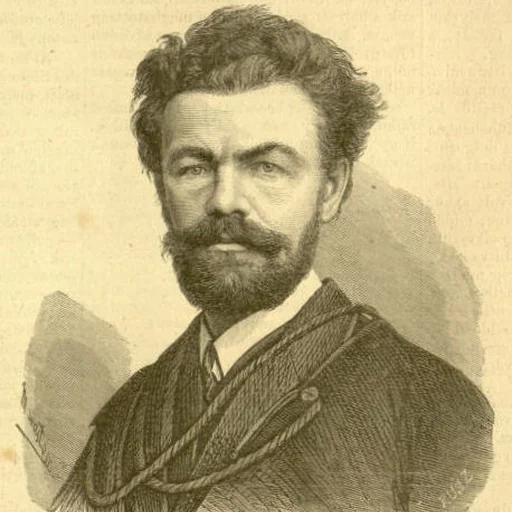
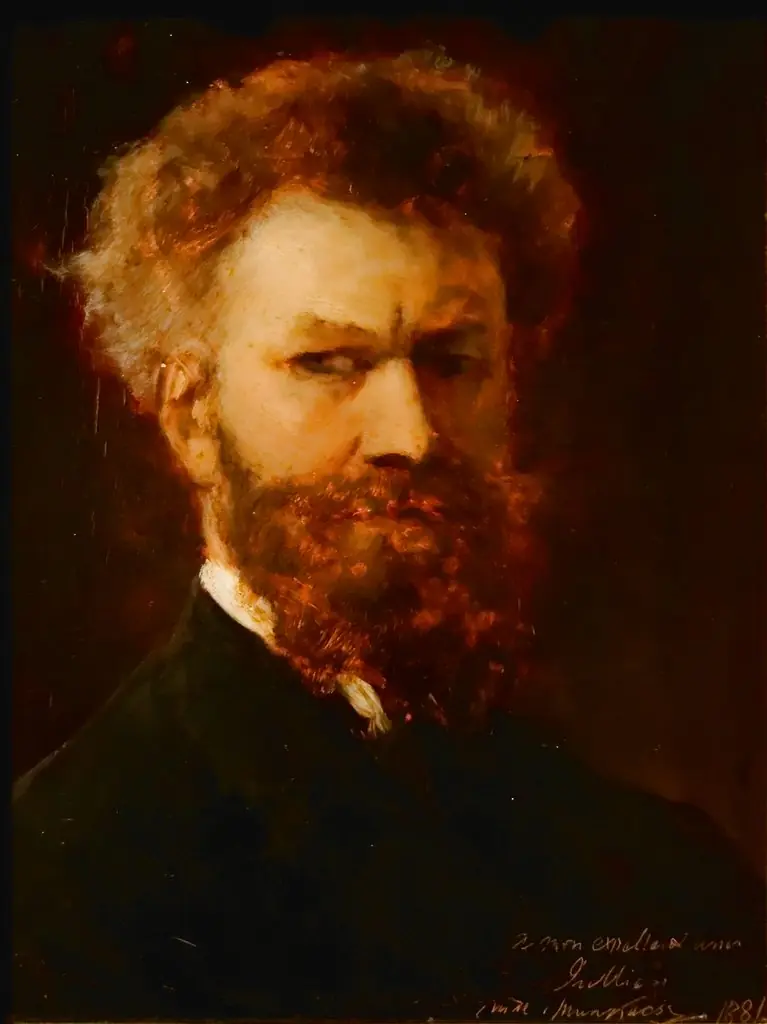
Mihály Munkácsy (Hungarian pronunciation: ; 20 February 1844 – 1 May 1900) was a Hungarian painter. He earned international reputation with his genre pictures and large-scale biblical paintings.

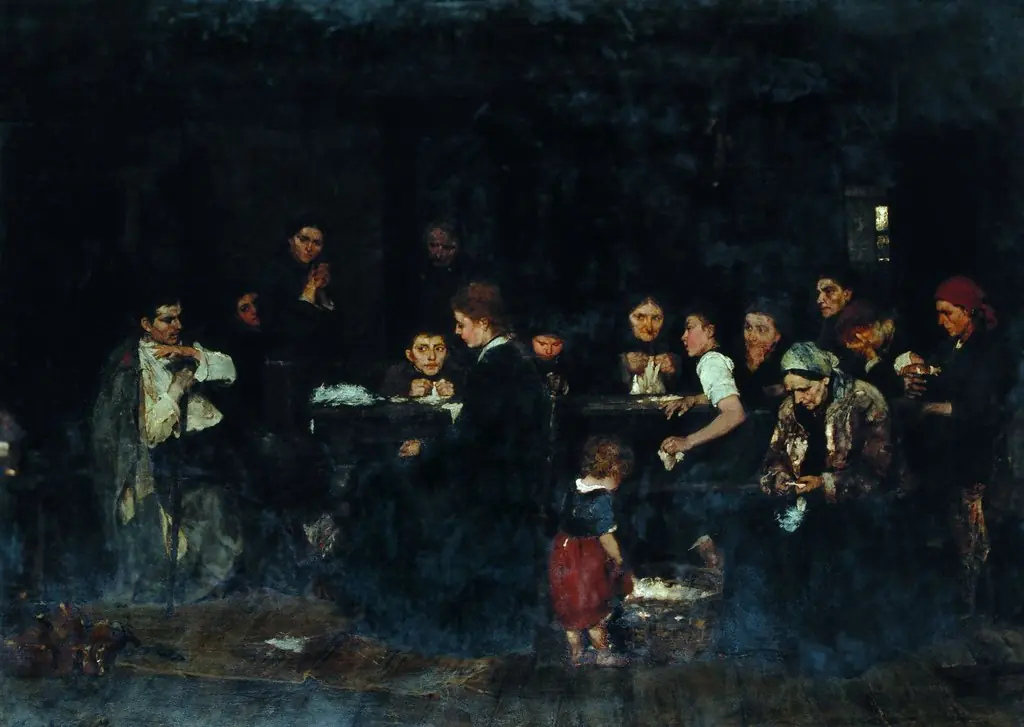 Making Lint
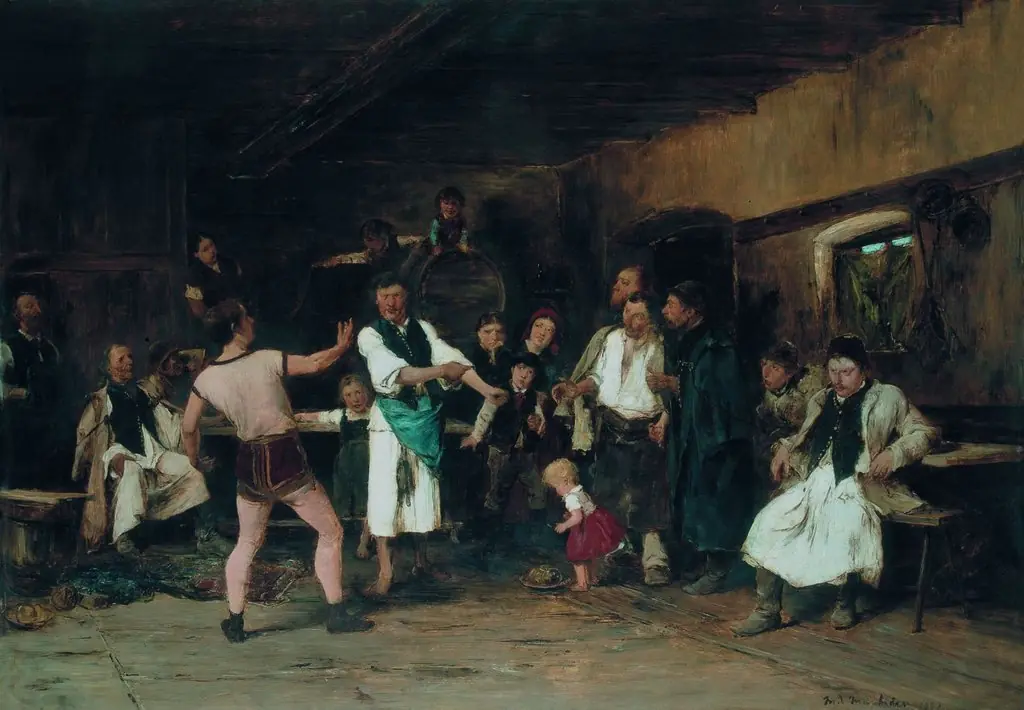 The Hero of the Village (reduction)
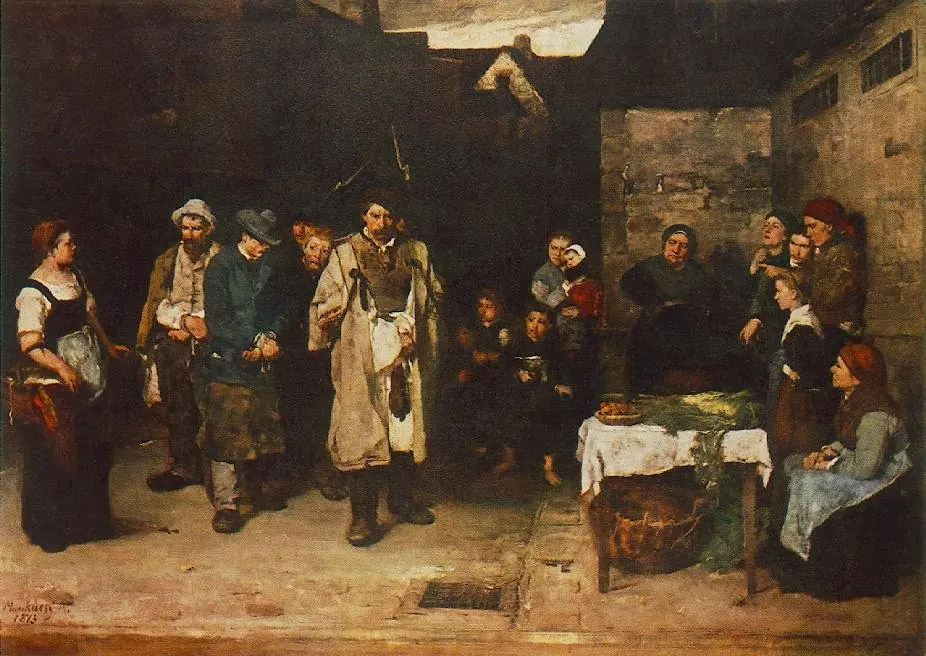 Night Wanderers I.
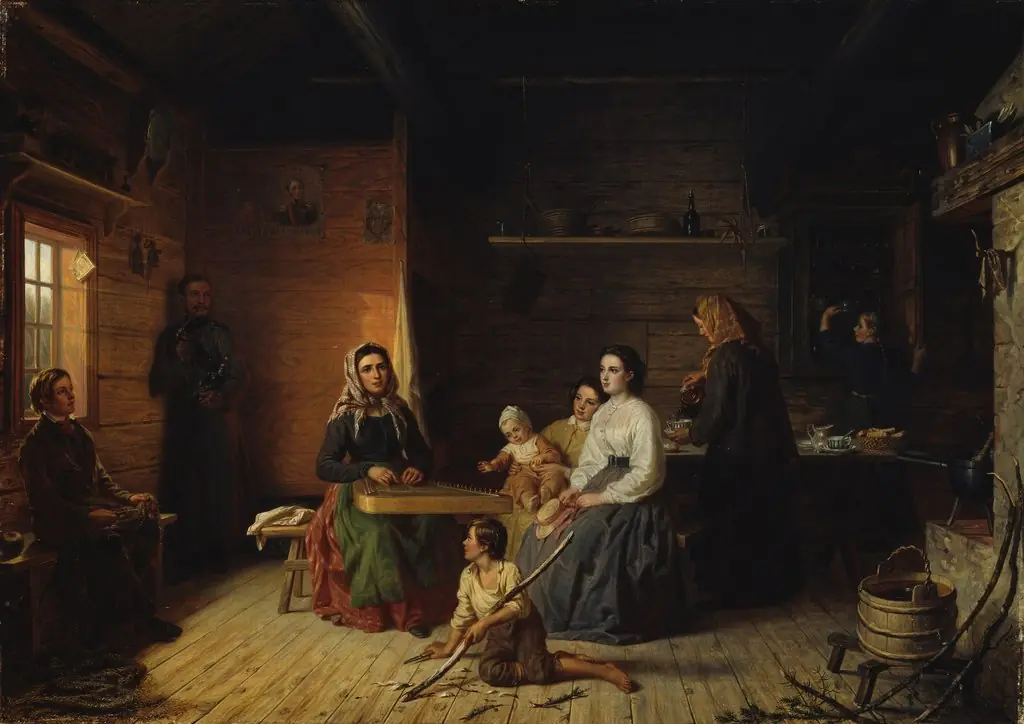 Kreeta Haapasalo Playing the Kantele in a Peasant Cottage
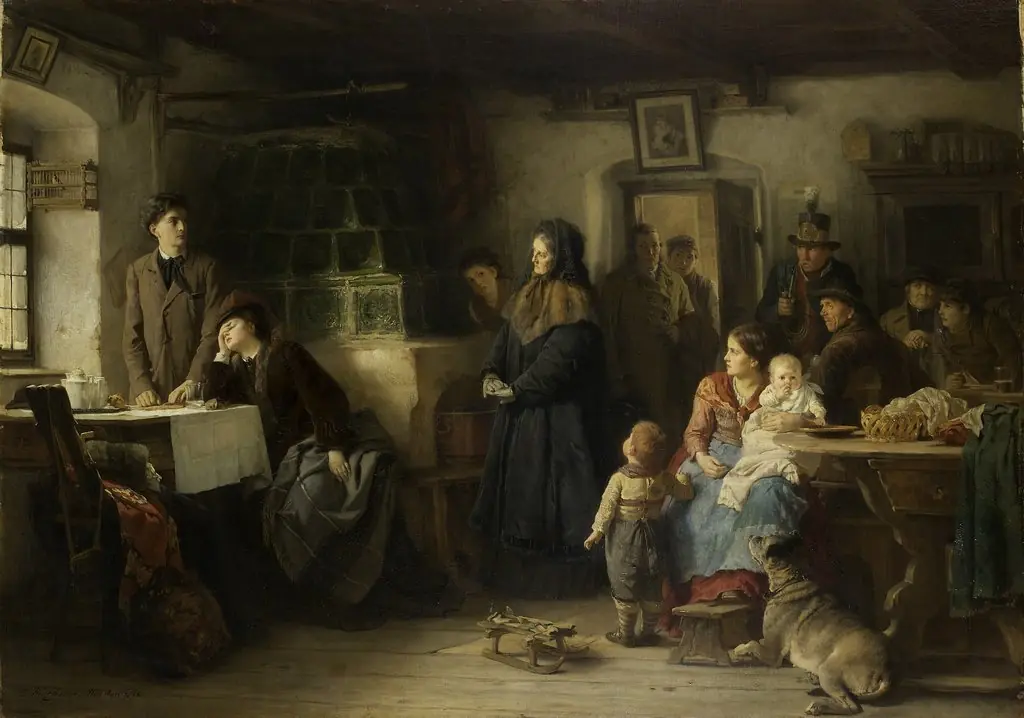 Die ereilten Flüchtlinge
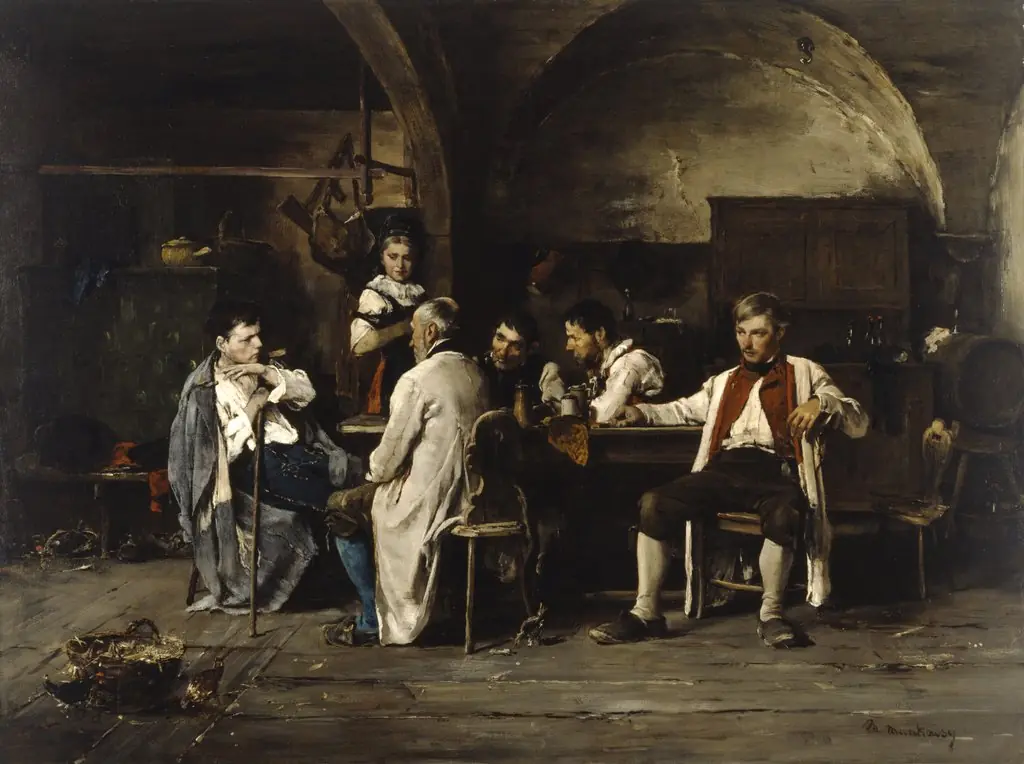 The Story of a Battle
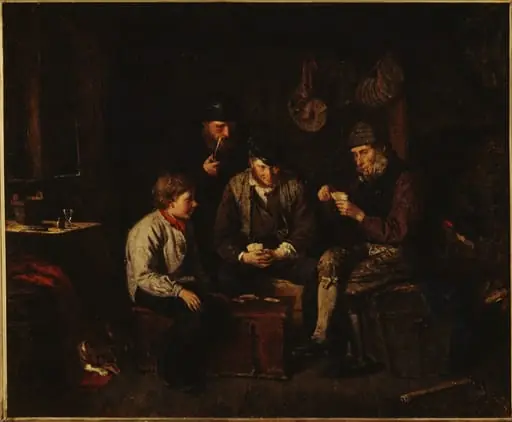 Ahvenanmaalaisia miehiä pelaamassa korttia kajuutassa (Ristiässä)
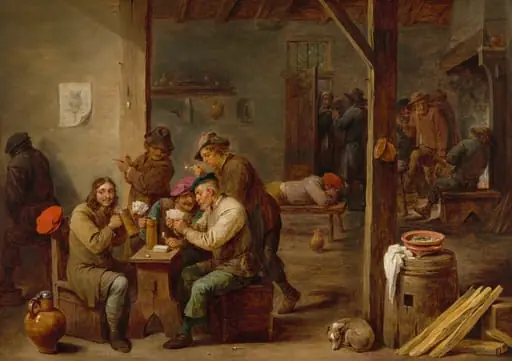 Tavern Scene
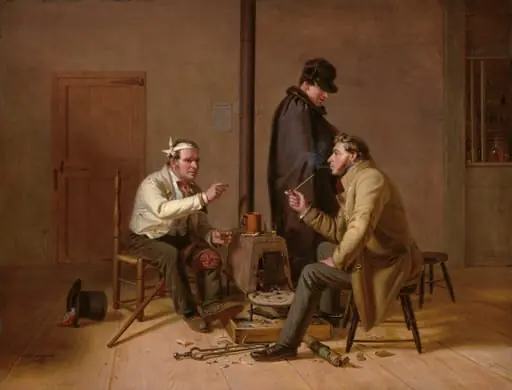 The Tough Story - Scene in a Country Tavern
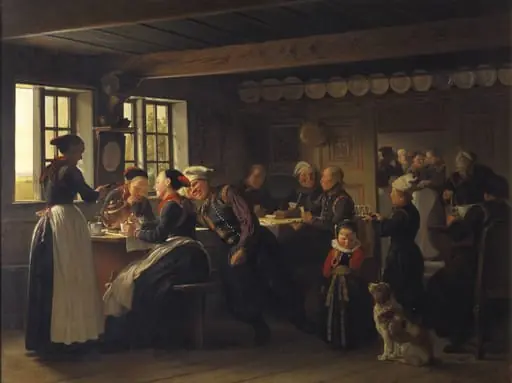 Episode af et gilde på Amager