Artwork
Portrait of a Man
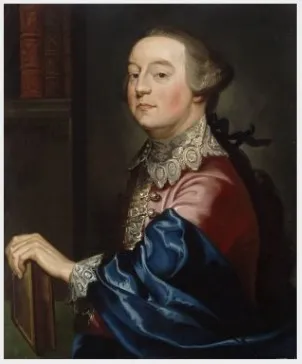
Portrait of a Man is an oil painting by the Rococo painting artist Charles Exshaw. It dates from 1760 and is held in the collection of the National Gallery of Ireland.
About this work
Overview
The painting’s simplicity underscores its function as a record of individual identity within a refined social context.
Painted in 1760 by Charles Exshaw, this oil portrait captures a seated man in formal attire. The work is part of the National Gallery of Ireland’s collection. Its restrained composition and focused lighting reflect 18th-century portraiture conventions, emphasizing the subject’s presence without elaborate narrative elements. The painting’s simplicity underscores its function as a record of individual identity within a refined social context.
Subject & Meaning
The man depicted holds a sheet of paper, suggesting literacy or professional engagement, though his identity remains unconfirmed. His direct gaze and composed posture convey quiet confidence, typical of portraiture meant to project dignity and social standing. The presence of a bookshelf behind him implies intellectual or cultural interests, reinforcing an image of cultivated refinement rather than aristocratic display.
Technique & Style
Exshaw employs subtle chiaroscuro to model the face and hands, drawing attention to the subject’s expression against a dark, unadorned background. The lace detailing on the collar and cuffs is rendered with precision, showcasing the artist’s attention to textile texture. The red shirt contrasts softly with the dark blue coat, while the red-bound books on the shelf echo this hue, creating visual cohesion without distraction.
History & Provenance
The painting entered the National Gallery of Ireland’s collection in the 19th century, though its earlier ownership is undocumented. It was likely commissioned by the sitter or a close associate, as was common for middle- and upper-class portraits of the period. No records indicate public exhibition prior to its acquisition by the gallery, suggesting it remained in private hands for much of its early history.
Context
Created during a time when portraiture was a key medium for asserting personal and social identity, the work aligns with British and Irish trends favoring restrained elegance over theatricality. Exshaw, active in Dublin, catered to a local elite seeking dignified representations. The absence of symbolic props or landscape elements reflects a shift toward psychological presence over allegorical storytelling in mid-18th-century portraiture.
Legacy
Though not widely known outside Ireland, the portrait exemplifies the quiet skill of provincial portraitists working outside London’s dominant artistic circles. Its preservation and display in a national collection affirm its value as a representative work of 18th-century Irish painting. It continues to serve as a reference for studying regional techniques and the visual language of middle-class identity in the period.
Artist & collection

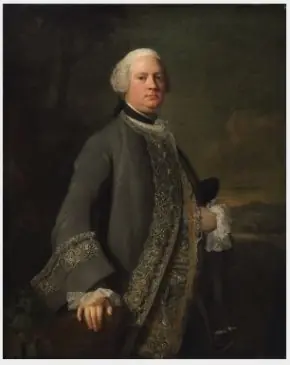 Portrait of Sir John Tyrell, Bt.
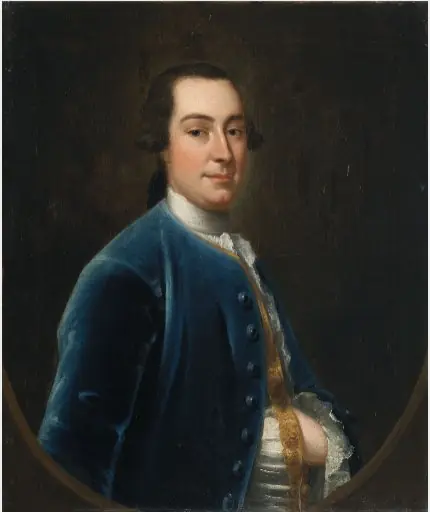 Portrait of a Man in a Blue Jacket
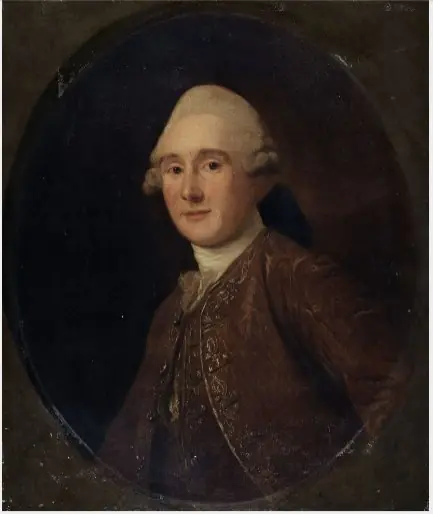 Portrait of a Man, formerly Known as Sir Richard Robinson, Archibishop of Armagh (1709-1794)
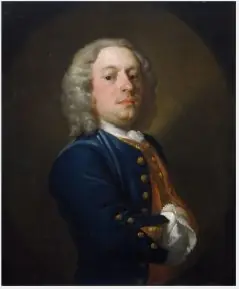 Self-Portrait
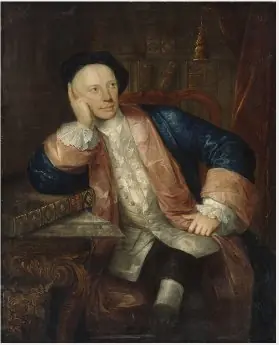 Portrait of Thomas Sheridan (1719-1788)
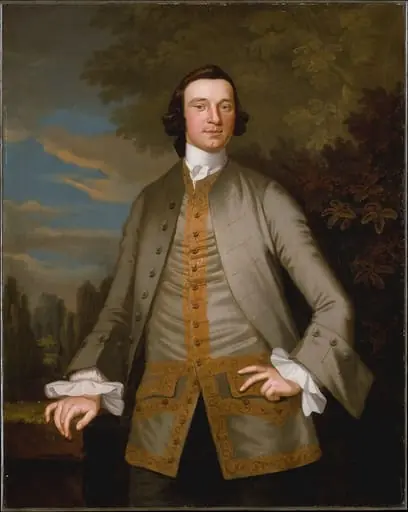 William Axtell
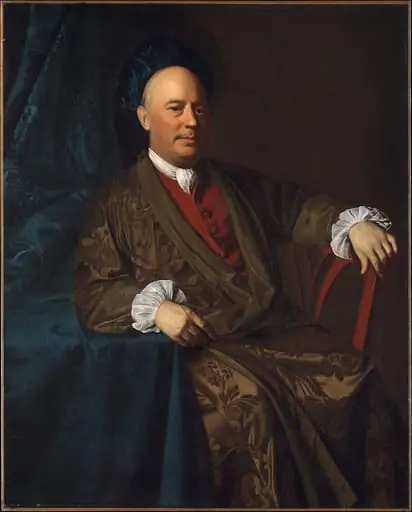 Joseph Sherburne
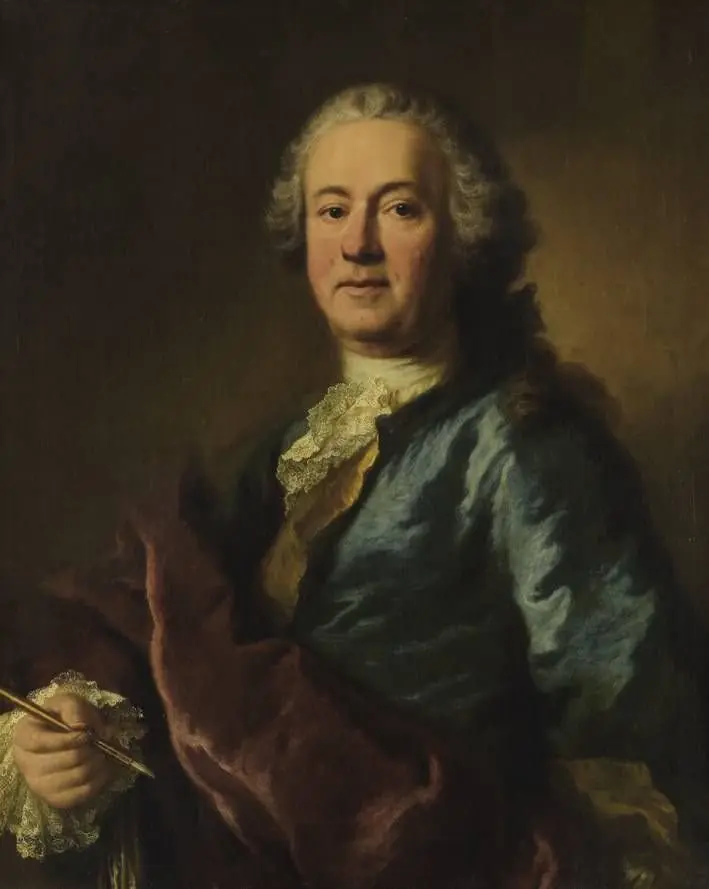 Bildnis des Hofmalers Balthasar August Albrecht (1687-1765)
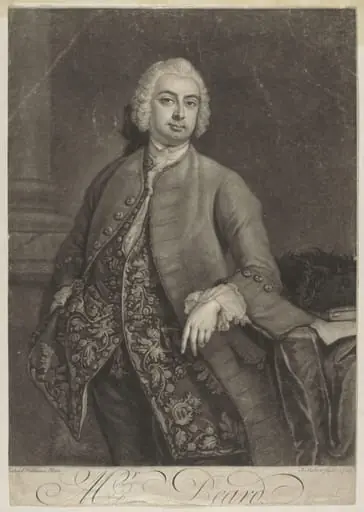 H Beard Print Collection
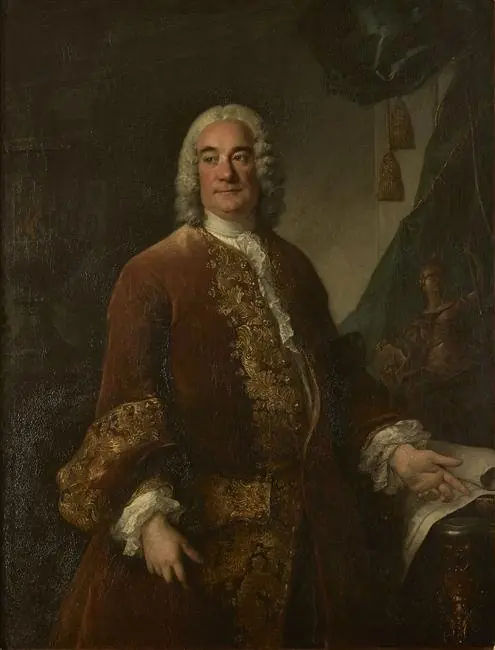 Portrait of Charles François Paul Le Normant de Tournehem (1684-1751)
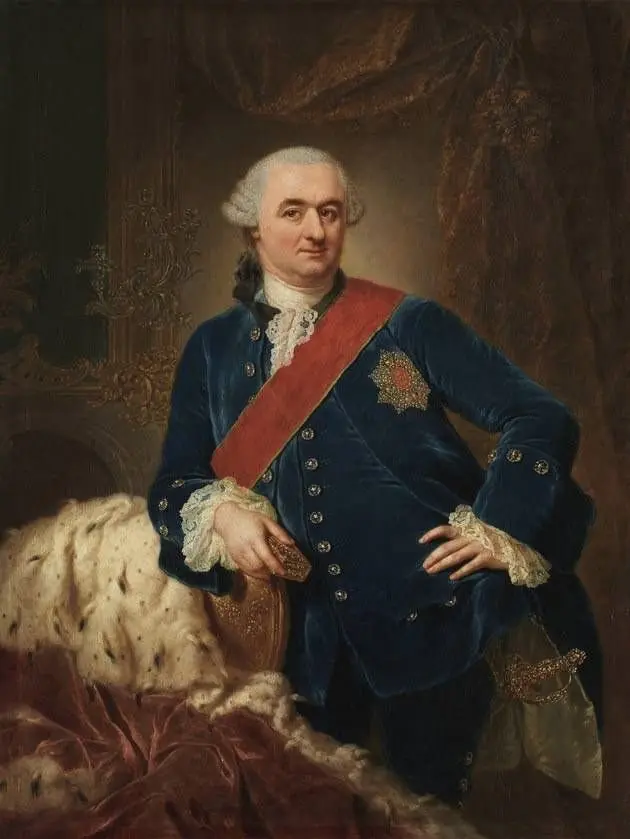 Bildnis des Kurfürsten Karl Theodor von der Pfalz und Bayern (1724-1799) im blauen Samtanzug
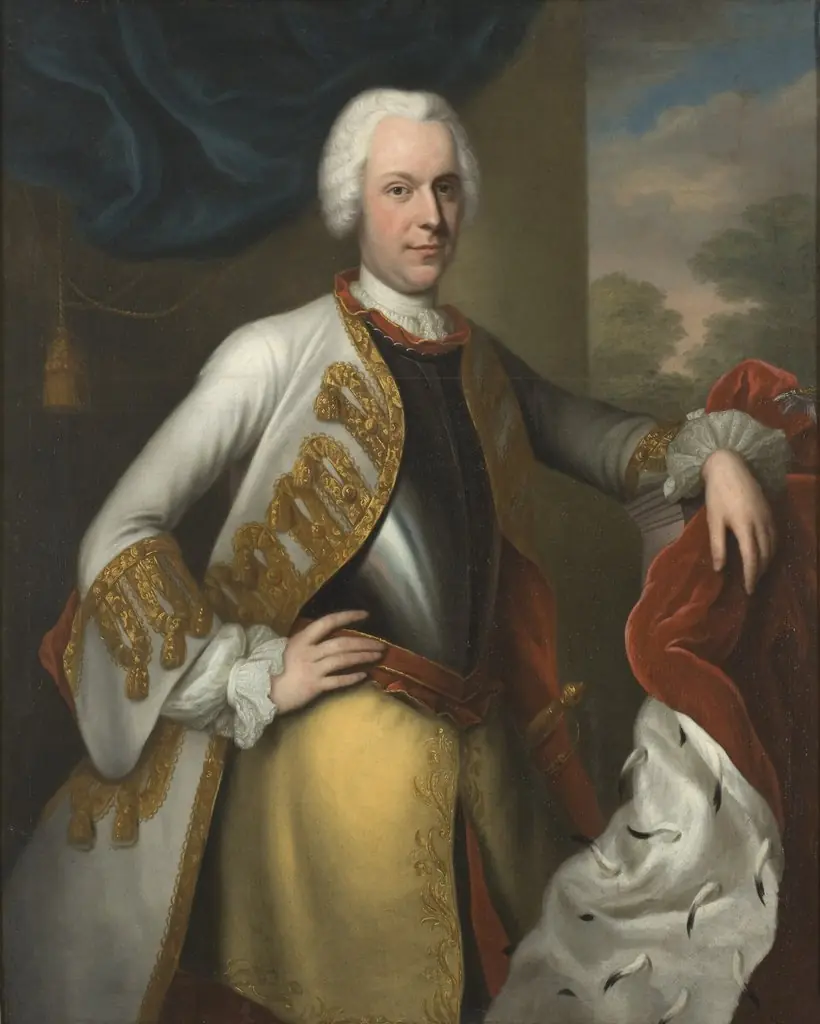 Adolf Fredrik (1710-1771), king of Sweden, duke of Holstein-Gottorp, prince bishop of Lübeck, married to Lovisa Ulrika of Prussia