Artwork
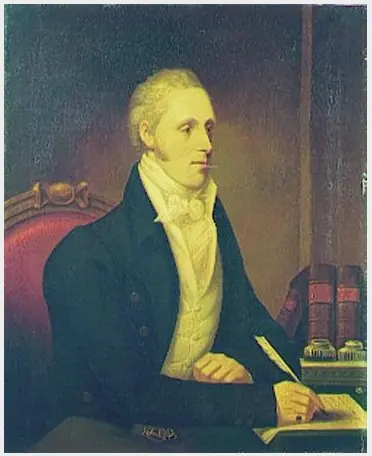
Portrait of a Man, formerly Known as Sir Richard Robinson, Archibishop of Armagh (1709-1794)
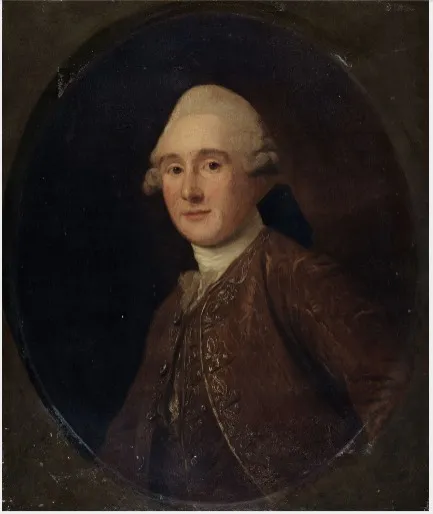
Portrait of a Man, formerly Known as Sir Richard Robinson, Archibishop of Armagh (1709-1794) is an oil painting by the Neoclassicist artist Robert Home. It dates from 1802 and is held in the collection of the National Gallery of Ireland.
About this work
Overview
Robert Home’s oil portrait, executed circa 1802, presents the former Archbishop of Armagh, Richard Robinson, 1st Baron Rokeby. Rendered on canvas with a dark, circular frame, the composition isolates the sitter against a plain black backdrop, directing attention to his face and upper garments. The work is part of the National Gallery of Ireland’s collection.
Subject & Meaning
The painting depicts Richard Robinson, who served as Archbishop of Armagh from 1765 until his death in 1794 and was ennobled as Baron Rokeby. His attire—a brown coat embroidered with gold thread, a powdered white wig, and a light cravat—signals his ecclesiastical rank and social standing, while the austere background underscores the solemnity of his office.
Technique & Style
Home employs a restrained neoclassical idiom, using soft chiaroscuro to model the sitter’s features and give depth to the folds of his coat. The contrast between the illuminated face and the dark background creates a focused, three‑dimensional presence, while the precise rendering of the gold stitching demonstrates the artist’s attention to material detail.
History & Provenance
British portraitist Robert Home, who had spent several years in the Indian subcontinent before returning to Britain, painted this work shortly after Robinson’s death. The portrait entered the National Gallery of Ireland’s holdings in the 20th century, where it remains on public display as a record of an influential Irish cleric.
Context
Created during the late Georgian period, the portrait reflects the neoclassical taste for clarity, restraint, and moral gravitas that prevailed in British portraiture. Home’s training and experience abroad informed his approach, yet the work aligns with contemporary expectations for ecclesiastical portraiture, emphasizing dignity and authority over narrative detail.
Artist & collection
Artist
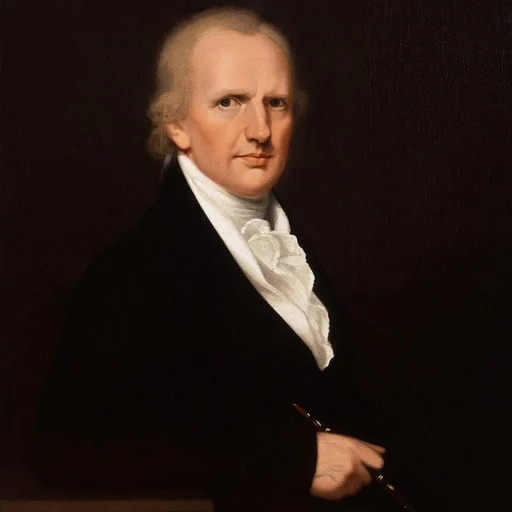
Robert Home (1752–1834) was a British oil portrait painter who travelled to the Indian subcontinent in 1791. During his travels he also painted historic scenes and landscapes.

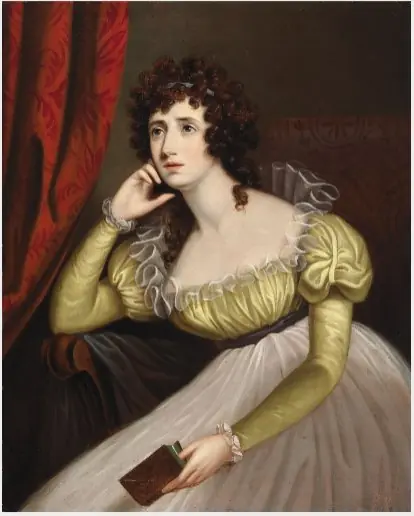
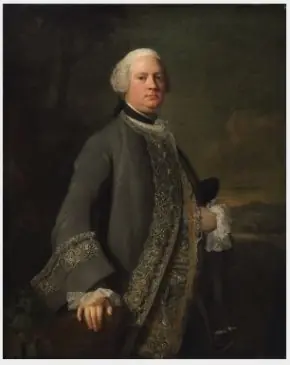 Portrait of Sir John Tyrell, Bt.
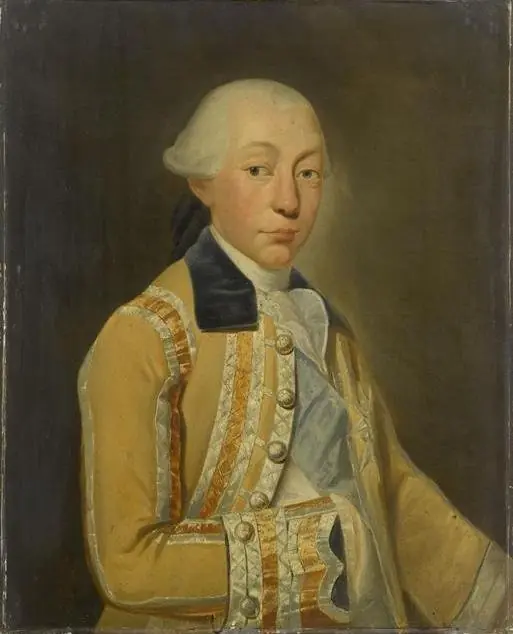 Portrait of Louis François Joseph de Bourbon, Prince of Conti in hunting costume
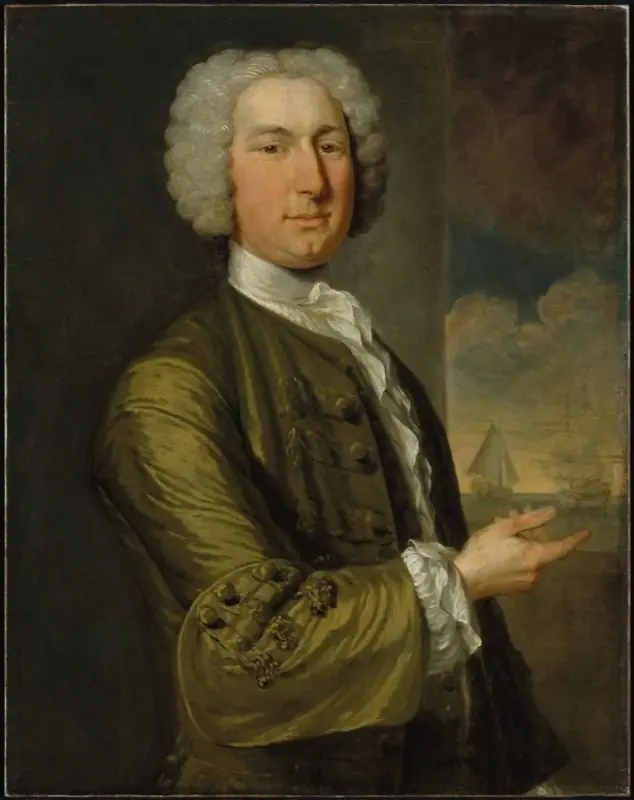 John Turner
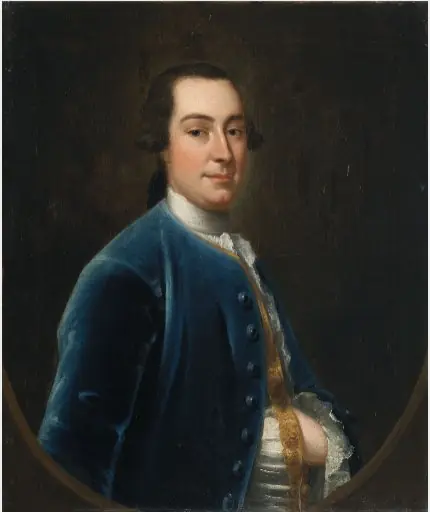 Portrait of a Man in a Blue Jacket
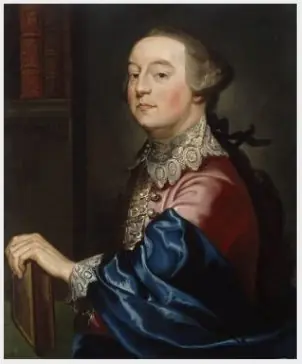 Portrait of a Man
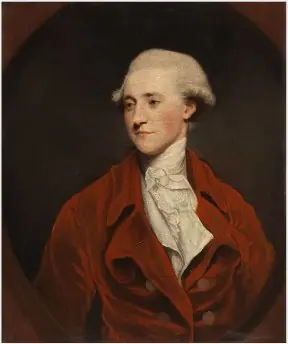 Portrait of Richard Burke, Son of Edmund Burke, Parliamentary Agent of the Catholic Committee (1758-1794)
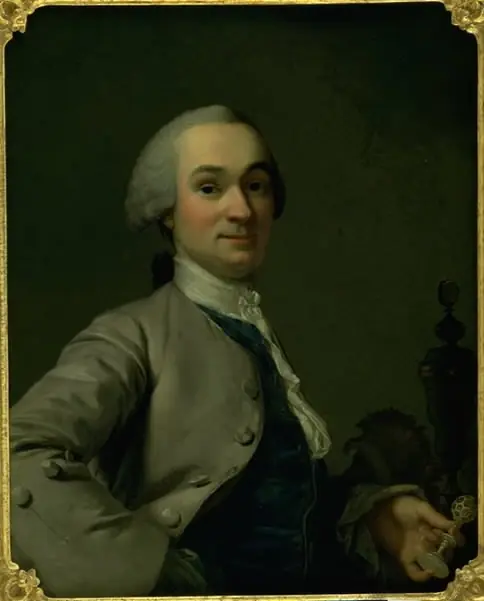 Portrait of Lorenz Spengler, Ivory Turner and Curator of the Royal Danish Kunstkammer
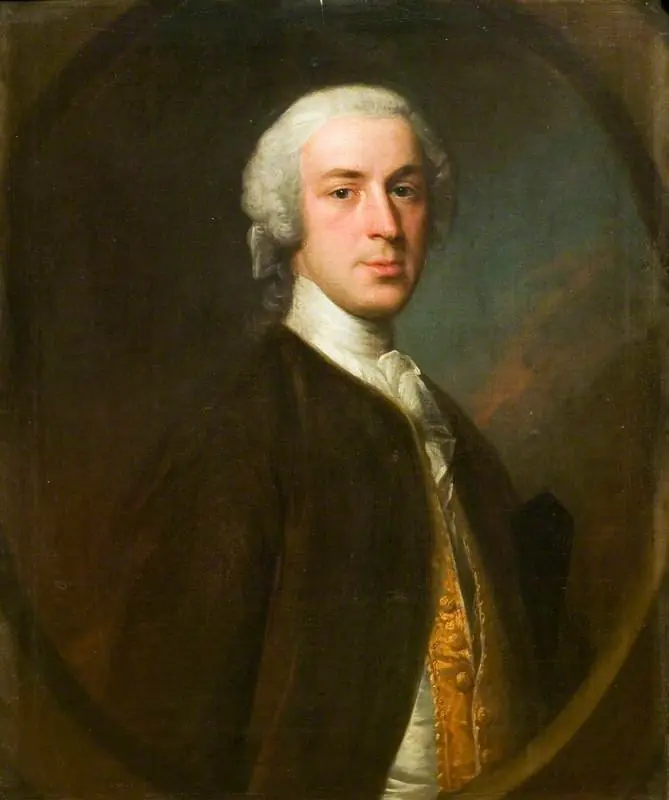 Portrait of an Unknown Man
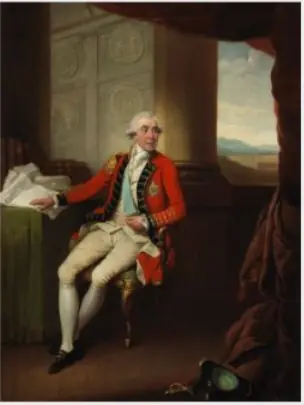 Portrait of James Caulfield, 1st Earl of Charlemont (1728-1799)
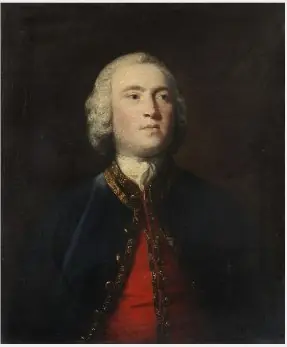 Portrait of Captain George Edgcumbe, later 1st Earl of Mount-Edgcumbe (1720-1795)
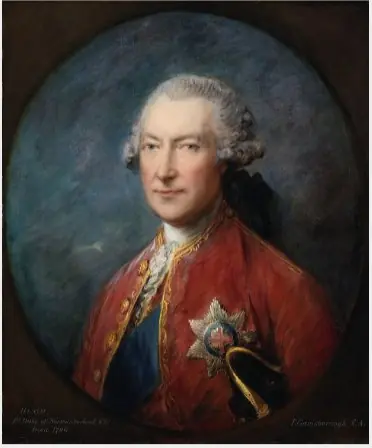 Portrait of Hugh Smithson (Percy), Ist Duke of Northumberland (1714-1786), former Lord Lieutenant of Ireland
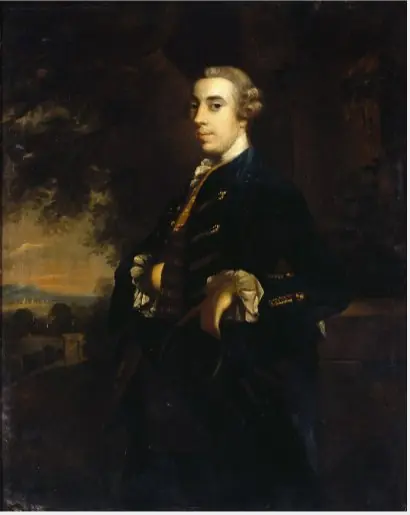 Portrait of James Fitzgerald, 20th Earl of Kildare, later 1st Duke of Leinster