Artwork
Self-Portrait
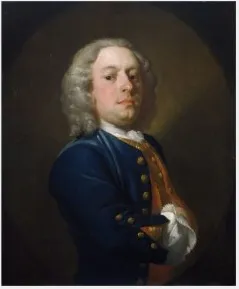
Self-Portrait is an oil painting by the Rococo painting artist James Latham. It dates from 1730 and is held in the collection of the National Gallery of Ireland.
About this work
Overview
James Latham’s self‑portrait, executed in oil in 1730, presents the artist in a composed half‑length pose. The work is part of the National Gallery of Ireland’s collection, where it is displayed among other 18th‑century British portraits. The composition centers on Latham’s figure, set against an unadorned, shadowed backdrop that directs attention to his likeness.
Subject & Meaning
The sitter is the painter himself, rendered with a dignified bearing typical of the period’s professional portraiture. He wears a dark blue coat trimmed with gold buttons, a crisply tied white cravat, and a neatly arranged curly wig, all indicating his status as a gentleman‑artist. The portrait functions both as a personal record and as a statement of artistic competence.
Technique & Style
Latham employs a restrained palette and careful modeling of light to achieve a three‑dimensional effect. A focused illumination falls across the face, highlighting the flesh tones, while the surrounding areas recede into deeper shadow, a chiaroscuro approach that enhances volume. The brushwork is smooth and controlled, emphasizing the refined finish expected in formal portraiture of the era.
History & Provenance
Created in the early 1730s, the painting remained in private hands before entering the National Gallery of Ireland, where it now resides. Its acquisition reflects the museum’s commitment to representing Irish and British portraiture of the 18th century, and it provides a rare visual record of Latham’s own appearance and self‑presentation.
Artist & collection

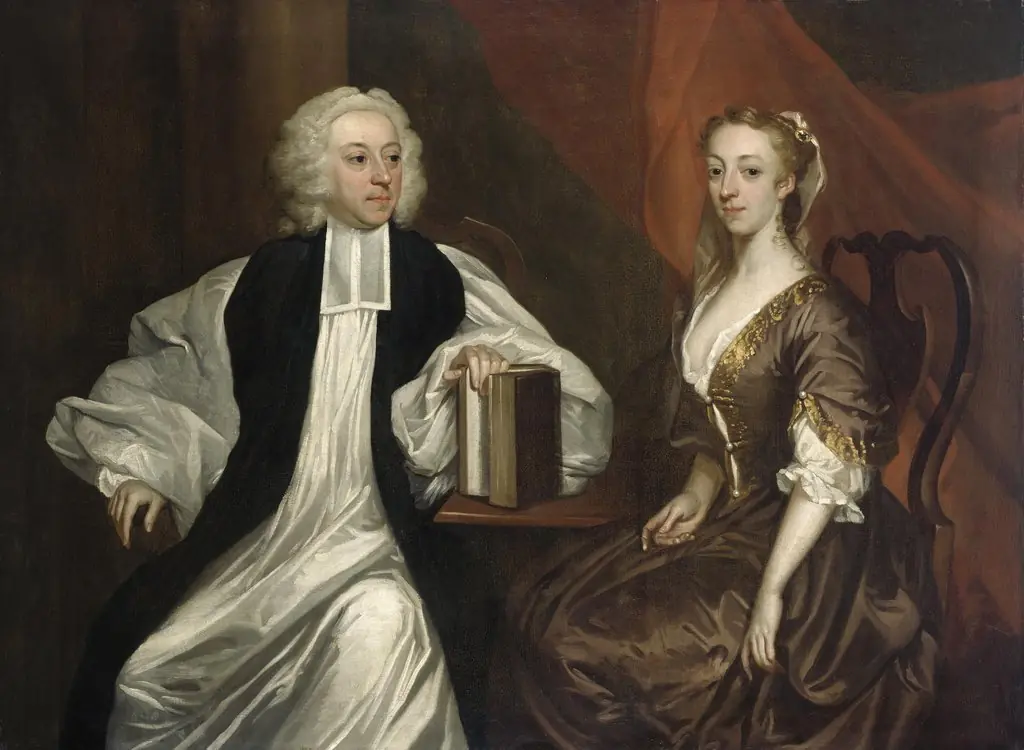 Double Portrait of Bishop Robert Clayton (1695-1758) and his Wife Katherine (née Donnellan) (d.1766)
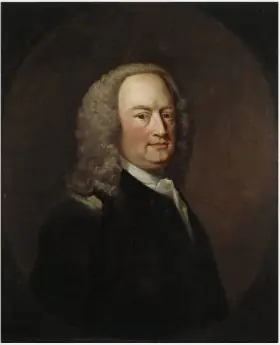 Portrait of Francis Hutcheson (1694-1746)
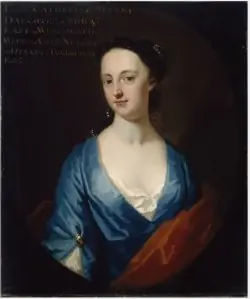 Portrait of Lady Catherine Nugent (d.1756)
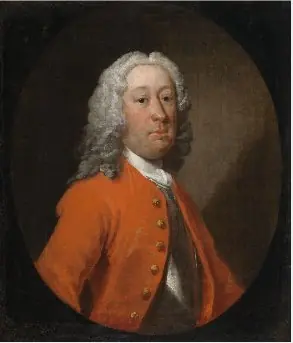 Portrait of a Military Gentleman, possibly General George Wade (1673-1748)
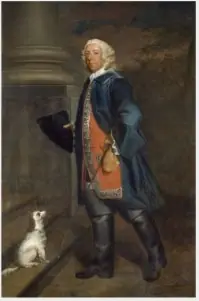 Portrait of Charles Tottenham in his Boots
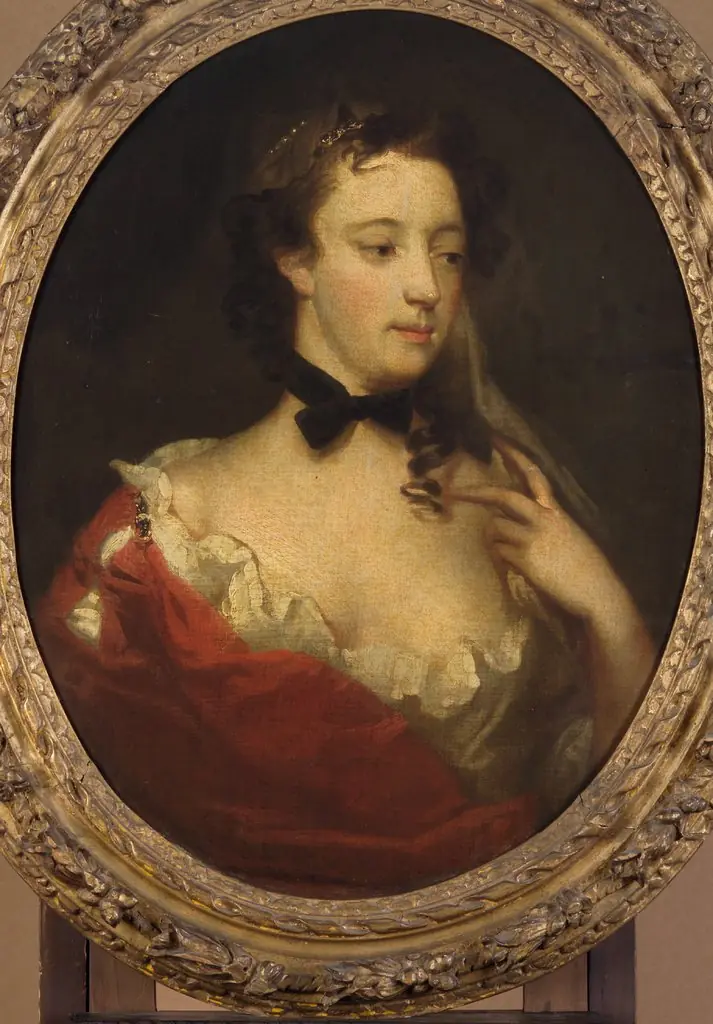 Bildnis einer Dame
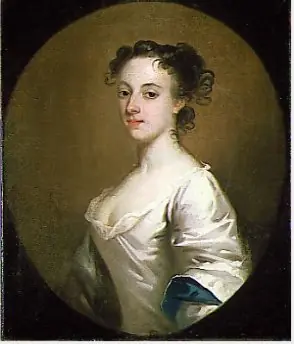 Possible Portrait of Esther Johnson ('Stella')
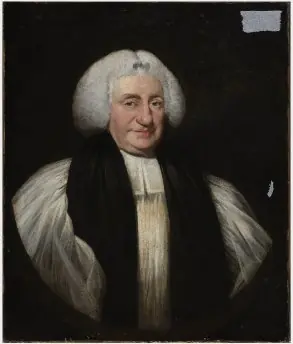 Possibly Henry Maule, Bishop of Cloyne (1676-1758)
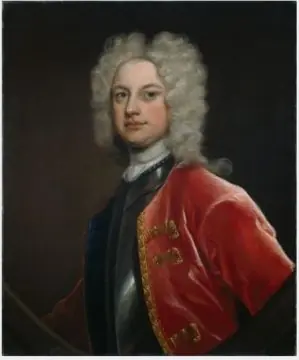 Portrait of General William Cosby (c.1690-1736)
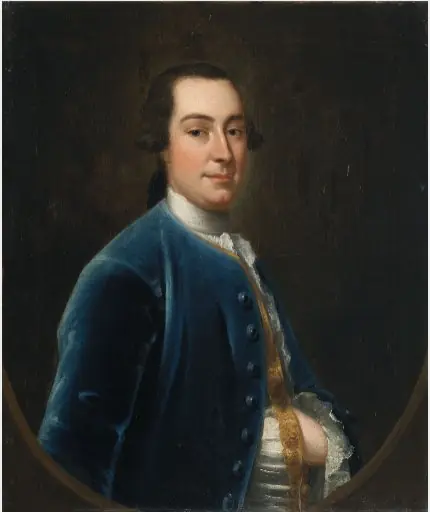 Portrait of a Man in a Blue Jacket
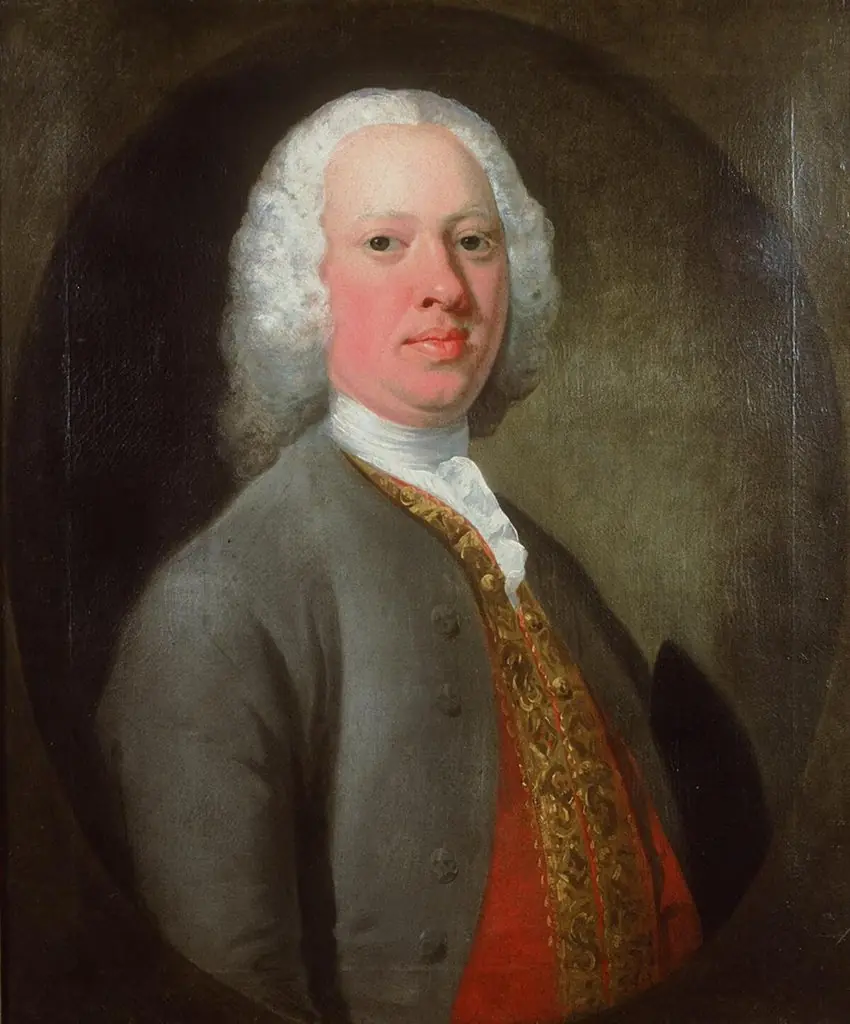 Edward Thelwall
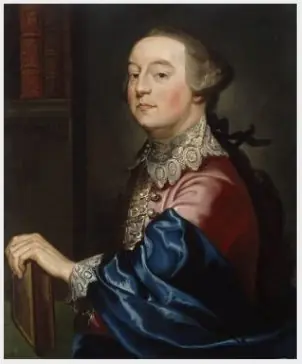 Portrait of a Man
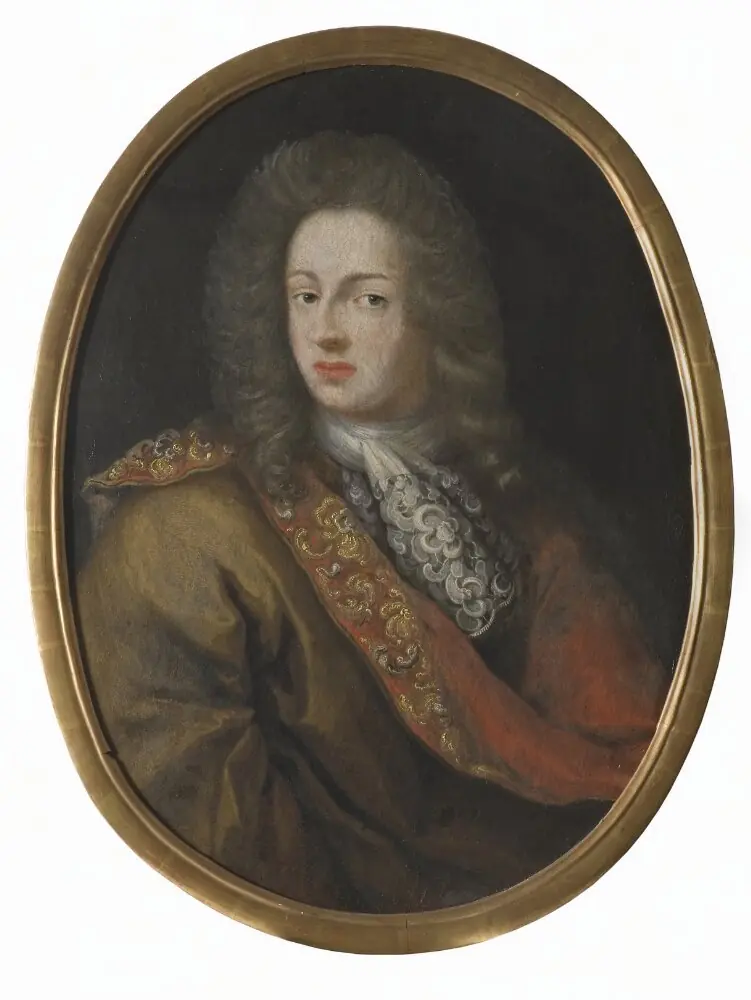 Philip Christopher von Königsmarck (1665-1694), greve, generalmajor i kursachisk tjänst
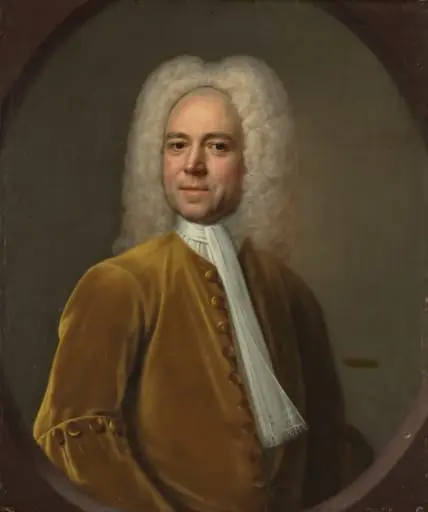 Portrait of a Man
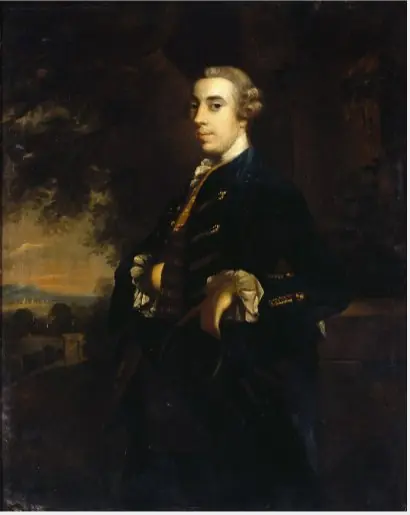 Portrait of James Fitzgerald, 20th Earl of Kildare, later 1st Duke of Leinster
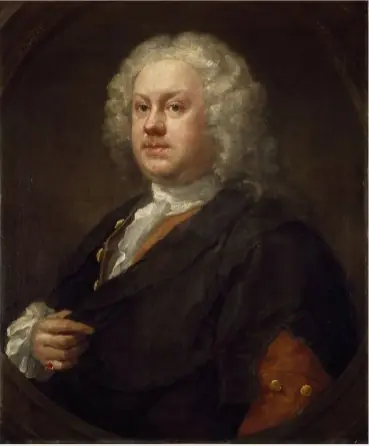 Portrait of Benjamin Hoadly (1706-1757) Doctor and Playwright
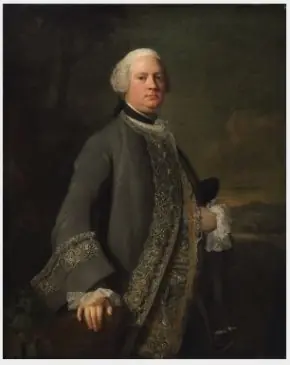 Portrait of Sir John Tyrell, Bt.
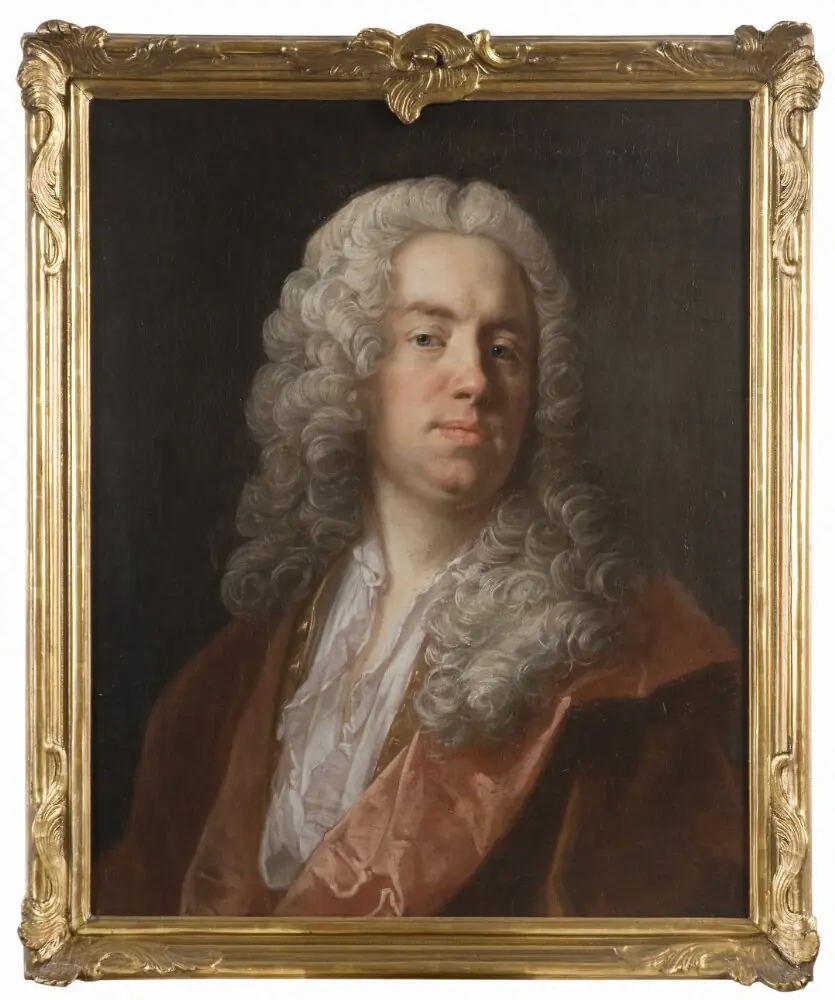 Erik Wrangel af Lindeberg (1686–1765), Baron, Senator