Artwork
A Cluster of Alders
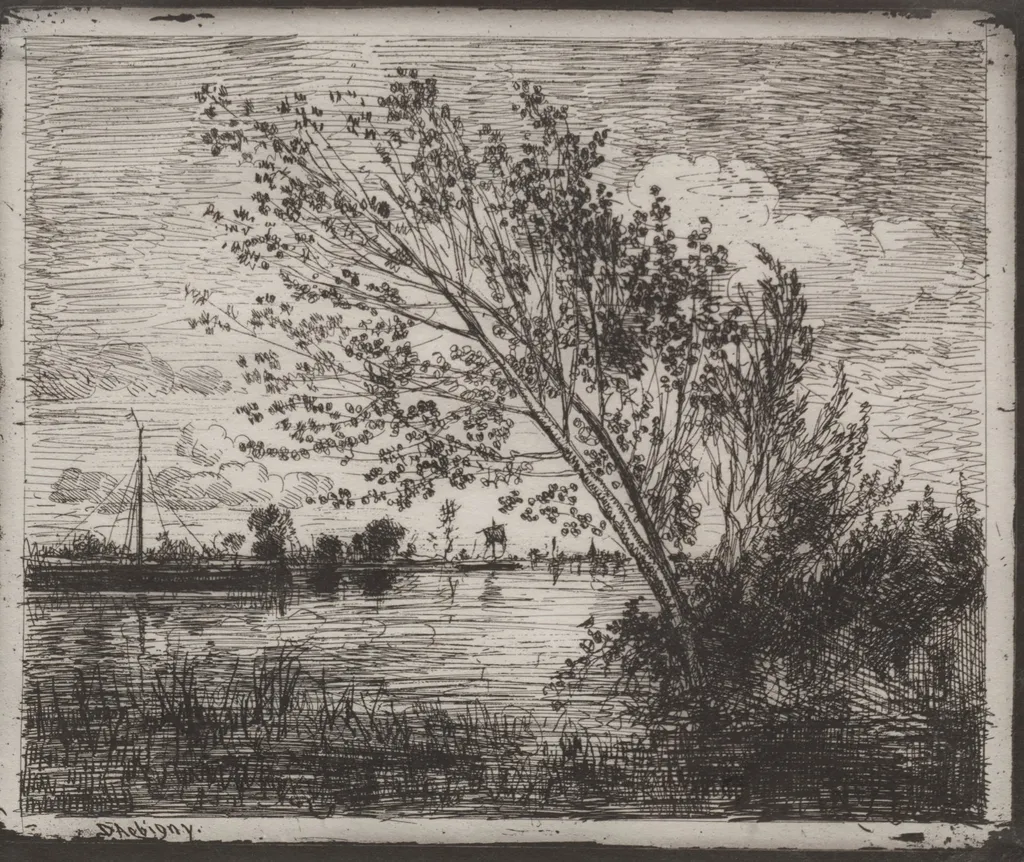
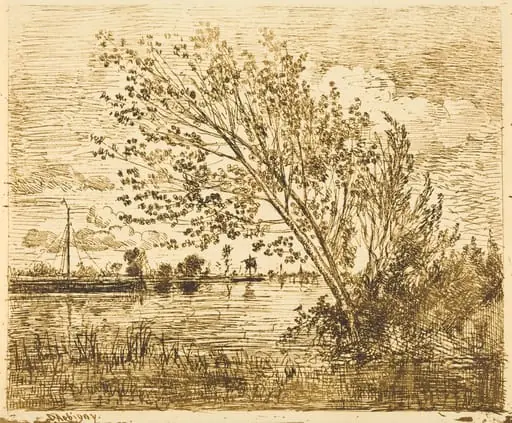
A Cluster of Alders is a print by Charles François Daubigny. It dates from 1862 and is held in the collection of the Cleveland Museum of Art.
About this work
Overview
Created in 1862, *A Cluster of Alders* is a print by French artist Charles François Daubigny, reflecting his deep engagement with natural landscapes.
Created in 1862, *A Cluster of Alders* is a print by French artist Charles François Daubigny, reflecting his deep engagement with natural landscapes. Executed in etching and cliché verre, the work captures a quiet riverside scene with minimal detail and heightened atmospheric effect. Daubigny’s approach prioritized direct observation and tonal nuance over narrative, aligning his practice with emerging tendencies in landscape representation that would influence later generations.
Subject & Meaning
The composition centers on a solitary, gnarled alder tree standing in shallow water, its twisted roots and branches extending like skeletal fingers. Behind it, a low horizon suggests distant boats or structures, barely defined. The absence of human figures and the subdued tones evoke solitude and the quiet persistence of nature. The scene resists idealization, instead presenting nature as lived-in and unembellished, a hallmark of Daubigny’s realism.
Technique & Style
Daubigny employed fine, scratchy lines and layered, overlapping strokes to render water, sky, and foliage. The tree’s texture emerges through abrupt, sketch-like marks, while the water and atmosphere are built from delicate, rhythmic etchings. This method, combining etching with cliché verre, allowed for fluid transitions between tone and line, mimicking the fleeting effects of light. The result is a sense of immediacy, as if the scene were captured in a single, responsive gesture.
History & Provenance
Produced during Daubigny’s most active period of printmaking, *A Cluster of Alders* belongs to a series of works he made while traveling along French rivers. These prints were often distributed in small editions to fellow artists and collectors, circulating within artistic circles rather than the broader public. The work’s survival in museum collections today reflects its significance to 19th-century printmakers who valued its experimental approach and intimate scale.
Context
Daubigny worked alongside the Barbizon painters, rejecting academic conventions in favor of painting outdoors and capturing transient natural conditions. His prints, like this one, extended those principles into graphic media, influencing artists such as Monet and Degas. At a time when landscape was gaining legitimacy as a subject, Daubigny’s focus on unremarkable, everyday scenes helped redefine artistic value in terms of perception rather than grandeur.
Legacy
Though not widely known to the general public, *A Cluster of Alders* exemplifies Daubigny’s role in bridging 19th-century realism and the observational rigor of Impressionism. His use of loose, expressive line work in printmaking demonstrated that subtlety and spontaneity could carry emotional weight. Later artists studied his techniques for capturing light and atmosphere, cementing his quiet influence on modern landscape representation.
Artist & collection
Artist
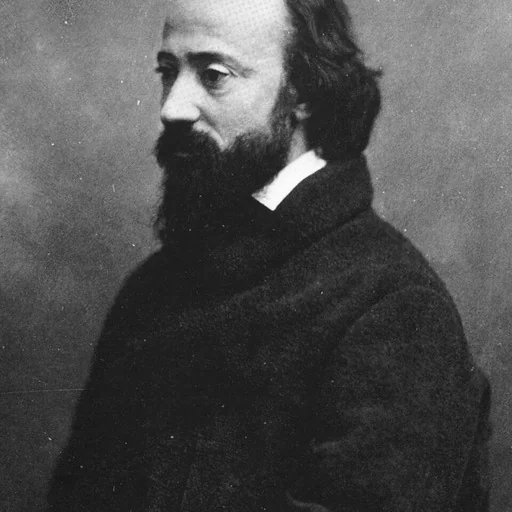
Charles-François Daubigny ( DOH-bin-yee, US: DOH-been-YEE, doh-BEEN-yee, French: ; 15 February 1817 – 19 February 1878) was a French painter, one of the members of the Barbizon school, and is considered an important precursor of…

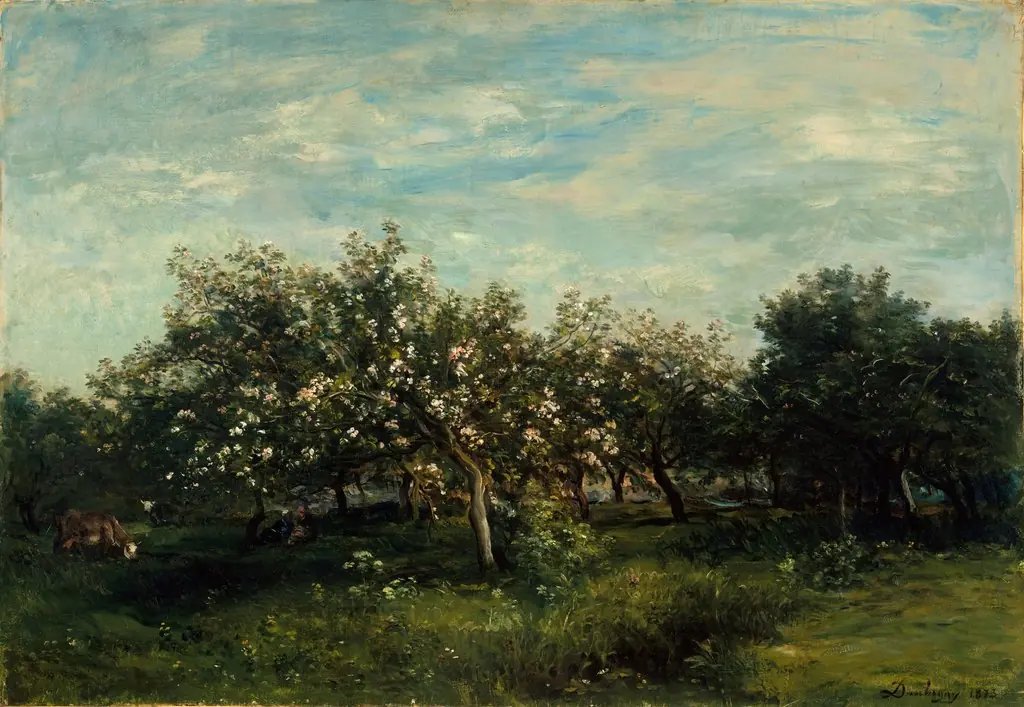
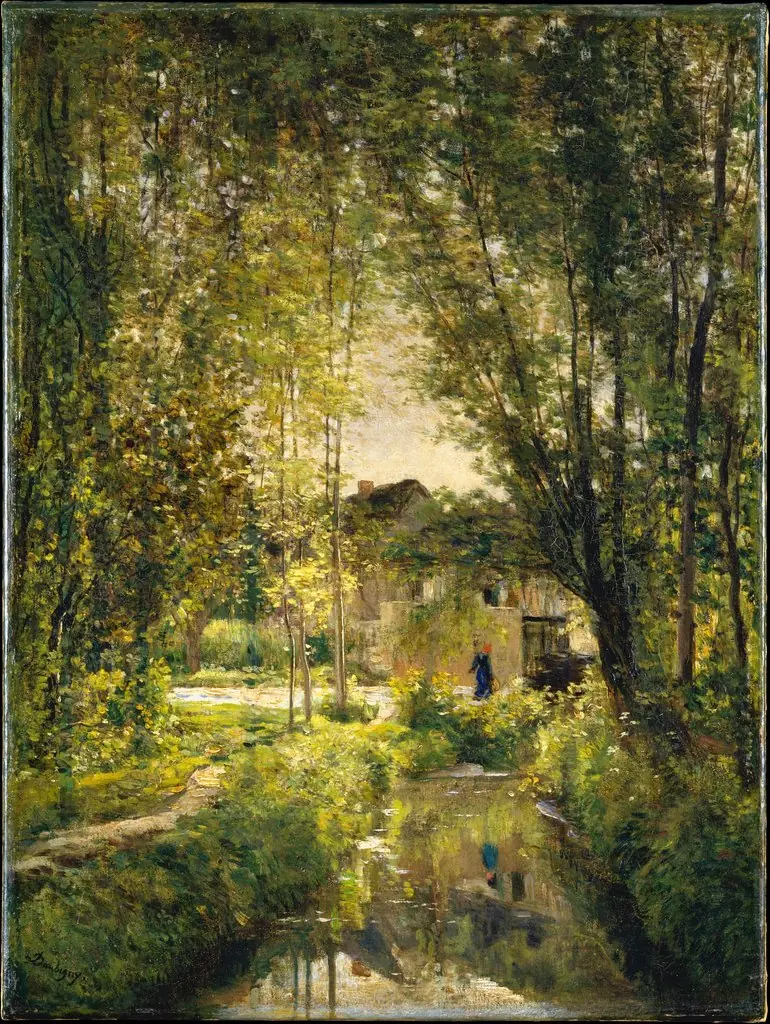
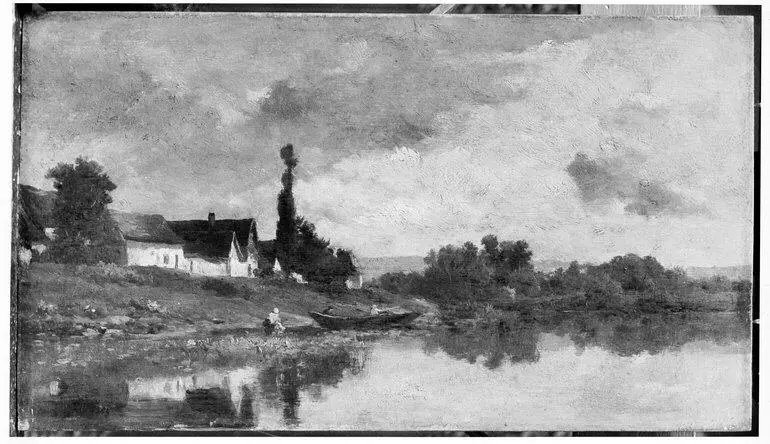
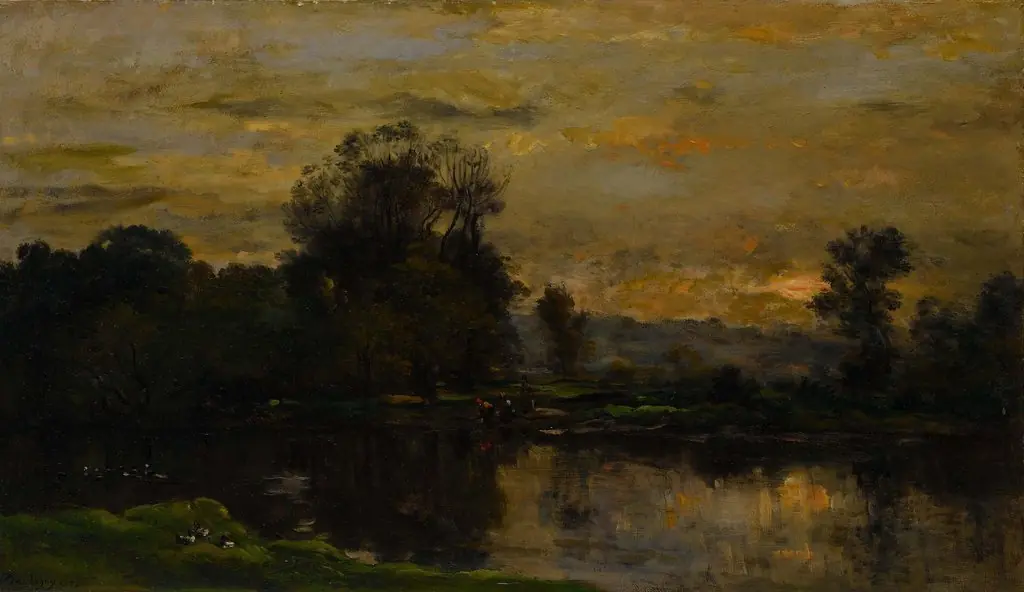
 Stand of Alders (Le Bouquet d'aunes)
 Danube at Walhalla
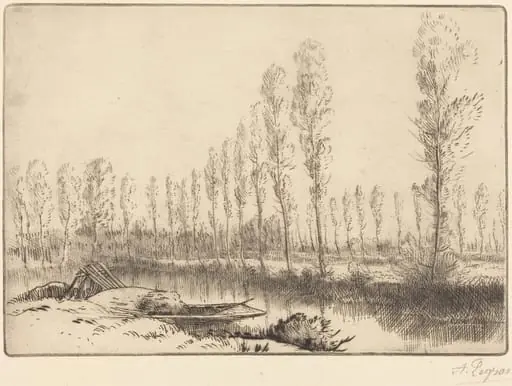 Poplars near Amiens (Pres d'Amiens, les tourbieres)
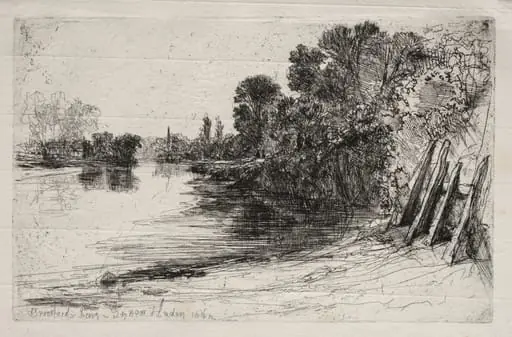 Brentford Ferry
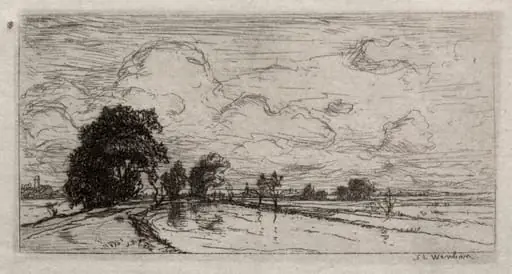 Flooded Landscape with Trees
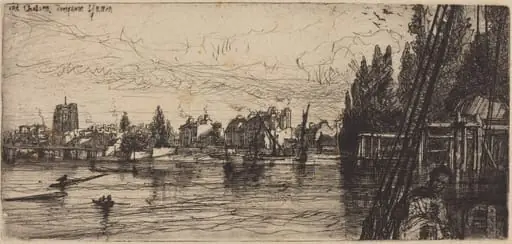 Old Chelsea (Old Chelsea Church)
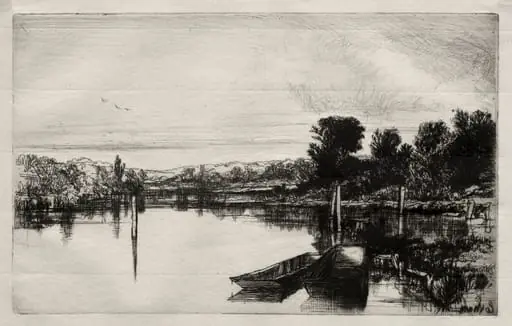 Egham
Egham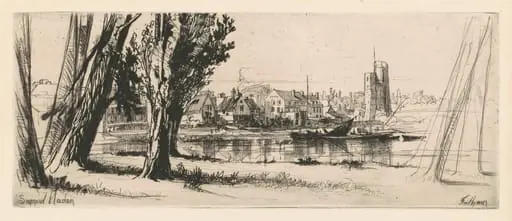 Fulham
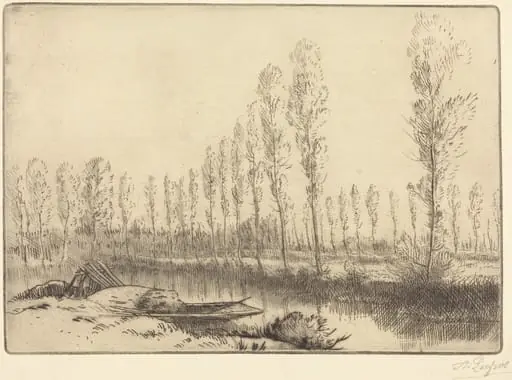 Poplars near Amiens (Pres d'Amiens, les tourbieres)
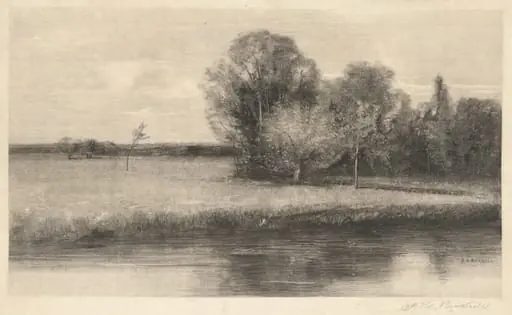 A Sun-dappled Meadow by a River
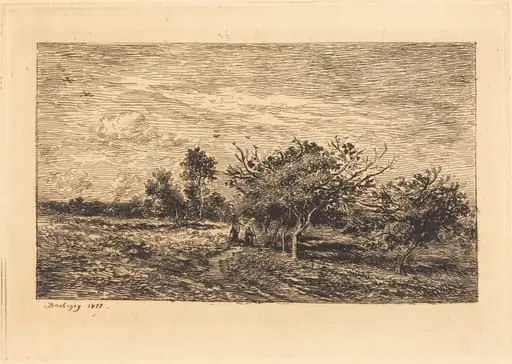 Apple Trees in Auvers (Pommiers a Auvers)
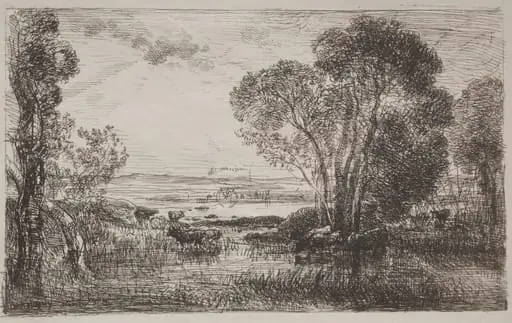 The Hydraulic Machine