Artwork
The Ford
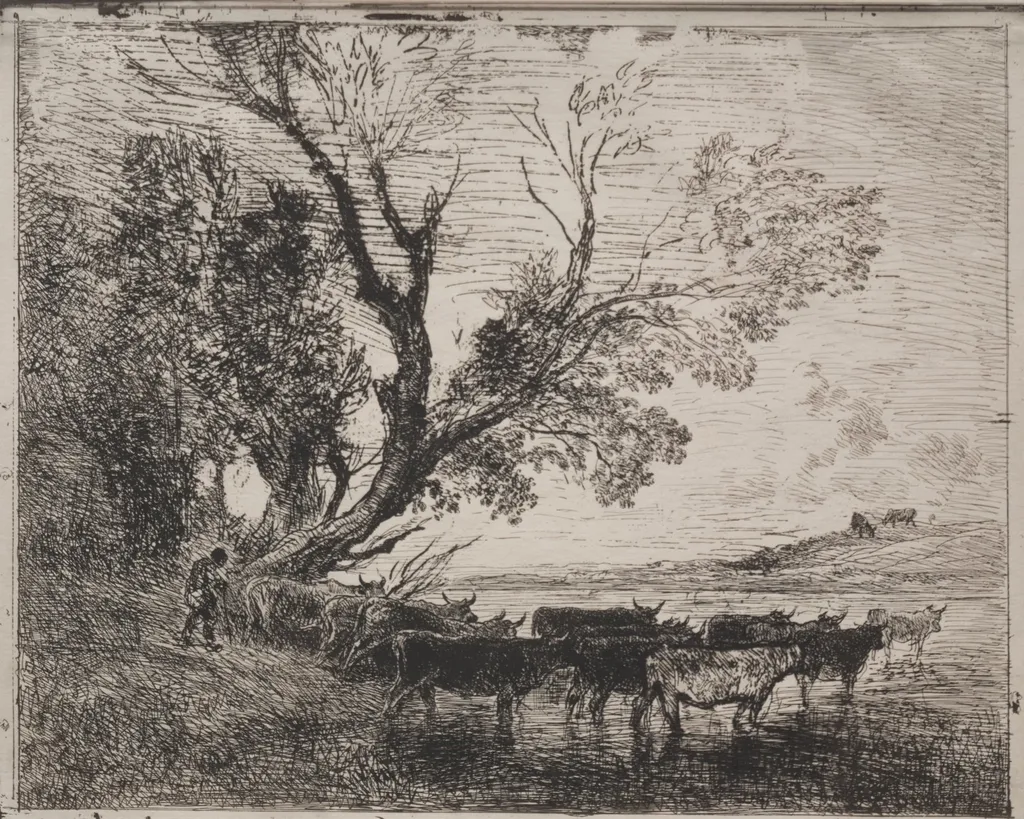
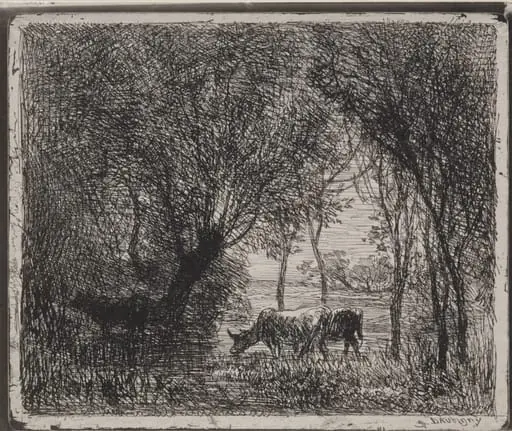
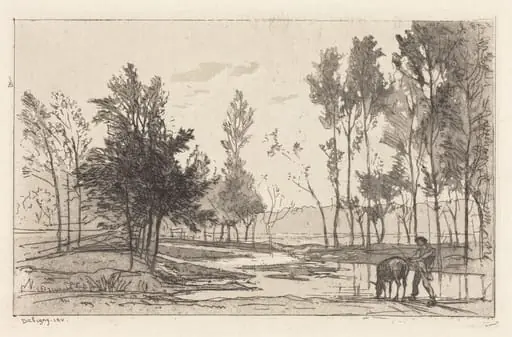
The Ford is a print by Charles François Daubigny. It dates from 1862 and is held in the collection of the Cleveland Museum of Art.
About this work
Overview
His work bridged traditional landscape painting and the emerging interest in transient light, laying groundwork for later developments in Impressionism.
Charles François Daubigny painted *The Ford* in 1862, a quiet landscape that exemplifies his dedication to observing nature directly. A key figure in the Barbizon school, he moved away from idealized compositions toward intimate, unembellished scenes of the French countryside. His work bridged traditional landscape painting and the emerging interest in transient light, laying groundwork for later developments in Impressionism.
Subject & Meaning
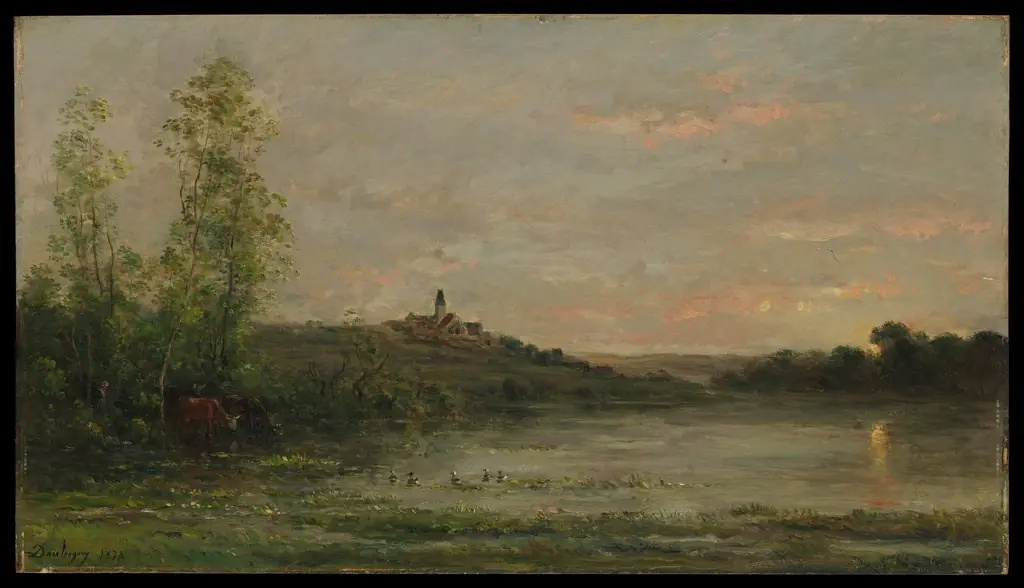
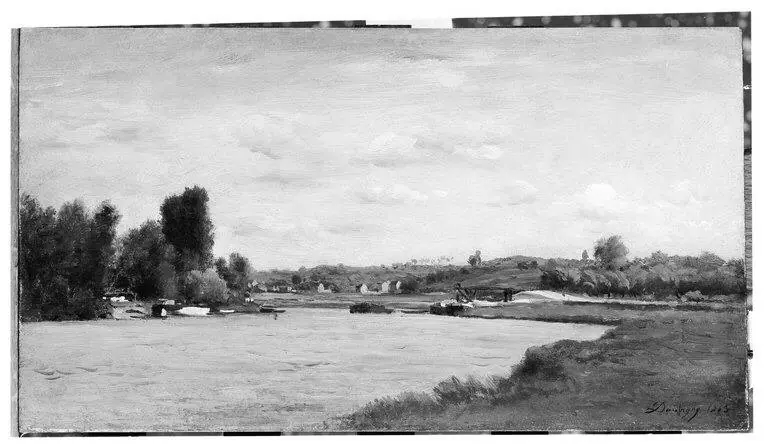
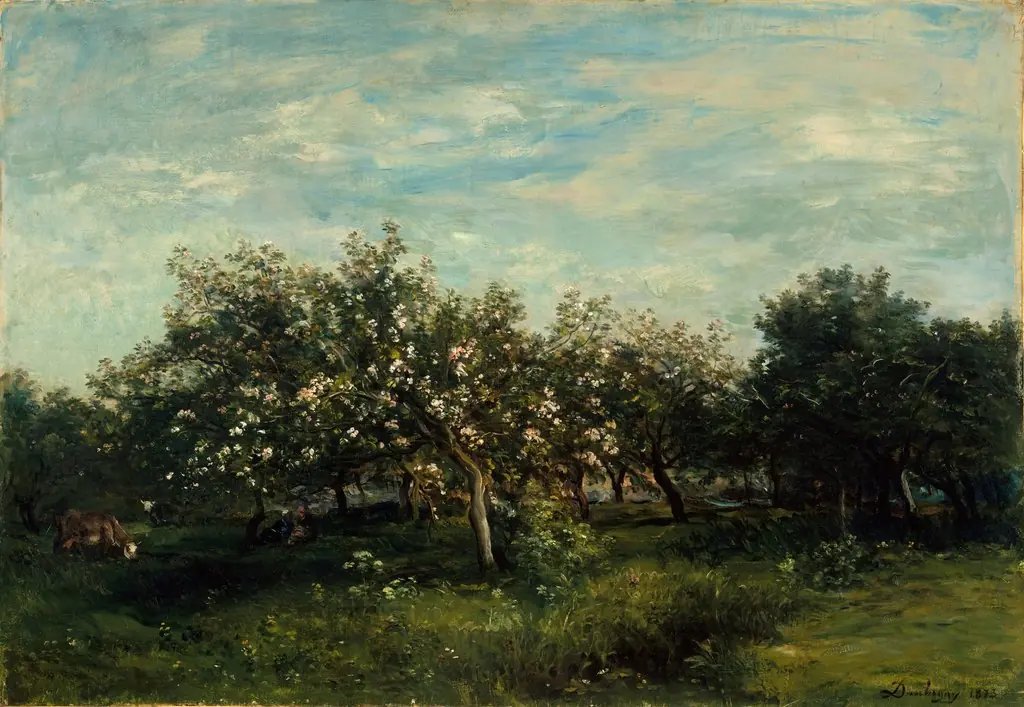
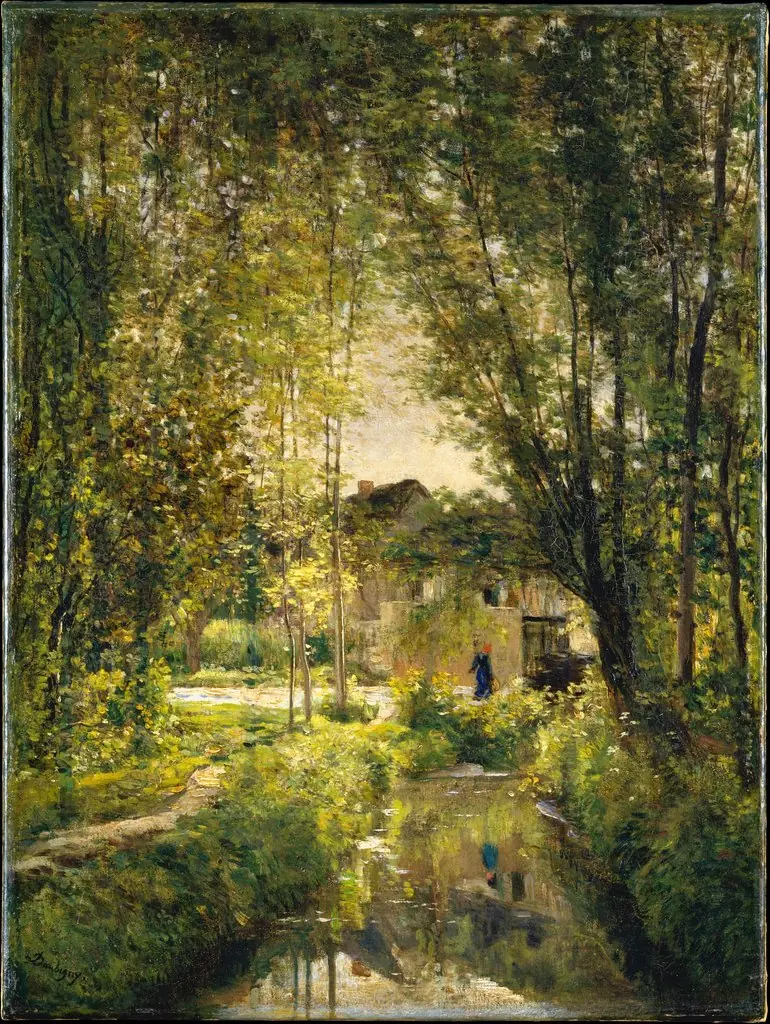
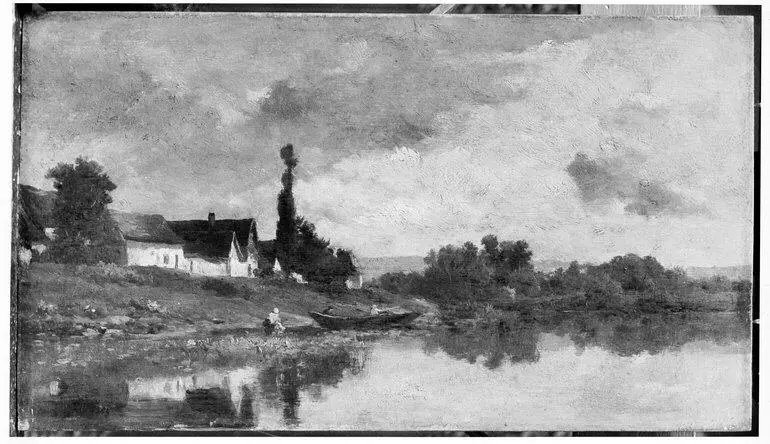
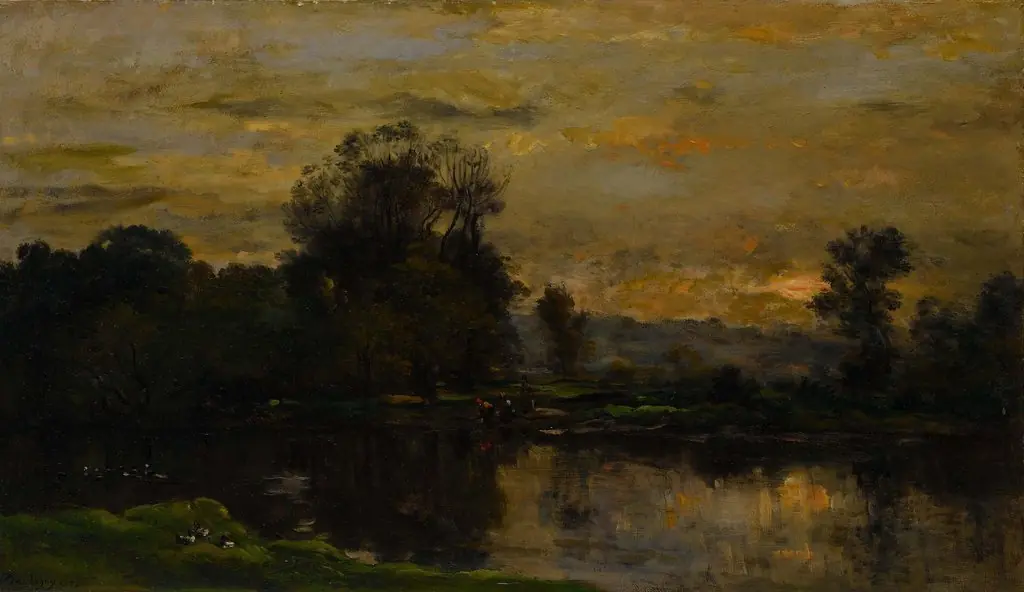
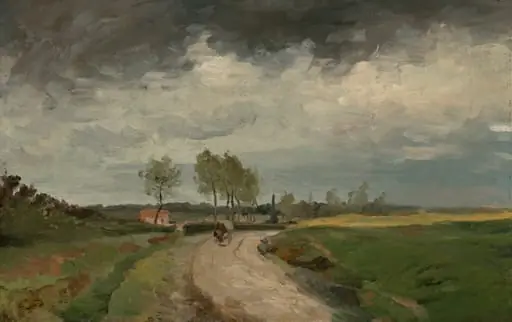
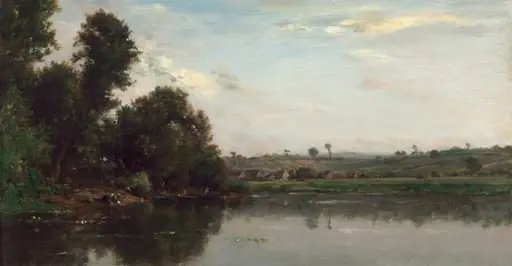
The scene depicts a group of cows standing in shallow water near a tree, framed by gentle hills and a soft, overcast sky. There is no narrative or human presence—only the calm rhythm of animals resting in a rural stream. The composition emphasizes stillness and the quiet dignity of everyday rural life, reflecting Daubigny’s belief in the artistic value of ordinary, unremarkable moments in nature.
Technique & Style
Daubigny employed subtle chiaroscuro to model forms and suggest depth, using layered brushwork to capture the diffused quality of daylight filtering through foliage. The dappled shadows on the ground and the muted tonal transitions in the sky reveal his sensitivity to atmospheric conditions. His approach prioritized direct observation over studio refinement, favoring loose, responsive handling that anticipated Impressionist methods.
History & Provenance
Created during Daubigny’s most productive period, *The Ford* emerged from his practice of painting outdoors along the Oise River, where he often worked en plein air. The painting was likely completed in his studio from sketches made on-site. While its early ownership is not fully documented, it entered public collections in the late 19th century, recognized for its quiet innovation in landscape representation.
Context
In the 1860s, French art was shifting from academic historicism toward realism and naturalism. Daubigny, alongside other Barbizon painters, rejected studio conventions in favor of painting from life. His focus on light, weather, and unidealized terrain resonated with younger artists like Monet and Pissarro, who would later formalize these observations into Impressionism.
Legacy
Though not widely celebrated in his lifetime, Daubigny’s emphasis on direct observation and atmospheric effects influenced a generation of painters who sought to capture the fleeting qualities of light. *The Ford* stands as a quiet testament to his role in redefining landscape painting—not through drama, but through attentive, unadorned realism that prioritized the sensory experience of nature.
Own this work as a print
Artist & collection
Artist
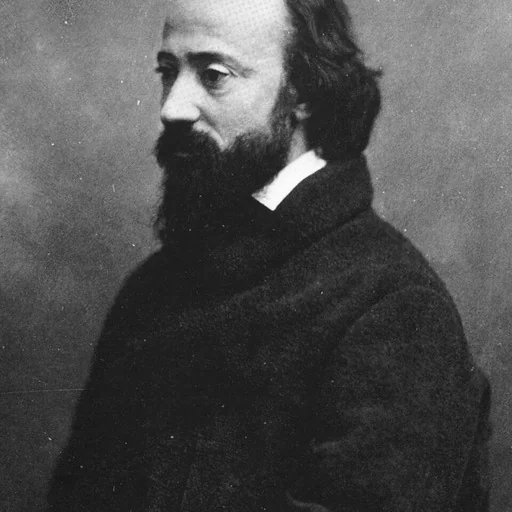
Charles-François Daubigny ( DOH-bin-yee, US: DOH-been-YEE, doh-BEEN-yee, French: ; 15 February 1817 – 19 February 1878) was a French painter, one of the members of the Barbizon school, and is considered an important precursor of…