Artwork
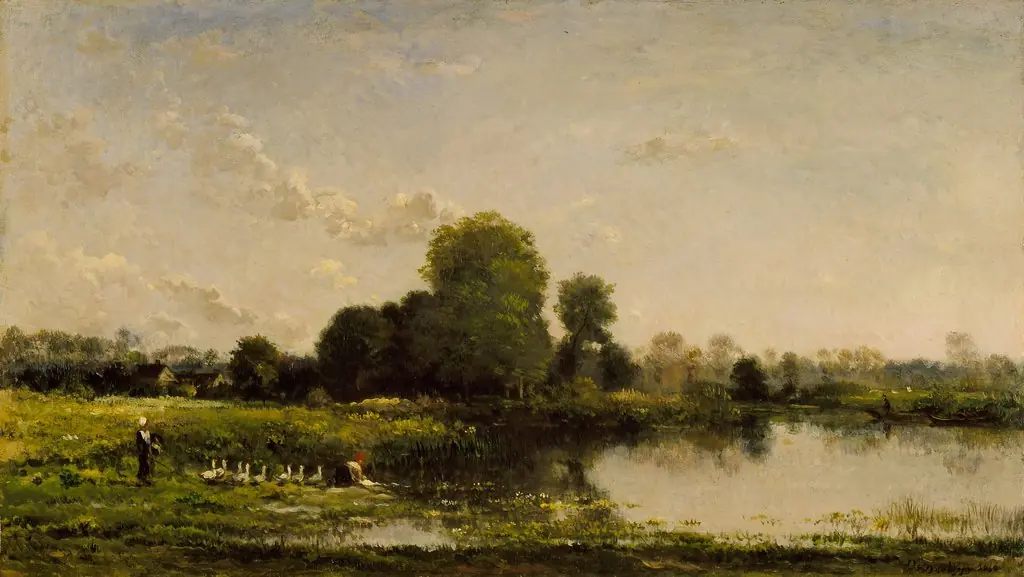
Ile-de-Vaux on the Oise near Auvers
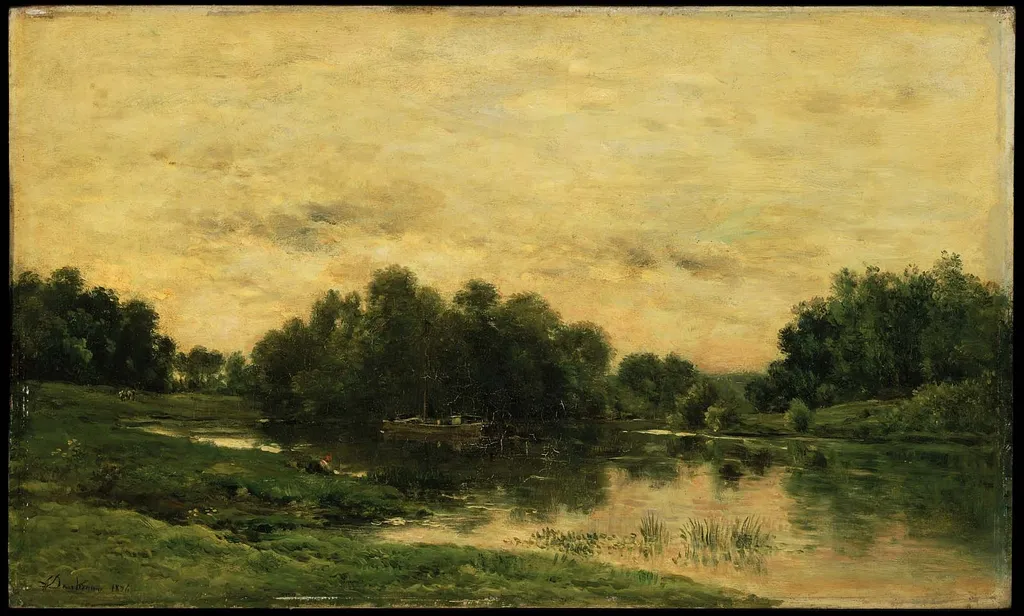
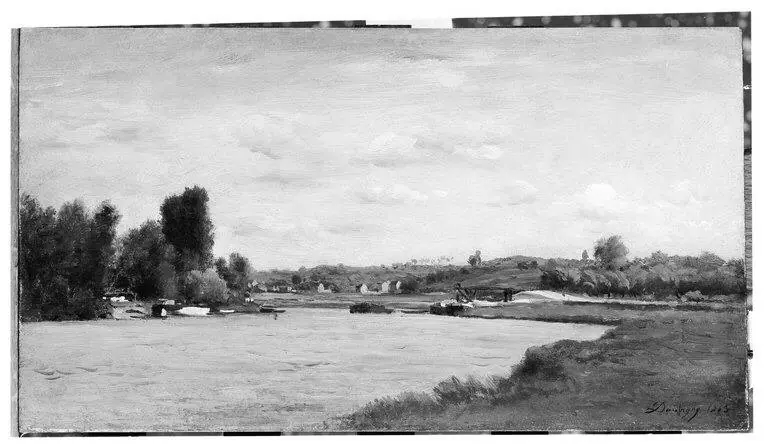
Ile-de-Vaux on the Oise near Auvers is an unspecified painting by the Impressionist artist Charles François Daubigny. It is held in the collection of the Museum of Fine Arts Boston.
About this work
Overview
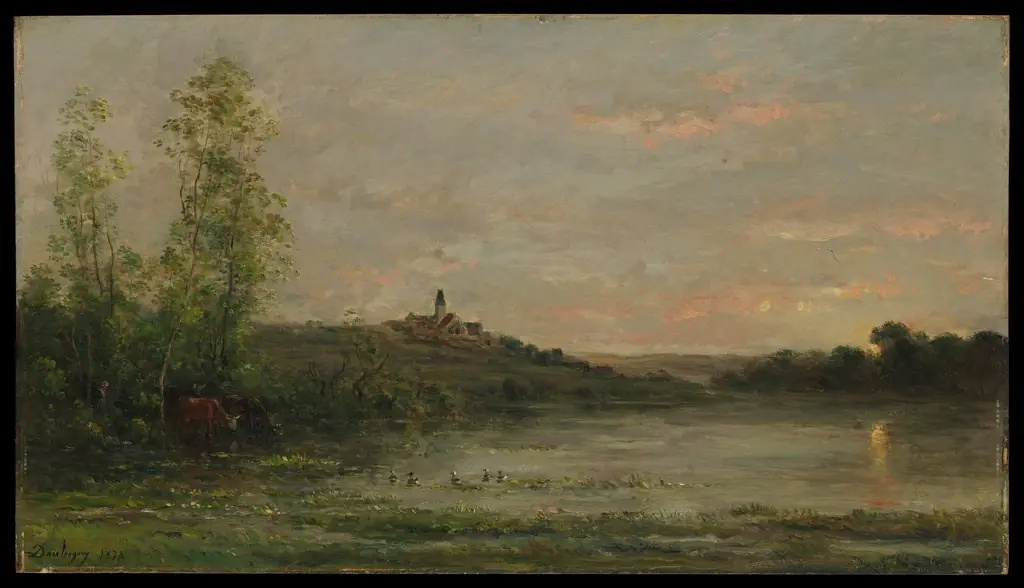
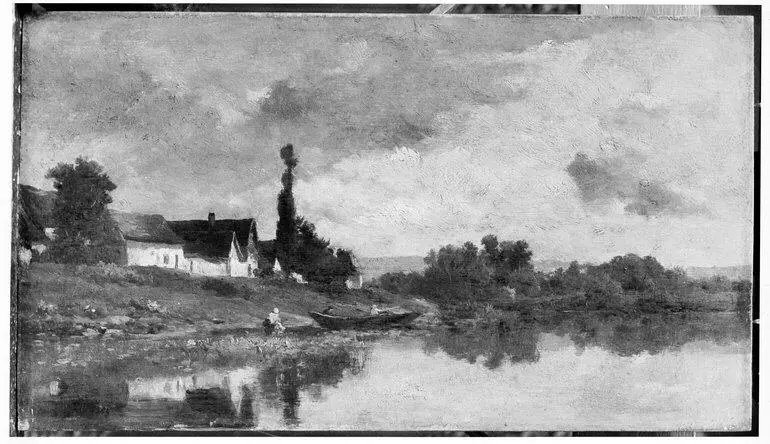
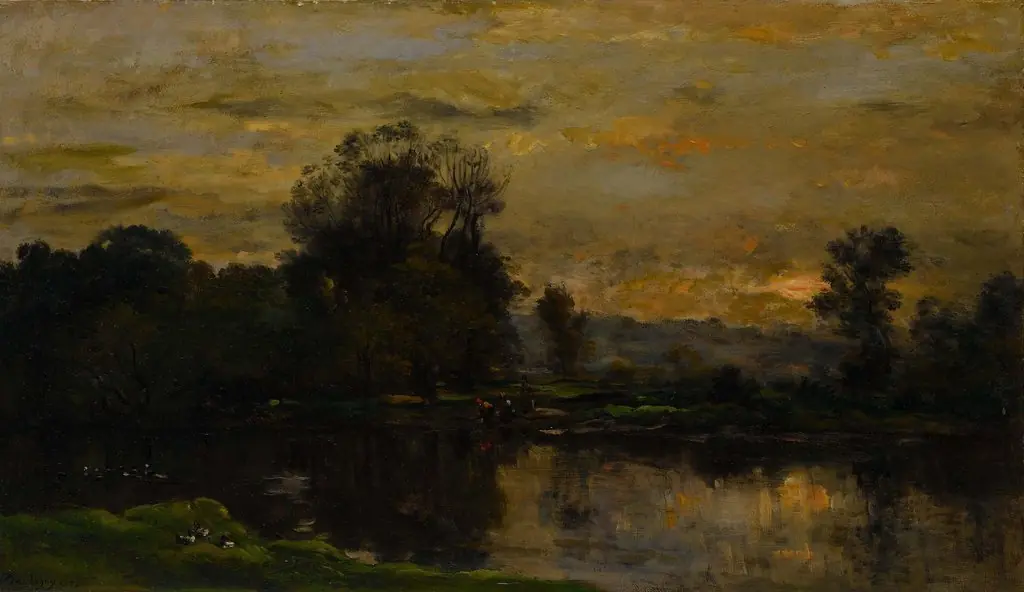
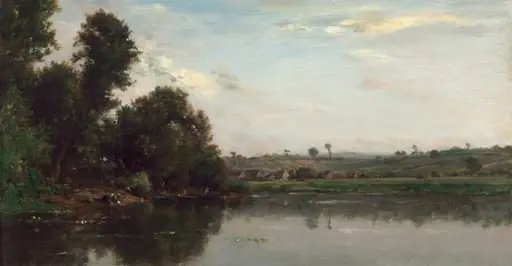
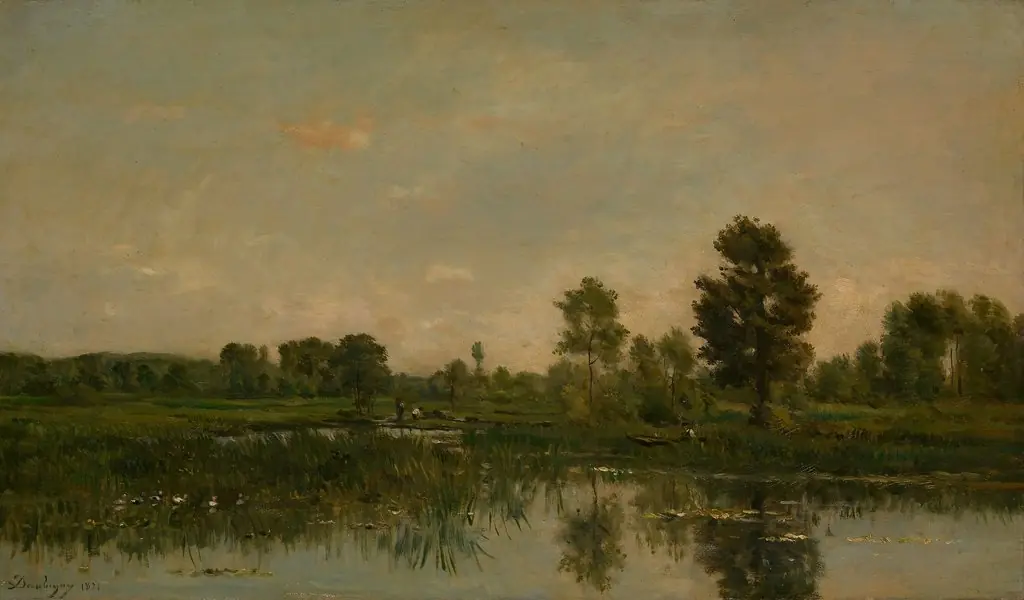
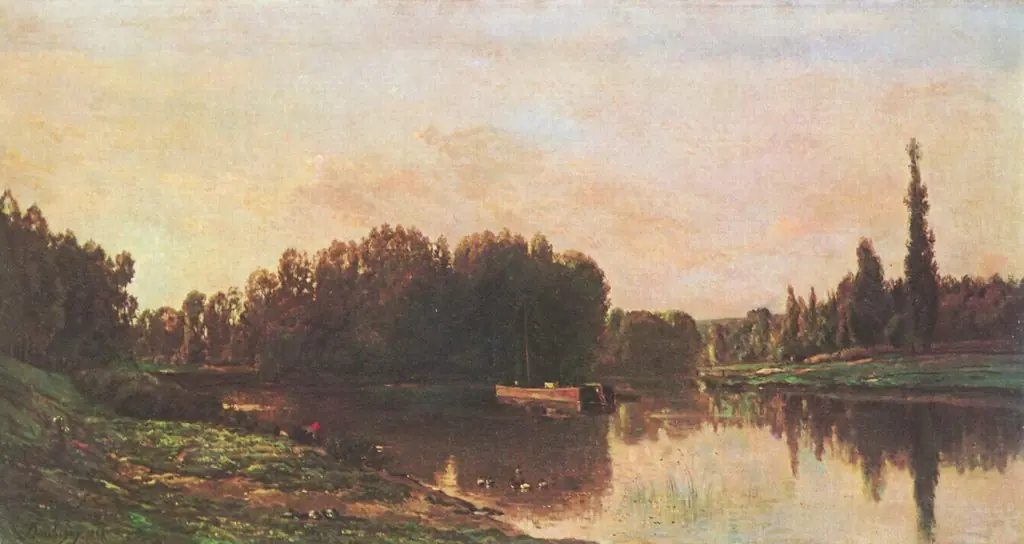
Ile-de-Vaux on the Oise near Auvers is a landscape painting by Charles François Daubigny, created in 1888. It depicts a serene riverside scene, characterized by a calm river, reflected natural surroundings, and a distant moored boat amidst lush greenery.
Subject & Meaning
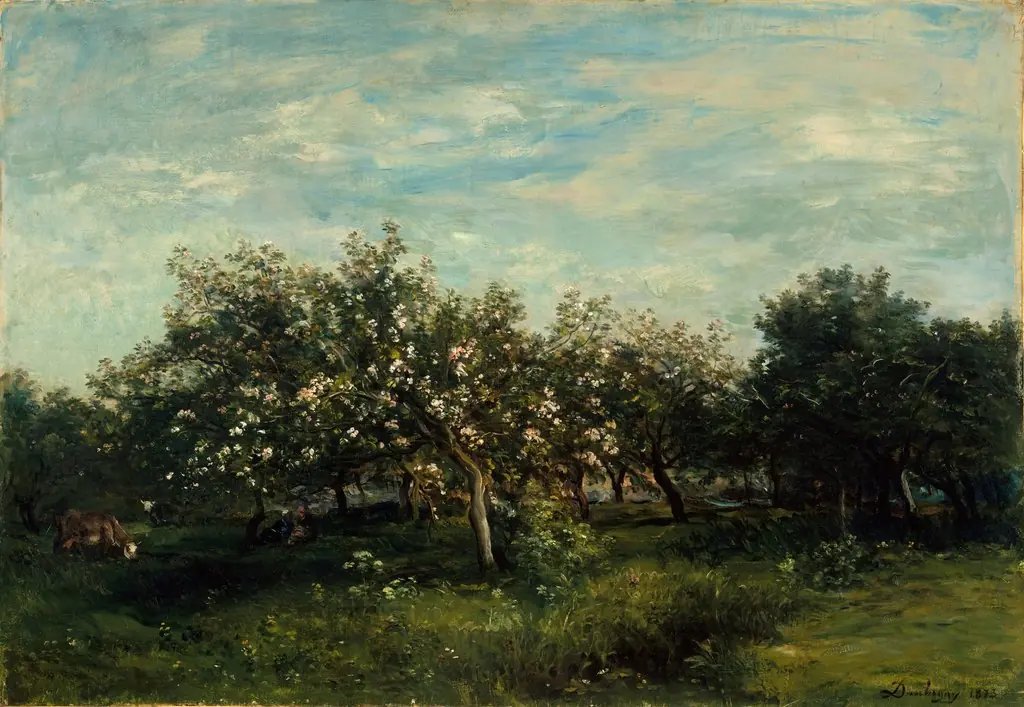
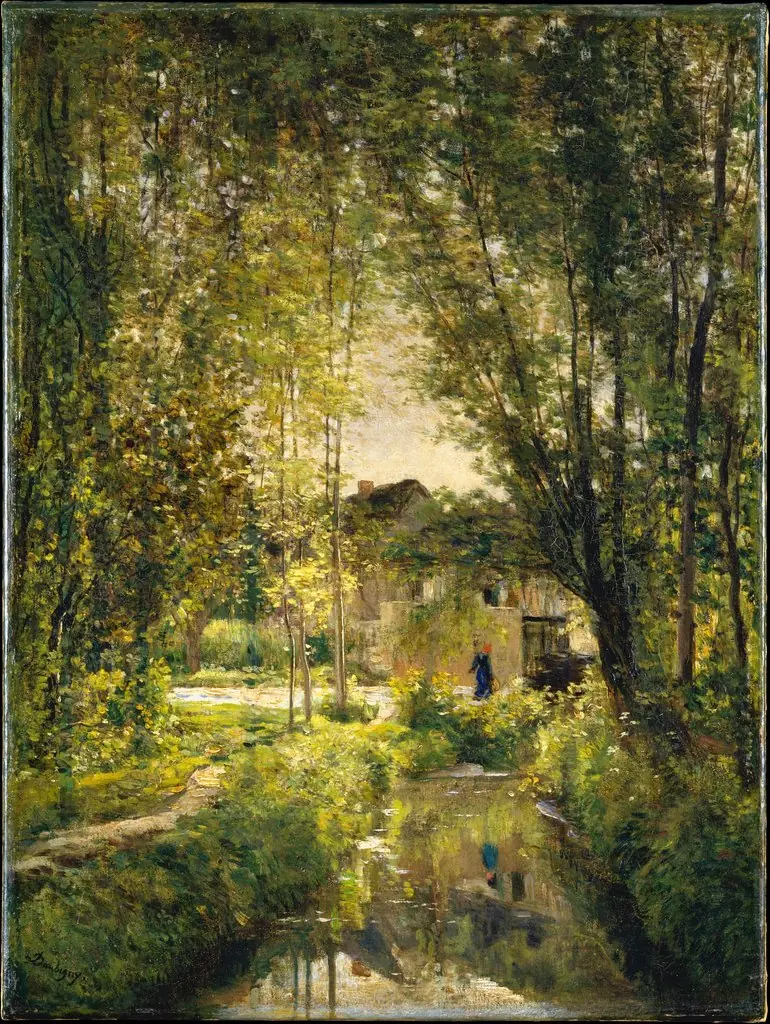
The painting captures a tranquil rural moment, emphasizing the interplay of natural light, color, and atmosphere. The serene composition invites the viewer into a peaceful landscape, reflecting the artist’s focus on capturing the fleeting effects of light and color.
Technique & Style
Daubigny employed smooth, gentle brushstrokes to convey calmness. The use of chiaroscuro creates depth and volume, with strong contrasts between light and dark enhancing the overall sense of tranquility and immersion.
History & Provenance
Painted in 1888, Ile-de-Vaux on the Oise near Auvers is now part of the Museum of Fine Arts Boston’s collection, highlighting Daubigny’s contribution to the transition towards impressionism.
Context
As a precursor to impressionism and associated with the Barbizon school, Daubigny’s work reflects the evolving interest in outdoor light and everyday landscapes, setting a stage for future impressionist movements.
Artist & collection

Artist
Charles-François Daubigny ( DOH-bin-yee, US: DOH-been-YEE, doh-BEEN-yee, French: ; 15 February 1817 – 19 February 1878) was a French painter, one of the members of the Barbizon school, and is considered an important precursor of…