Artwork
Village in Brittany
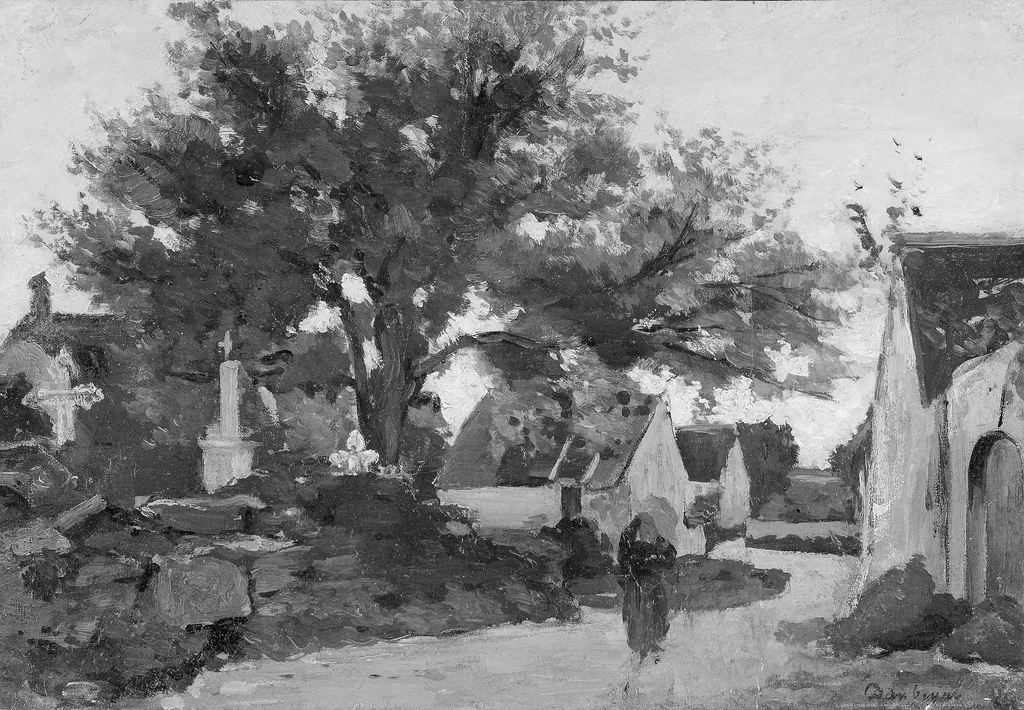
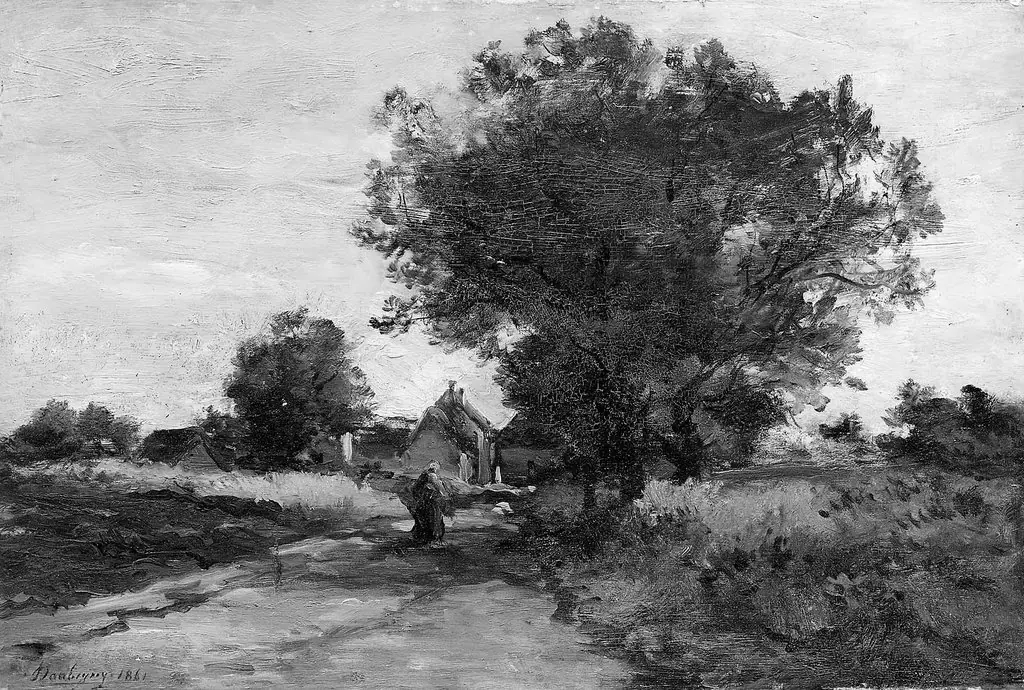
Village in Brittany is an unspecified painting by the Barbizon school artist Charles François Daubigny. It dates from 1844 and is held in the collection of the Art Institute of Chicago.
About this work
Overview
The composition invites the eye to move from the detailed foreground into the receding village, establishing a calm, immersive landscape.
Created in 1844, *Village in Brittany* presents a tranquil rural tableau set in north‑western France. A solitary, mature tree dominates the foreground, its foliage rendered in varied tones that catch the shifting light. Beyond it, modest dwellings cluster amid a gentle horizon, their forms softened by atmospheric haze. The composition invites the eye to move from the detailed foreground into the receding village, establishing a calm, immersive landscape.
Subject & Meaning
The work depicts everyday life in a Breton hamlet, emphasizing the harmony between human habitation and the surrounding countryside. By foregrounding the tree, Daubigny underscores nature’s enduring presence, while the modest architecture suggests a modest, agrarian community. The interplay of light and shadow conveys a fleeting moment of quiet, hinting at the timeless rhythm of rural existence without overt narrative embellishment.
Technique & Style
Daubigny employs a palette of muted earth tones punctuated by brighter highlights to model form and convey atmospheric depth. Visible brushwork creates a tactile surface, allowing the texture of foliage and stone to emerge. The handling of light—soft gradations across sky and ground—reflects the Barbizon school’s commitment to naturalistic observation, while the loose, expressive strokes anticipate later Impressionist concerns with fleeting illumination.
History & Provenance
The painting entered the collection of the Art Institute of Chicago, where it remains on display. Its acquisition reflects the museum’s 19th‑century emphasis on European landscape painting, and the work has been cited in exhibitions exploring the transition from academic realism to modernist approaches in French art.
Context
Daubigny was a central figure in the Barbizon movement, a group of artists who withdrew from urban studios to paint en plein air in the French forest of Fontainebleau and surrounding regions. *Village in Brittany* exemplifies the school’s focus on unidealized, everyday scenery and its influence on younger painters who later formed the Impressionist circle, marking a pivotal shift toward modern landscape representation.
Own this work as a print
Artist & collection
Artist
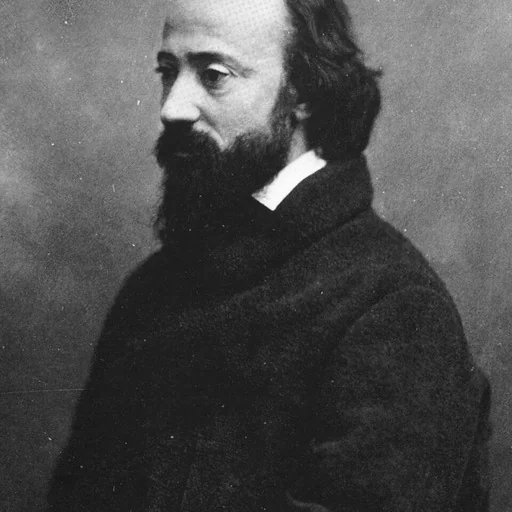
Charles-François Daubigny ( DOH-bin-yee, US: DOH-been-YEE, doh-BEEN-yee, French: ; 15 February 1817 – 19 February 1878) was a French painter, one of the members of the Barbizon school, and is considered an important precursor of…

 The Pine Path at Gilleleje
 Village Road
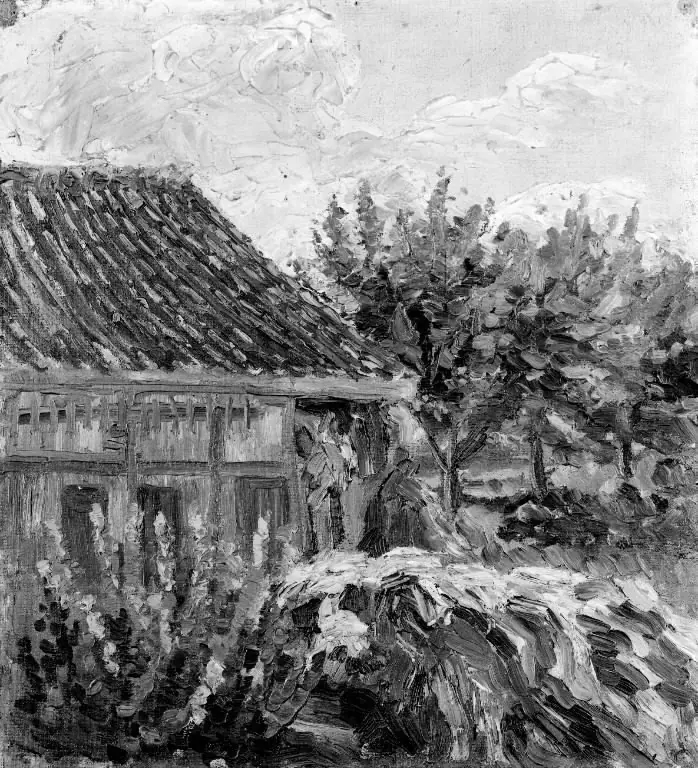 View of a House in Hørsholm
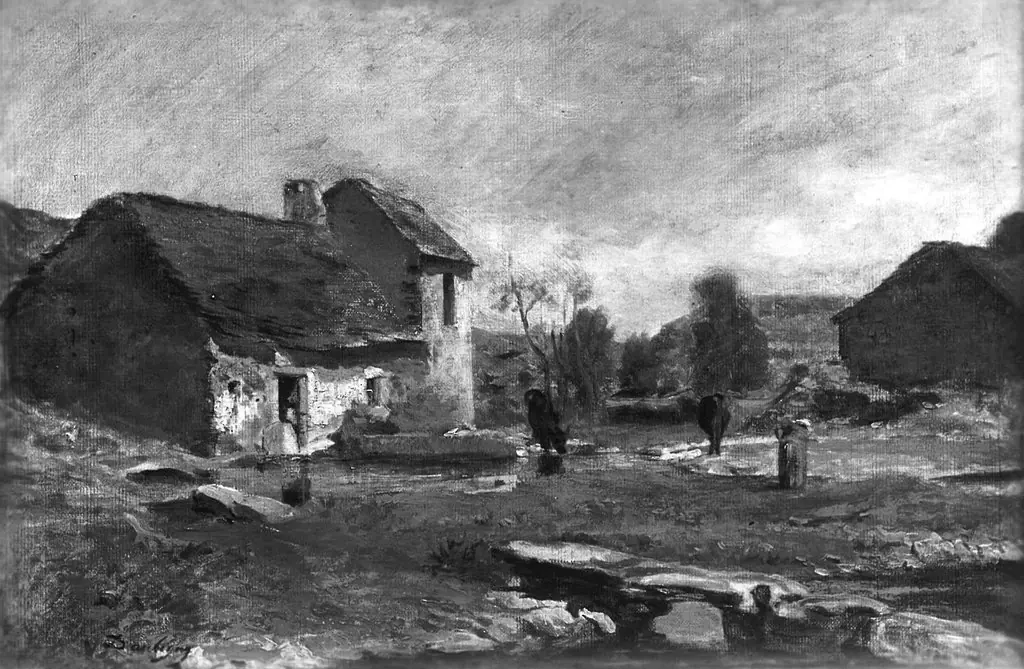 Houses in Optevoz, France
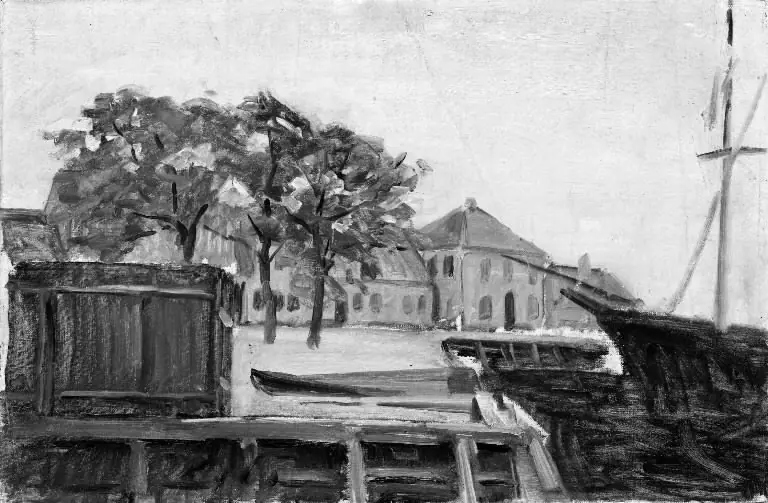 Havn i en lille købstad
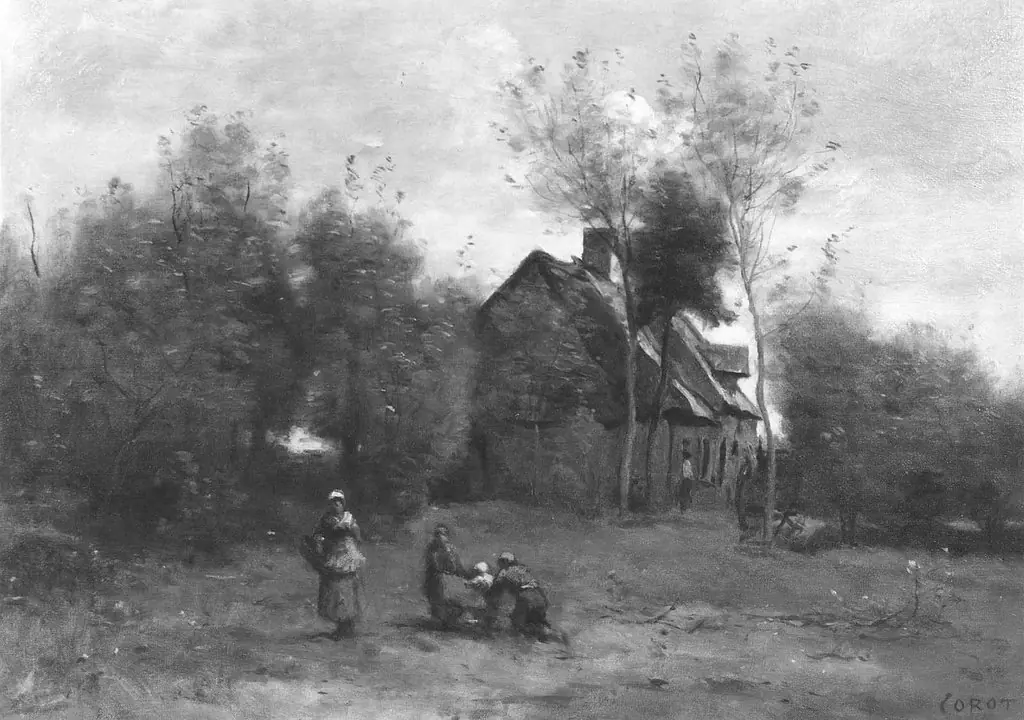 Farmyard at Sin, near Douai, with Children at Play
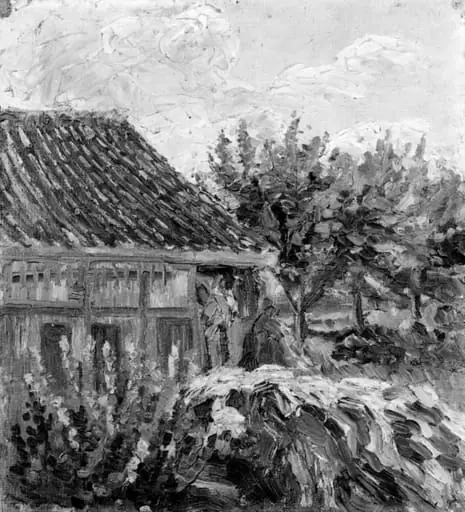 View of a House in Hørsholm
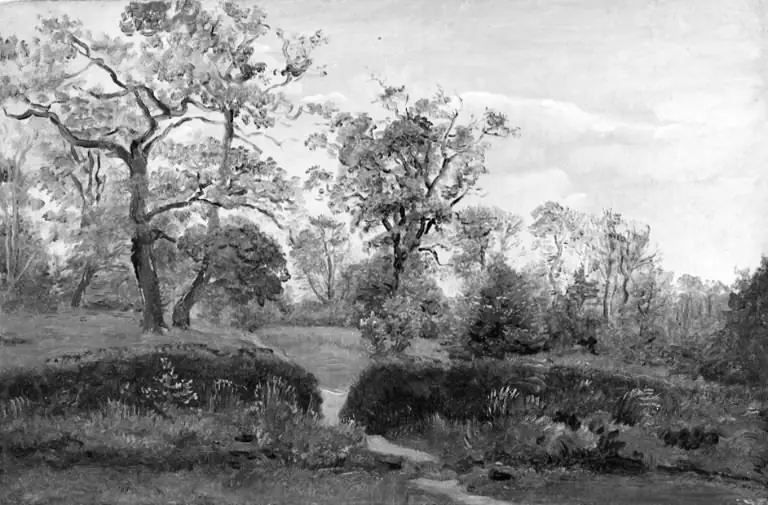 The Fringe of a Wood
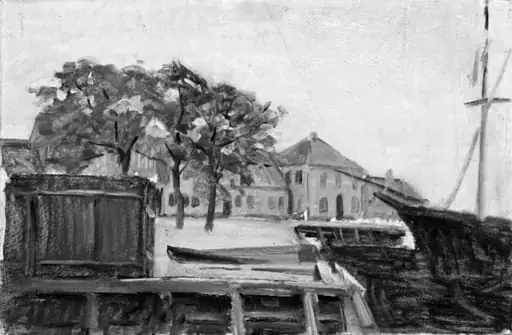 Havn i en lille købstad
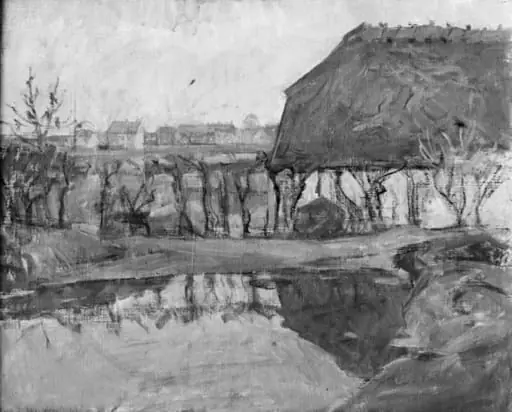 A Farm in Lyngby, Zealand
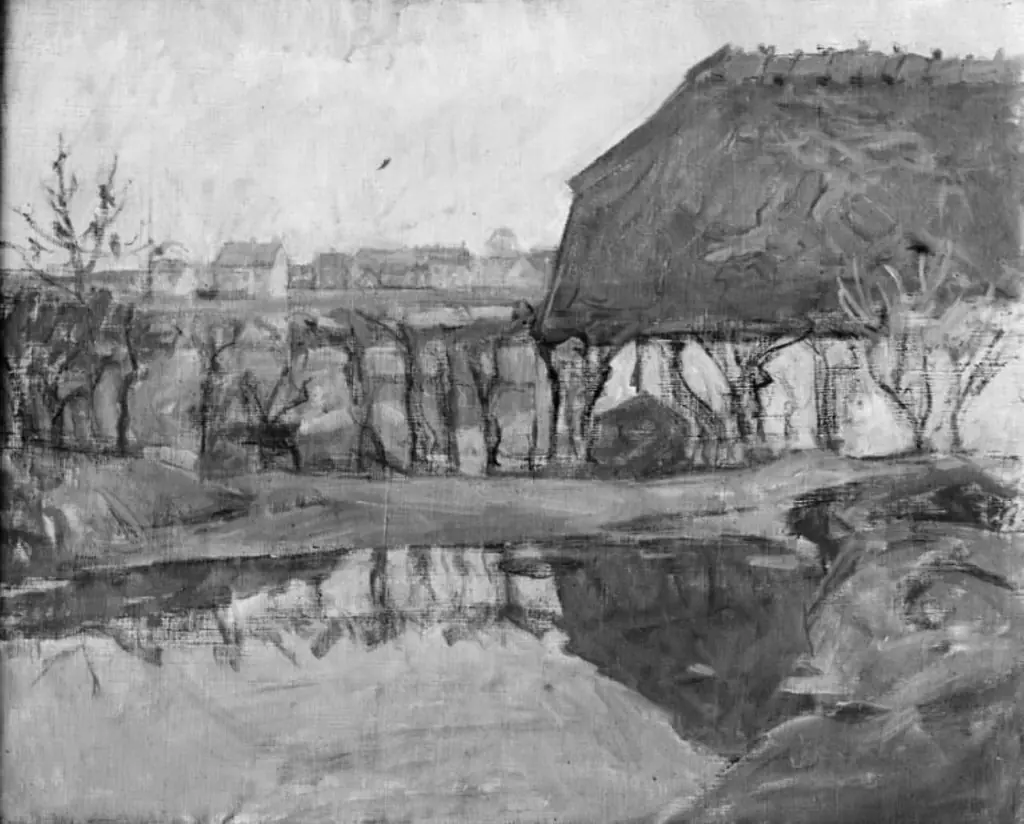 A Farm in Lyngby, Zealand
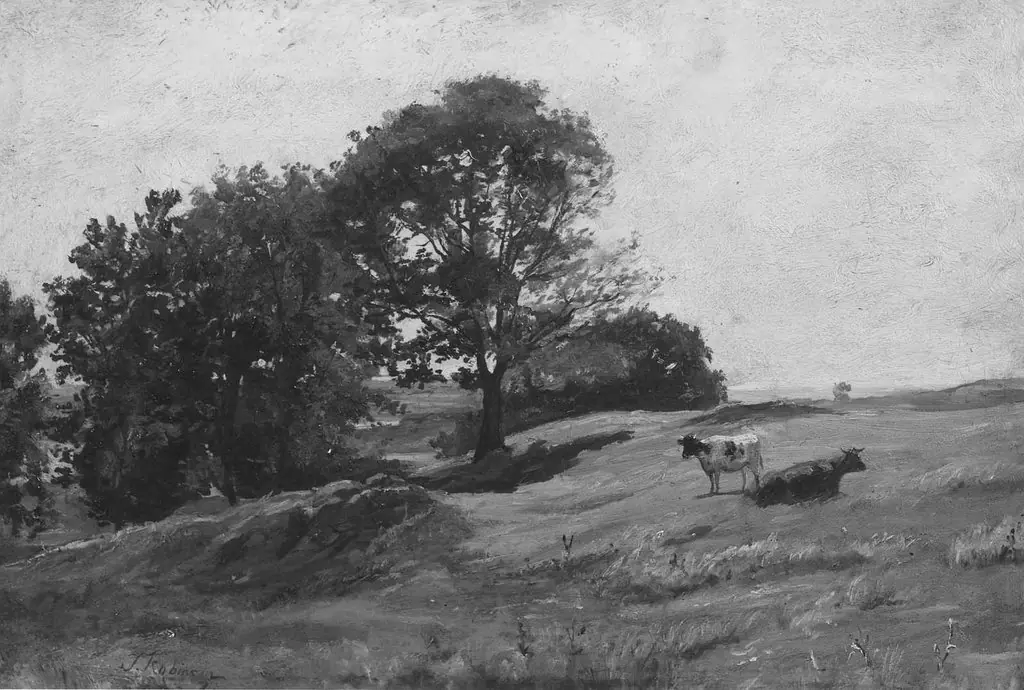 Hillside in Summer