Artwork
Pryse Loveden 1815-1855 (copy)
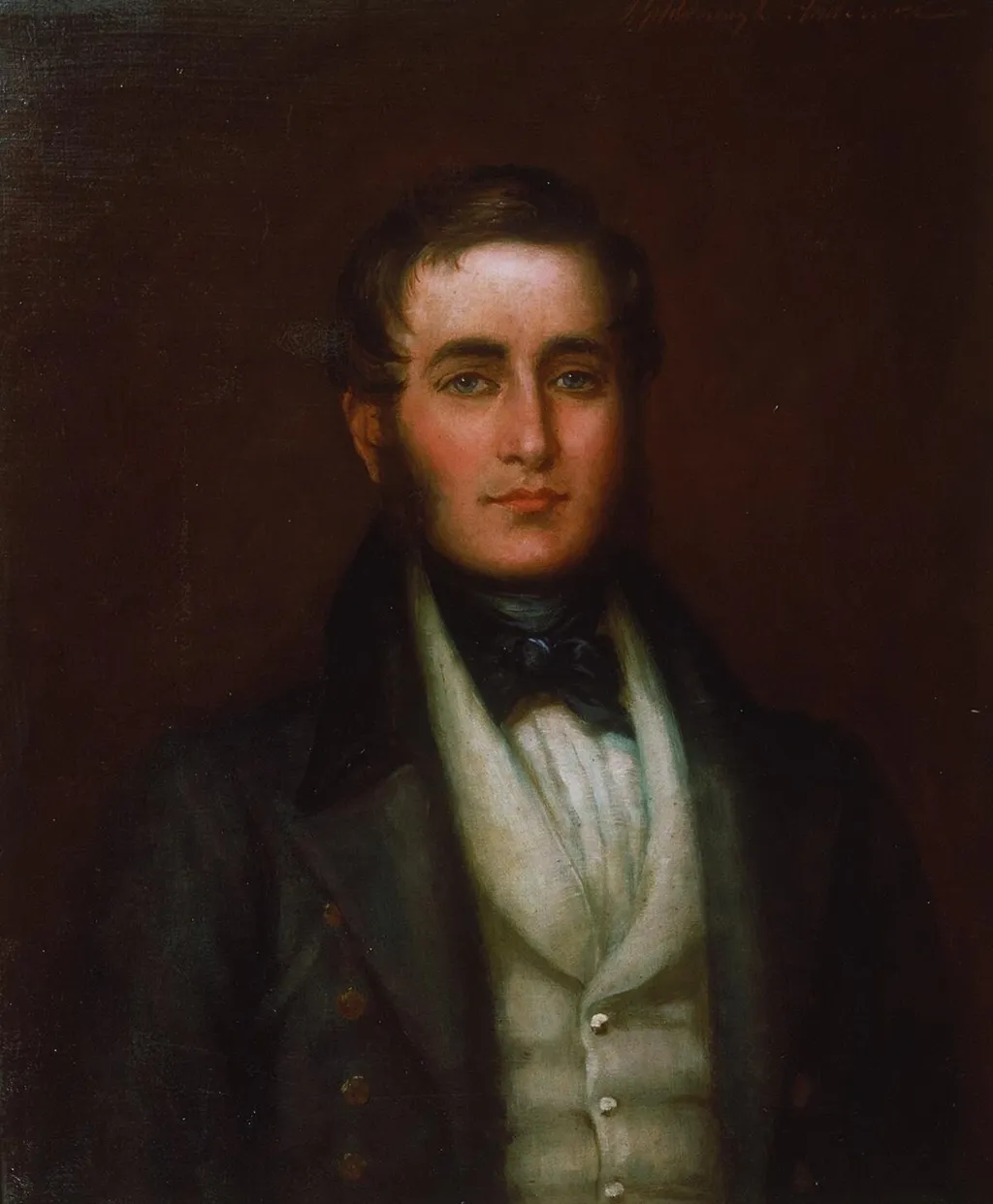
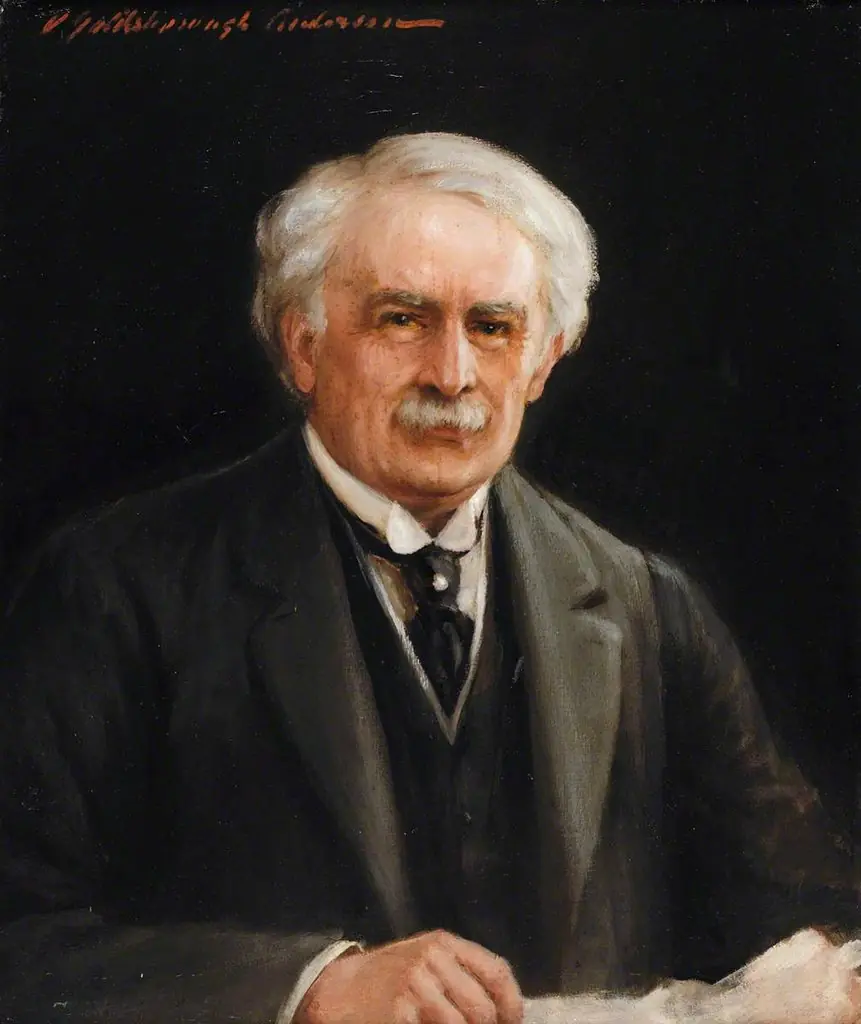
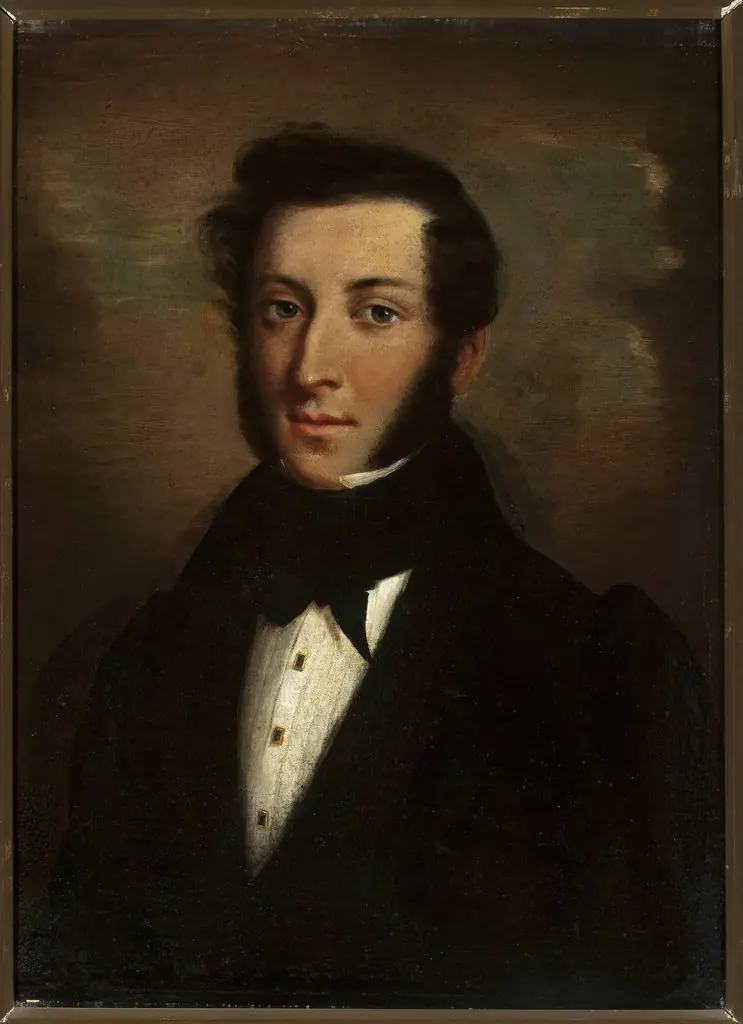
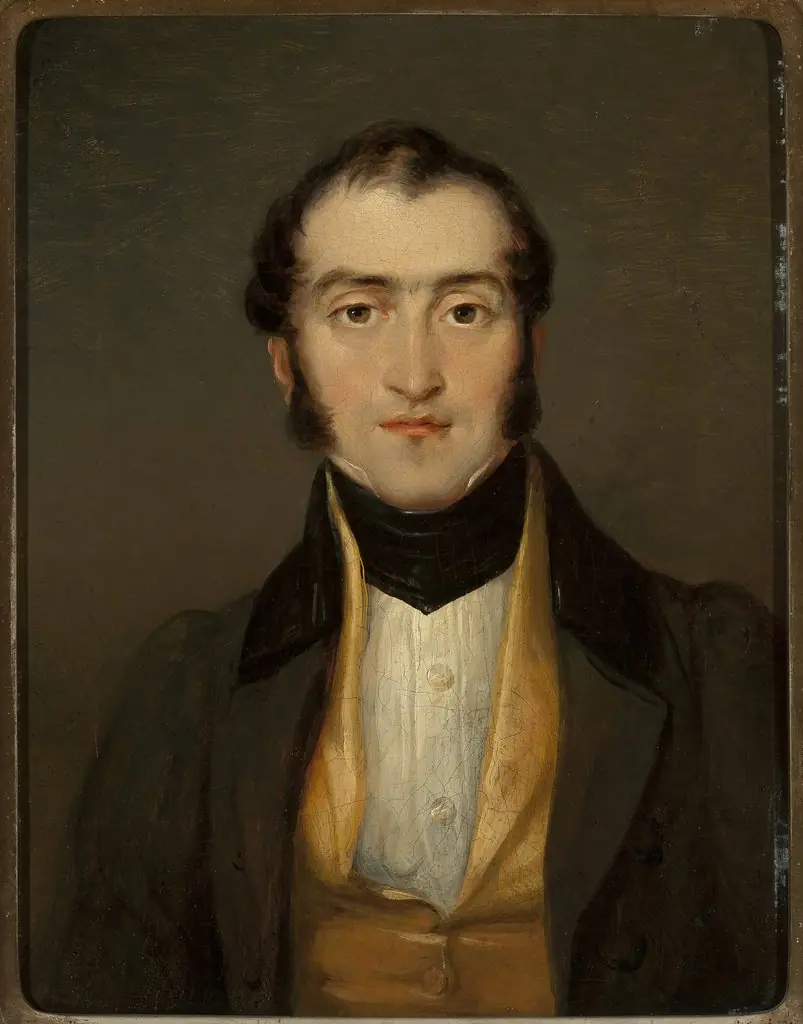
Pryse Loveden 1815-1855 (copy) is an oil painting by the Impressionist artist Charles Goldsborough Anderson. It dates from 1896 and is held in the collection of the National Library of Wales.
About this work
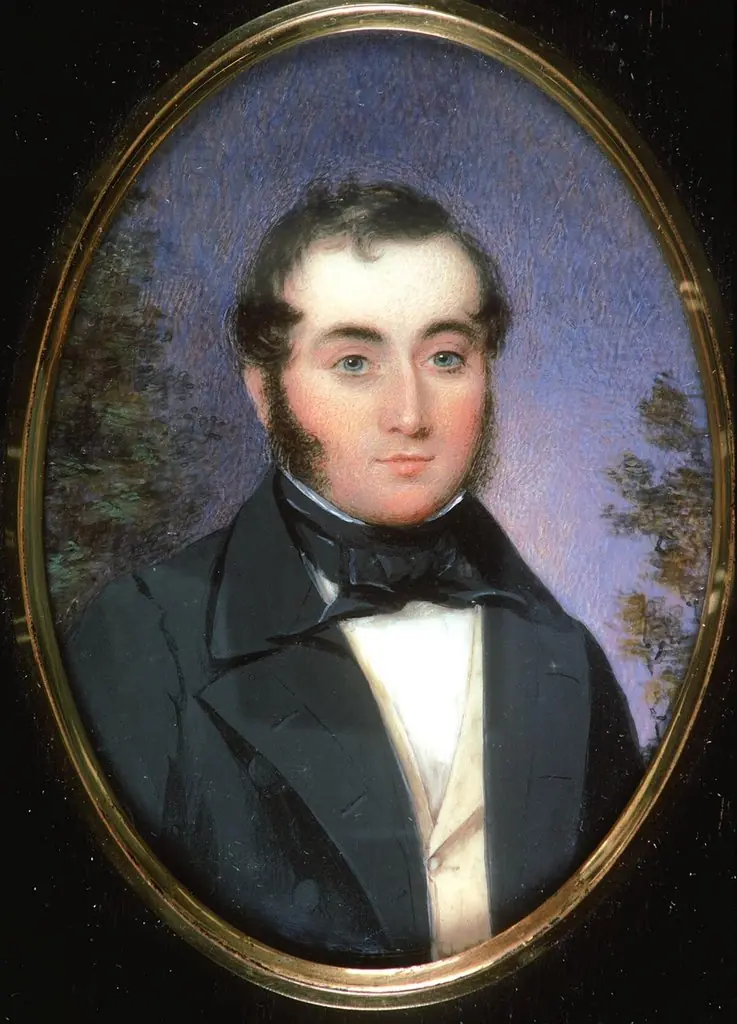
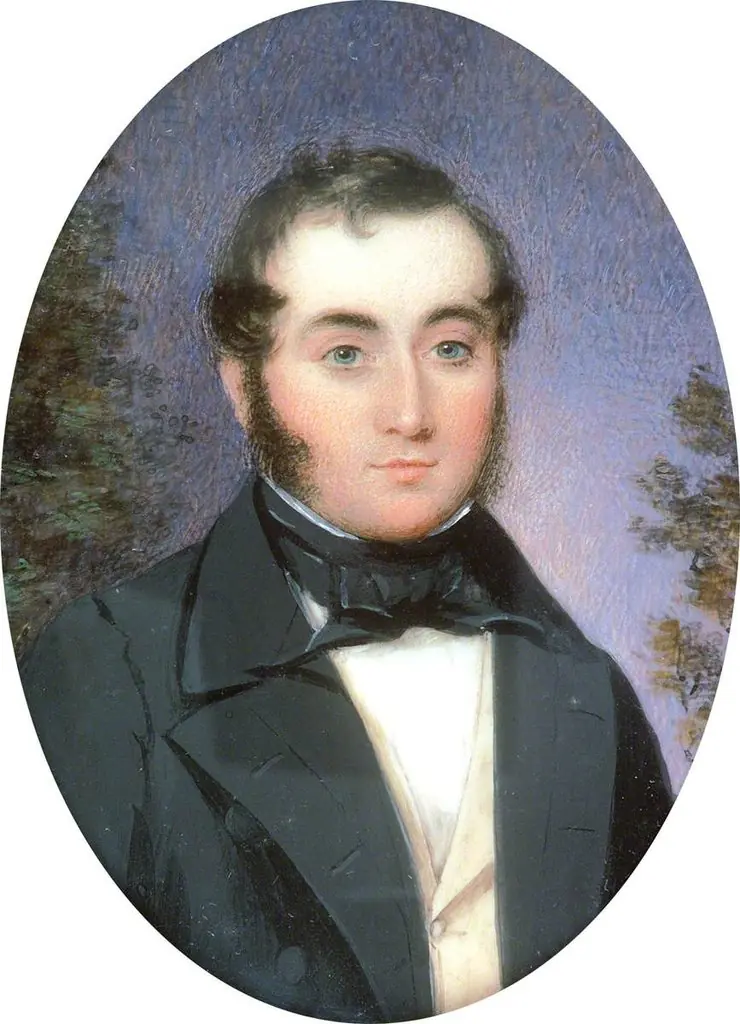
This portrait painting features a man with short, dark hair, dressed in a dark jacket over a white shirt and black bow tie.
This portrait painting features a man with short, dark hair, dressed in a dark jacket over a white shirt and black bow tie. The subject's gaze is directed straight ahead, with a neutral expression. The background of the painting is a deep, rich brown.
The man's attire suggests a formal or professional setting, possibly from the 19th century. The artist's use of oil paint adds depth and texture to the portrait.
To learn more about the artist behind this work, explore the portfolio of Charles Goldsborough Anderson.
Overview
This oil painting is a later reproduction of a portrait of Pryse Loveden, created in 1896 by Charles Goldsborough Anderson. It is part of the collection at the National Library of Wales. The work is not an original from Loveden’s lifetime but a reimagining made decades after his death, reflecting continued interest in his public persona.
Subject & Meaning
Pryse Loveden, who lived from 1815 to 1855, was a Welsh landowner and politician. The portrait presents him in formal attire, conveying dignity and social standing. His direct gaze and composed expression suggest a deliberate effort to project authority and gravitas, consistent with the conventions of 19th-century portraiture for public figures.
Technique & Style
Anderson employed traditional oil painting techniques to render subtle variations in light and texture. The dark jacket and deep brown background create a somber, focused composition, while the white shirt and black bow tie offer contrast. The brushwork is restrained, emphasizing clarity over embellishment, aligning with academic portraiture of the late 19th century.
History & Provenance
The original portrait of Loveden is lost or unlocated; Anderson’s 1896 version is the surviving record. It was likely commissioned or acquired by the National Library of Wales to preserve the visual memory of a notable regional figure. Its presence in the collection underscores institutional efforts to document Welsh historical personalities.
Context
In the late 19th century, there was a growing interest in documenting Wales’s political and cultural heritage. Portraits like this one, though created after the subject’s death, served to reinforce regional identity and historical continuity. Anderson’s work fits within a broader trend of revisiting and re-recording the likenesses of 19th-century Welsh leaders.
Legacy
Anderson’s portrait remains the primary visual reference for Pryse Loveden. Though not contemporary to the sitter, it has become the authoritative image associated with him in historical records. Its preservation ensures that Loveden’s presence in Welsh public life is not lost to time, even if the original likeness is gone.
Artist & collection