Artwork
William Ewart Gladstone (1809–1898)
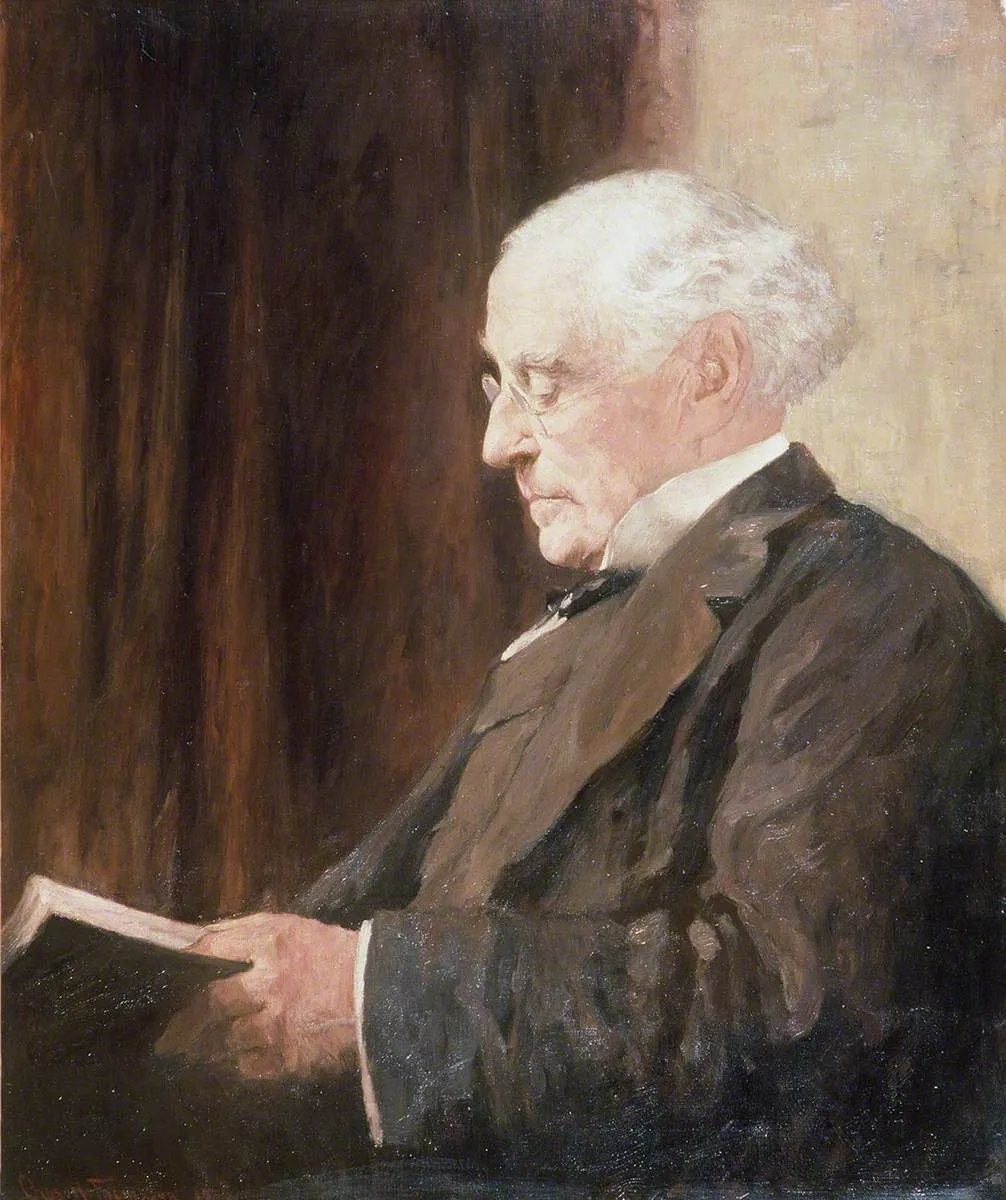
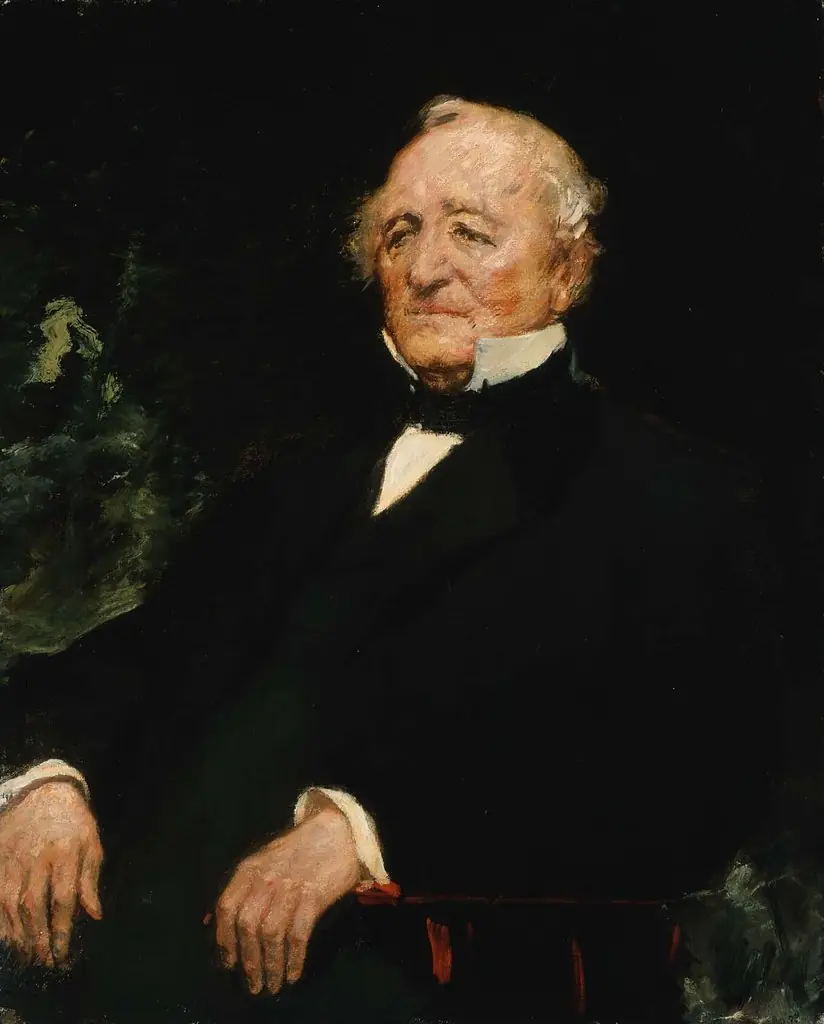
William Ewart Gladstone (1809–1898) is an oil painting by the Realist artist Charles Herbert Thompson. It dates from 1936 and is held in the collection of the National Library of Wales.
About this work
Overview
The work, held by the National Library of Wales, captures the statesman at an advanced age, his white hair and spectacles emphasizing his scholarly demeanor.
Charles Herbert Thompson’s 1936 oil portrait presents the former British prime minister William Ewart Gladstone in a contemplative pose. The work, held by the National Library of Wales, captures the statesman at an advanced age, his white hair and spectacles emphasizing his scholarly demeanor. The composition is simple, with a muted backdrop that directs attention to Gladstone’s face and the open volume he holds.
Subject & Meaning
The painting focuses on Gladstone, a dominant figure in 19th‑century British politics, shown engaged with a book, a symbol of his lifelong dedication to literature, law, and public service. His downward gaze and the act of reading suggest introspection, perhaps alluding to the intellectual rigor that guided his lengthy career and the moral considerations that underpinned his political decisions.
Technique & Style
Thompson employs a restrained chiaroscuro, allowing soft shadows to model the contours of Gladstone’s cheekbones, jawline, and eyes. The gentle gradation of light creates a three‑dimensional effect while preserving a calm atmosphere. The dark suit and crisp white collar contrast with the neutral background, reinforcing the figure’s prominence without decorative distraction.
History & Provenance
Executed in 1936, the portrait was likely commissioned to commemorate Gladstone’s centenary of birth. It entered the collection of the National Library of Wales, where it remains accessible for research and public viewing. The work reflects a period when British institutions sought to preserve visual records of their eminent statesmen for posterity.
Context
Created during the interwar years, the portrait aligns with a broader trend of realistic, dignified representations of historical leaders, intended to evoke stability and continuity. Thompson’s approach mirrors contemporary portraiture that favored sober realism over romantic embellishment, situating Gladstone within a lineage of measured, scholarly depictions of political authority.
Artist & collection

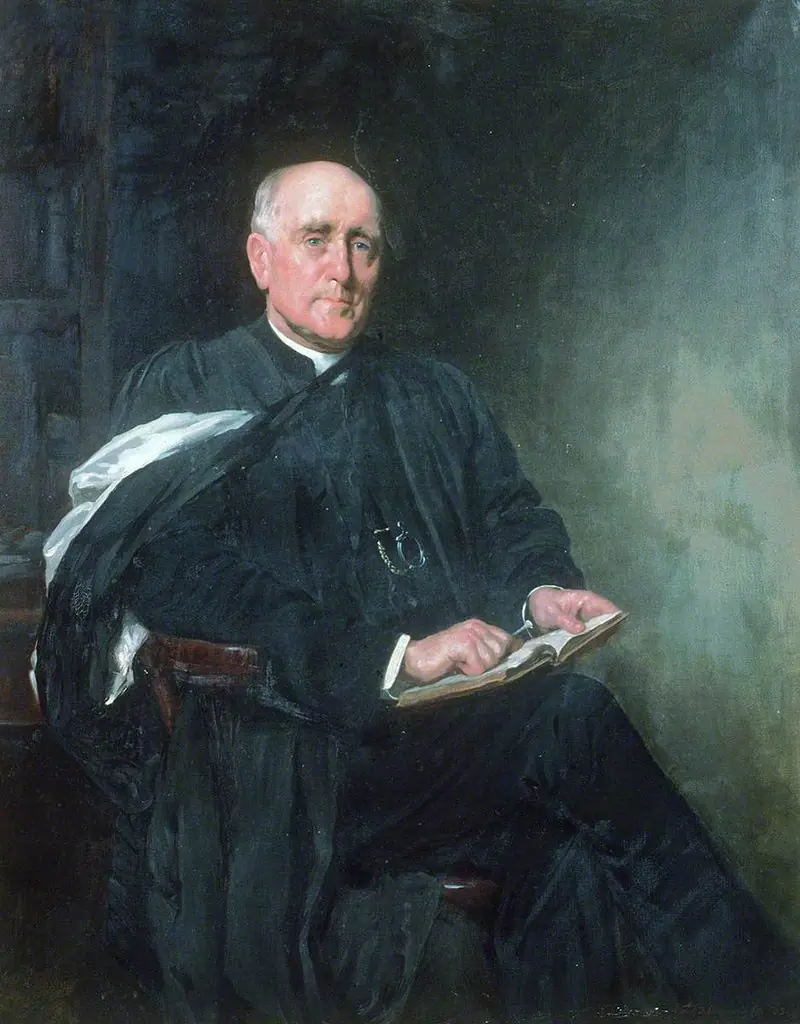 Parchedig David Edwardes (1836–1916), MA
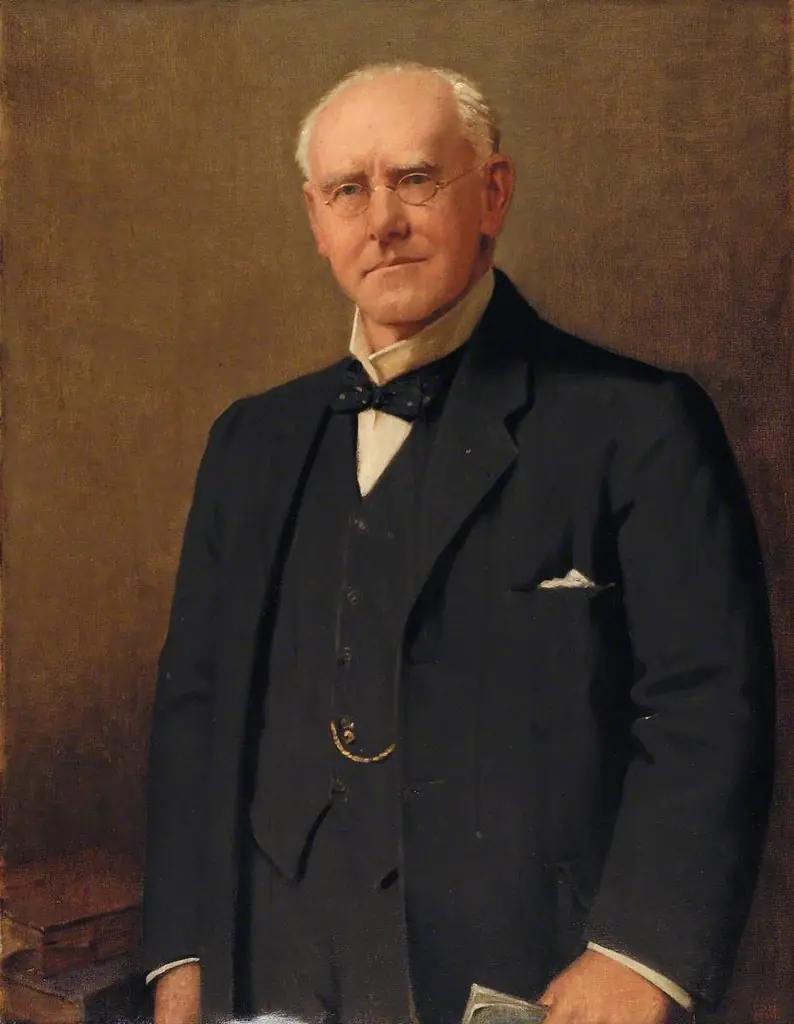 Professor John Owen Thomas
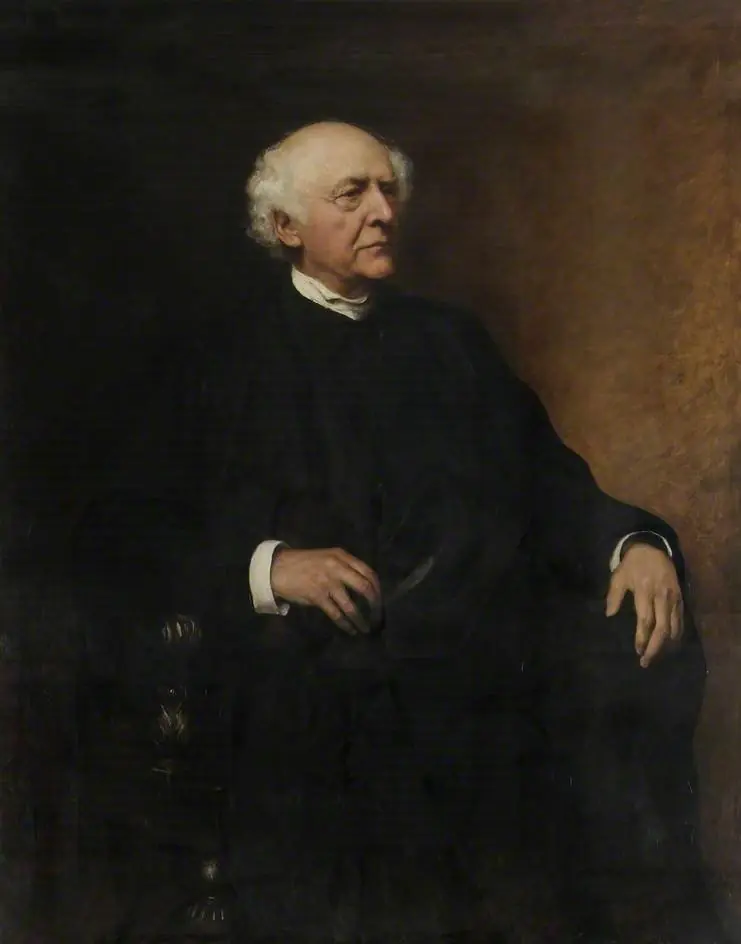 The Very Revd Henry George Lidell, D.D.
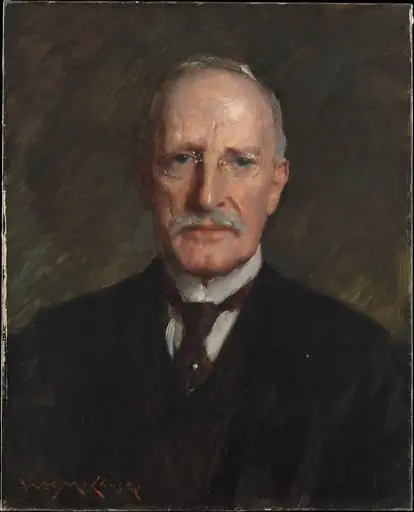 Edward Guthrie Kennedy
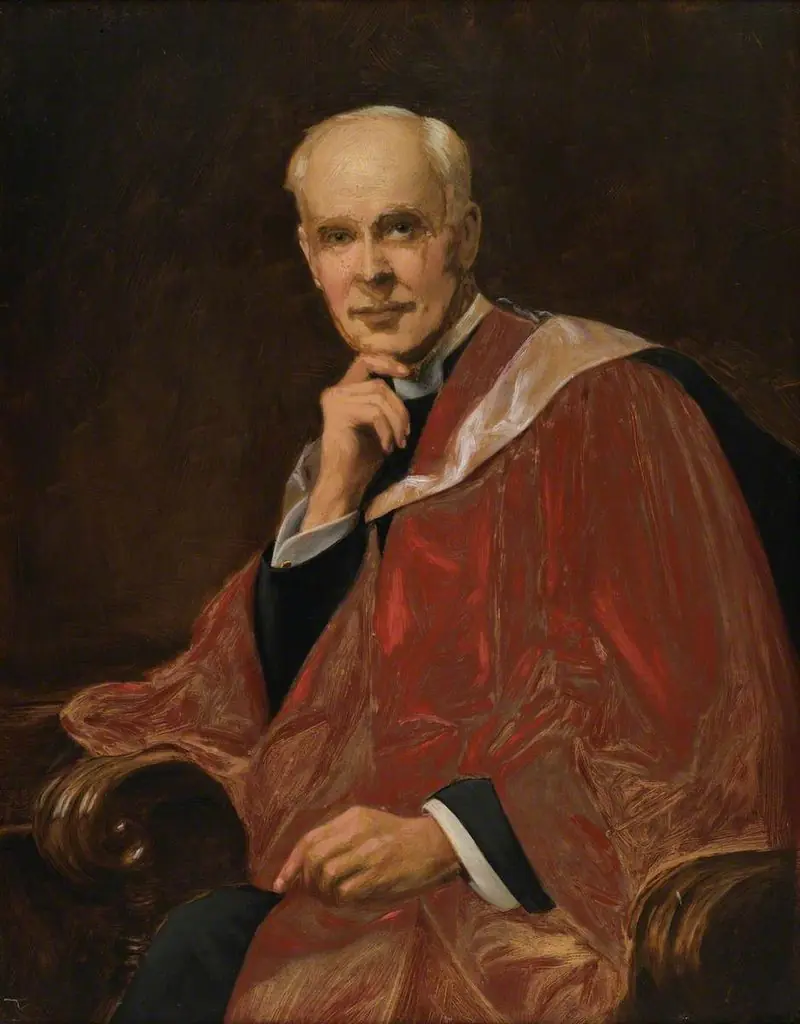 William Porter (1876–1937), MA, DLitt, DD, Professor of Hebrew and Old Testament Exgesis, Bala (1907–1921) and Aberystwyth (1921–1937)
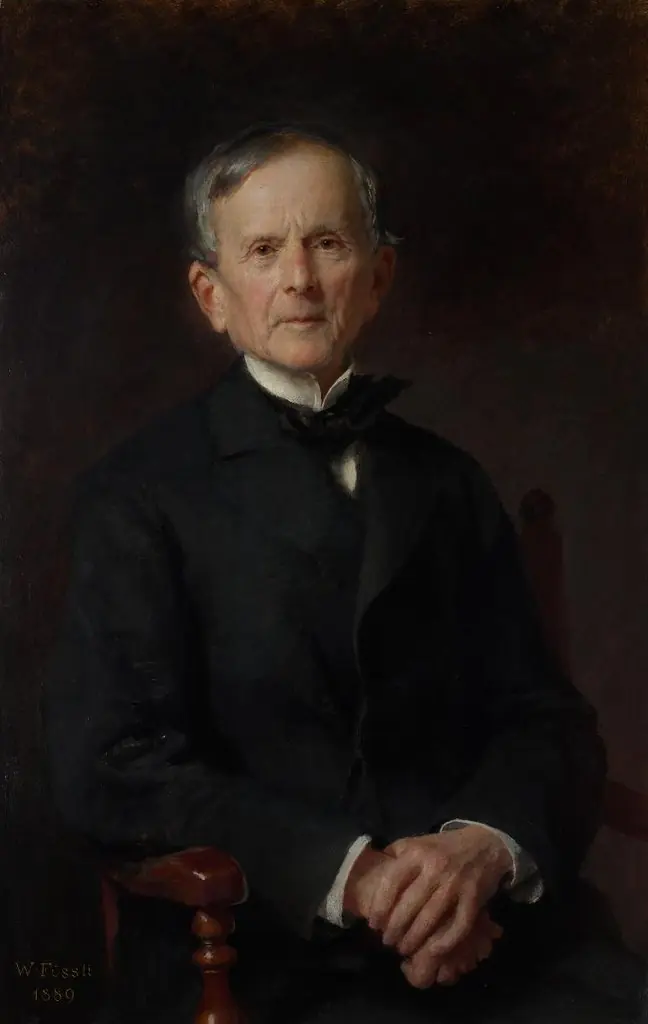 Bildnis Emil Tobler-Finsler
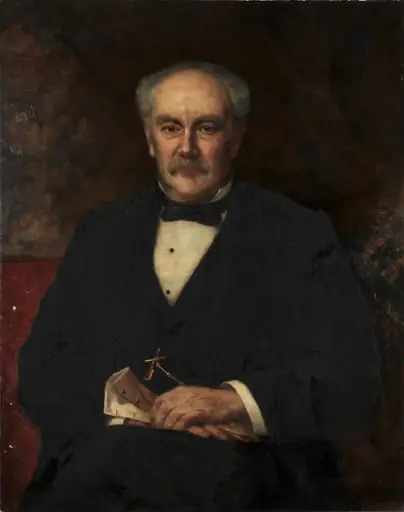 Hinman B. Hurlbut
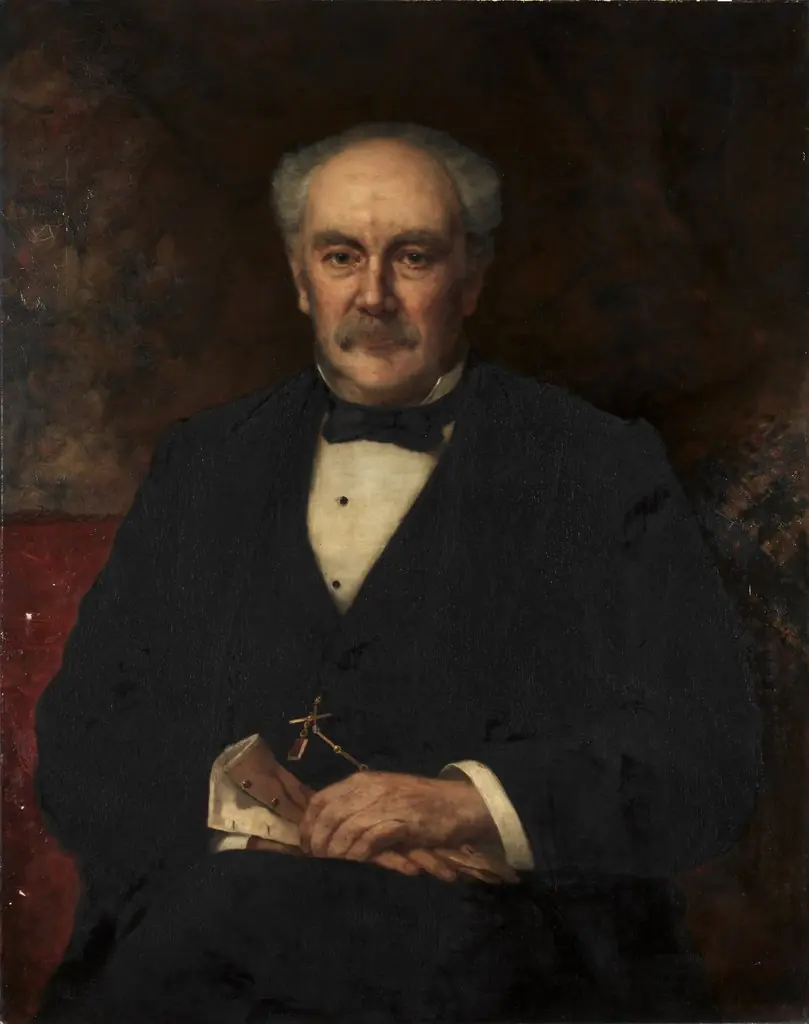 Hinman B. Hurlbut
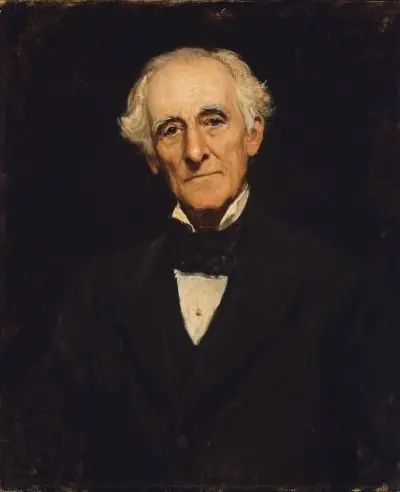 Dudley Williams
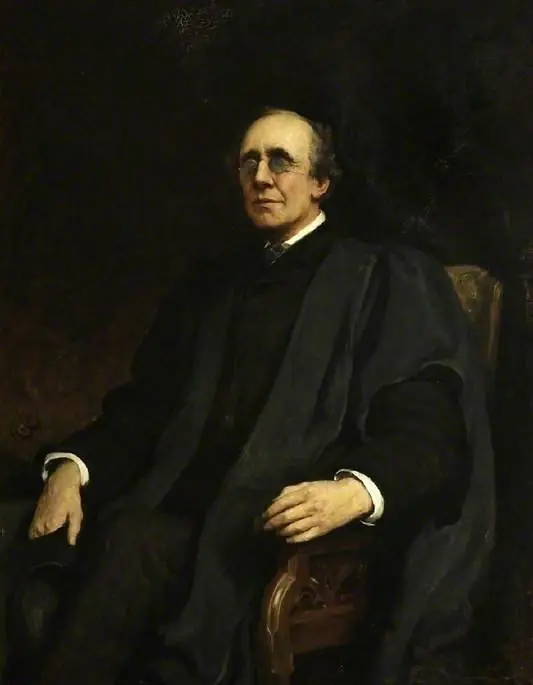 Professor Henry Fawcett
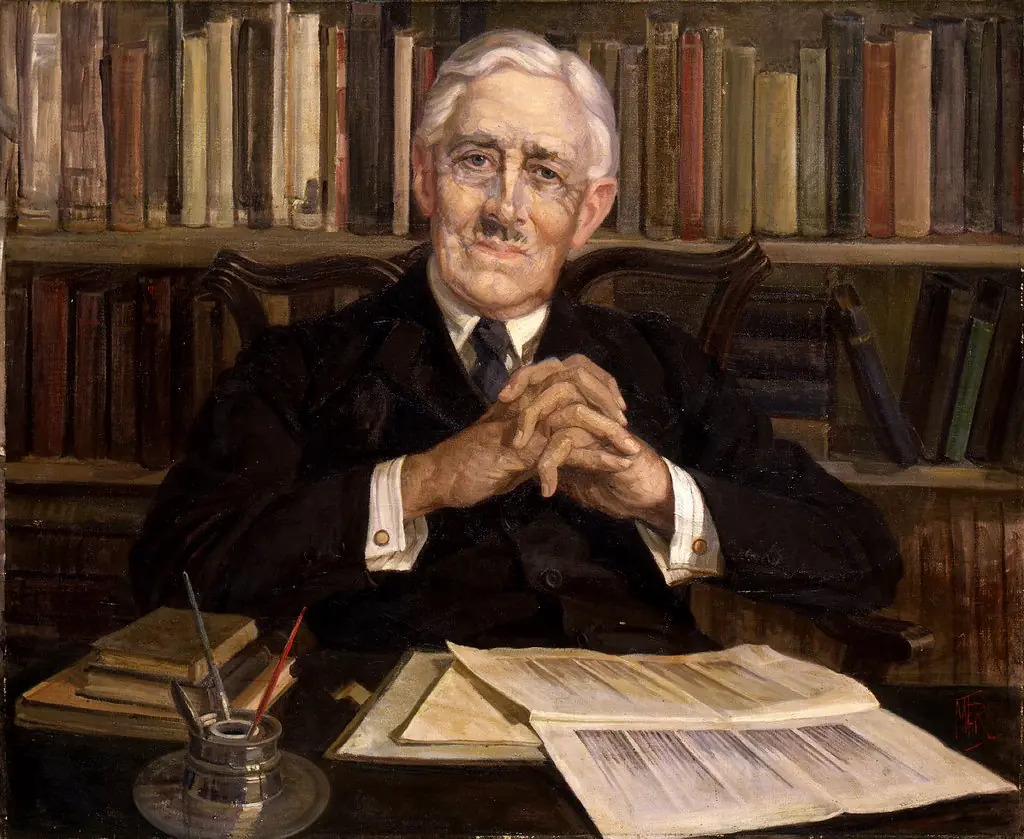 Sir Truby King, C.M.G.
 Senator Charles Sumner