Artwork
Mr. Edwin in the Character of Lingo
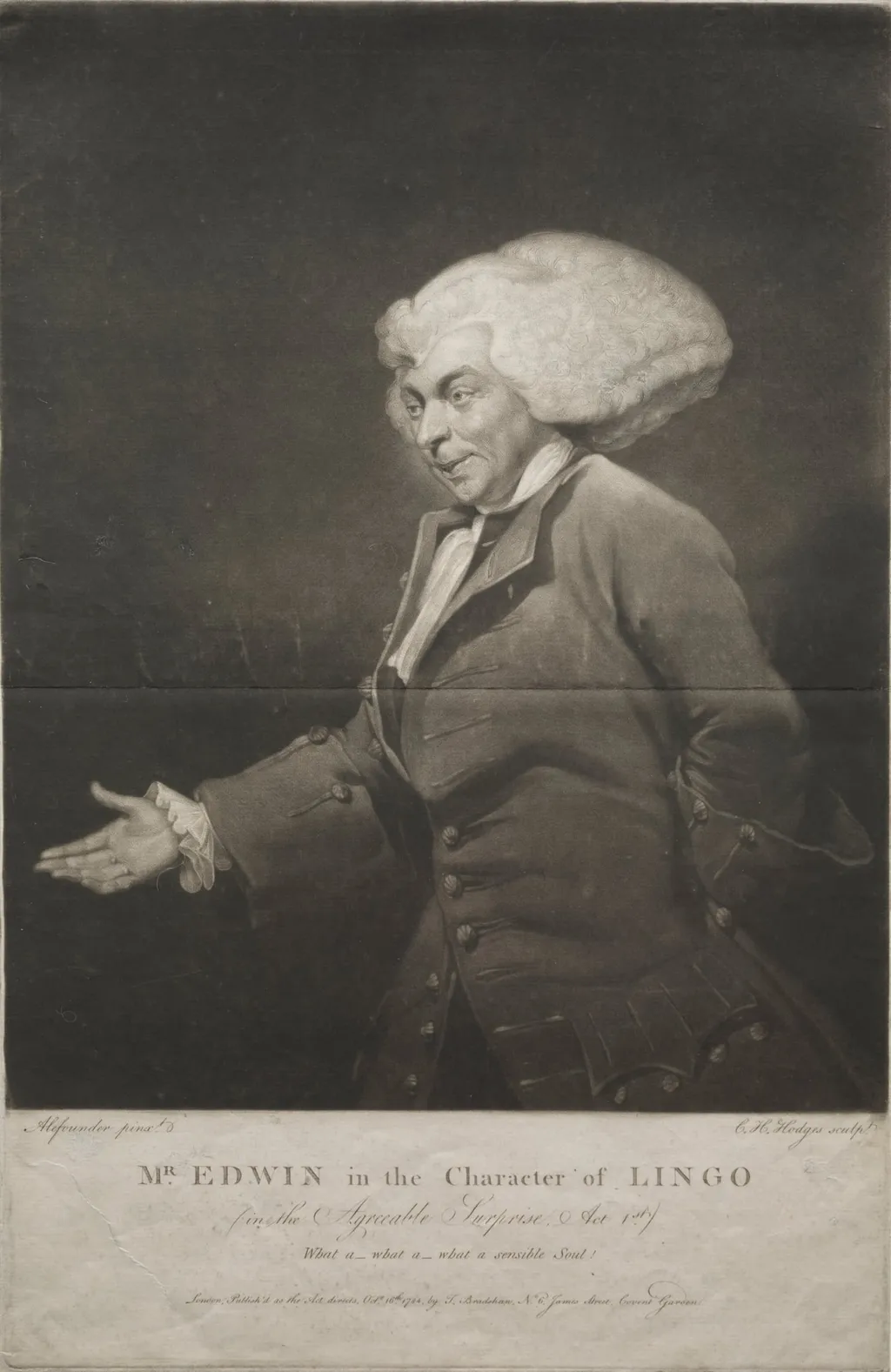
Mr. Edwin in the Character of Lingo is a print by the Romanticist artist Charles Howard Hodges. It dates from 1784 and is held in the collection of the Cleveland Museum of Art.
About this work
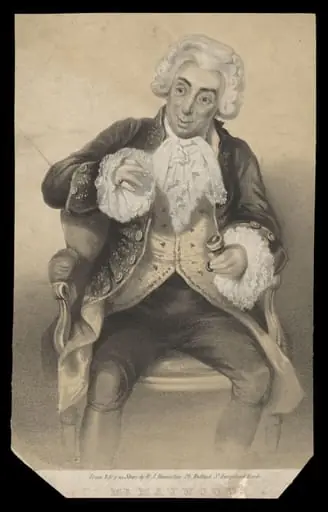
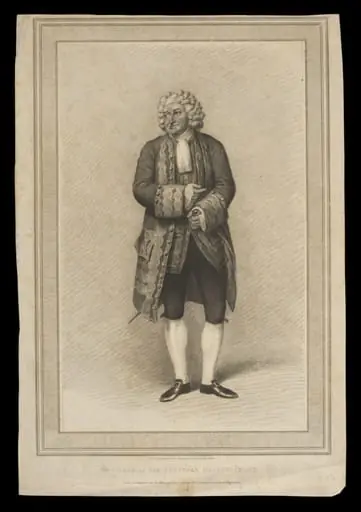
He’s wearing a dark coat with cuffs, a white cravat, and his right hand is outstretched like he’s in the middle of a speech.
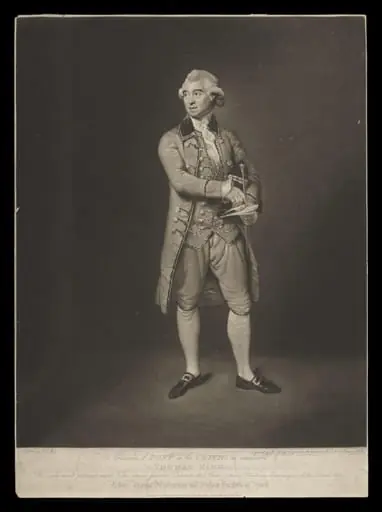
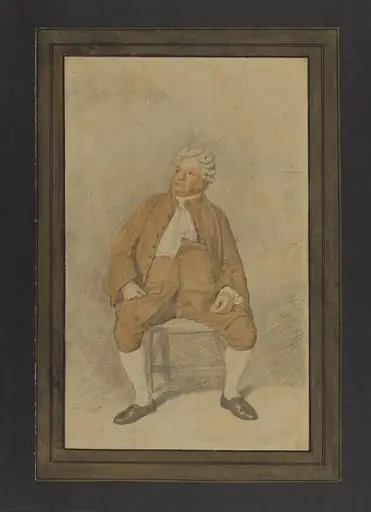
This is a black-and-white portrait of a man in a big white wig and fancy clothes. He’s wearing a dark coat with cuffs, a white cravat, and his right hand is outstretched like he’s in the middle of a speech. The background is plain, so all the focus is on him.
The title at the bottom says *"Mr. Edwin in the Character of Lingo"*—this was likely a stage role. The print also names the artist, Charles Howard Hodges, who made this in 1784.
Next, look up Charles Howard Hodges to see more of his work.
Overview
Created in 1784, this black-and-white print by Charles Howard Hodges captures the actor Mr. Edwin portraying the character Lingo. Hodges, an English artist based in the Netherlands, specialized in portraiture and theatrical subjects. The print was produced during a period when theatrical culture was gaining prominence in European visual art. Its simple background and focused composition reflect a desire to highlight the performer’s presence rather than contextualize the scene.
Subject & Meaning
The subject is Mr. Edwin, a known stage performer of the time, depicted in the role of Lingo—a character likely drawn from contemporary comedy or farce. His outstretched hand and elaborate costume suggest a moment of rhetorical delivery, common in comic roles of the era. The portrait does not aim for psychological depth but rather documents a specific theatrical persona, serving as both a record of performance and a promotional artifact for the actor’s public image.
Technique & Style
Hodges employed a refined line engraving technique, typical of late 18th-century printmaking. The contrast between the white wig and cravat against the dark coat creates visual clarity, while the precise rendering of fabric folds and lace emphasizes texture without embellishment. The composition is tightly framed, eliminating distractions to direct attention to the actor’s gesture and expression. The style is restrained, aligning with the conventions of portraiture in print rather than theatrical spectacle.
History & Provenance
The print was made in 1784 and entered the collection of the Cleveland Museum of Art at a later date, though its earlier ownership history is not fully documented. Hodges produced several similar theatrical portraits during his years in the Netherlands, often collaborating with actors and publishers. This work likely circulated as a standalone print, intended for collectors or theater enthusiasts interested in contemporary performers.
Context
In the late 1700s, theatrical portraiture flourished as public interest in actors grew beyond the stage. Prints like this one served as accessible mementos of popular performances, bridging elite art and popular culture. Hodges, working in the Netherlands, was part of a transnational network of artists documenting theater, reflecting broader European trends in visualizing celebrity and performance during the Enlightenment.
Legacy
Though Hodges is not widely known today, his theatrical prints remain valuable records of 18th-century performance culture. This image contributes to the historical understanding of how actors were represented visually outside the theater. As a preserved artifact, it offers insight into the intersection of art, commerce, and celebrity in pre-modern Europe, informing scholarly study of theatrical history and print media.
Artist & collection
Artist
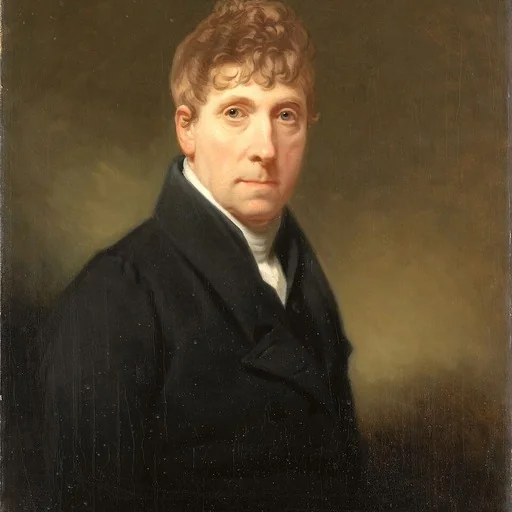
Charles Howard Hodges (1764 – 24 July 1837) was an English painter active in the Netherlands during the late 18th and early 19th centuries.

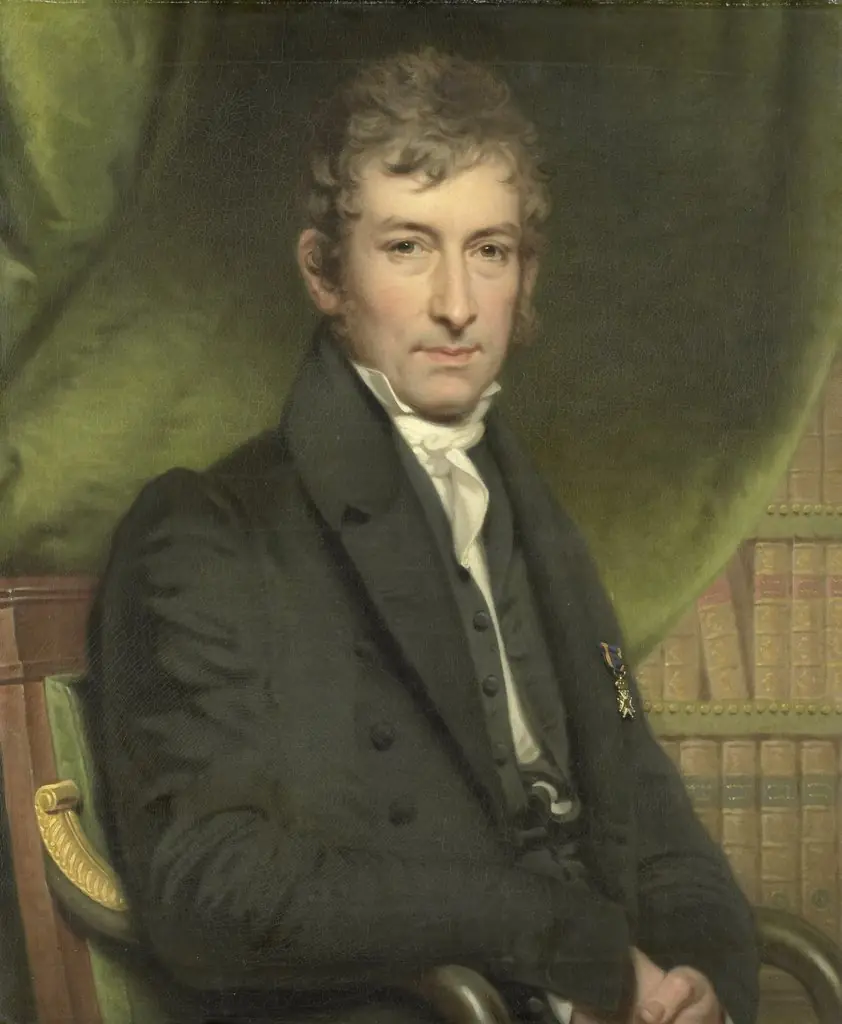 Portrait of Johan Fraser
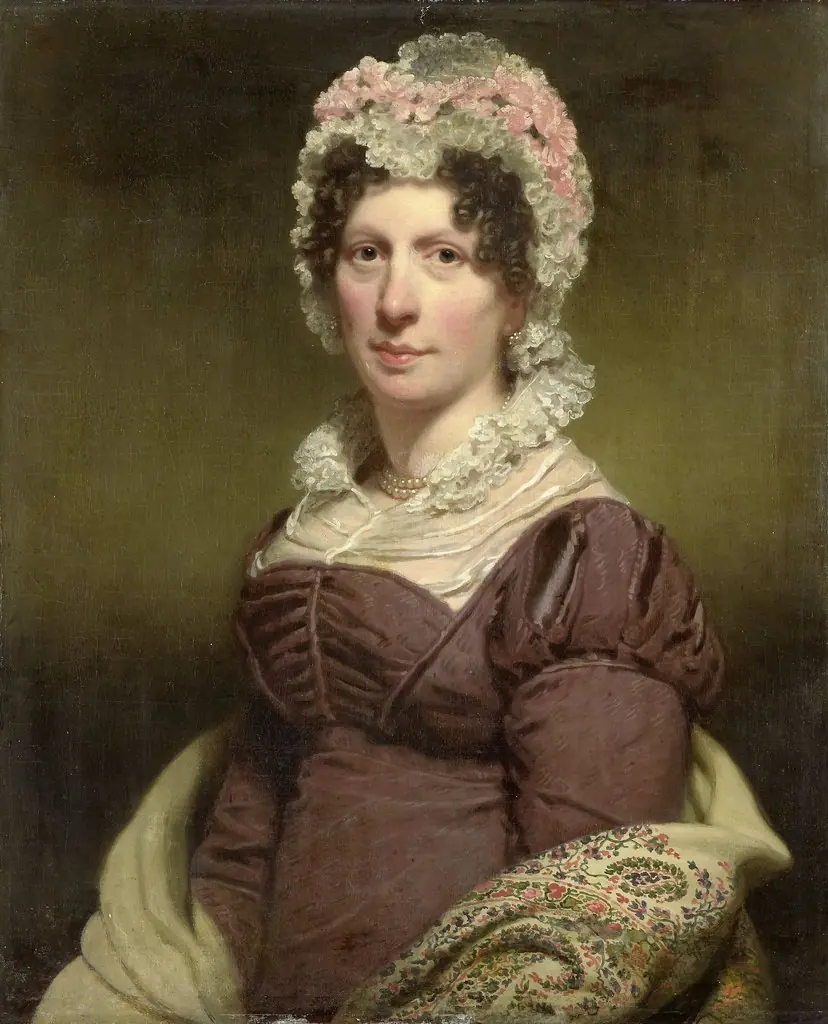 Portrait of a Woman
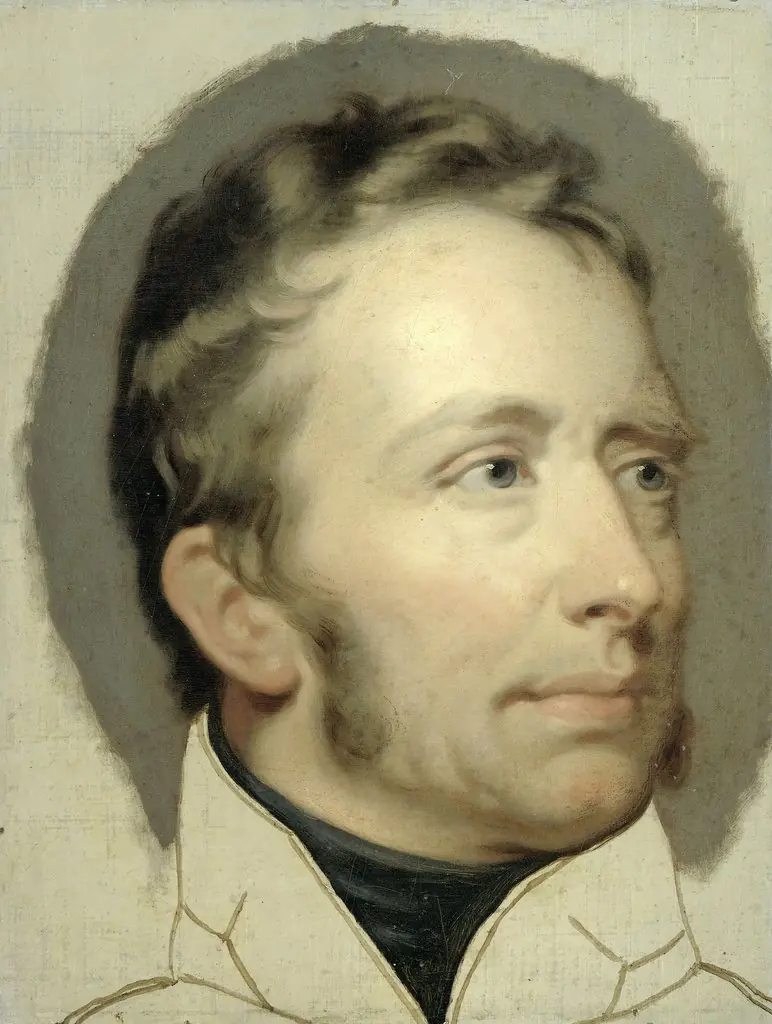 William I (1772-1843), King of the Netherlands
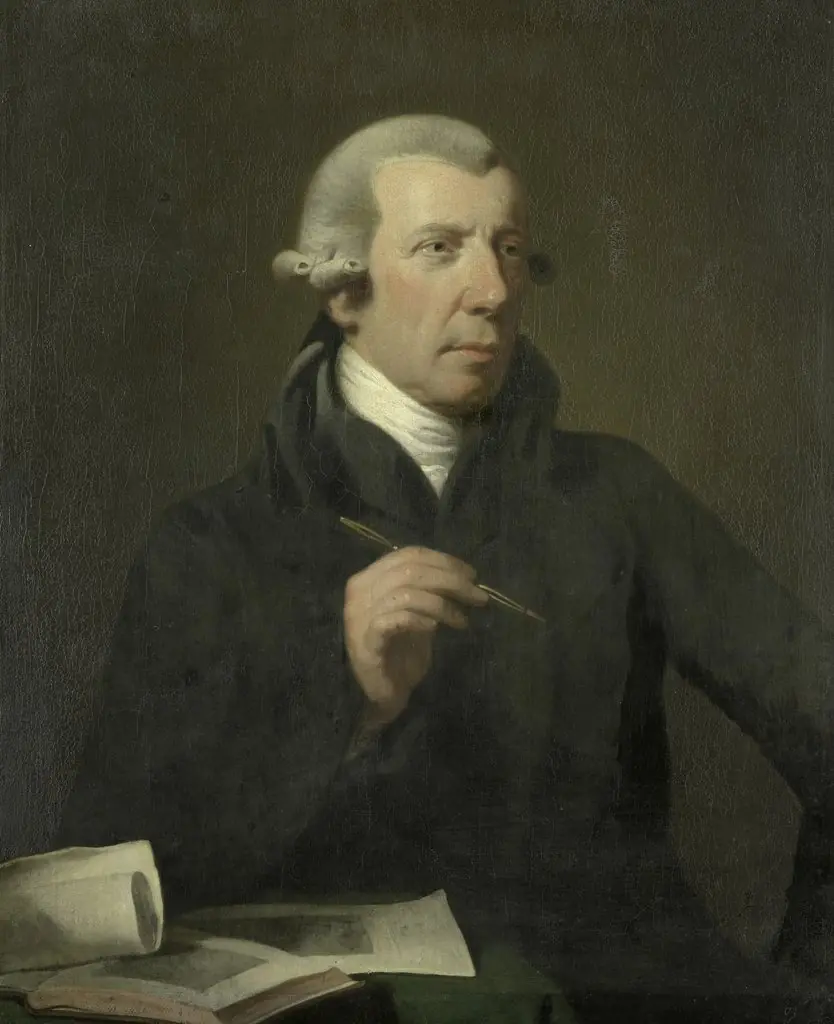 Portrait of Reinier Vinkeles, Draftsman and Engraver
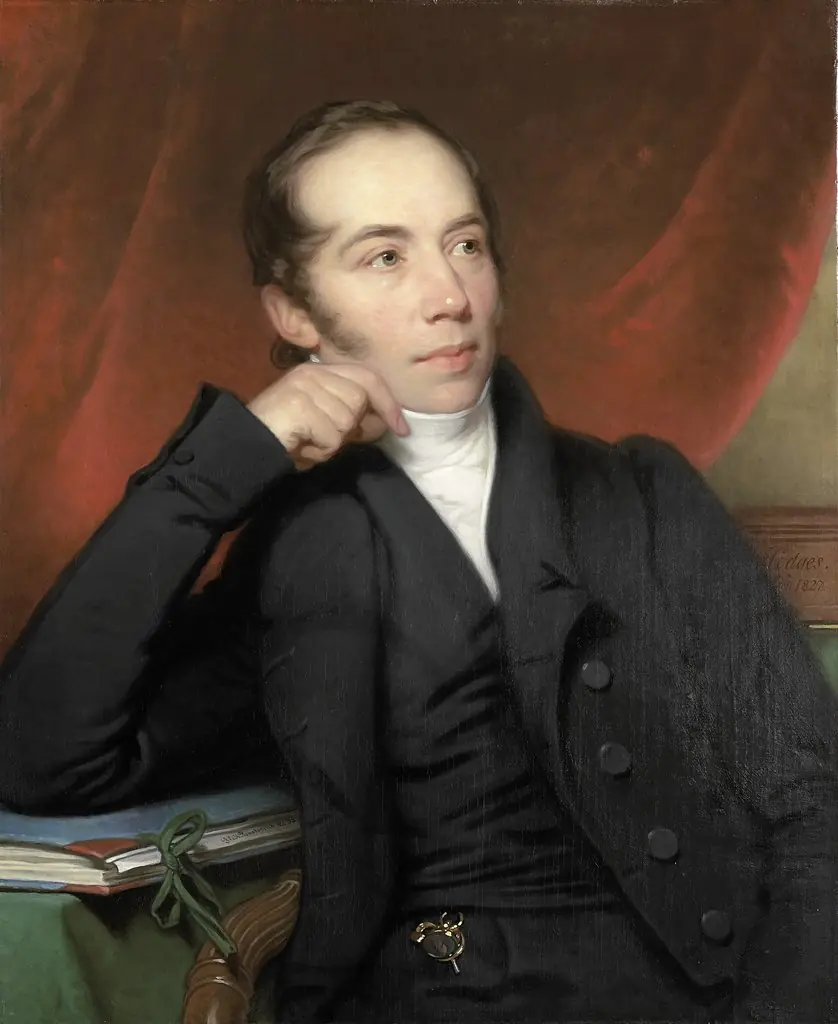 Portrait of Pieter Ernst Hendrik Praetorius, Broker, Draftsman and Painter. Chairman of the Board of the Rijksmuseum 1852-74
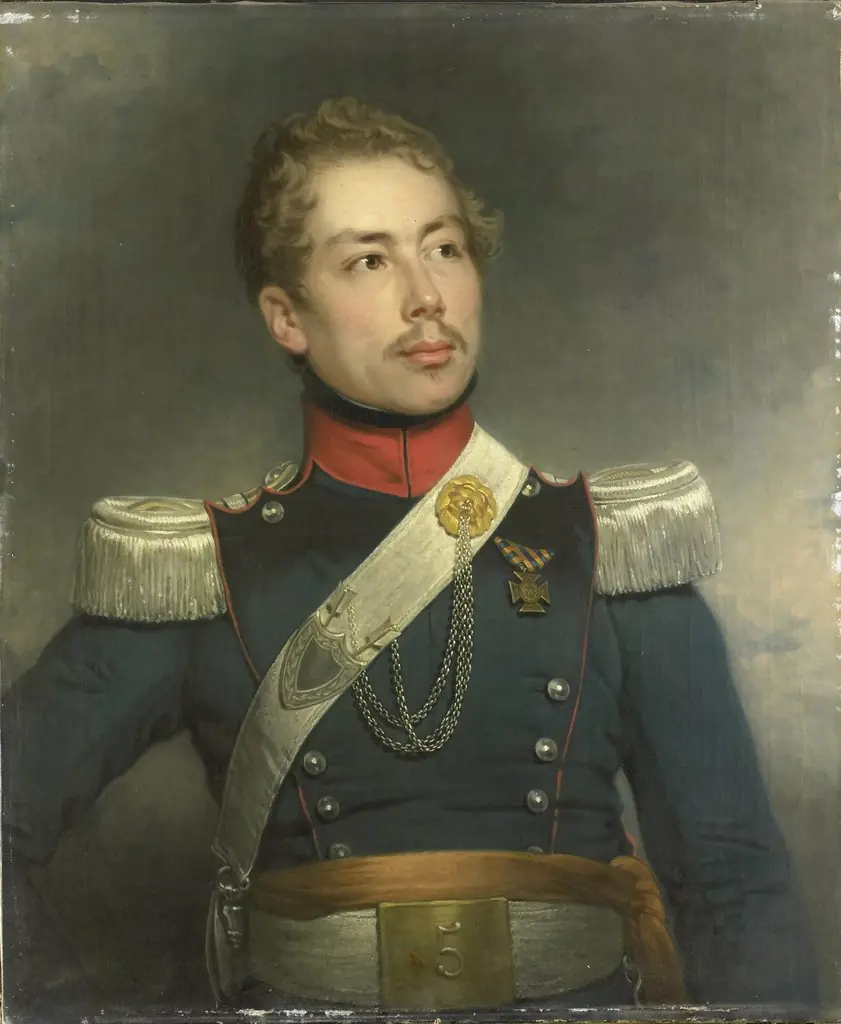 Portrait of Christian Edouard Fraser, Second Lieutenant of the 5th Regiment of the Dragoons
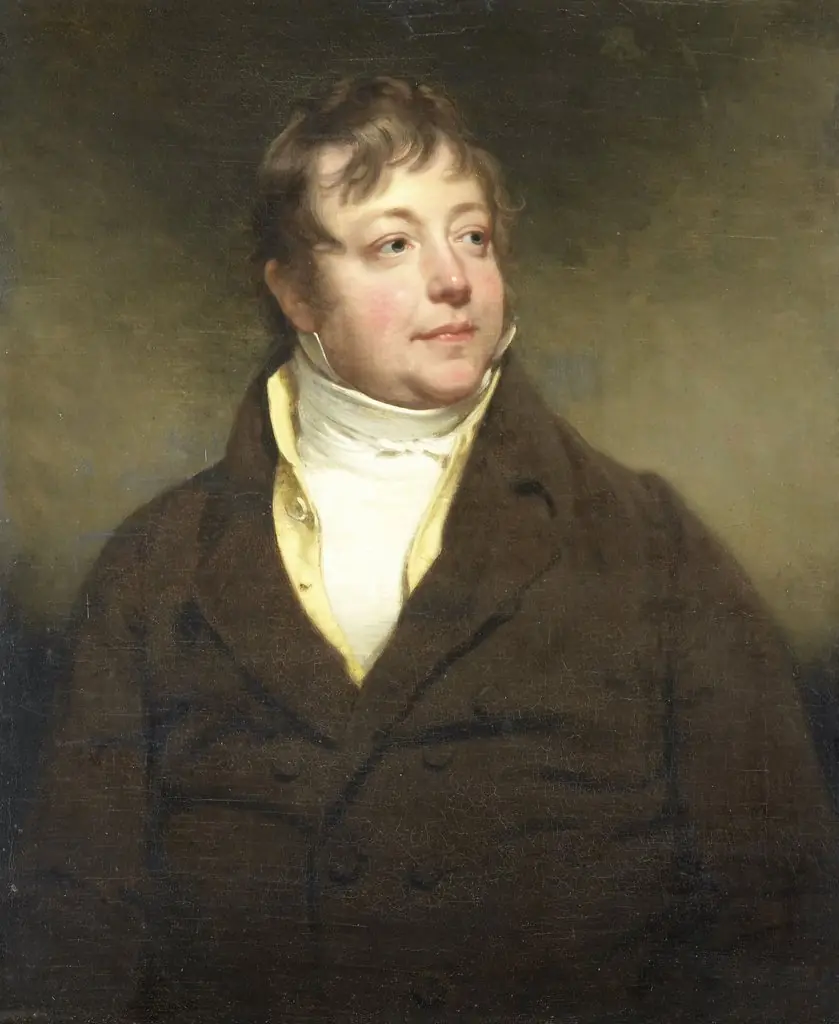 Portrait of a Man, perhaps J.W. Beynen
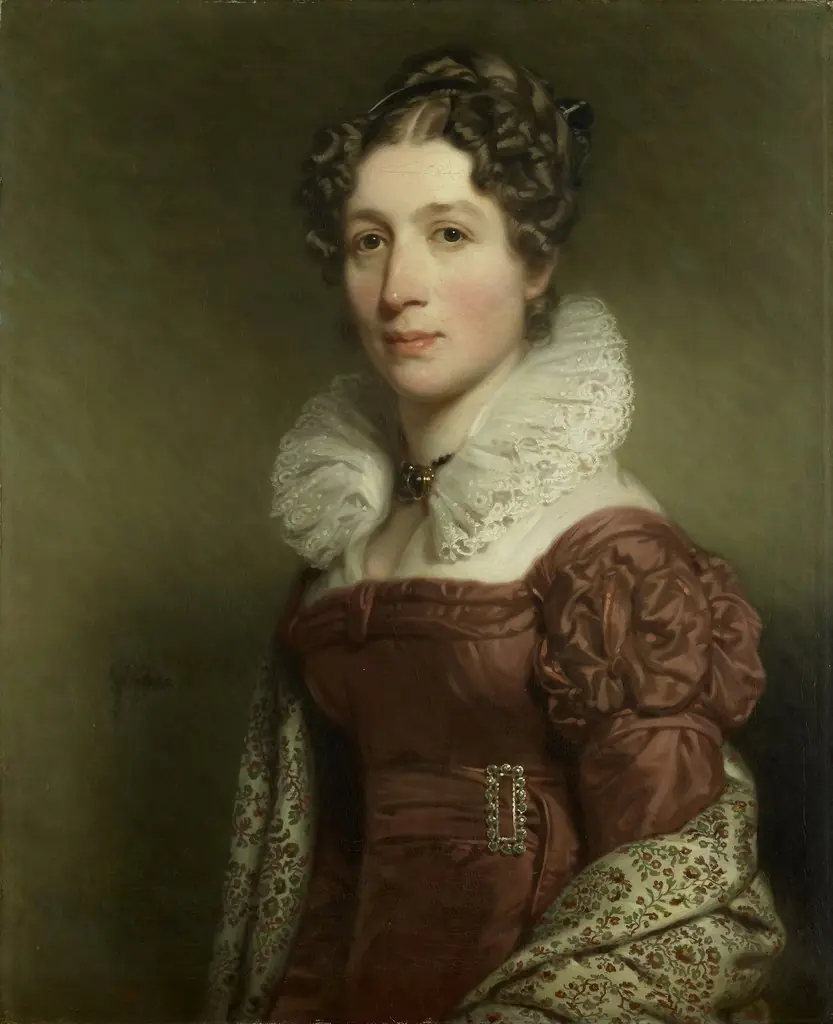 Portrait of Jacoba Vetter, Wife of Pieter Meijer Warnars, Bookseller in Amsterdam