Artwork
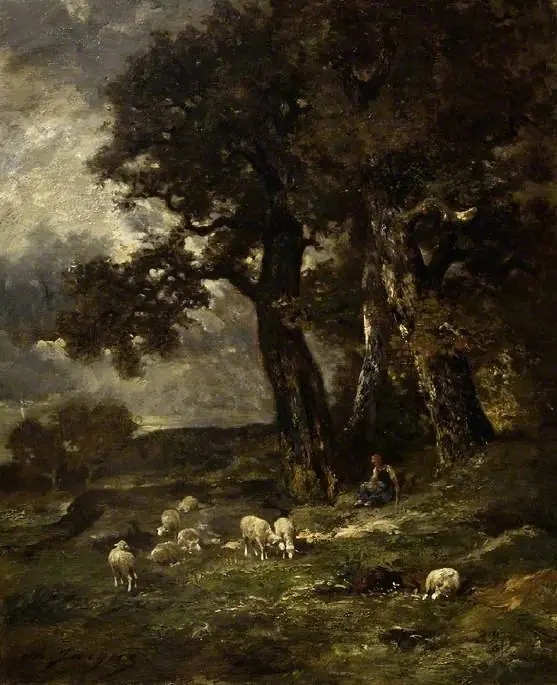
Sheep at a Watering Place
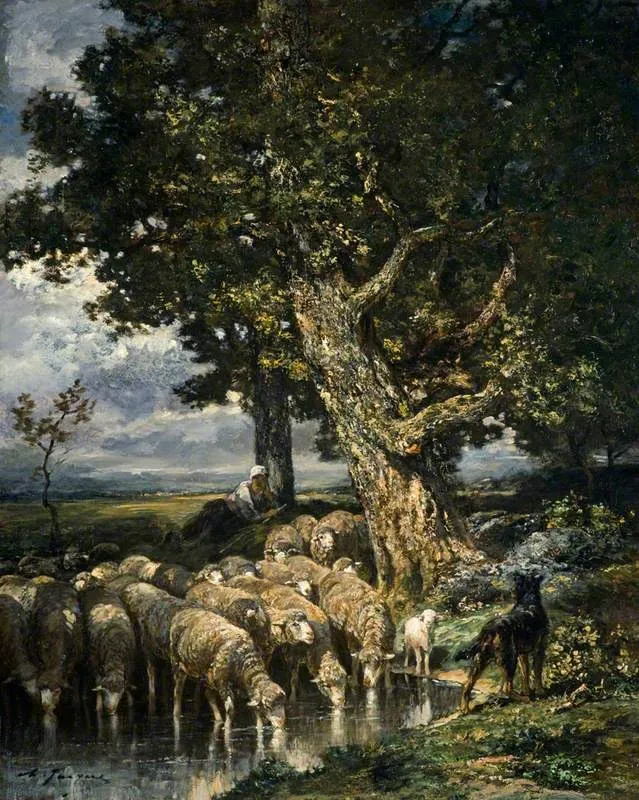
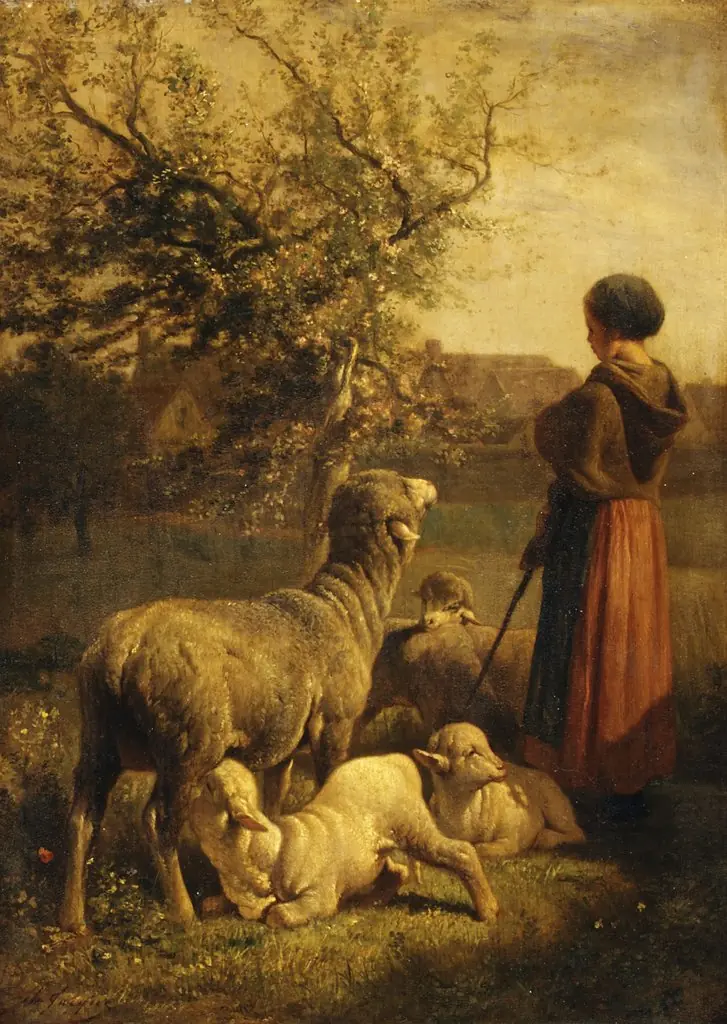
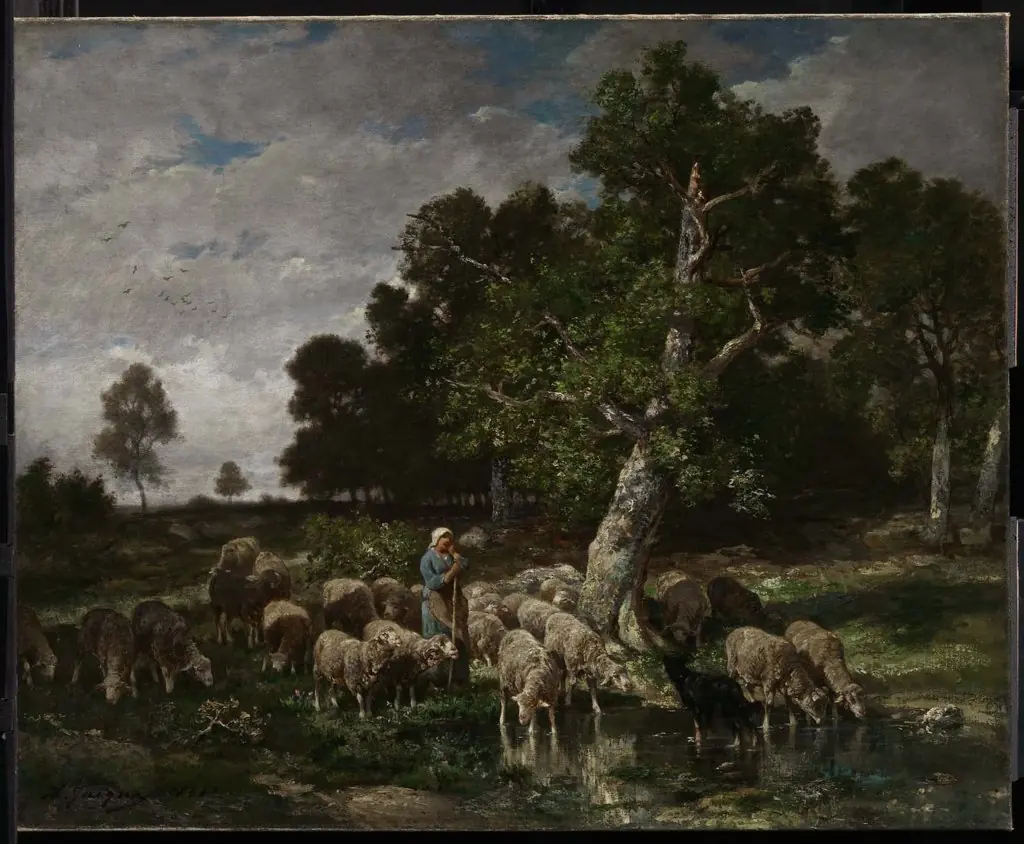
Sheep at a Watering Place is an oil painting by the Realist artist Charles Jacque. It dates from 1845 and is held in the collection of the National Galleries Scotland.
About this work
Overview
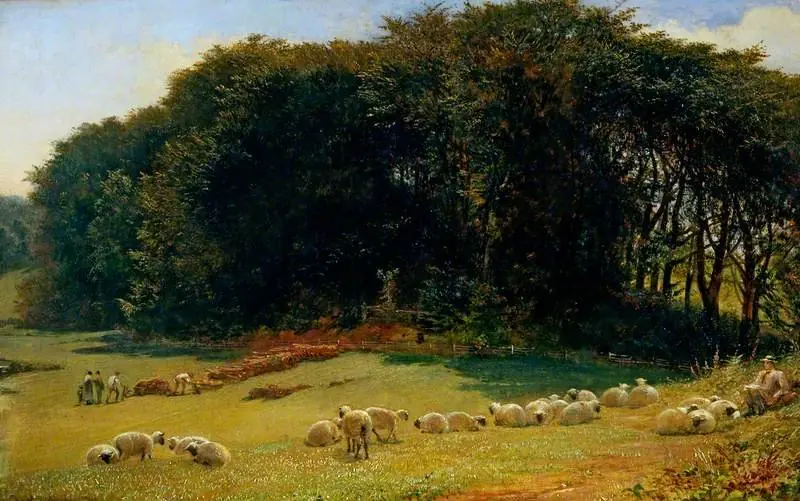
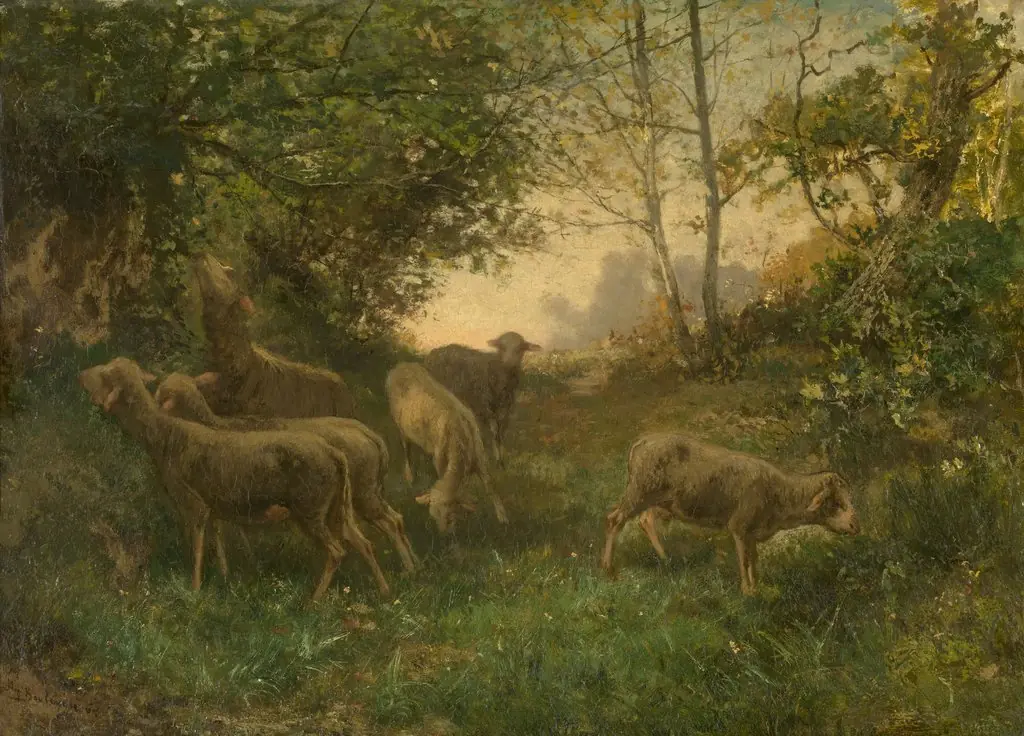
Sheep at a Watering Place, an 1845 oil painting by French artist Charles Jacque, presents a serene pastoral scene of sheep gathered at a watering spot, set against a backdrop featuring a prominent tree and a distant figure, evoking tranquility.
Subject & Meaning
The painting focuses on the everyday life of rural animals, reflecting the Realist movement's emphasis on ordinary subjects. The serene composition, with sheep in the foreground and a figure resting under a tree in the distance, conveys a sense of peaceful rural existence.
Technique & Style
Executed in oil paint, the work leverages the medium's capabilities to achieve warmth and depth. Jacque's approach, associated with the Barbizon School, emphasizes capturing the natural world in a straightforward, realistic manner.
History & Provenance
Created in 1845, the painting is part of a body of work by Jacque that often depicted pastoral themes, sometimes in collaboration with fellow Barbizon School artist Jean-François Millet. It is currently part of the collection at the Scottish National Gallery.
Context
Within the broader art historical context, Sheep at a Watering Place aligns with the mid-19th-century shift towards Realism, which sought to portray everyday life and landscapes with authenticity. Jacque's work, alongside Millet's, contributed to this movement's focus on rural themes.
Legacy
As a representative of the Barbizon School and the Realist movement, Jacque's Sheep at a Watering Place continues to provide insight into 19th-century artistic priorities, particularly the appreciation for the simple, unromanticized aspects of rural life.
Artist & collection
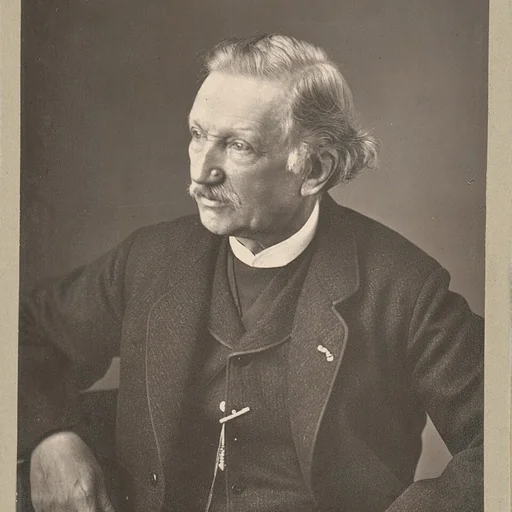
Artist
Charles-Émile Jacque (23 May 1813 – 7 May 1894) was a French painter of Pastoralism and engraver who was, with Jean-François Millet, part of the Barbizon School. He first learned to engrave maps when he spent seven years in the French Army.