Artwork
Portrait of Elizabeth, Countess of Bridgewater (1689-1714)
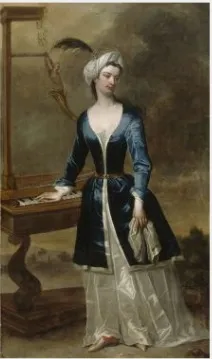
Portrait of Elizabeth, Countess of Bridgewater (1689-1714) is an oil painting by Charles Jervas. It dates from 1712 and is held in the collection of the National Gallery of Ireland.
About this work
Overview
Painted in 1712 by Charles Jervas, this oil portrait captures Elizabeth, Countess of Bridgewater, during the early 18th century.
Painted in 1712 by Charles Jervas, this oil portrait captures Elizabeth, Countess of Bridgewater, during the early 18th century. Executed in the tradition of aristocratic portraiture, the work is held in the National Gallery of Ireland. Jervas, an Irish artist known for his refined technique and connections to literary circles, rendered the sitter with quiet composure, emphasizing her intellectual presence over overt display of status.
Subject & Meaning
The Countess is depicted standing before a desk, holding a sheet of paper and with a quill tucked behind her ear. These elements suggest engagement with writing or correspondence, signaling literacy and intellectual activity—qualities valued among elite women of the period. Her composed posture and restrained expression convey dignity rather than flamboyance, reflecting a cultivated identity rooted in private scholarship and social responsibility.
Technique & Style
Jervas employed subtle gradations of oil paint to model the Countess’s form, particularly in the folds of her dark blue gown and the soft sheen of her white underskirt. The muted background isolates her figure, directing focus to her attire and gestures. The brushwork is precise yet unobtrusive, avoiding theatricality; the rendering of fabric and skin reflects a restrained, almost domestic realism aligned with emerging trends in British portraiture.
History & Provenance
The portrait was commissioned during the Countess’s lifetime and remained within the Bridgewater family until entering the National Gallery of Ireland’s collection. Its preservation reflects the family’s long-standing cultural patronage. Jervas, who later became Principal Painter to King George I, was well-connected among aristocratic patrons, and this work exemplifies his ability to capture the quiet authority of his sitters without resorting to grandeur.
Context
In early 18th-century Britain, portraits of noblewomen increasingly included objects that hinted at education and intellectual pursuits, moving beyond purely decorative or dynastic functions. The presence of writing tools in this image aligns with broader cultural shifts that acknowledged women’s roles in managing estates and correspondence. Jervas’s portrayal aligns with this emerging norm, presenting the Countess as both aristocrat and thoughtful individual.
Legacy
Though not widely exhibited, the portrait remains a significant example of Jervas’s mature style and his contribution to British portraiture beyond his more famous likenesses of literary figures. It offers insight into how elite women were visually represented in an era transitioning from ceremonial display to nuanced individuality. The work continues to inform scholarly understanding of gender, status, and representation in Georgian-era art.
Artist & collection
Artist
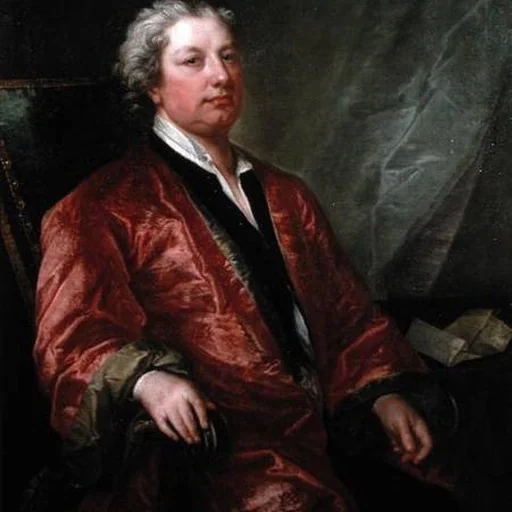
Charles Jervas (also Jarvis and Jervis; c. 1675 – 2 November 1739) was an Irish painter, translator, and art collector of the early 18th century.

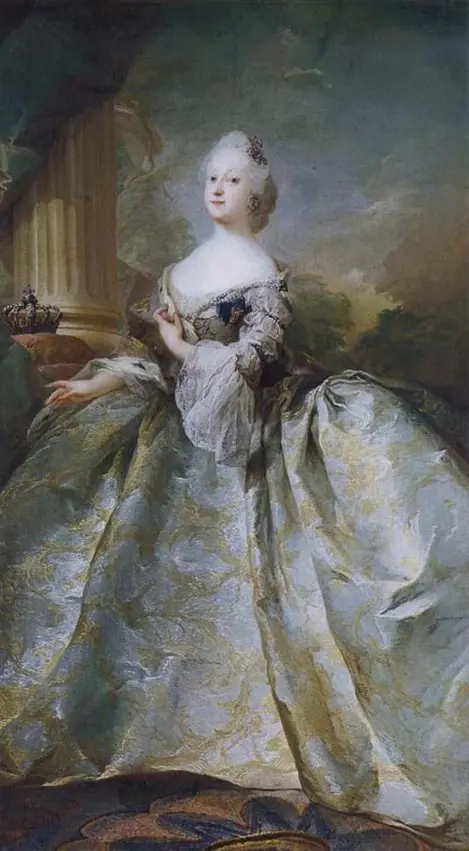 Portræt af Louise, Frederik V's første dronning
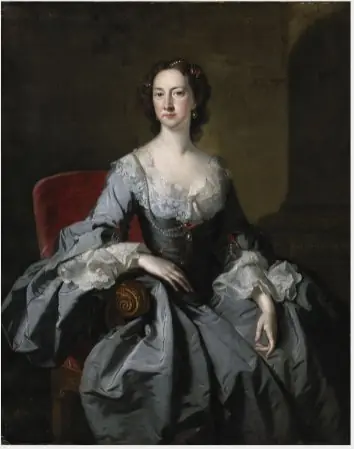 Portrait of Diana, Countess of Mountrath (1696-1766), Wife of the 6th Earl
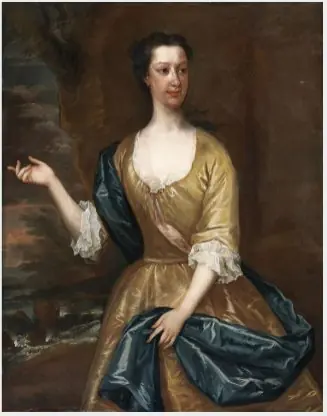 Portrait of Lady Anne Conolly (née Wentworth) (1713-1797)
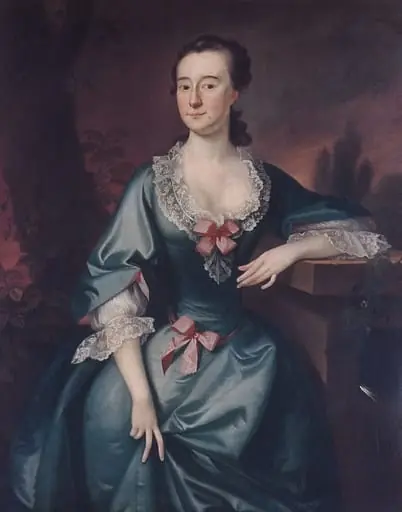 Mrs. David Chesebrough
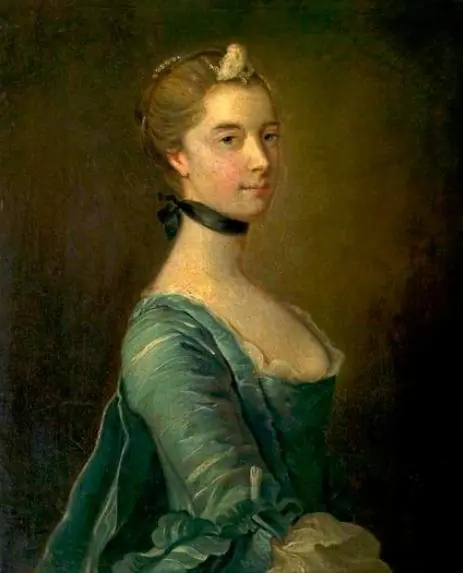 Portrait of an Unknown Woman (possibly Laura Walpole)
 Portrait of Maria Gunning, Countess of Coventry (1733-1760), Wife of the 6th Earl
 Princess Elisabeth of Saxe
 Anne Borrow (d.1799)
 Portrait of a Woman Standing in a Garden
 Lady Milner (née Miss Mordaunt)
 Mrs Hamilton Nisbet (1756 - 1834)