Artwork
König Georg II. von England (Krönungsporträt) (Werkstatt)
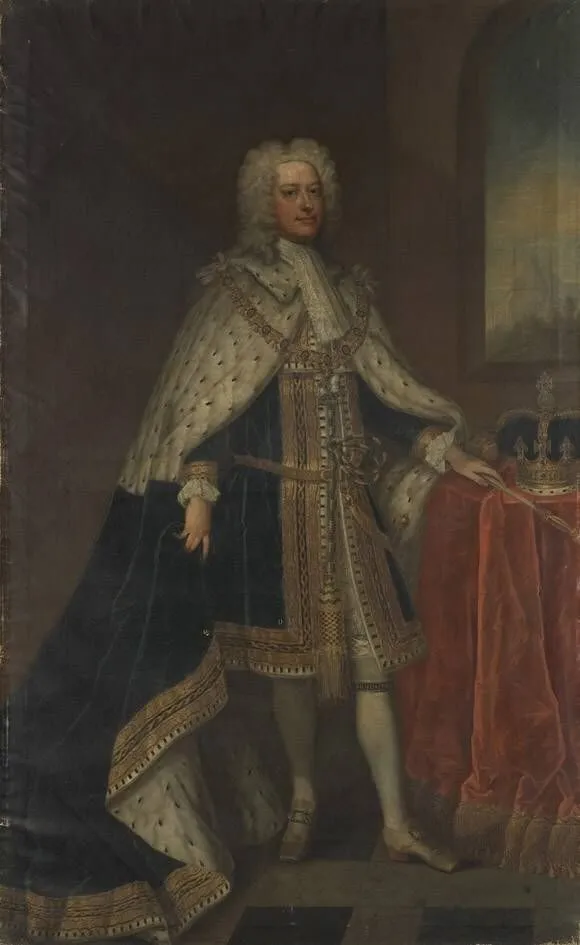
König Georg II. von England (Krönungsporträt) (Werkstatt) is an unspecified painting by Charles Jervas. It dates from 1717 and is held in the collection of the Bavarian State Painting Collections.
About this work
Overview
This portrait of King George II of Great Britain was produced around 1717 by the workshop of Charles Jervas, an Irish artist active in London.
This portrait of King George II of Great Britain was produced around 1717 by the workshop of Charles Jervas, an Irish artist active in London. Though Jervas is credited with the design and oversight, the execution likely involved assistants common in studio practices of the period. The painting captures the monarch shortly after his coronation, presenting him in ceremonial attire within a restrained, darkly lit interior. It resides today in the Alte Pinakothek in Munich.
Subject & Meaning
The portrait depicts George II in full coronation regalia, emphasizing his authority through symbolic elements: the crown resting on a table, the richly embroidered blue coat, and the white ermine-trimmed cape. His posture—hand resting on the table, the other relaxed—conveys composed sovereignty rather than action. The absence of overt political or military references focuses attention on the ritual of kingship itself, reinforcing the legitimacy of the monarchy through visual tradition.
Technique & Style
The painting employs chiaroscuro to model the king’s form against a deep background, enhancing the three-dimensionality of his garments and features. Fine brushwork renders the intricate gold embroidery and fabric textures, while the dark setting isolates the figure and directs focus to his attire. The composition is formal and frontal, typical of court portraiture, with careful attention to the materiality of silk, metal, and fur to signify status and wealth.
History & Provenance
Commissioned in the early 1710s, the portrait likely served as an official image to affirm George II’s royal presence before his accession to the throne in 1727. It entered the Bavarian royal collection in the 18th century, possibly through diplomatic exchange or purchase. Its presence in the Alte Pinakothek reflects its continued value as a document of British court culture within European royal collections.
Context
In early 18th-century Britain, portraiture was a key tool for projecting royal authority. Jervas, though Irish, worked within the London artistic milieu shaped by Sir Godfrey Kneller and later William Hogarth. His workshop’s approach blended Flemish precision with English restraint. This portrait aligns with a broader trend of using ceremonial dress and controlled settings to convey dynastic continuity amid political change.
Legacy
The painting stands as a representative example of court portraiture produced in a studio system, where master design and assistant execution coexisted. While not attributed solely to Jervas’s hand, it preserves the visual language of Hanoverian monarchy. Its preservation in a major European museum underscores its role as a historical artifact, illustrating how royal imagery was circulated and collected across national boundaries.
Artist & collection
Artist
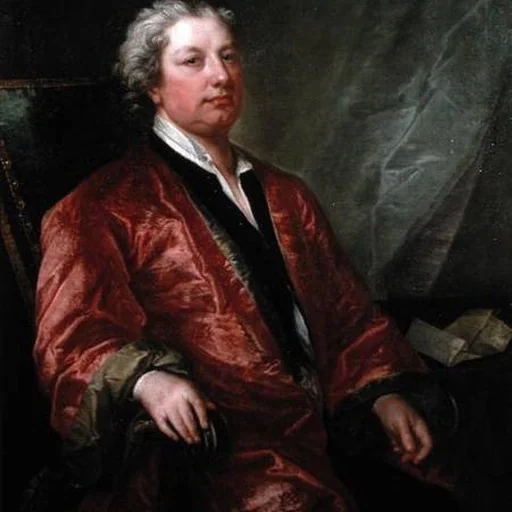
Charles Jervas (also Jarvis and Jervis; c. 1675 – 2 November 1739) was an Irish painter, translator, and art collector of the early 18th century.

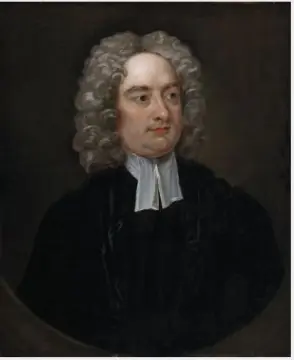
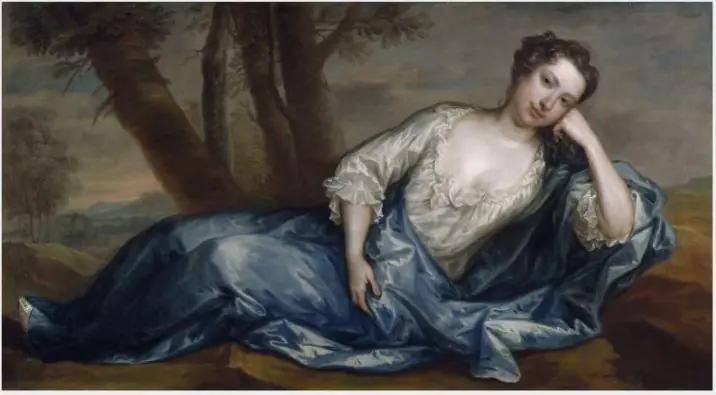
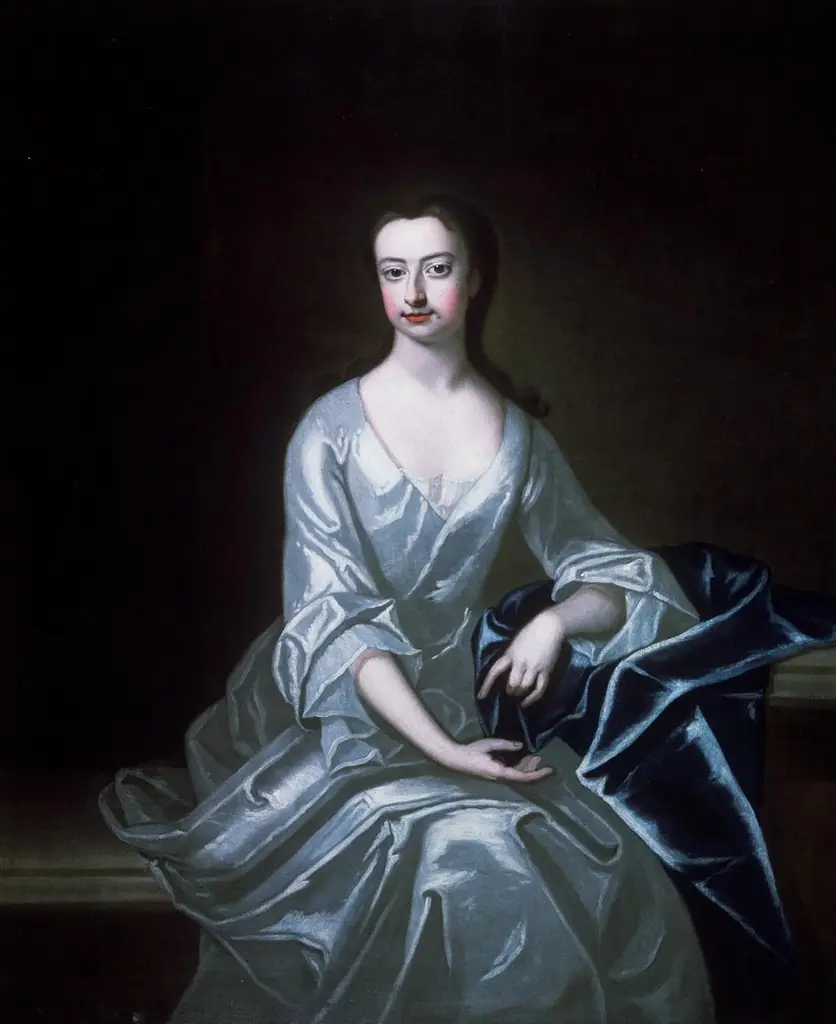
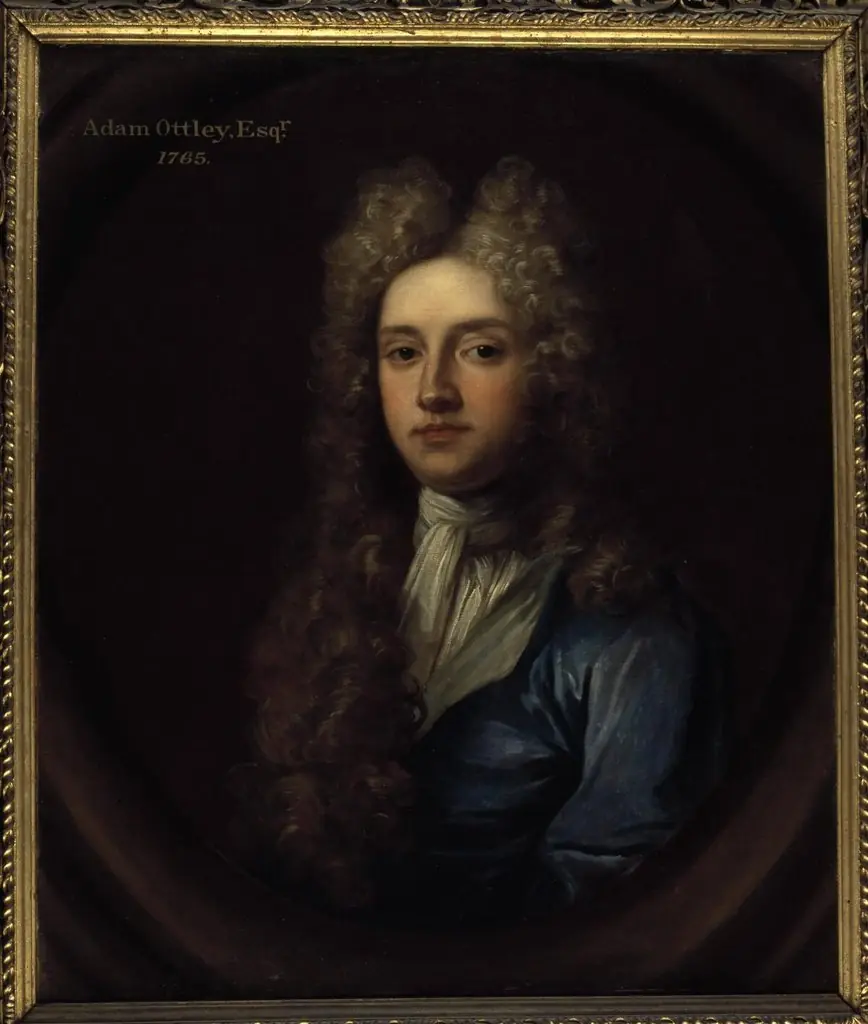
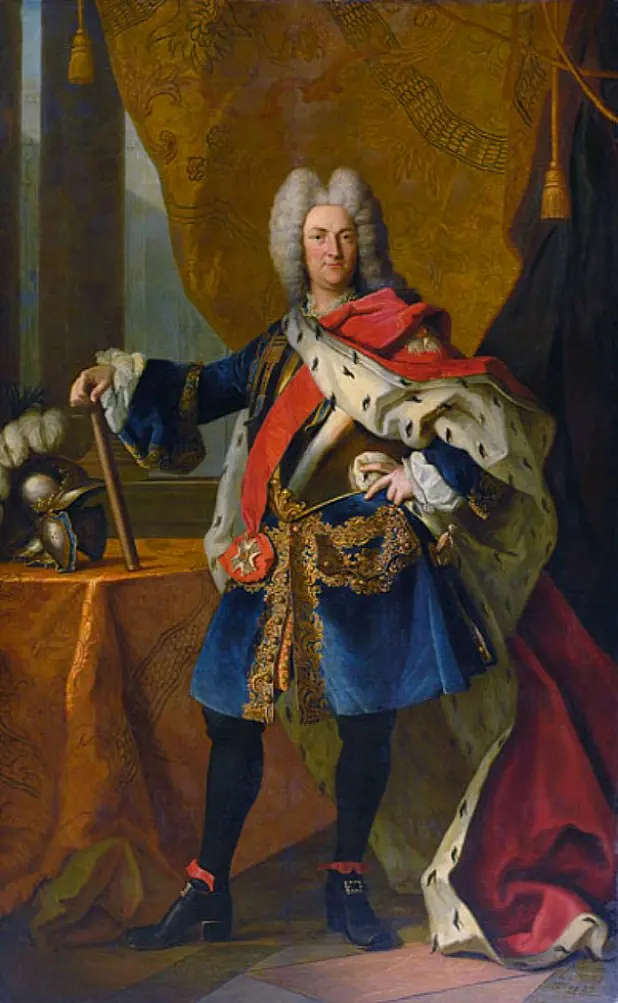 Bildnis des Gustav Samuel Leopold von Zweibrücken-Kleeburg
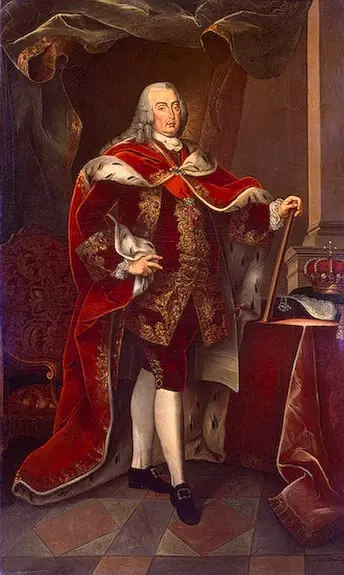 Portrait of Joseph Emanuel, King of Portugal
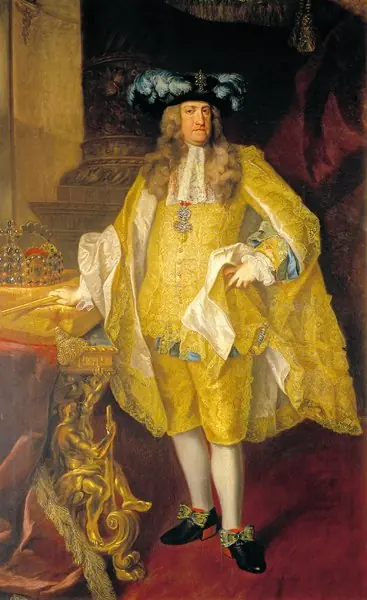 Kaiser Karl VI (1685-1740)
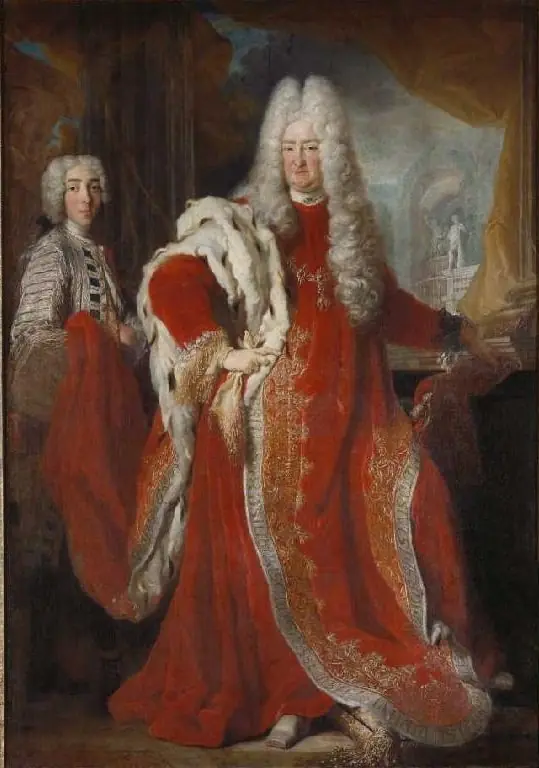 Kurfürst Karl III. Philipp von der Pfalz als Ordensgroßmeister mit Page
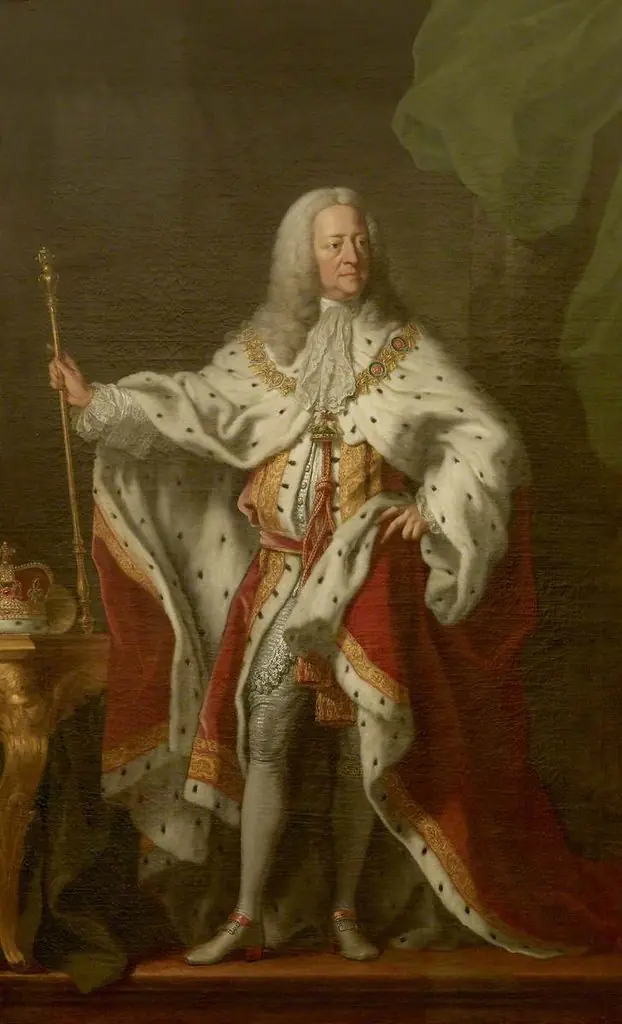 George II (1683–1760)
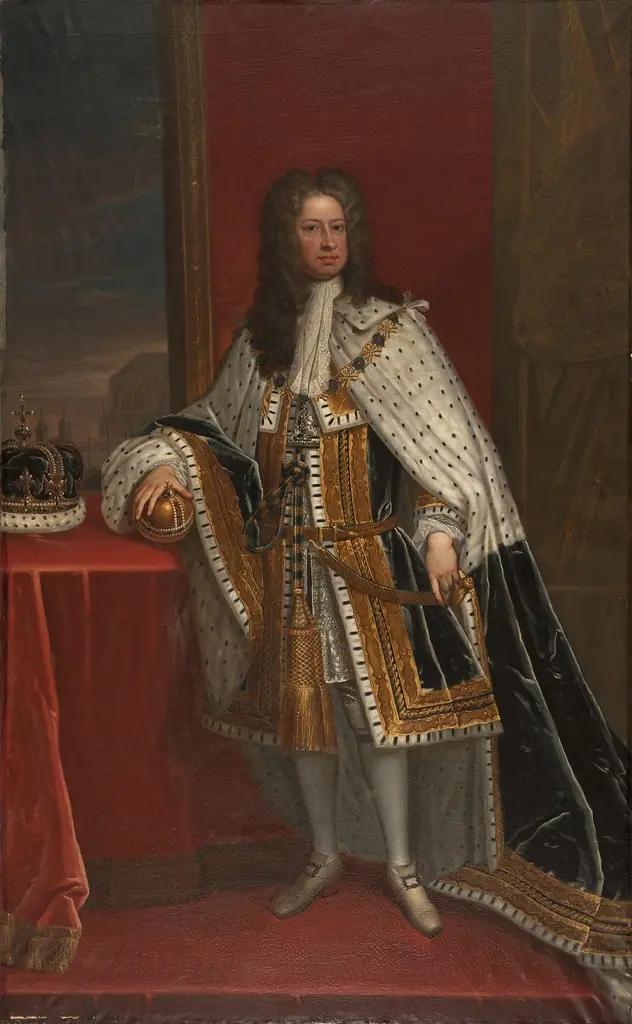 Georg I, 1660-1727, kung av England, kurfurste av Hannover
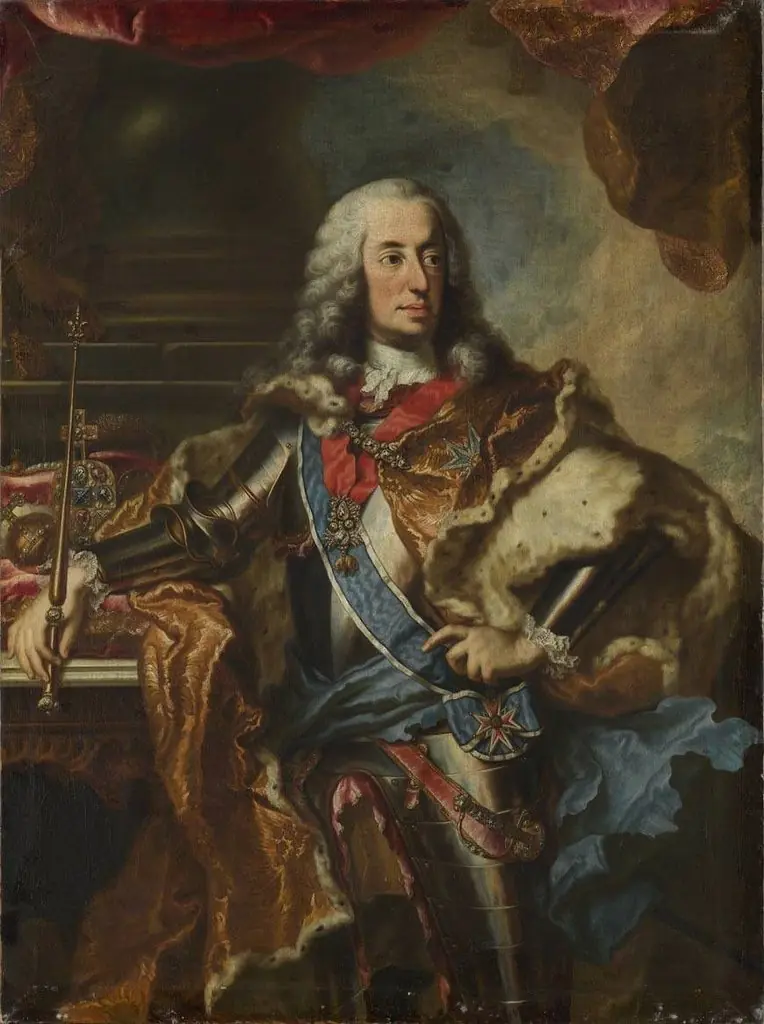 Kurfürst Karl Albrecht als Kaiser Karl VII. (1697-1745)
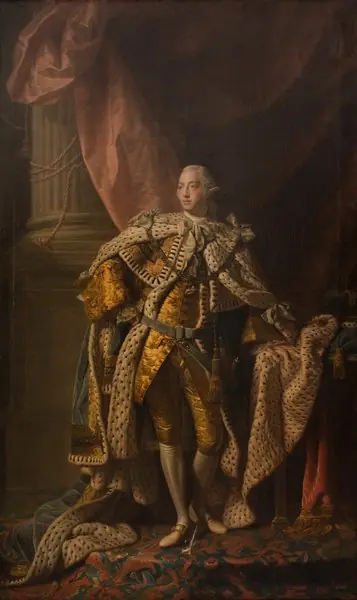 George III of England
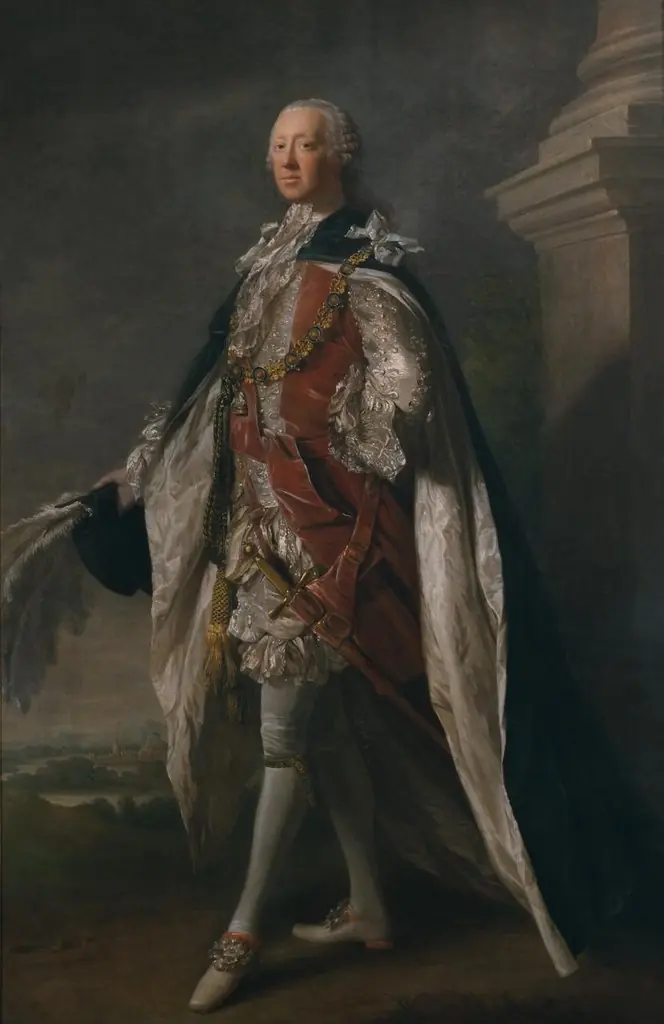 Richard Grenville, 2nd Earl Temple
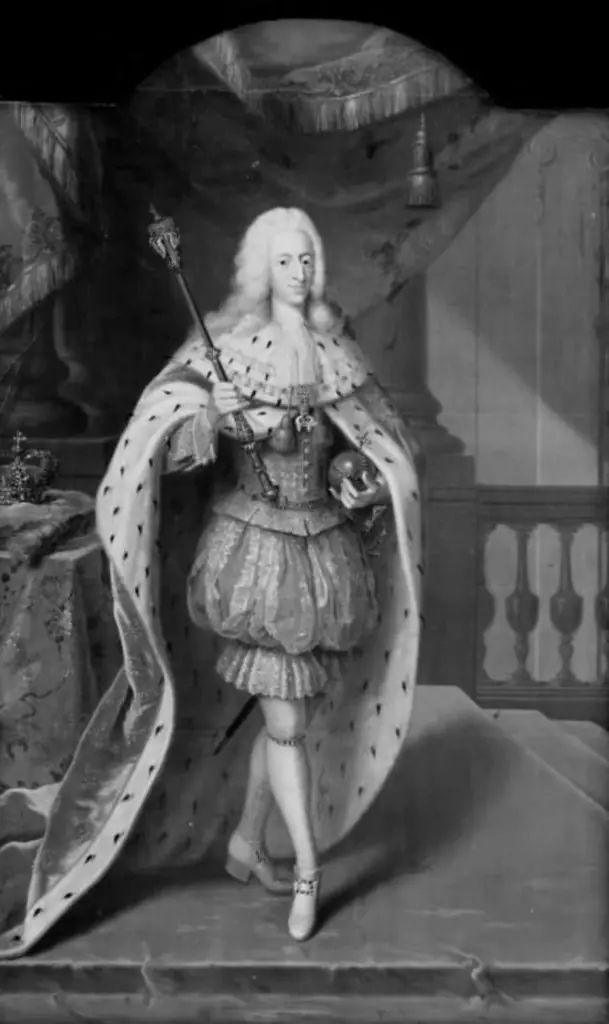 Christian VI
 August II af Polen
 King August III in Polish costume by Louis de Silvestre