Artwork
Martha and Theresa Blount
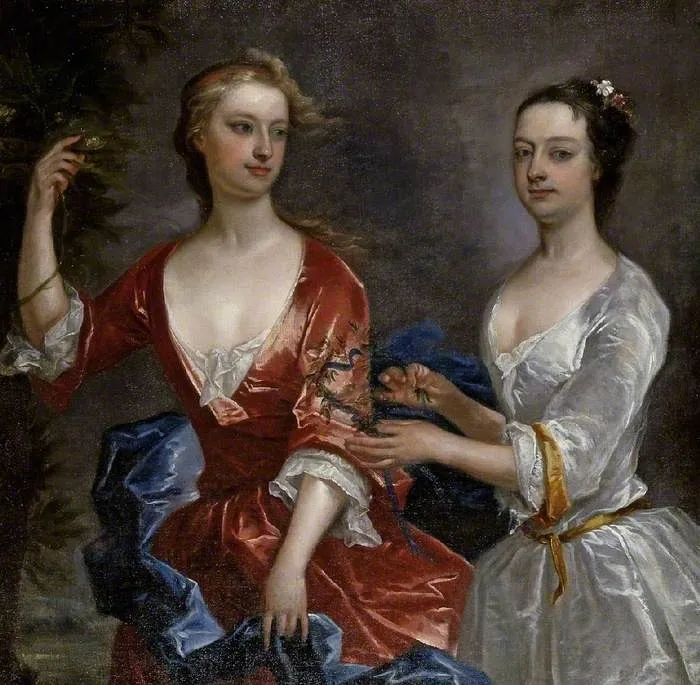
Martha and Theresa Blount is an oil painting by Charles Jervas. It dates from 1717 and is held in the collection of the Fitzwilliam Museum.
About this work
Overview
Charles Jervas, an Irish artist active in early 18th-century London, painted *Martha and Theresa Blount* circa 1717 in oil on canvas.
Charles Jervas, an Irish artist active in early 18th-century London, painted *Martha and Theresa Blount* circa 1717 in oil on canvas. The work portrays the two sisters as figures of refined composure, set against a muted, shadowed backdrop. It resides today in the Fitzwilliam Museum’s collection, representing Jervas’s skill in capturing intimate domestic presence through subtle tonal harmony and restrained gesture.
Subject & Meaning
The painting presents Martha and Theresa Blount, sisters connected to literary circles including Alexander Pope, in a moment of quiet stillness. Their poses suggest contemplation rather than performance: one holds a plant and folded fabric, the other a small bird. These objects imply themes of nurture and fragility, aligning with ideals of feminine virtue and gentle intellect valued in their social milieu.
Technique & Style
Jervas employed soft modeling and a restrained palette to convey texture and presence without theatricality. The red dress of the left figure contrasts with the white gown of the right, yet both are rendered with delicate brushwork that avoids harsh outlines. The dark background recedes, allowing the figures to emerge with quiet authority, while the faint greenery behind them suggests an enclosed garden, reinforcing the sense of private serenity.
History & Provenance
Commissioned by the Blount family, the portrait remained within their circle before entering the Fitzwilliam Museum’s holdings. Its survival through centuries reflects its status as a personal rather than public monument. Jervas, known for his portraits of literary figures, likely painted the sisters during his time cultivating connections with intellectual elites in London, lending the work cultural weight beyond its aesthetic.
Context
Painted during the early Georgian era, the work reflects a shift from grand Baroque portraiture toward more intimate, psychologically nuanced depictions. The sisters’ attire and demeanor align with emerging ideals of polite femininity—modest, refined, and emotionally restrained. Jervas’s approach, influenced by Van Dyck and English portraiture traditions, favored naturalism over ornament, mirroring broader cultural trends toward understated elegance.
Legacy
Though not widely exhibited, the painting endures as a quiet example of Jervas’s ability to convey character through subtlety. It stands apart from the more flamboyant portraits of his contemporaries, offering instead a restrained meditation on sisterhood and domestic grace. Its preservation in a major public collection ensures its continued role as a record of early 18th-century female identity and artistic sensibility.
Artist & collection
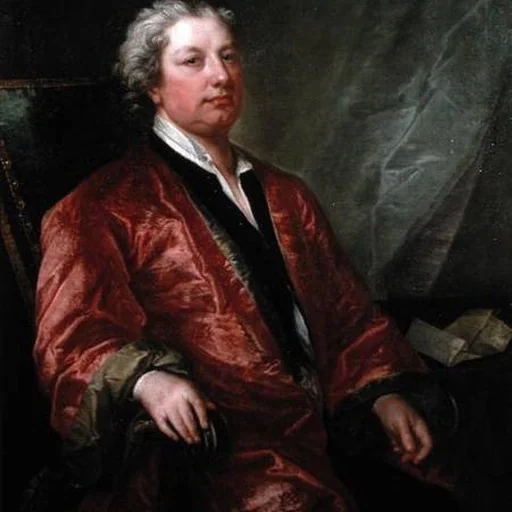
Artist
Charles Jervas (also Jarvis and Jervis; c. 1675 – 2 November 1739) was an Irish painter, translator, and art collector of the early 18th century.

 Deer, Dog and Cat
 Portrait of Lady Mary Wortley Montagu (1689-1762)
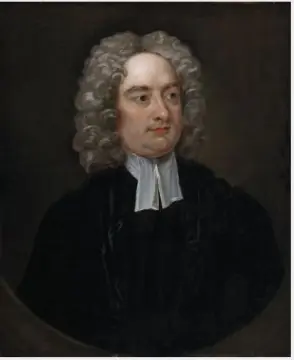 Portrait of Jonathan Swift (1667-1745), Satirist
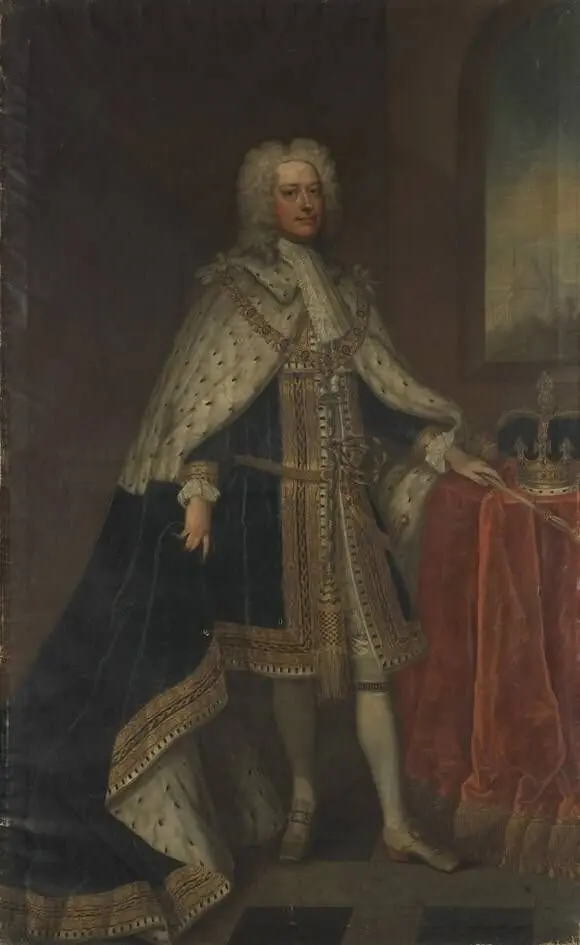 König Georg II. von England (Krönungsporträt) (Werkstatt)
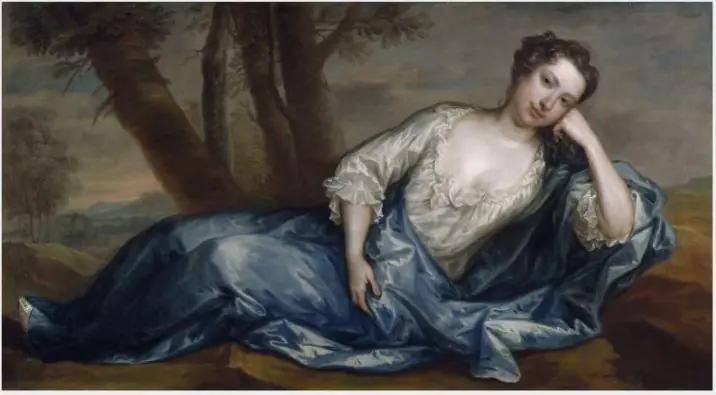 Portrait of the Honourable Jane Seymour Conway (c.1711-1749)
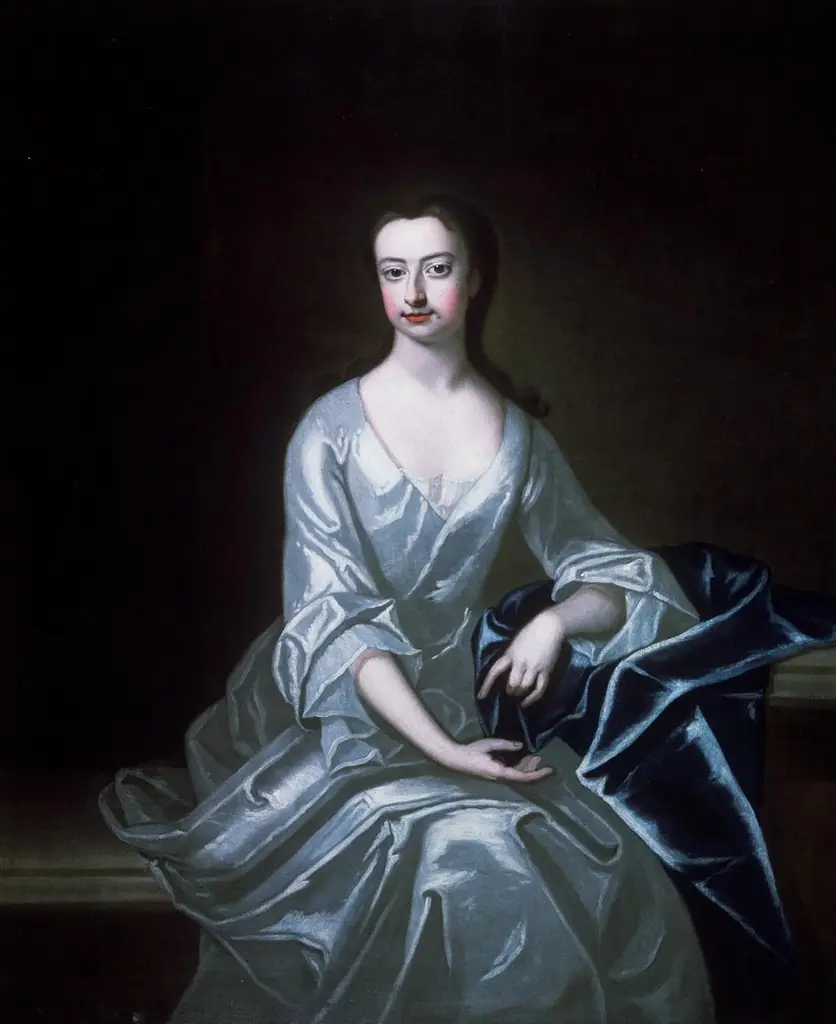 Miss Wynne of Leeswood
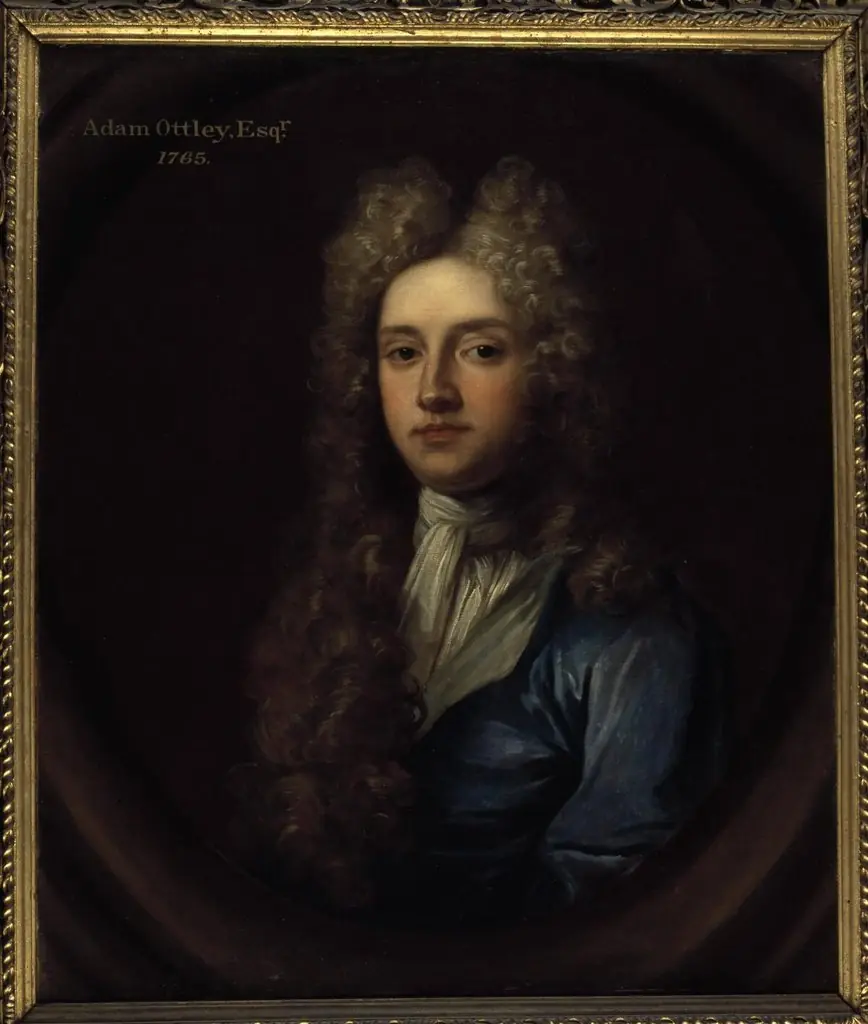 Adam Ottley
 Portrait of Elizabeth, Countess of Bridgewater (1689-1714)
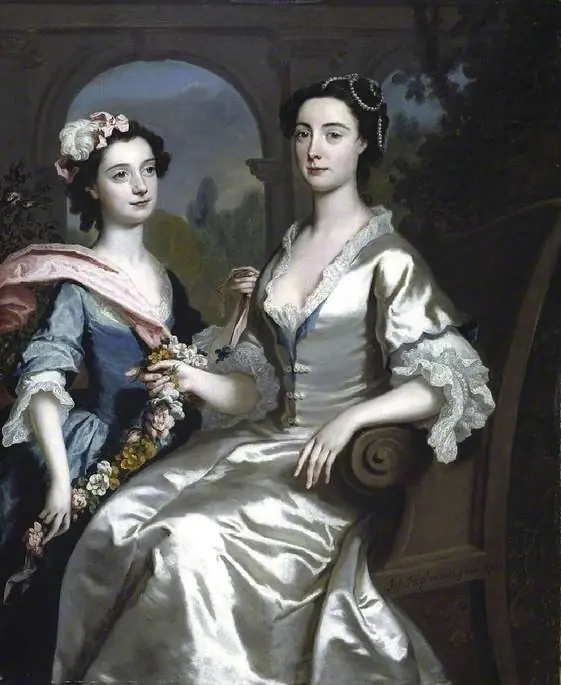 Mrs Elizabeth Birch and her daughter
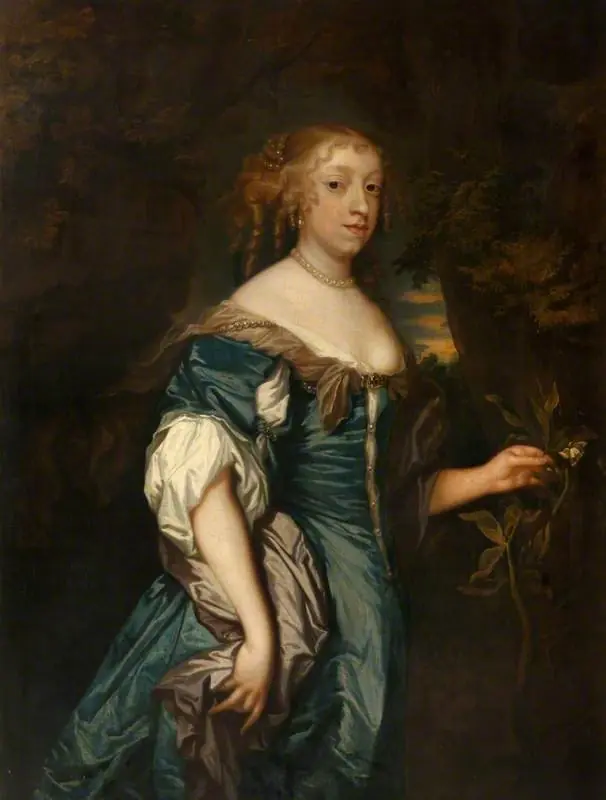 Lady Diana Bruce (died 1672)
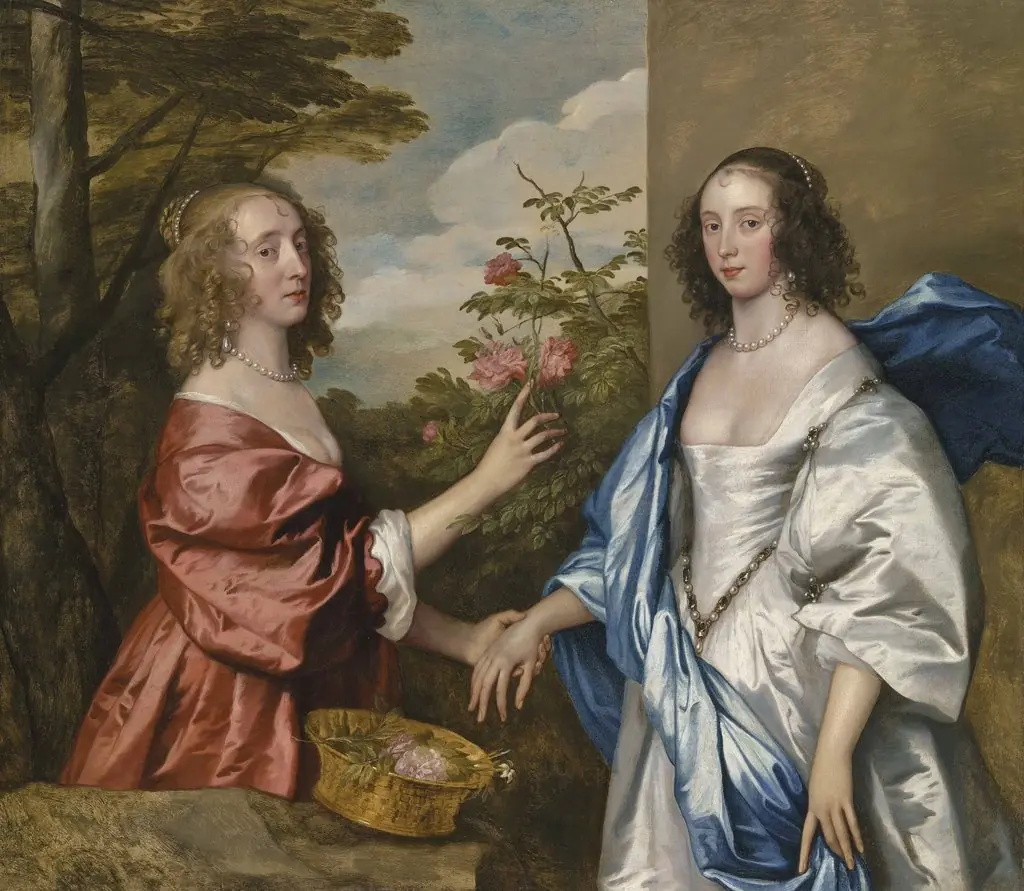 Double portrait of Anne, Countess of Manchester and her daughter Anne Cavendish, Lady Rich
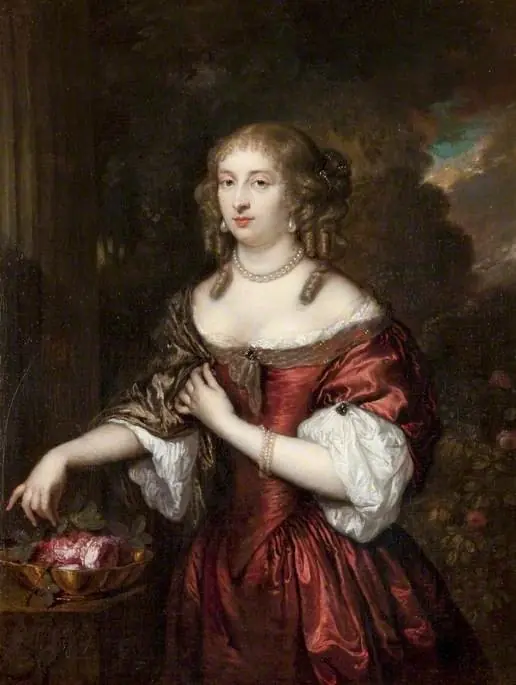 Portrait of a Woman
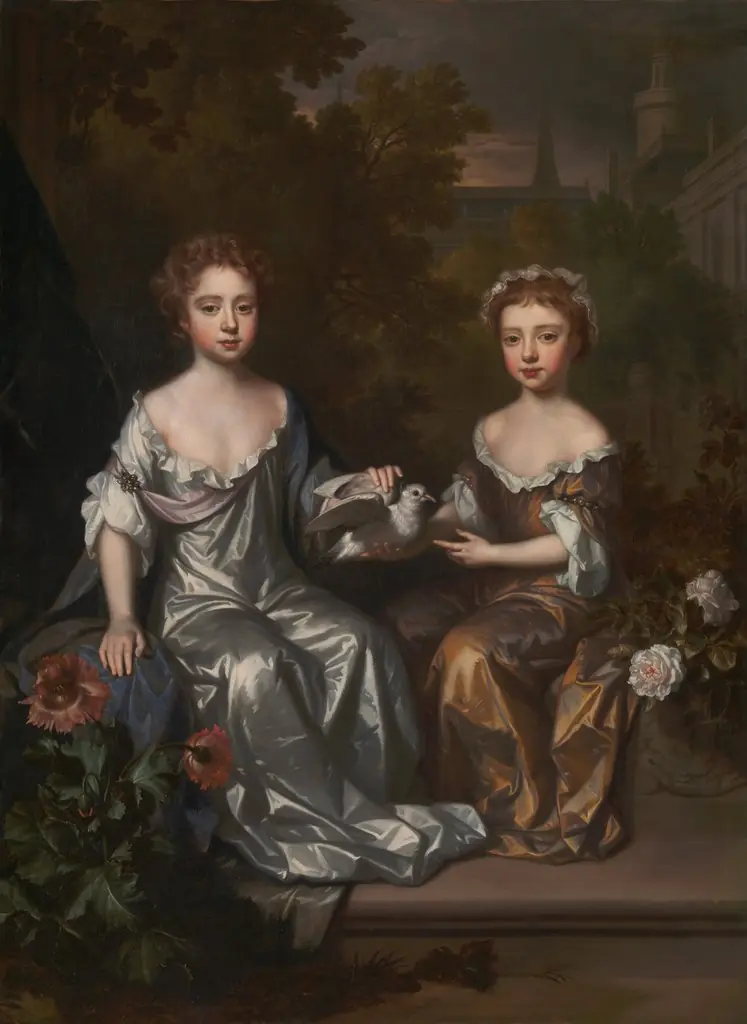 Portrait of Henrietta and Mary Hyde
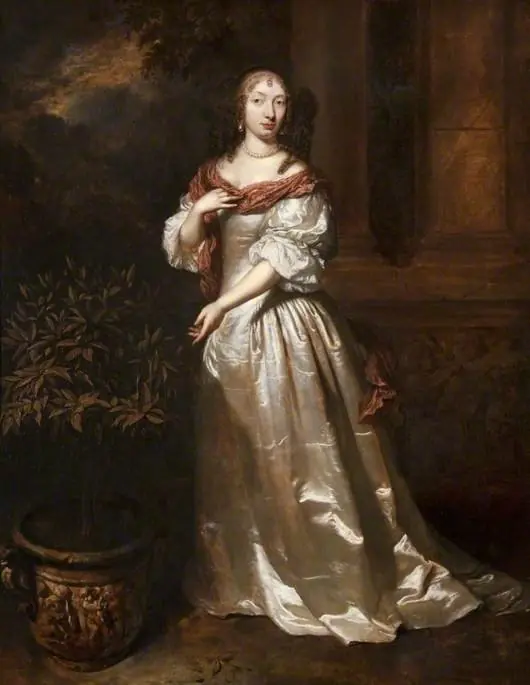 Portrait of a Young Woman by an Orange Tree
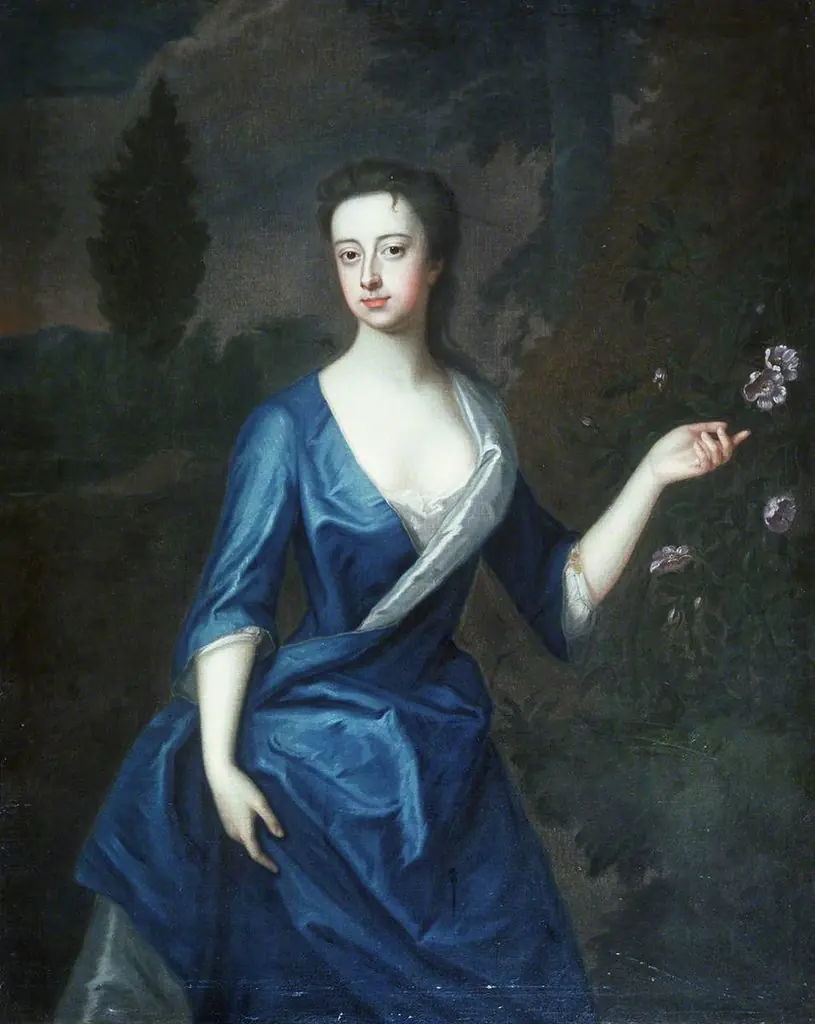 Miss Mary Middleton (1688–1747), of Plas Newydd, Wrexham
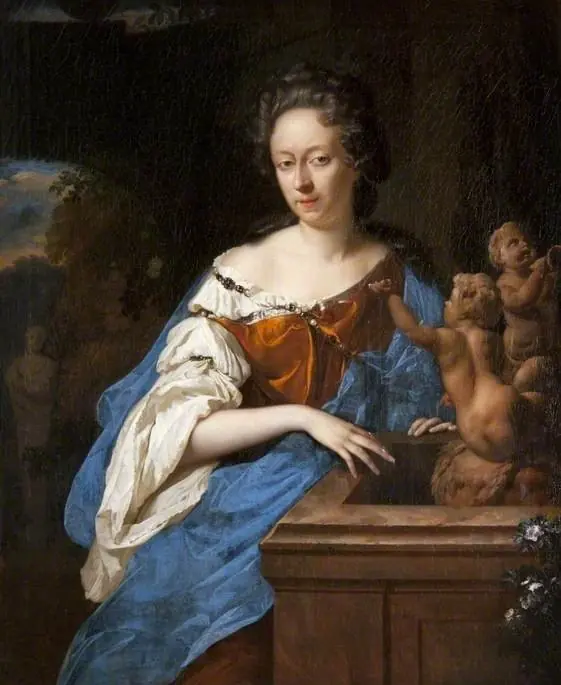 Portrait of a Lady by a Fountain
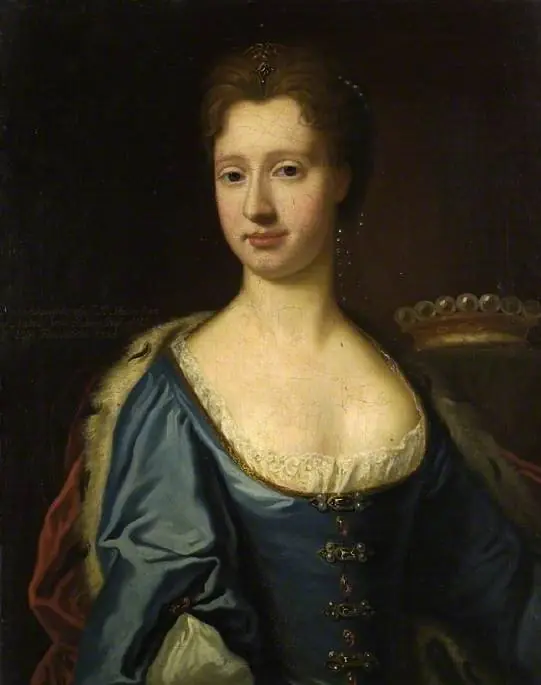 Frances, Viscountess Fitzwilliam
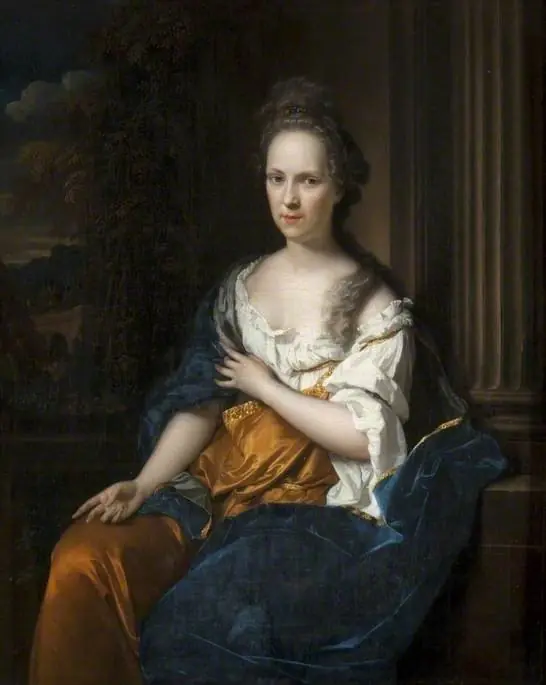 Portrait of a Woman, Aged 33
 Elizabeth Drummond, Mrs James Stuart
 Portrait of the Painter's Two Daughters