Artwork
Blackburn Canal No. 3
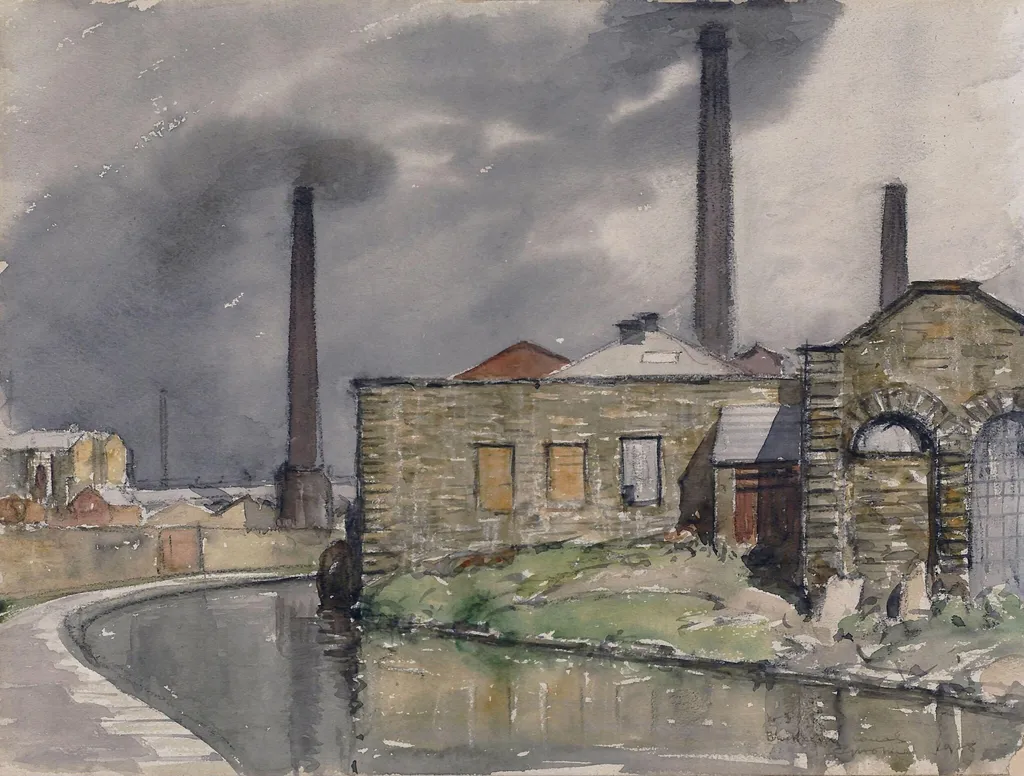
Blackburn Canal No. 3 is a watercolor work on paper by the Impressionist artist Sir Charles John Holmes. It dates from 1928 and is held in the collection of the Victoria and Albert Museum. Charles John Holmes created this watercolour in 1928, capturing a quiet moment along the Blackburn Canal in Lancashire.
About this work
Overview
Rendered in transparent washes, it presents an unidealized view of industrial infrastructure, emphasizing texture and atmosphere over detail.
Charles John Holmes created this watercolour in 1928, capturing a quiet moment along the Blackburn Canal in Lancashire. The work is signed and dated along its lower margin, confirming its origin and timing. Rendered in transparent washes, it presents an unidealized view of industrial infrastructure, emphasizing texture and atmosphere over detail. The composition is deliberately restrained, avoiding dramatic focal points in favor of a contemplative mood.
Subject & Meaning
The scene centers on a weathered brick structure with tall chimneys emitting plumes of smoke, flanked by a narrow stretch of water and a patch of sparse vegetation. The setting suggests a working canal, once vital to regional industry, now in a state of quiet decay. The absence of figures or movement reinforces a sense of abandonment, inviting reflection on the passage of time and the fading utility of industrial sites.
Technique & Style
Holmes employed loose, fluid brushwork typical of watercolour sketching, allowing pigment to bleed slightly at the edges and creating soft transitions between tones. The palette is subdued—dominated by greys, browns, and muted greens—enhancing the somber atmosphere. Smoke is suggested with diluted washes, while shadows deepen the sense of stillness. The technique prioritizes immediacy over precision, evoking a fleeting observation rather than a polished rendering.
History & Provenance
The work was completed in 1928, during a period when Holmes was actively documenting industrial landscapes across northern England. It entered the collection of the Victoria and Albert Museum, where it remains part of a broader archive of early 20th-century British watercolours focused on urban and industrial subjects. Its provenance reflects institutional interest in preserving everyday scenes of economic transition.
Context
In the late 1920s, Britain’s canal networks were declining as rail and road transport expanded. Holmes’s watercolours, including this one, respond to that shift by recording structures that were becoming obsolete. His approach aligns with a broader artistic trend of the era: documenting the quiet residues of industrialization rather than its grandeur. These works serve as visual records of a changing landscape.
Legacy
Holmes’s watercolours of industrial sites, including *Blackburn Canal No. 3*, contribute to a modest but significant body of work that captures the aesthetic of post-industrial decline before it was widely recognized as a cultural theme. Though not widely exhibited, these pieces remain valuable for their unembellished observation and their role in preserving the visual character of Britain’s fading canal infrastructure.
Artist & collection
Artist
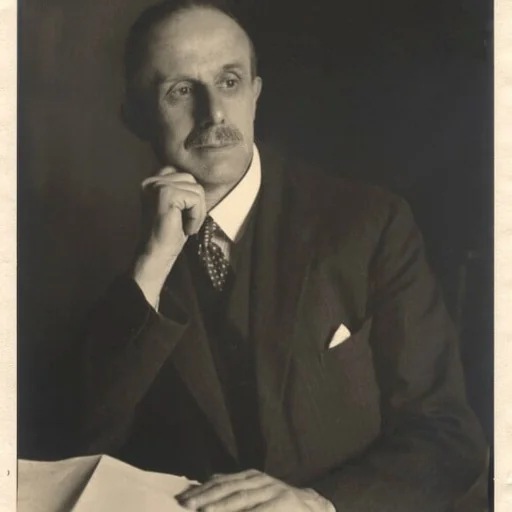
Sir Charles John Holmes, KCVO (11 November 1868, Preston, Lancashire – 7 December 1936, Kensington, London) was a British painter, art historian and museum director.

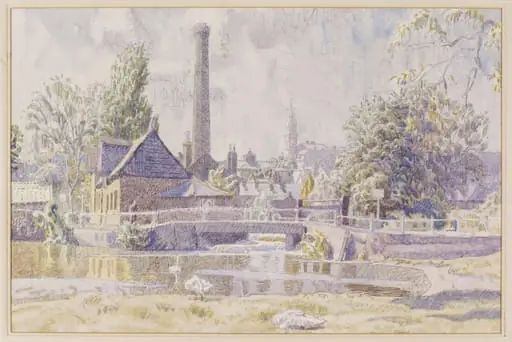 Middle Mill, Colchester
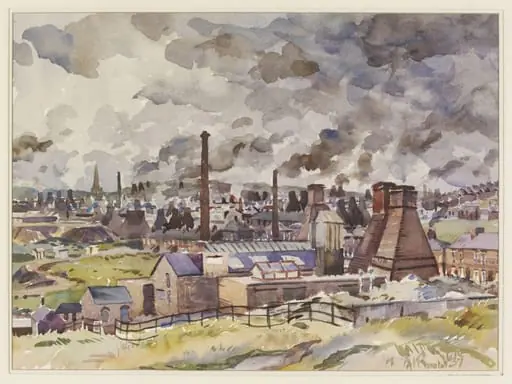 The Potteries, Tunstall
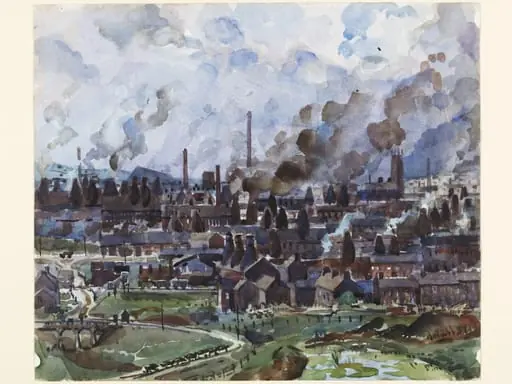 The Potteries, Stoke-on-Trent, Staffordshire
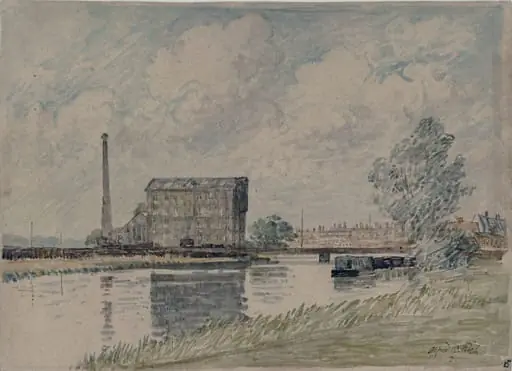 A Mill on the Ouse, Huntingdonshire
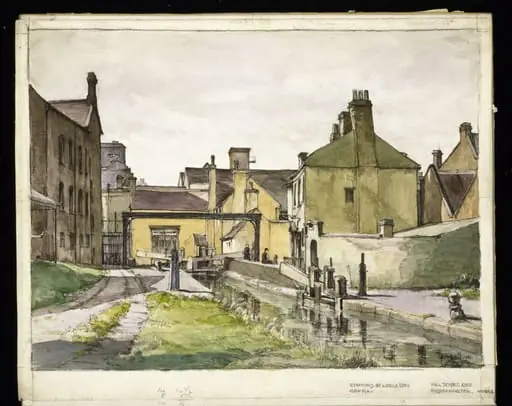 Mill Street Lock, Kidderminster
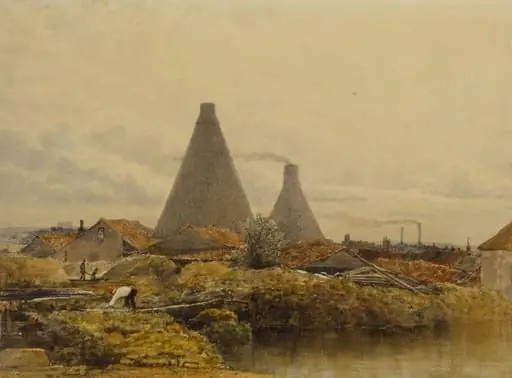 Tile Kilns
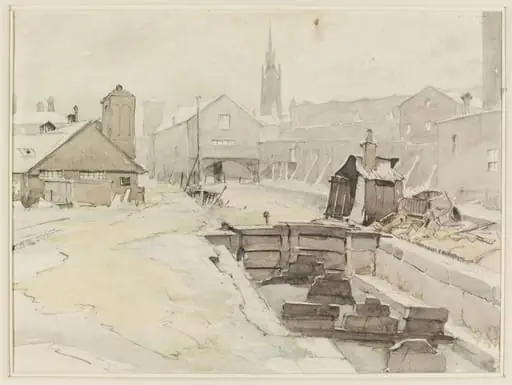 Manchester Ship Canal, Quay Street, Manchester
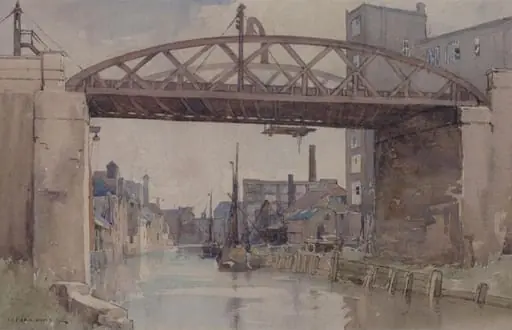 Entrance to Maidstone
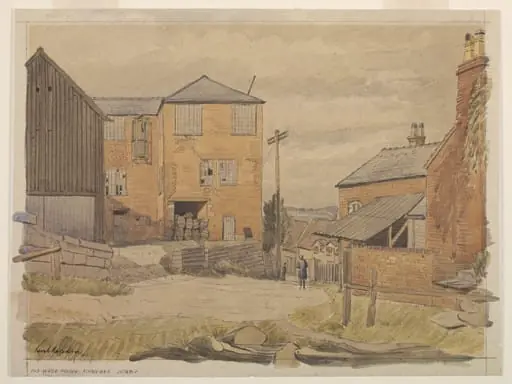 Old Warehouse, Ashbourne
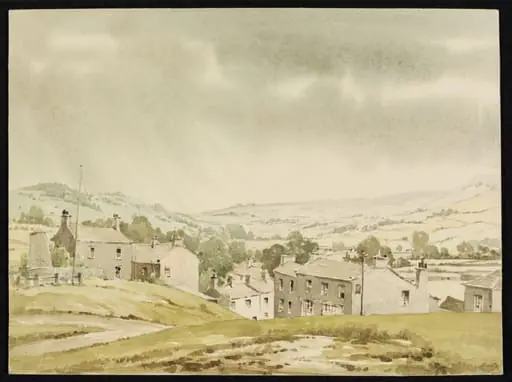 Reeth, near Richmond
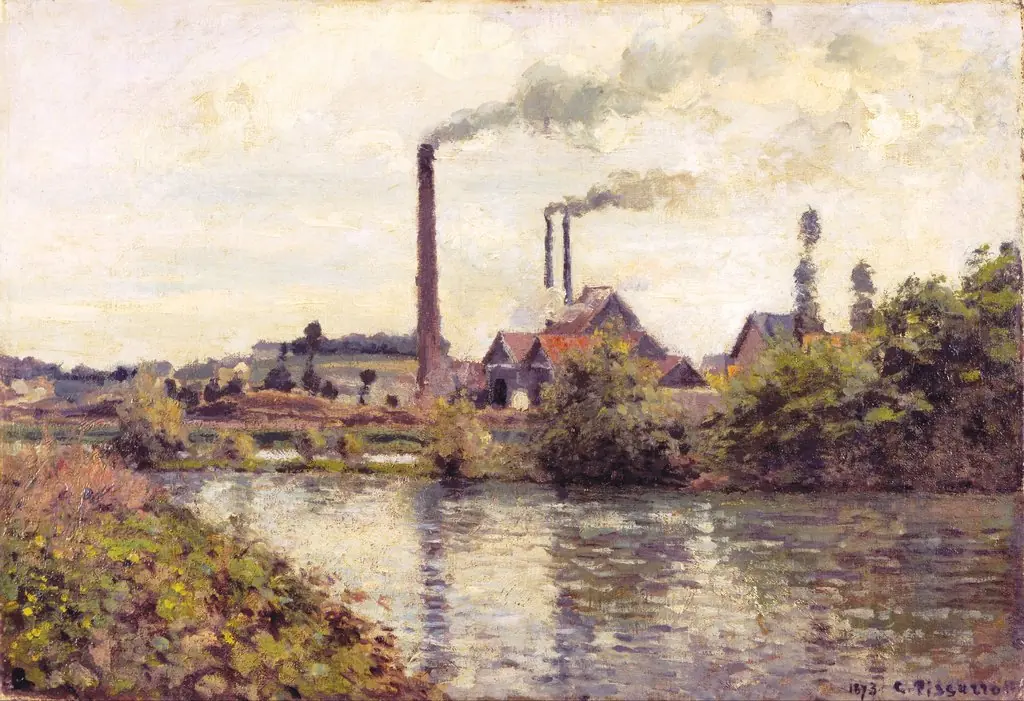 The Factory at Pontoise
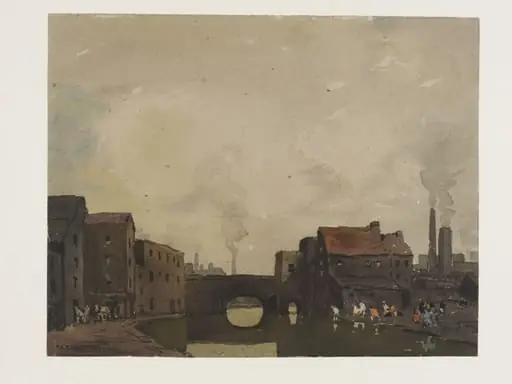 A Birmingham Canal