Artwork
The Potteries, Tunstall
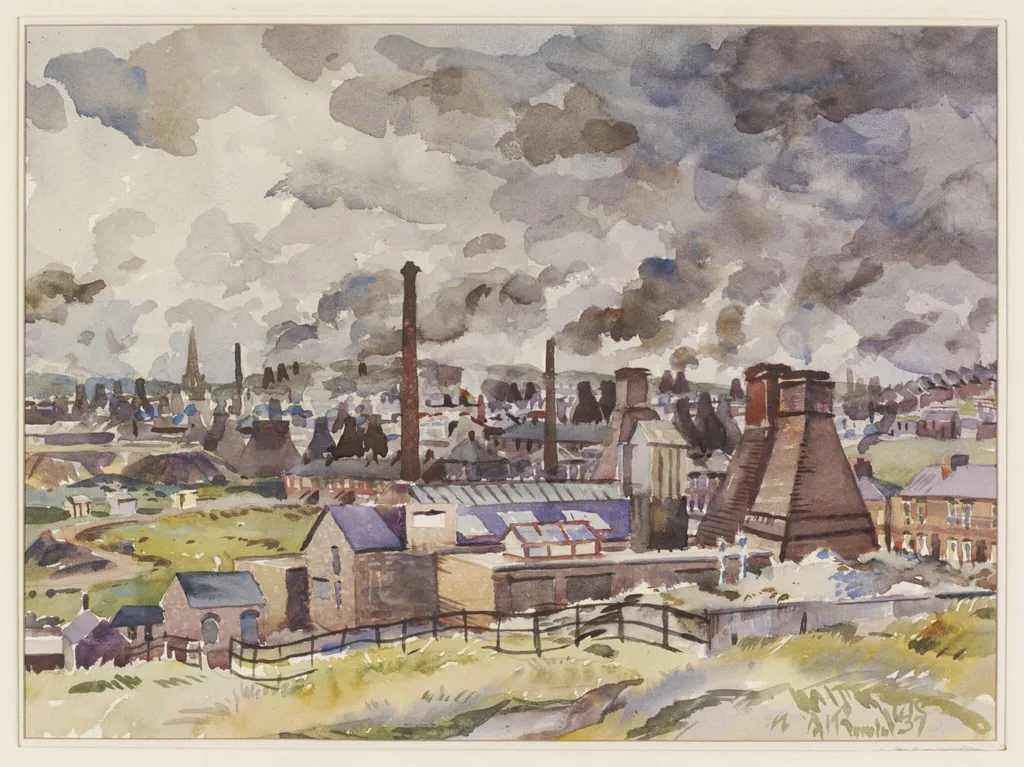
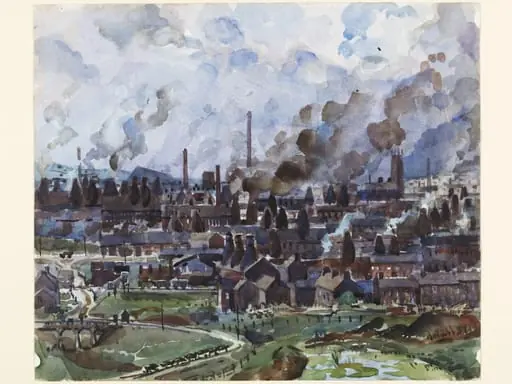
The Potteries, Tunstall is a watercolor work on paper by the Social Realist artist Ronald. It dates from 1937 and is held in the collection of the Victoria and Albert Museum.
About this work
Overview
The piece belongs to a broader effort to preserve visual records of places deemed vulnerable to wartime disruption or modernization.
Created in 1937 by Ronald, this watercolour captures the industrial landscape of Tunstall in Staffordshire. Part of the Recording Britain initiative, the work was produced to document Britain’s changing rural and urban environments during a period of national uncertainty. The piece belongs to a broader effort to preserve visual records of places deemed vulnerable to wartime disruption or modernization.
Subject & Meaning
The painting portrays Tunstall’s pottery industry through its dominant chimneys and bottle ovens, symbols of local craftsmanship and economic identity. The hazy, smoke-choked sky suggests the environmental toll of industrial activity, while the modest dwellings and fenced fields in the foreground hint at the coexistence of domestic life and heavy industry. The scene reflects a community shaped by its manufacturing heritage.
Technique & Style
Executed in watercolour, the work employs loose, fluid brushwork to convey movement and atmosphere. Muted greys, soft greens, and pale clouds create a subdued palette that mirrors the soot-laden air. The blending of smoke and sky blurs boundaries between nature and industry, while the sketchy outlines suggest immediacy and observation rather than polished finish.
History & Provenance
Commissioned under the Recording Britain project, initiated by Sir Kenneth Clark in the late 1930s, the painting was part of a government-backed effort to archive Britain’s landscapes before they were altered by war. The work entered the Victoria and Albert Museum’s collection as part of this initiative, preserving a visual archive of industrial Britain during a time of transition.
Context
Tunstall was one of several pottery towns in Staffordshire, known for its centuries-old ceramic production. By 1937, the industry faced pressures from economic shifts and looming conflict. The Recording Britain project sought to capture such sites not as monuments, but as living, working environments—acknowledging their cultural weight even as their future became uncertain.
Legacy
The painting endures as a quiet testament to Britain’s industrial past, valued for its documentary precision and emotional restraint. It contributes to a national archive that continues to inform historical and cultural studies of place, labor, and environmental change. Its presence in the V&A ensures ongoing access for researchers and the public alike.
Artist & collection
Artist
Ronald is a masculine given name derived from the Old Norse Rögnvaldr, or possibly from Old English Regenweald.

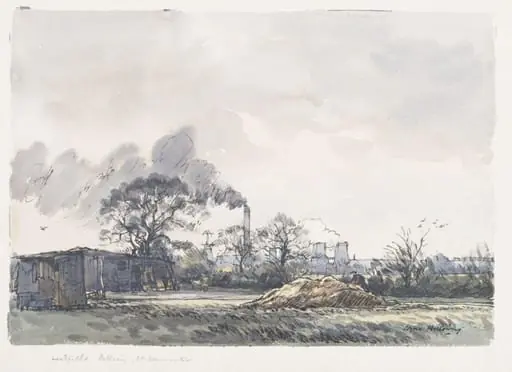 Thorne Colliery
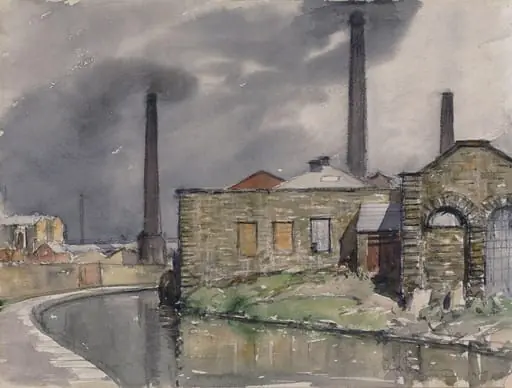 Blackburn Canal No. 3
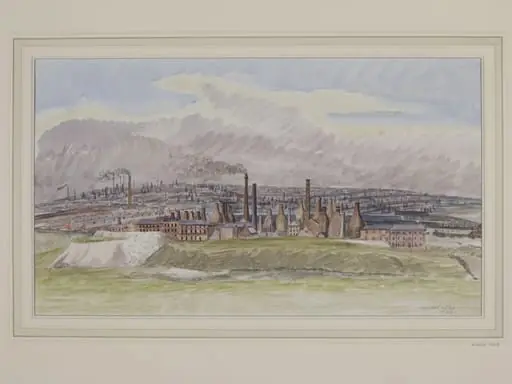 General view of Hanley and Burslem, from near Wolstanton
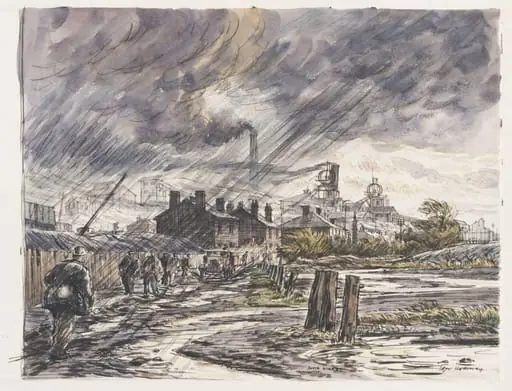 South Kirkby Colliery
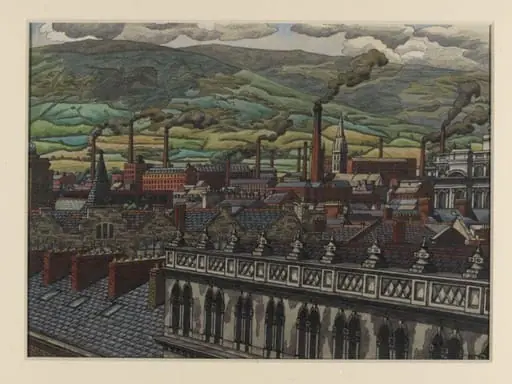 Portrait of Belfast
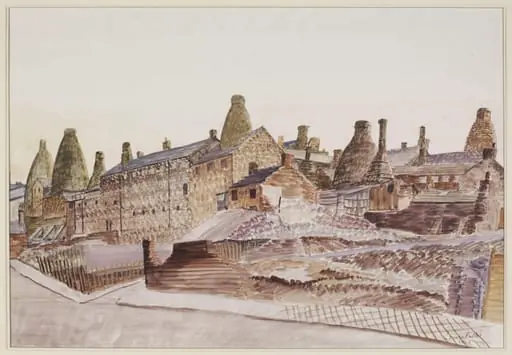 Blue Bell Bank, Sutherland Road, Longton
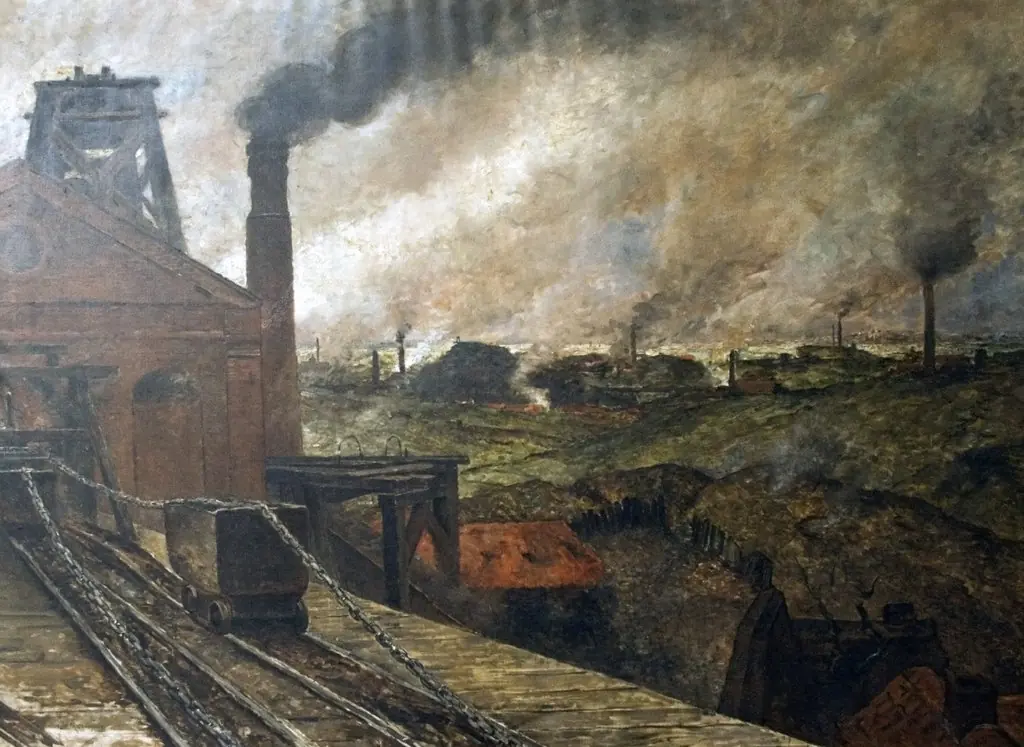 Black Country – Borinage
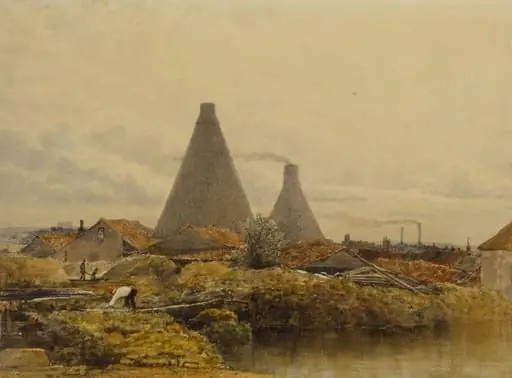 Tile Kilns
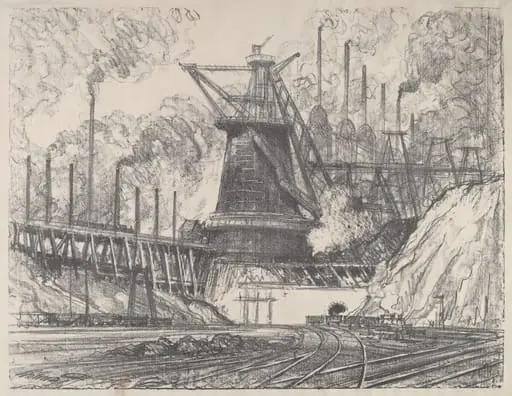 The Big Mill, Gary, Indiana
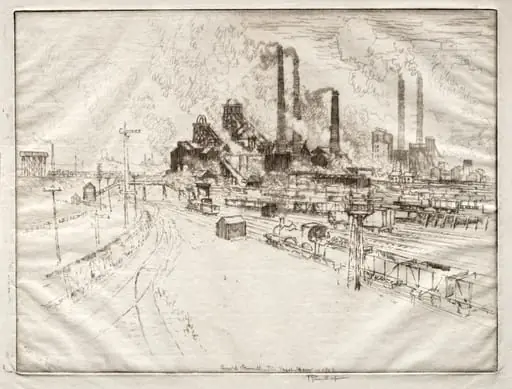 The Great Main, Near Sheffield
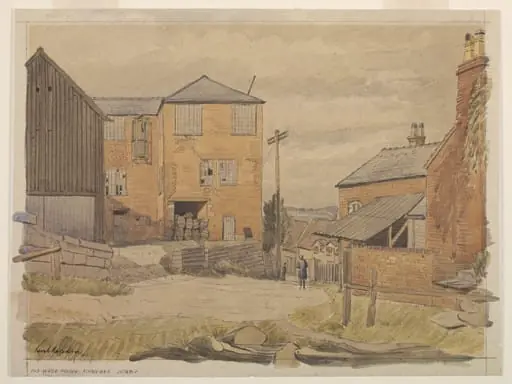 Old Warehouse, Ashbourne
 The Potteries, Stoke-on-Trent, Staffordshire