Artwork
Self-portrait
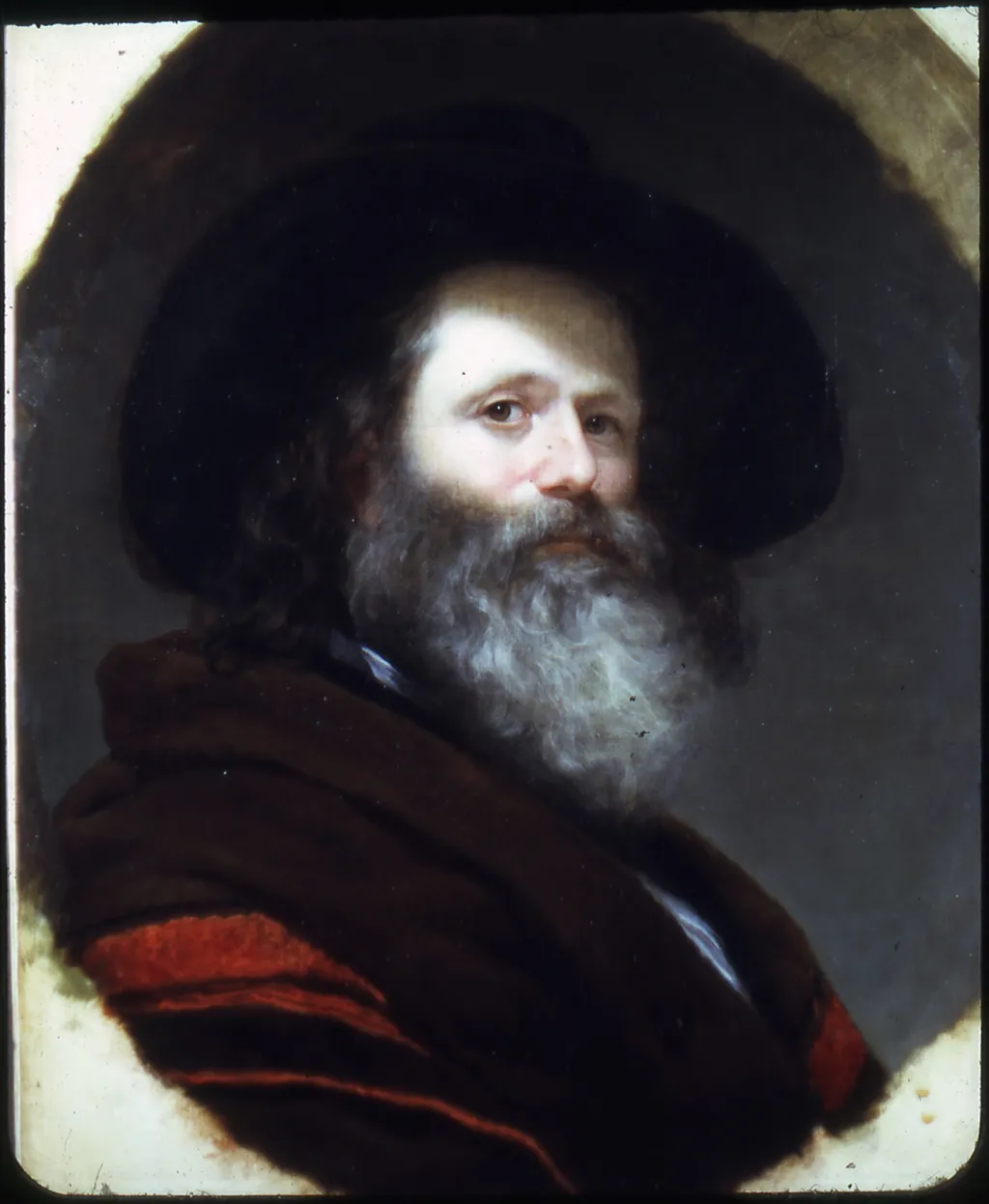
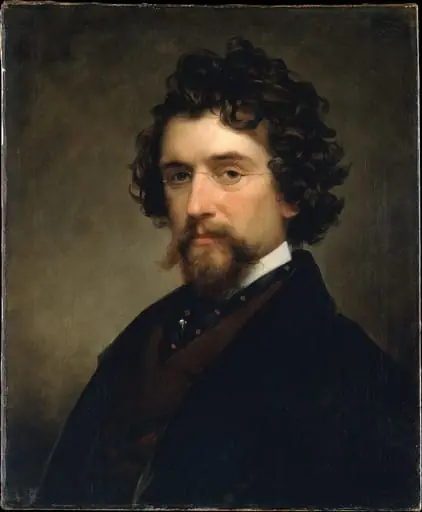
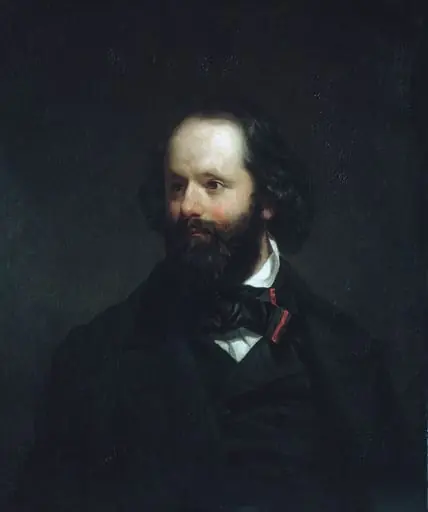
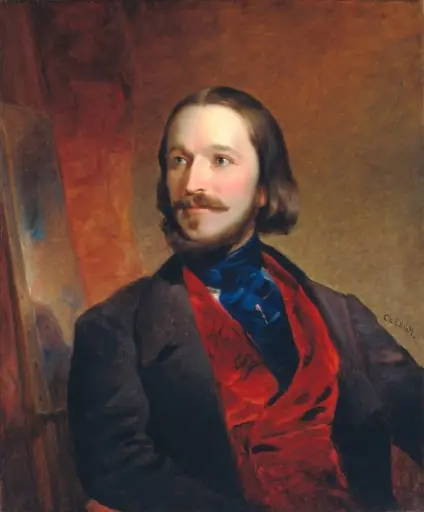
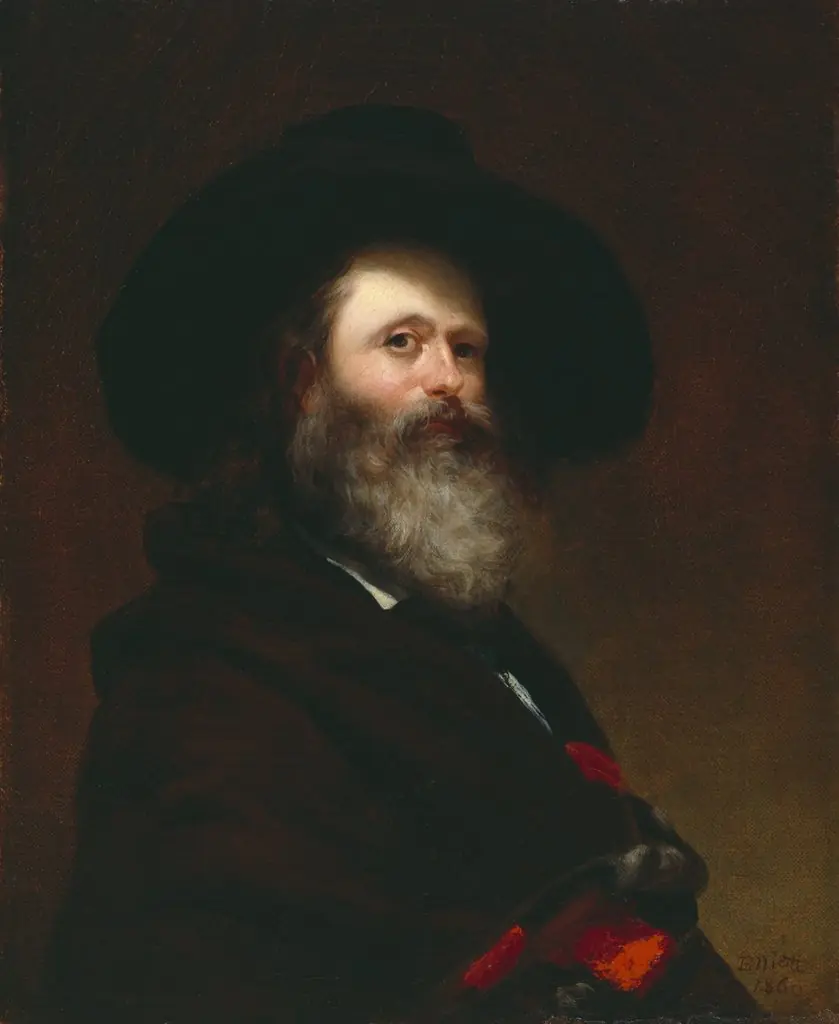
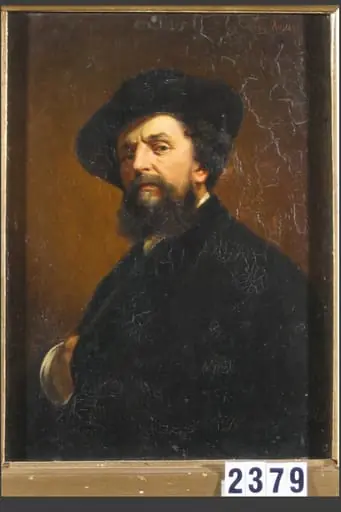
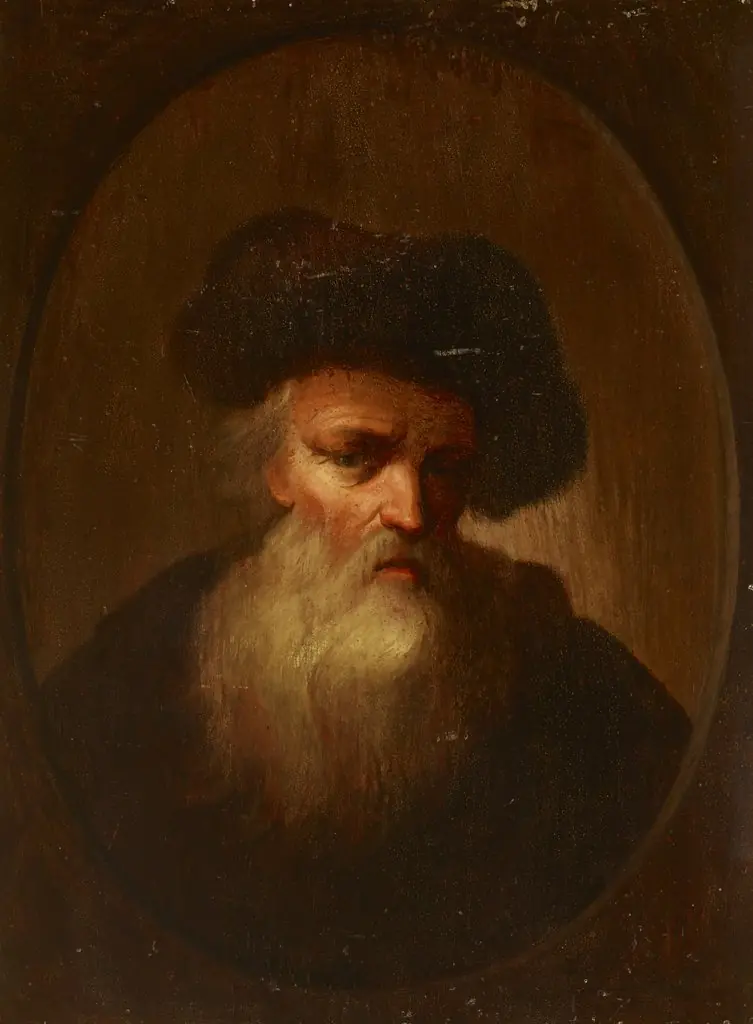
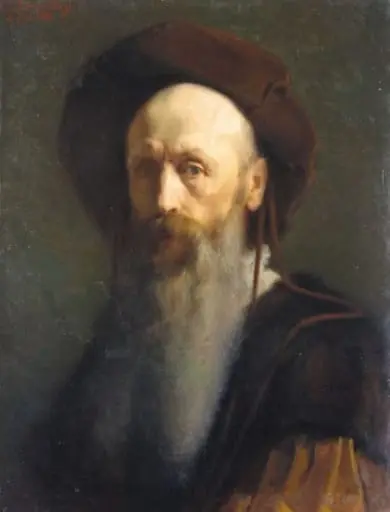
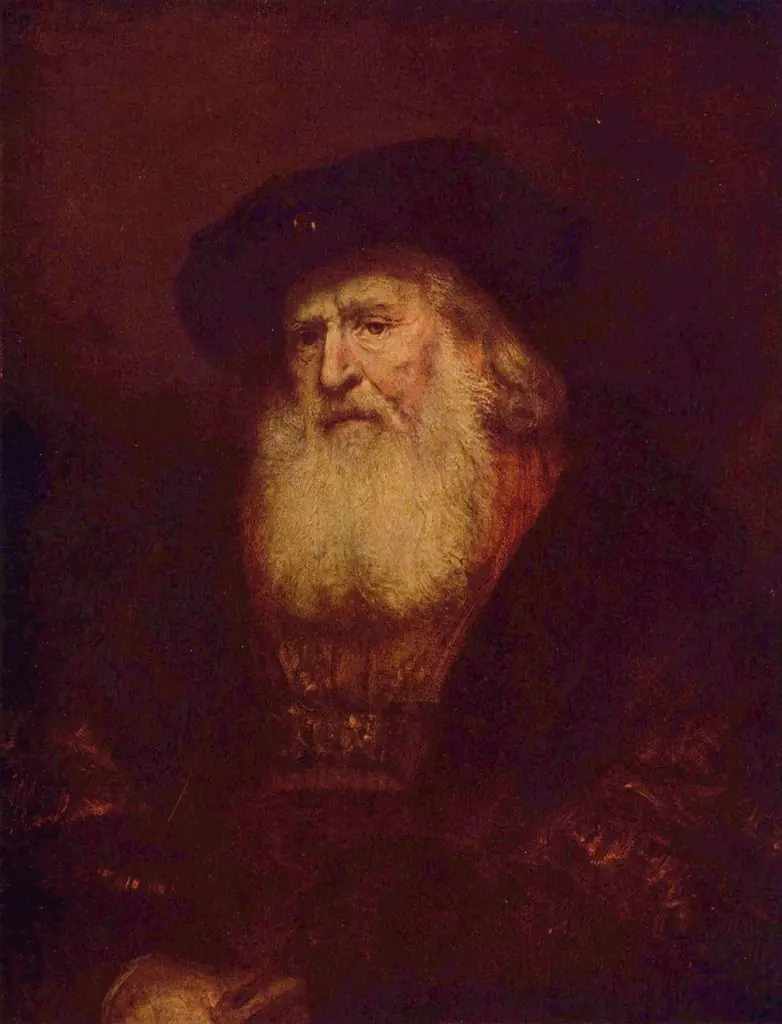
Self-portrait is an oil painting by the Realist artist Charles Loring Elliott. It dates from 1860 and is held in the collection of the Walters Art Museum.
About this work
Overview
Charles Loring Elliott's 1860 self-portrait is an oil painting that reflects the Realism movement. As a prominent portraitist, Elliott's work is characterized by its attention to detail and realistic depiction of subjects. This piece, featuring the artist himself, is part of the Walters Art Museum's collection.
Subject & Meaning
The painting portrays Elliott with a long white beard, dark hair, a black hat, and a brown coat with red sleeve stripes, set against a muted gray background. His gaze is directed to the right, conveying a sense of introspection. The formal attire and overall composition suggest a balance between professionalism and personal contemplation.
Technique & Style
Elliott's use of oil paint and adherence to Realism result in a detailed, lifelike representation. The muted color palette, with the subtle contrast of red stripes against a gray backdrop, contributes to a somber, reflective atmosphere. The employment of chiaroscuro techniques enhances the depth and volume of the subject.
History & Provenance
Created in 1860, the self-portrait is part of Elliott's body of work following his 1845 move to New York City to establish himself professionally. A year after his relocation, in 1846, Elliott was elected to the National Academy of Design, recognizing his skill as a portraitist. The piece is now held in the Walters Art Museum's collection.
Context
Elliott's work, including this self-portrait, was influenced by the Realism movement prevalent during the mid-19th century. This movement emphasized accurate and detailed representations of life, which is reflected in the painting's realistic depiction of the artist.
Artist & collection

Artist
Charles Loring Elliott (1812 – 1868) was an American painter known for his portraits.