Artwork
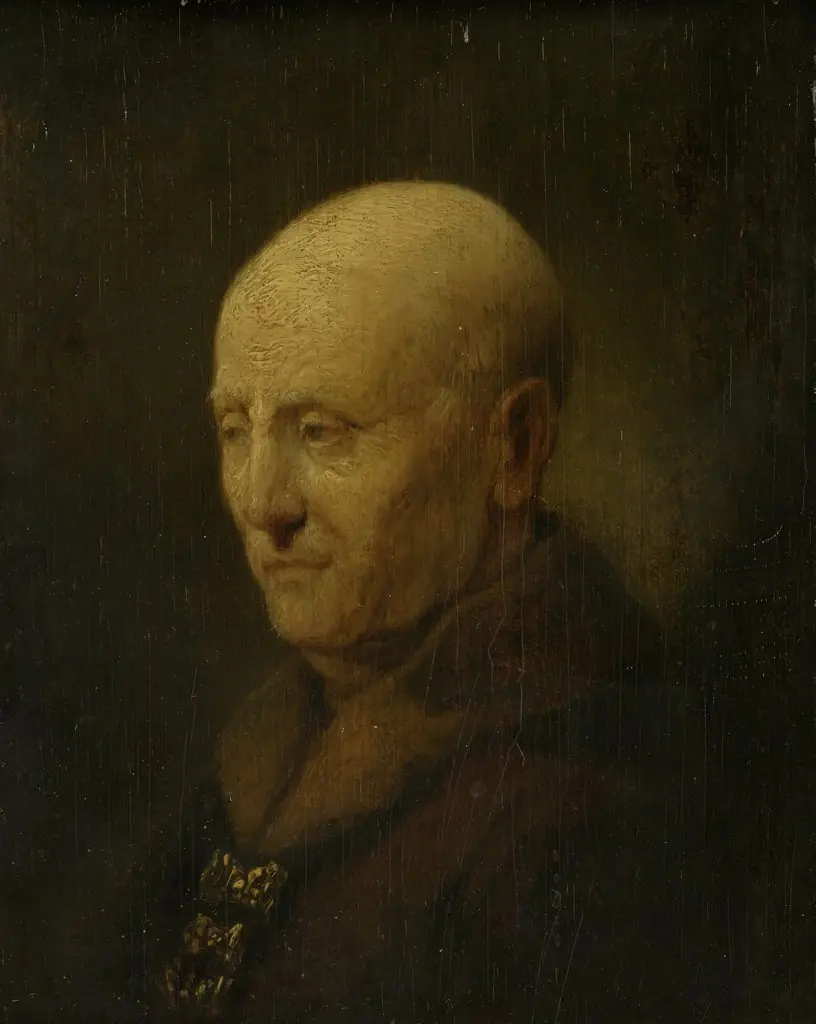
Portrait of an Old Man
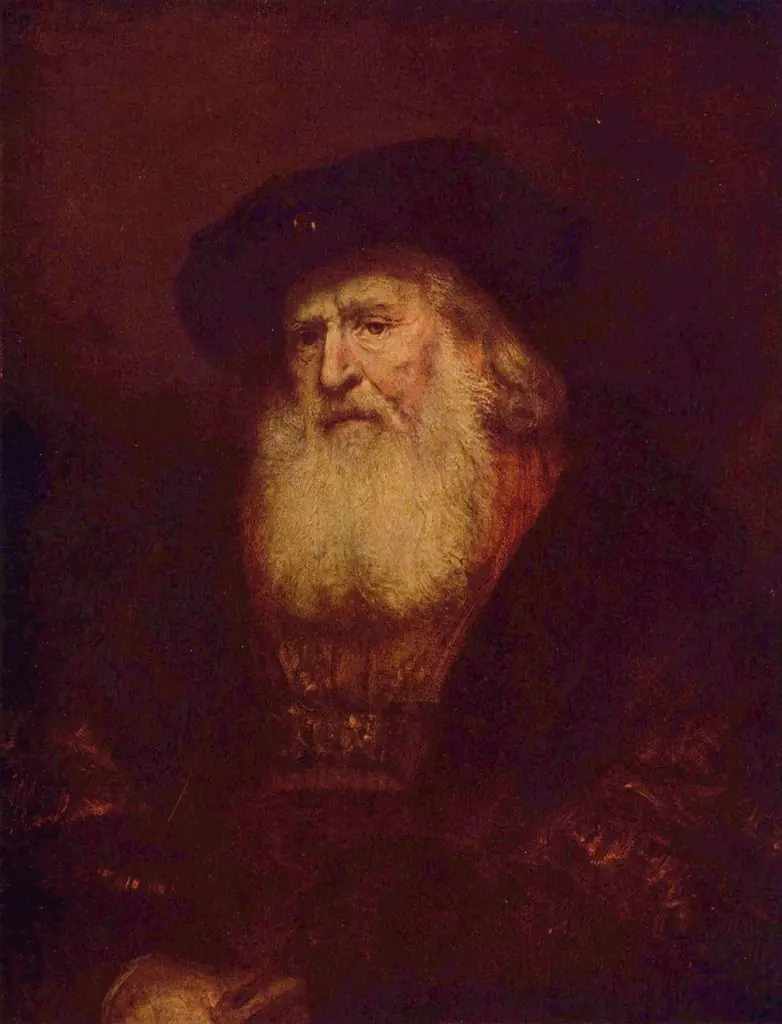
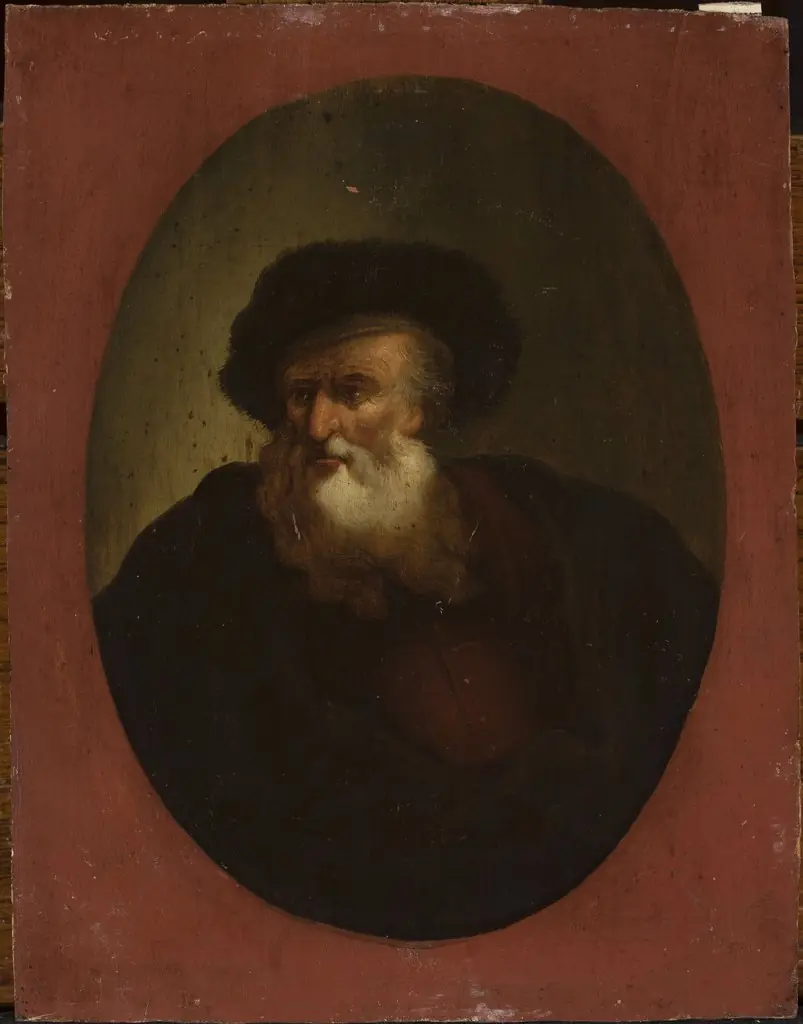
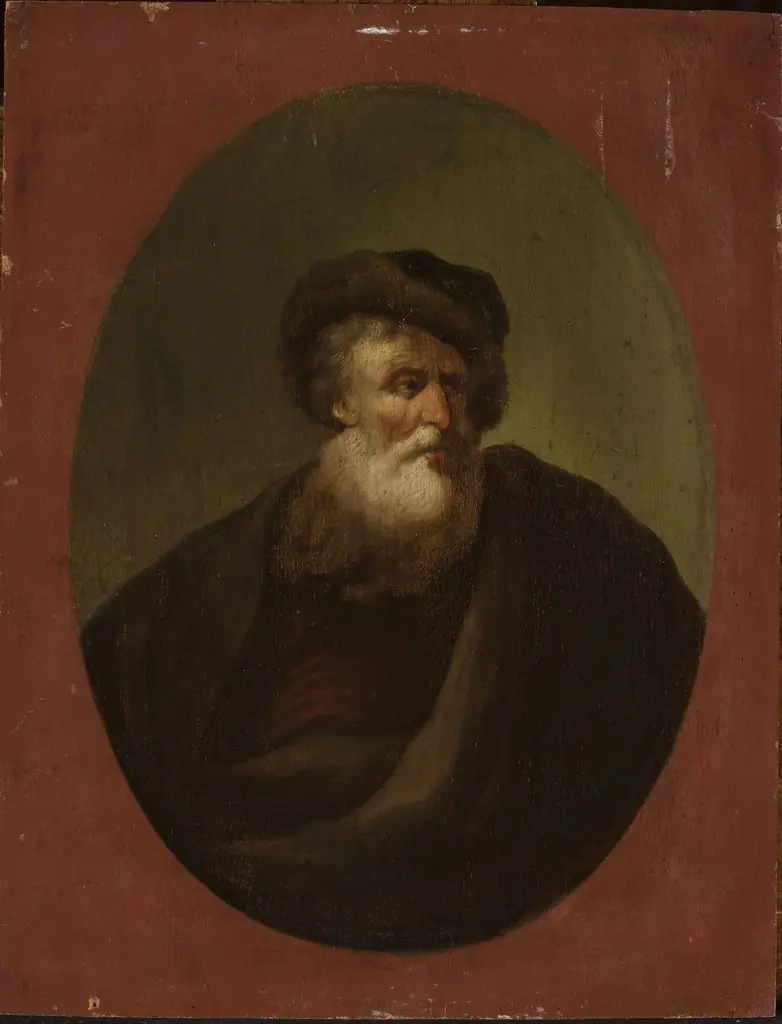
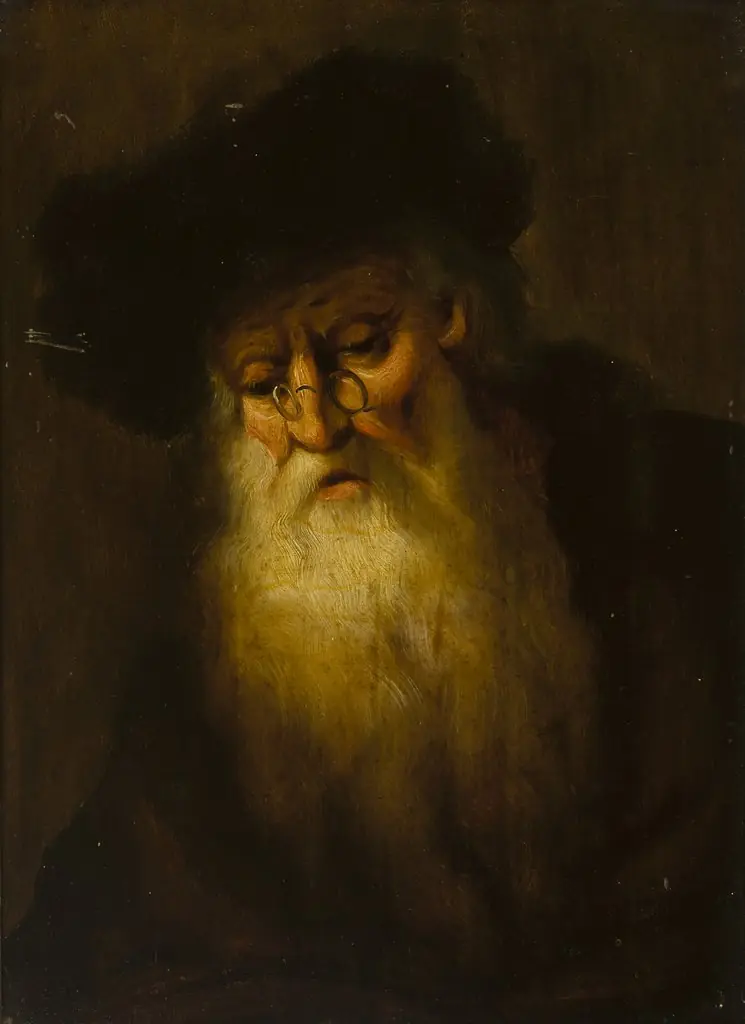
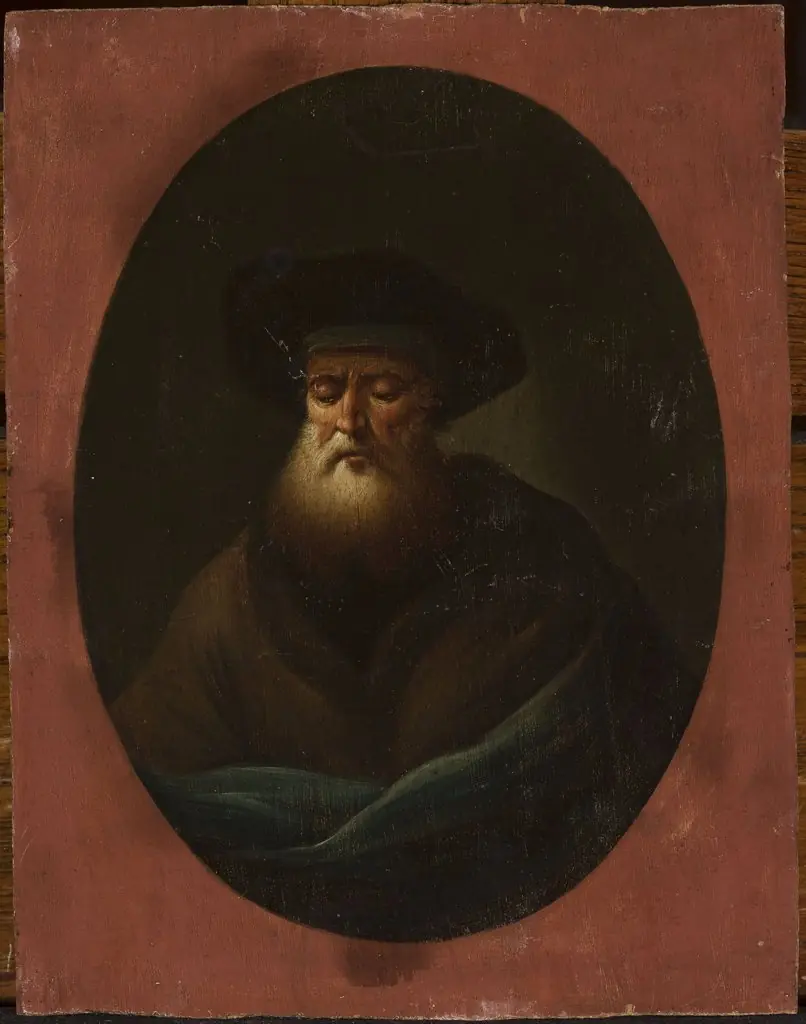
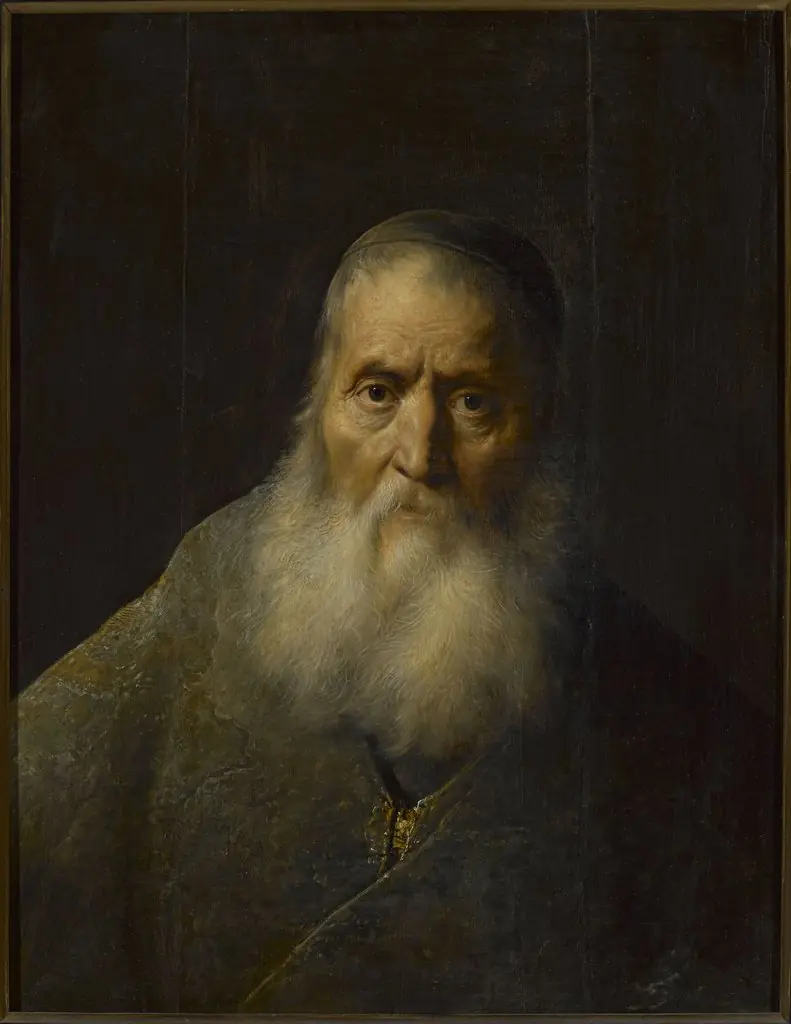
Portrait of an Old Man is an oil painting by the Rococo painting artist Christian Wilhelm Ernst Dietrich. It dates from 1753 and is held in the collection of the National Museum in Kraków.
About this work
Overview
Dietrich, active in Germany during the Rococo era, was more noted for his skill in replicating historical styles than for forging a unique artistic voice.
Painted around 1753, this oil portrait by Christian Wilhelm Ernst Dietrich depicts an elderly man with quiet intensity. Dietrich, active in Germany during the Rococo era, was more noted for his skill in replicating historical styles than for forging a unique artistic voice. The work belongs to the portrait tradition and is part of the National Museum in Kraków’s collection, where it remains a quiet example of 18th-century observational painting.
Subject & Meaning
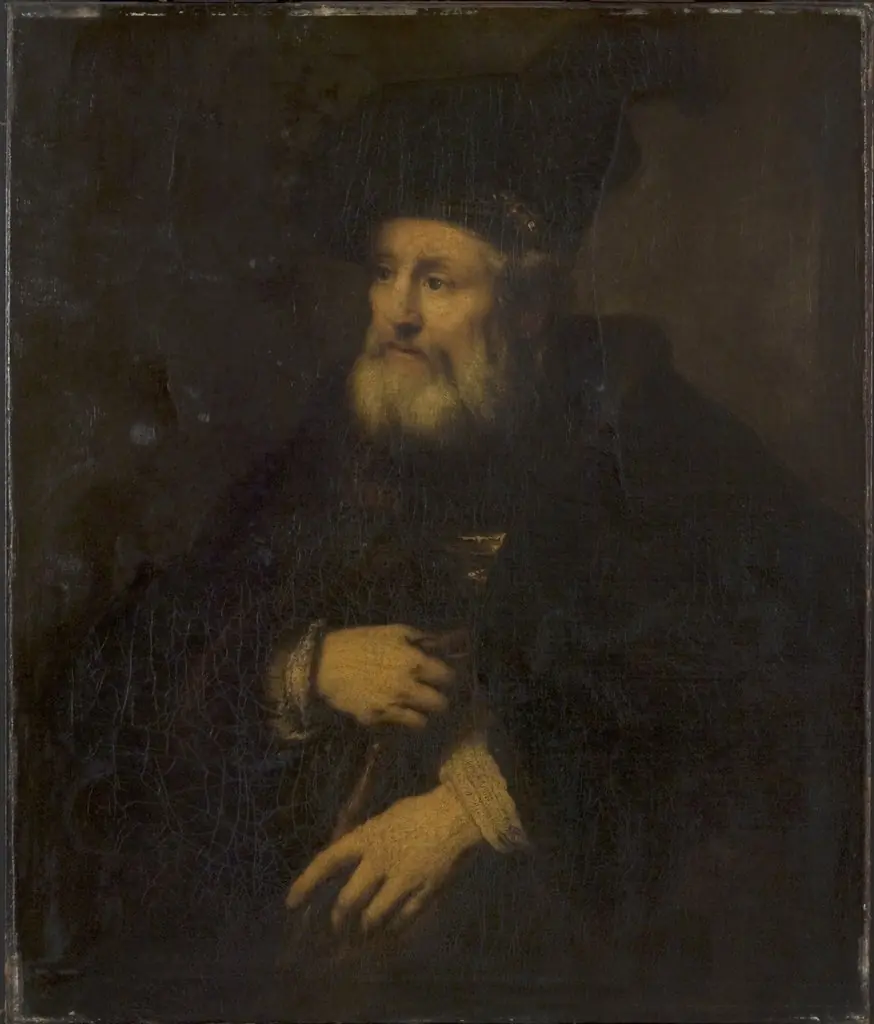
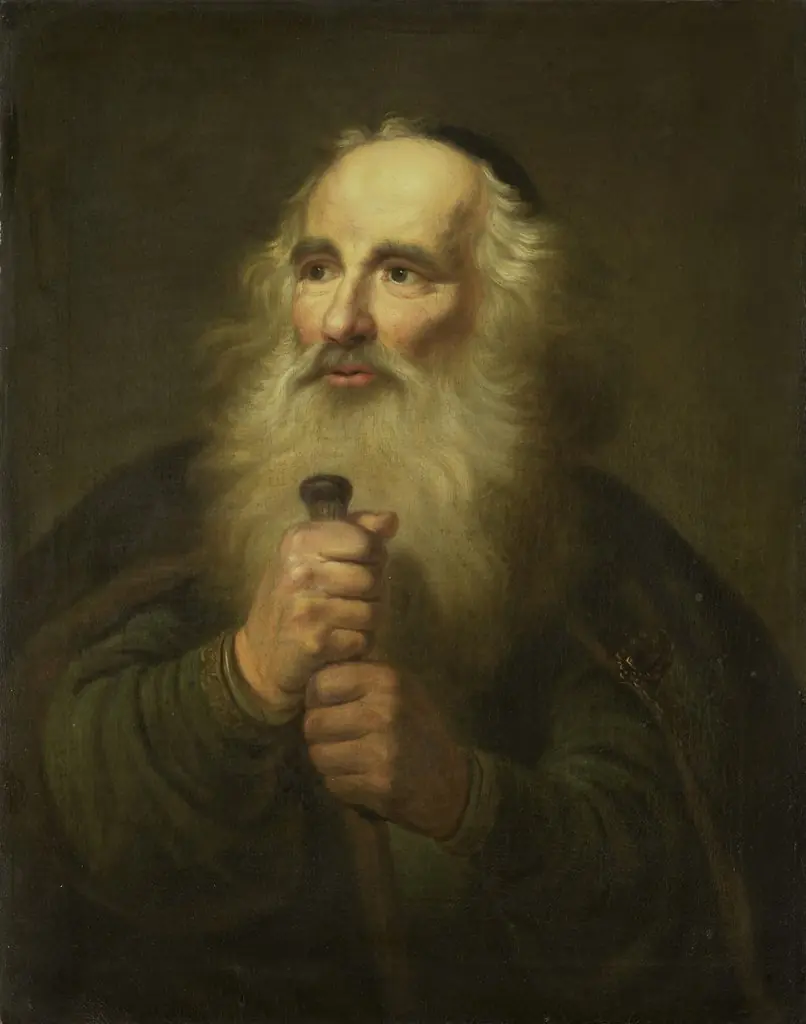
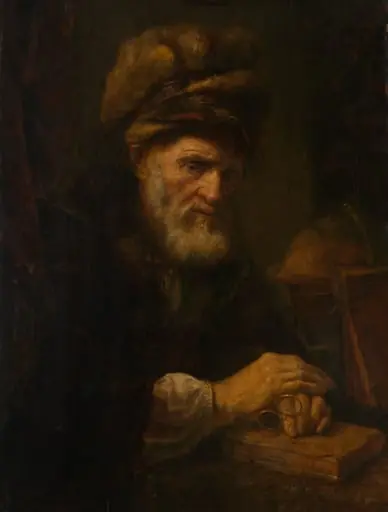
The subject is an aging man, his face marked by deep wrinkles and a long white beard, dressed in somber dark garments. His gaze, turned slightly away from the viewer, suggests introspection rather than engagement. The absence of identifying symbols or context implies a focus on character rather than status, emphasizing the dignity of ordinary age over social distinction.
Technique & Style
Dietrich employed a restrained palette dominated by dark tones, using subtle gradations of shadow to model the face with precision. The lighting isolates the man’s features against an indistinct background, drawing attention to the texture of skin and the soft fall of light across his brow and cheek. Brushwork is controlled, prioritizing realism over ornamentation, reflecting a deliberate adherence to earlier Dutch and German portraiture traditions.
History & Provenance
The painting’s early ownership is undocumented, but it entered the National Museum in Kraków’s holdings in the 19th century, likely as part of a broader acquisition of Central European artworks. Its attribution to Dietrich is based on stylistic analysis and documentary records of his known output. No significant alterations or restorations are recorded, preserving its original condition.
Context
Created during the height of the Rococo, a period often associated with elegance and ornament, this portrait stands apart in its austerity. While contemporaries favored decorative flourishes, Dietrich’s focus on quiet realism aligns more closely with the northern European tradition of psychological portraiture, suggesting a deliberate counterpoint to prevailing trends.
Legacy
Though Dietrich did not pioneer a new style, his ability to channel the techniques of past masters ensured his works remained relevant in collections. This portrait, like others by him, serves as a testament to the enduring value of observational precision in portraiture, offering insight into how 18th-century artists engaged with historical models without seeking personal innovation.
Artist & collection
Artist
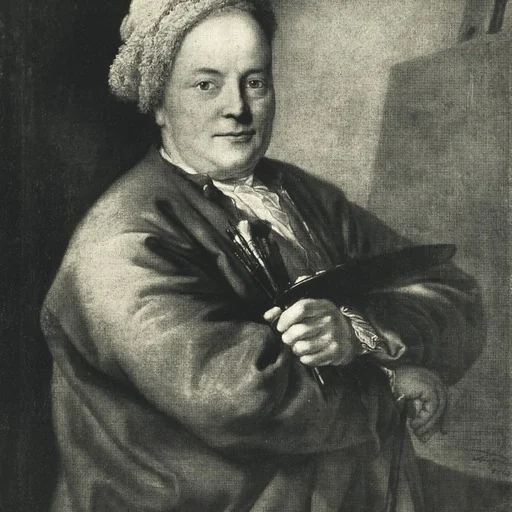
Christian Wilhelm Ernst Dietrich
Christian Wilhelm Ernst Dietrich (30 October 1712 – 23 April 1774) was a German painter and art administrator. In his own works, he was adept at imitating many earlier artists, but never developed a style of his own.