Artwork
The Roll Call of the Last Victims of the Terror
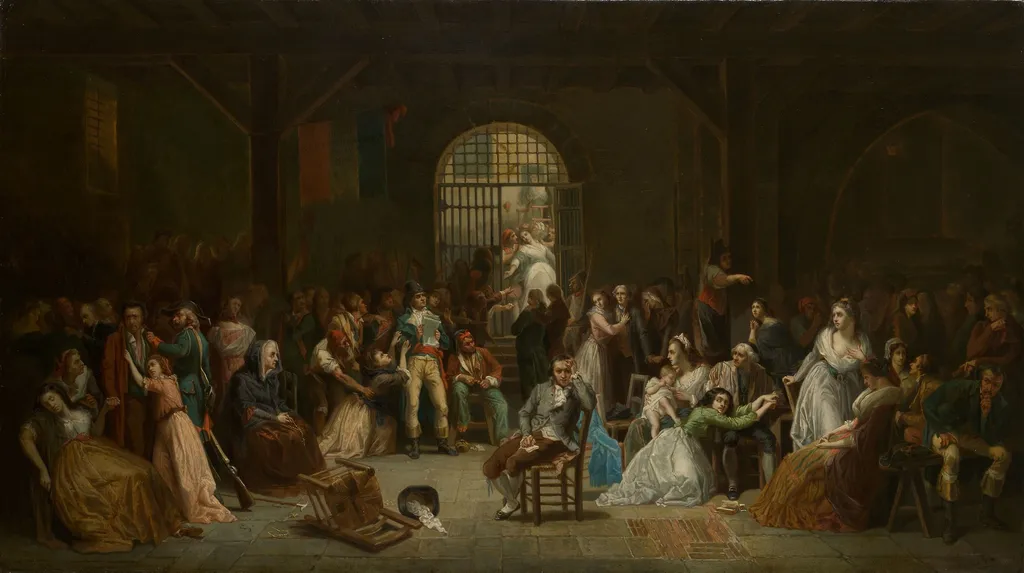
The Roll Call of the Last Victims of the Terror is an oil painting by the French Romanticist artist Charles Louis Müller. It dates from 1850 and is held in the collection of the Art Institute of Chicago.
About this work
Overview
The painting is part of the permanent collection at the Art Institute of Chicago, where it remains a quiet testament to revolutionary trauma.
Painted around 1850 by Charles Louis Müller, a Parisian artist of the 19th century, this oil-on-canvas work captures a moment from the French Revolution’s Reign of Terror. Executed in the Romantic tradition, it reflects a period of intense historical reflection in France. The painting is part of the permanent collection at the Art Institute of Chicago, where it remains a quiet testament to revolutionary trauma.
Subject & Meaning
The scene portrays a group of individuals gathered in a confined, dim space, likely awaiting execution. A central figure sits in a chair, surrounded by others in varied dress, suggesting a cross-section of society. The barred window in the background hints at imprisonment, while the somber expressions and hushed postures convey collective grief. The work does not dramatize violence but instead emphasizes the weight of impending loss.
Technique & Style
Müller employs oil paint to build a muted, atmospheric tone, using deep shadows and limited light to isolate figures within the space. The brushwork is controlled, favoring emotional resonance over dramatic flourish. The composition directs attention to the seated man, while the surrounding figures form a loose, naturalistic circle, reinforcing the intimacy and gravity of the moment. The palette is restrained, dominated by browns, grays, and muted blacks.
History & Provenance
Created in the mid-19th century, the painting emerged during a time when France was reevaluating its revolutionary past. Müller, though not a major public figure, produced works engaged with national memory. The painting entered the Art Institute of Chicago’s collection in the 20th century, where it has remained in public view, offering viewers a contemplative encounter with a turbulent era.
Context
The French Revolution’s Terror, lasting from 1793 to 1794, claimed tens of thousands of lives through state-sanctioned executions. By the 1850s, artists and writers were revisiting this period with a mix of horror and melancholy. Müller’s painting aligns with Romanticism’s interest in human suffering and historical reckoning, avoiding political commentary in favor of emotional atmosphere.
Legacy
Though not widely exhibited outside institutional settings, the painting endures as a quiet meditation on collective trauma. It contributes to a broader 19th-century artistic effort to memorialize the Revolution’s victims without glorifying or condemning the events. Its presence in Chicago’s collection ensures continued access to a nuanced, non-sensationalized portrayal of revolutionary violence.
Artist & collection
Artist
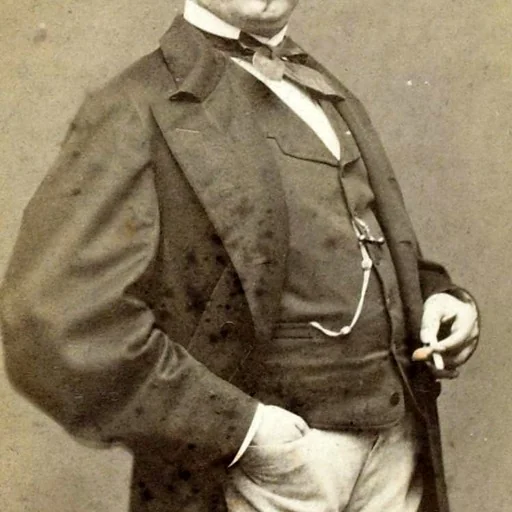
Charles Louis Müller (Paris 22 December 1815 – 10 January 1892 Paris), also known as Müller de Paris, was a French painter.

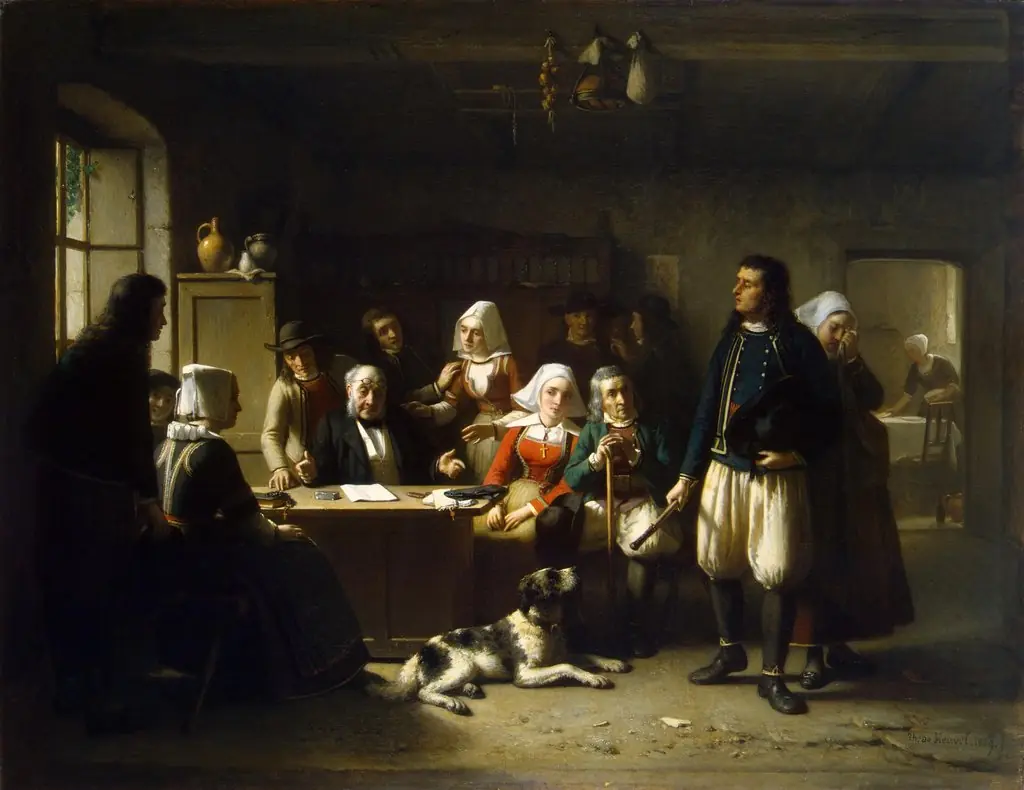 After the Unsealing of the Will
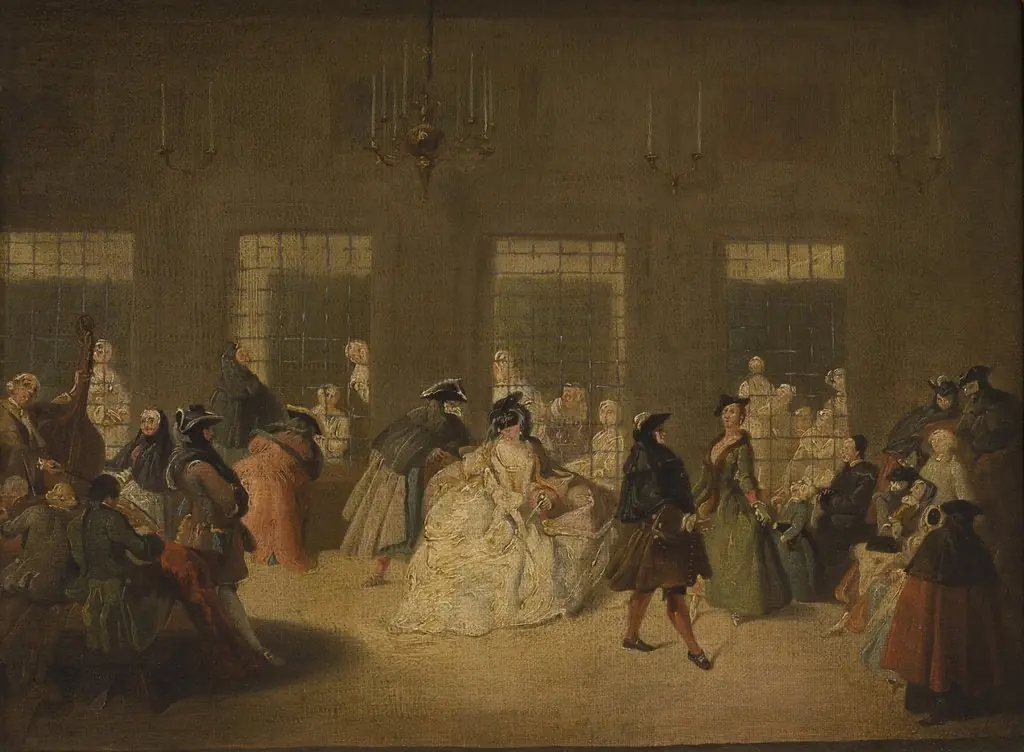 Theme from the Venetian Carnival – In the Parlatory of the Monastery
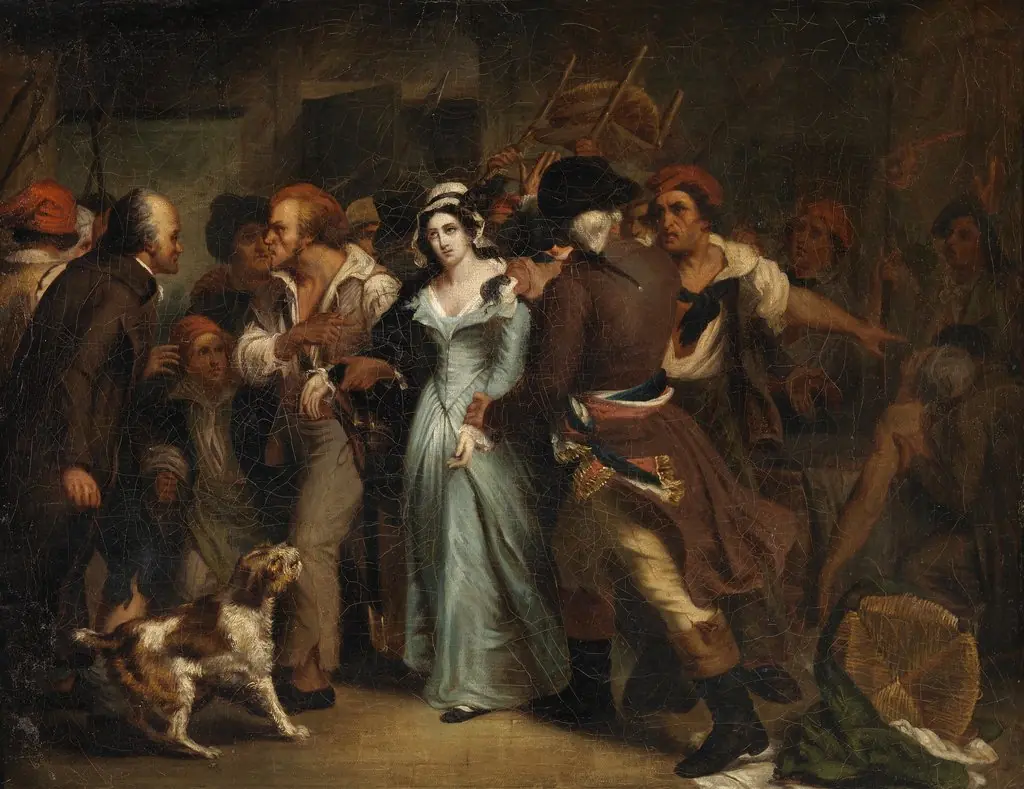 The Arrest of Charlotte Corday
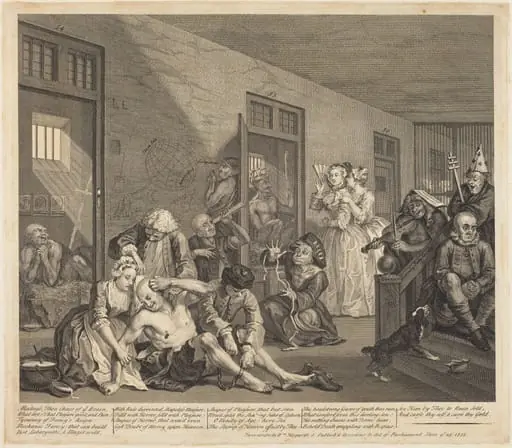 A Rake's Progress: pl.8
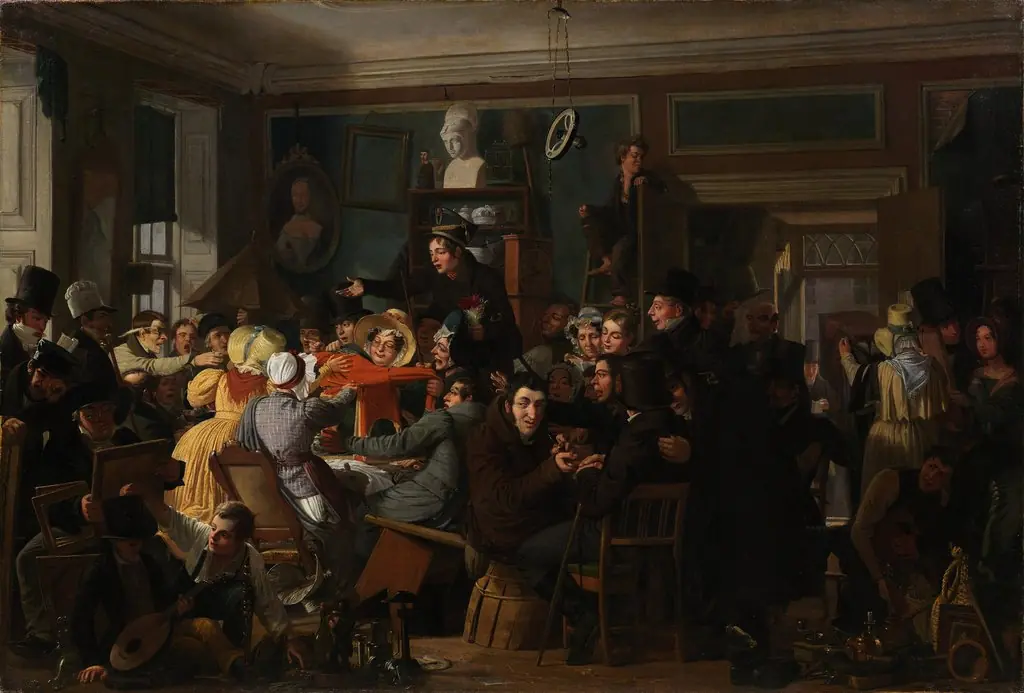 Auction Scene
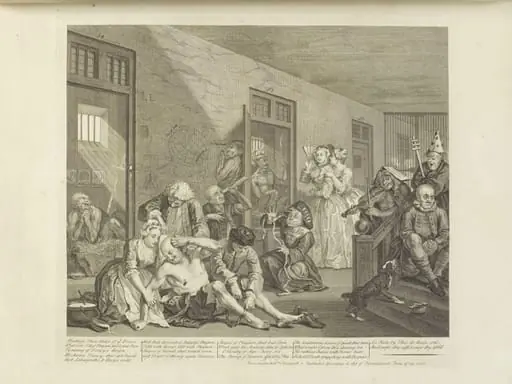 The Rake's Progress
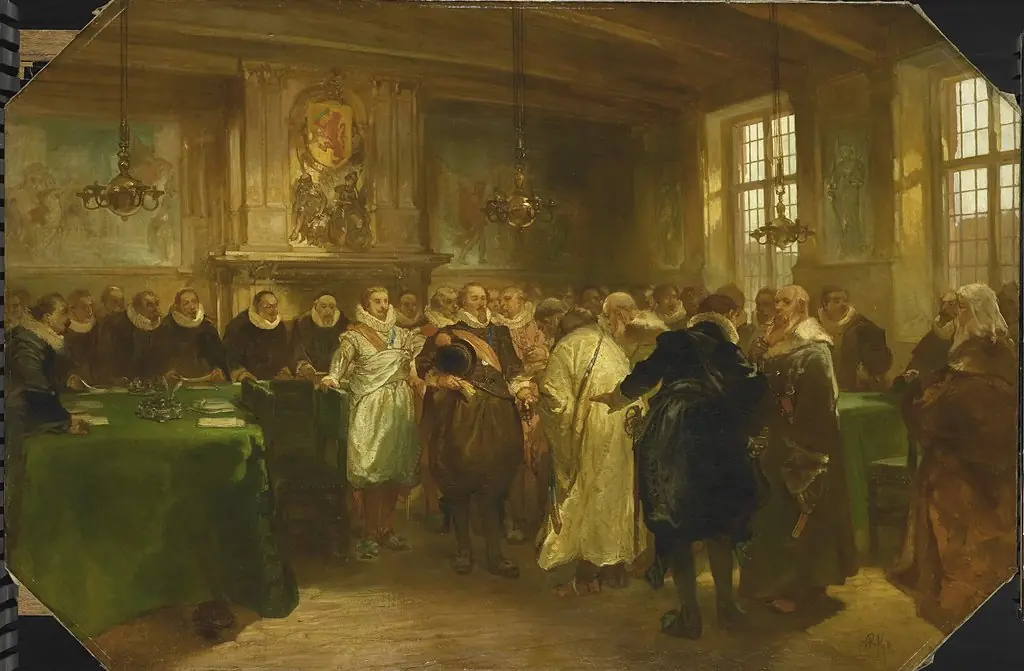 Prince Maurits Receiving a Russian Delegation in 1614
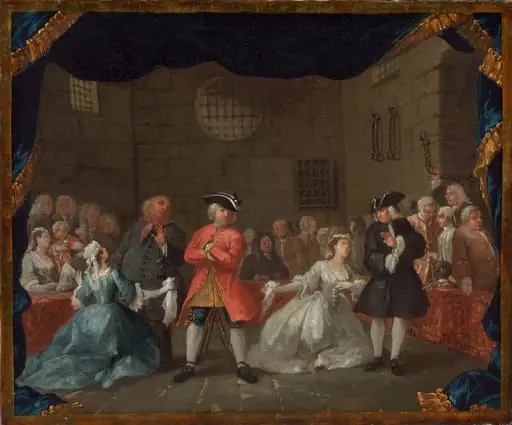 A Scene from The Beggar's Opera
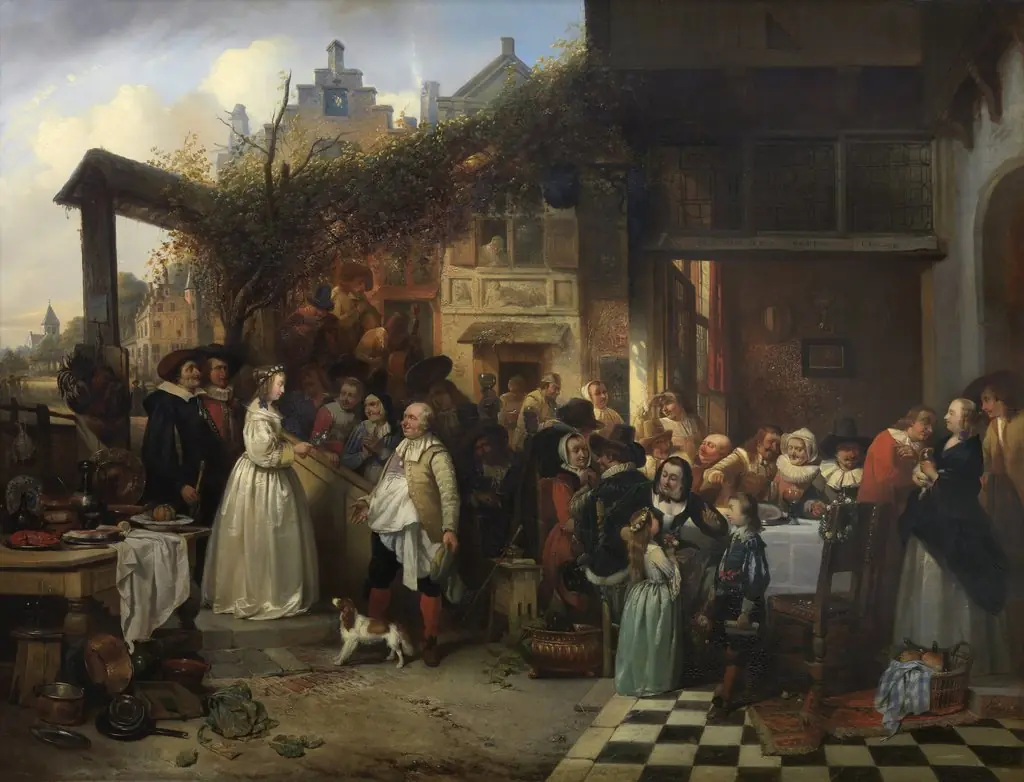 Wedding in Flanders in the Seventeenth Century
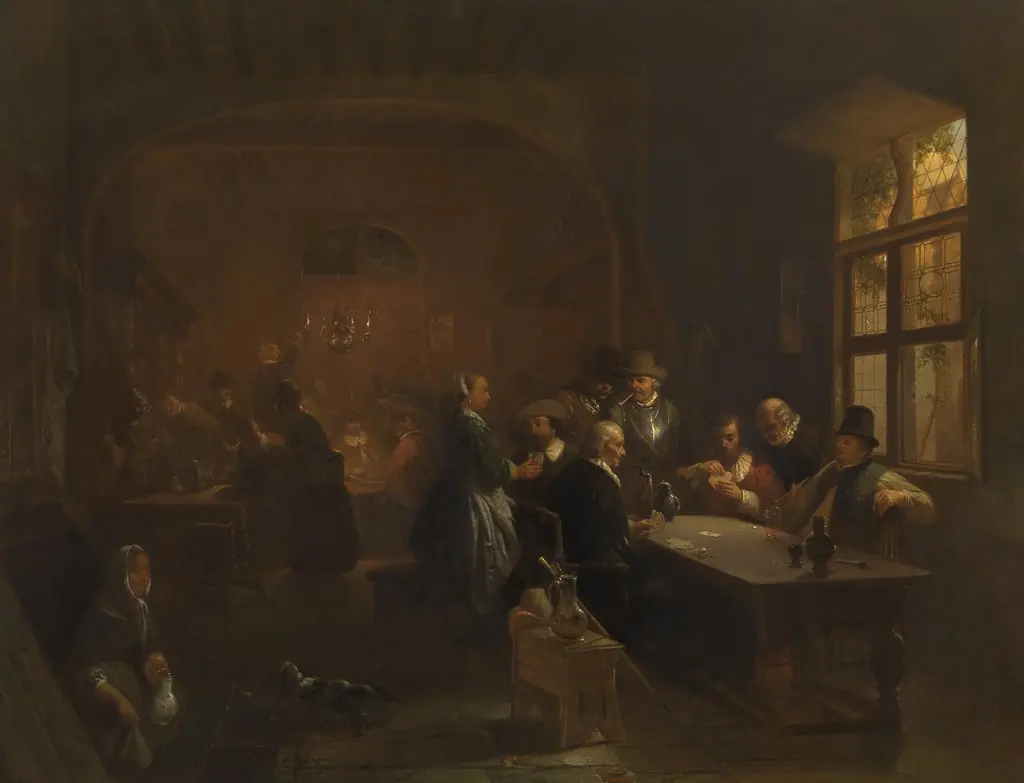 The Inn
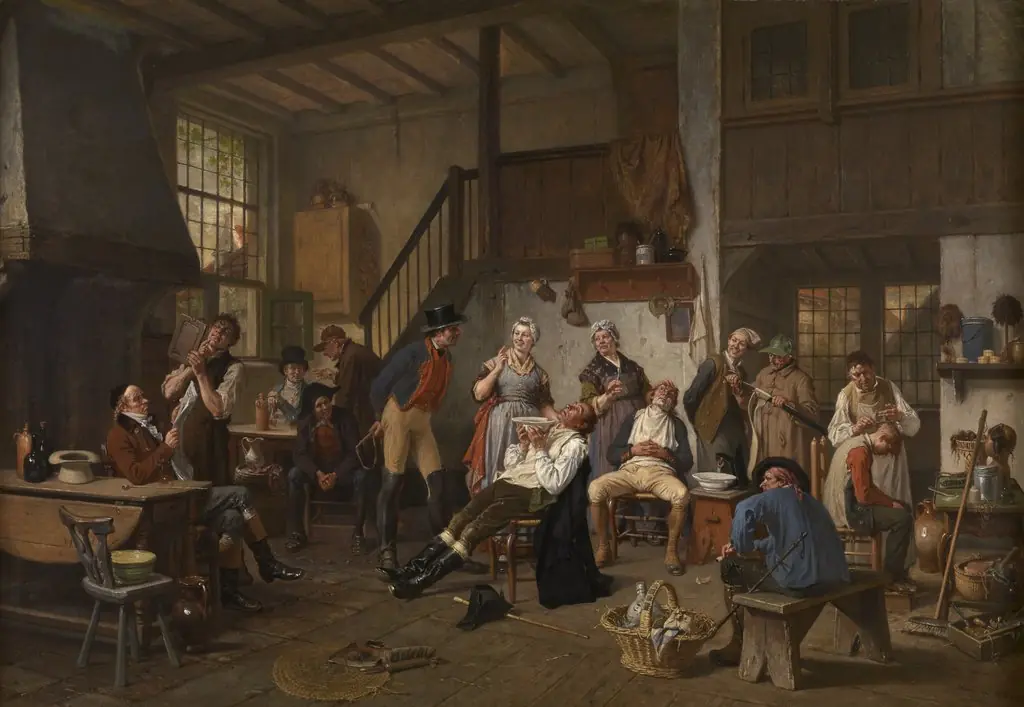 Shaving Day