Artwork
After the Unsealing of the Will
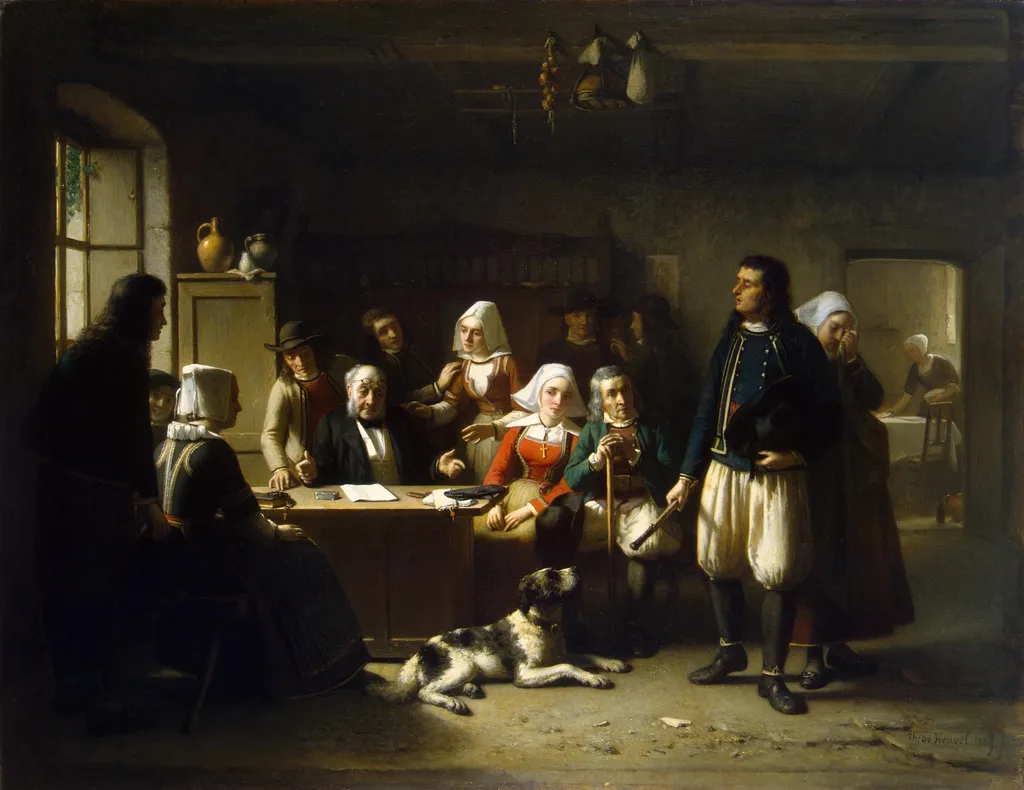
After the Unsealing of the Will is an oil painting by the Realist artist Théodore Bernard De Heuvel. It dates from 1869 and is held in the collection of the Hermitage Museum.
About this work
Overview
Painted in 1869 by Théodore Bernard De Heuvel, this oil on canvas work depicts a quiet, tense moment following the reading of a legal document. The scene unfolds in a modest interior with rough stone walls and an earthen floor. The painting is part of the State Hermitage Museum’s collection, where it remains as a quiet example of 19th-century narrative realism.
Subject & Meaning
A group of individuals gathers around a table, their focus fixed on documents laid before them. The central figure, dressed in dark clothing and holding a hat and cane, stands apart, suggesting authority or emotional distance. The presence of a dog at his feet and the solemn expressions of the others imply a moment of legal or familial consequence, likely the aftermath of a will’s announcement.
Technique & Style
De Heuvel employs chiaroscuro to define forms and direct attention toward the table and its central documents. The lighting is low and directional, casting deep shadows across the stone walls and floor. Figures are rendered with restrained detail, emphasizing mood over individual expression. The palette is muted, dominated by browns, grays, and blacks, reinforcing the gravity of the moment.
History & Provenance
The painting was completed in 1869 and entered the collection of the State Hermitage Museum in Saint Petersburg, though its path to the museum is not publicly documented. It has remained in the institution’s holdings since at least the late 19th century, with no record of public exhibition or significant scholarly attention beyond its cataloging.
Context
Created during a period when European artists increasingly turned to domestic and legal dramas for subject matter, the painting reflects a broader interest in the emotional weight of everyday rituals. De Heuvel’s focus on a private, uneventful moment aligns with trends in Dutch and Belgian genre painting of the time, though his approach remains understated and untheatrical.
Legacy
The work has not entered broader art historical discourse, nor has it been widely reproduced. Its significance lies in its quiet observation of human behavior under legal tension. As a lesser-known piece within the Hermitage’s collection, it offers a subtle counterpoint to the grand narratives often emphasized in 19th-century European painting.
Own this work as a print
Artist & collection
Artist
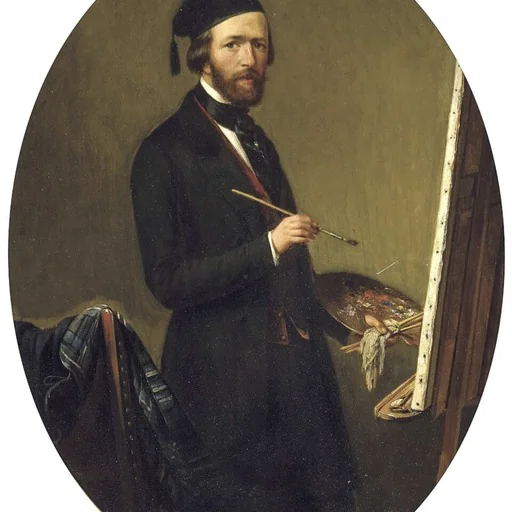
Théodore Bernard De Heuvel (1817–1905) was an artist, born in Eeklo.

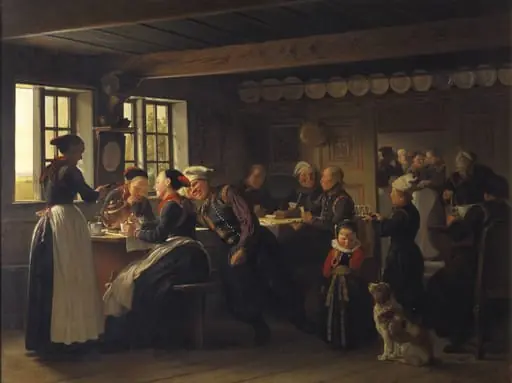 Episode af et gilde på Amager
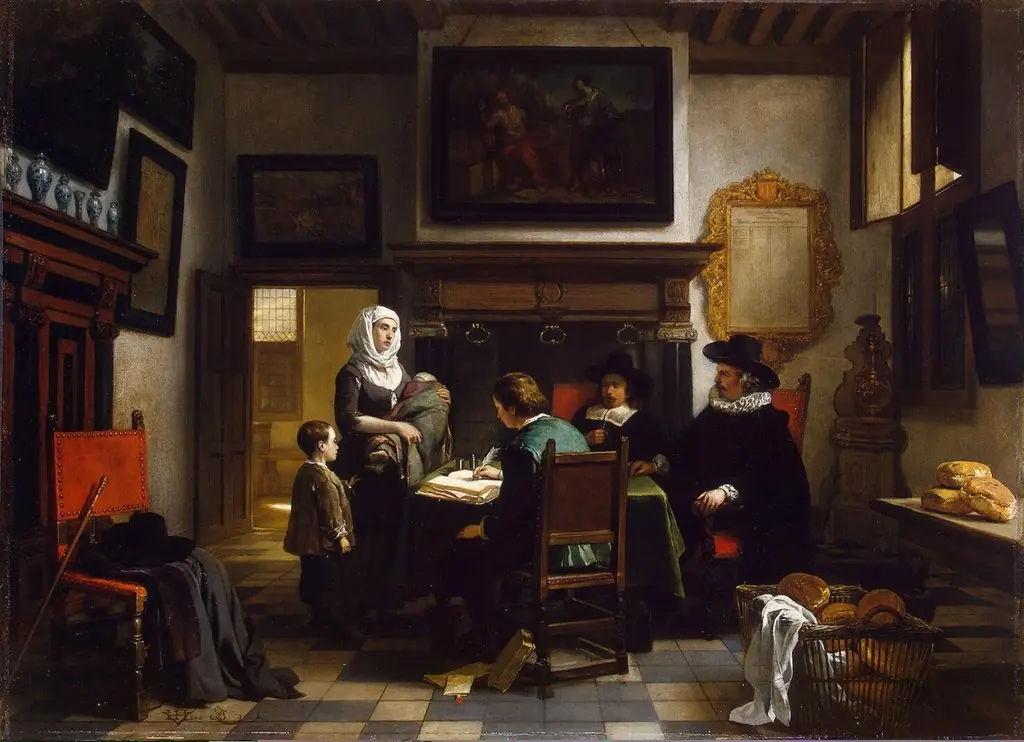 Distribution of Charity in the Alms-House
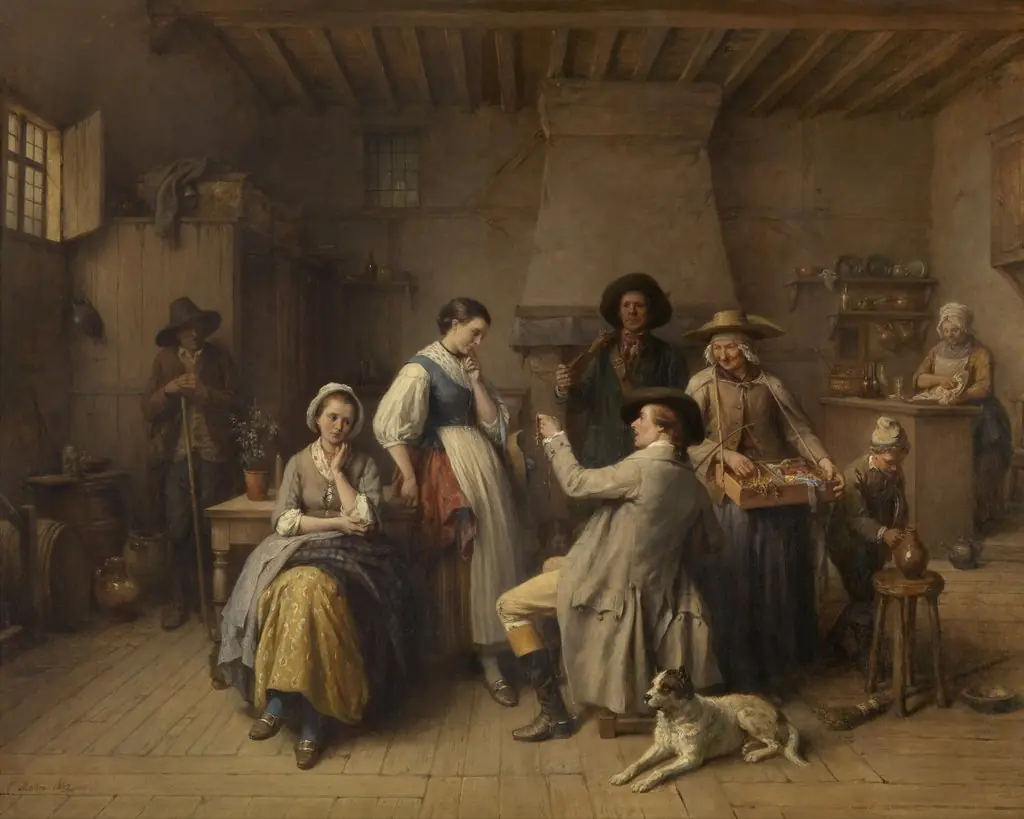 Courtesy
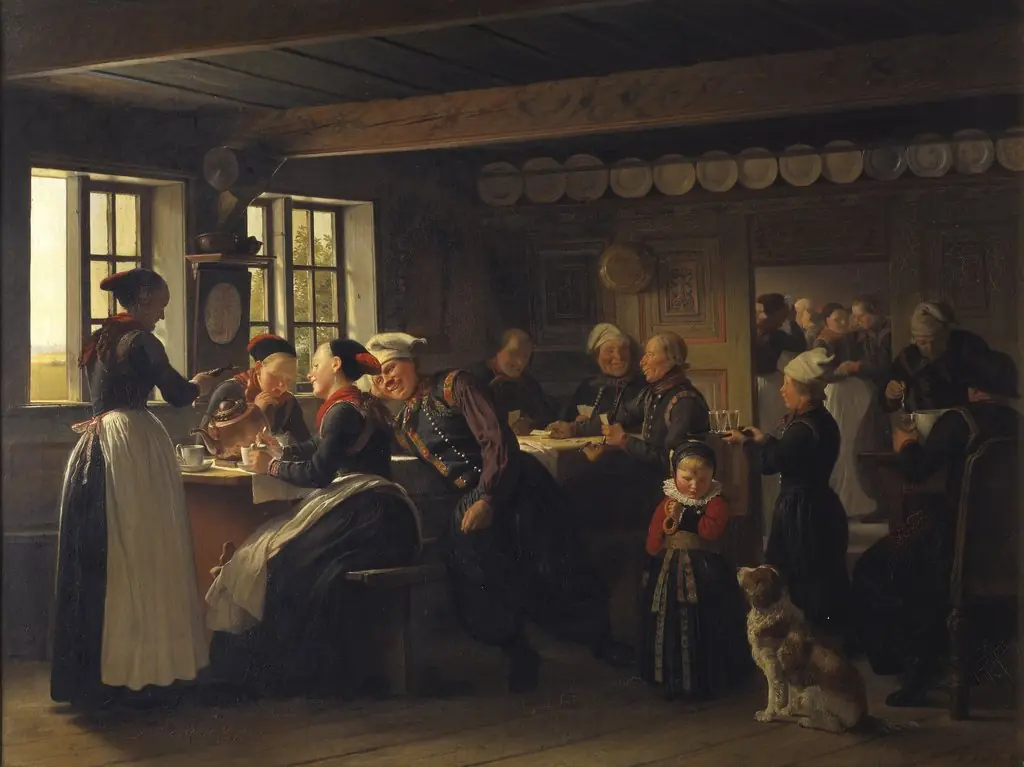 Interior with peasants from the region of Amager
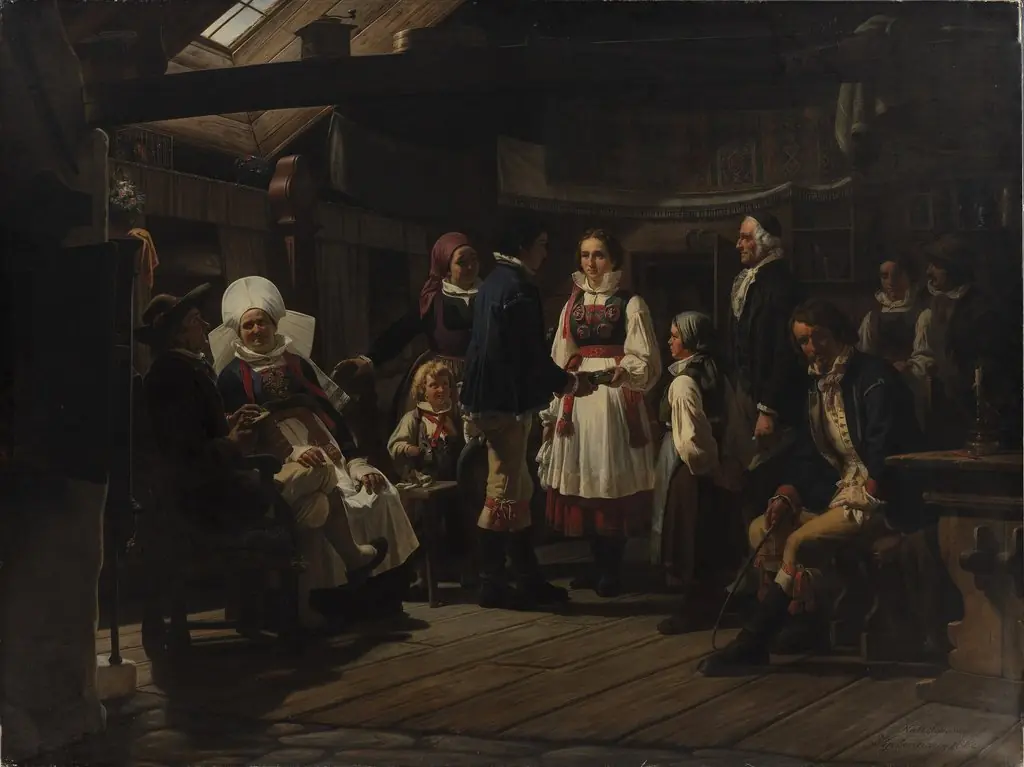 En trolovelse i Herrestad i Skåne
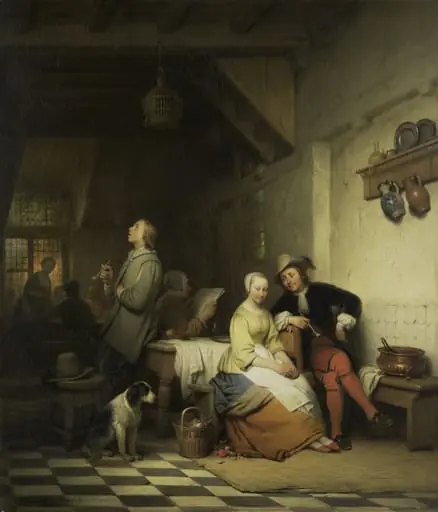 Interior of an Inn, with Figures in Seventeenth-Century Costume
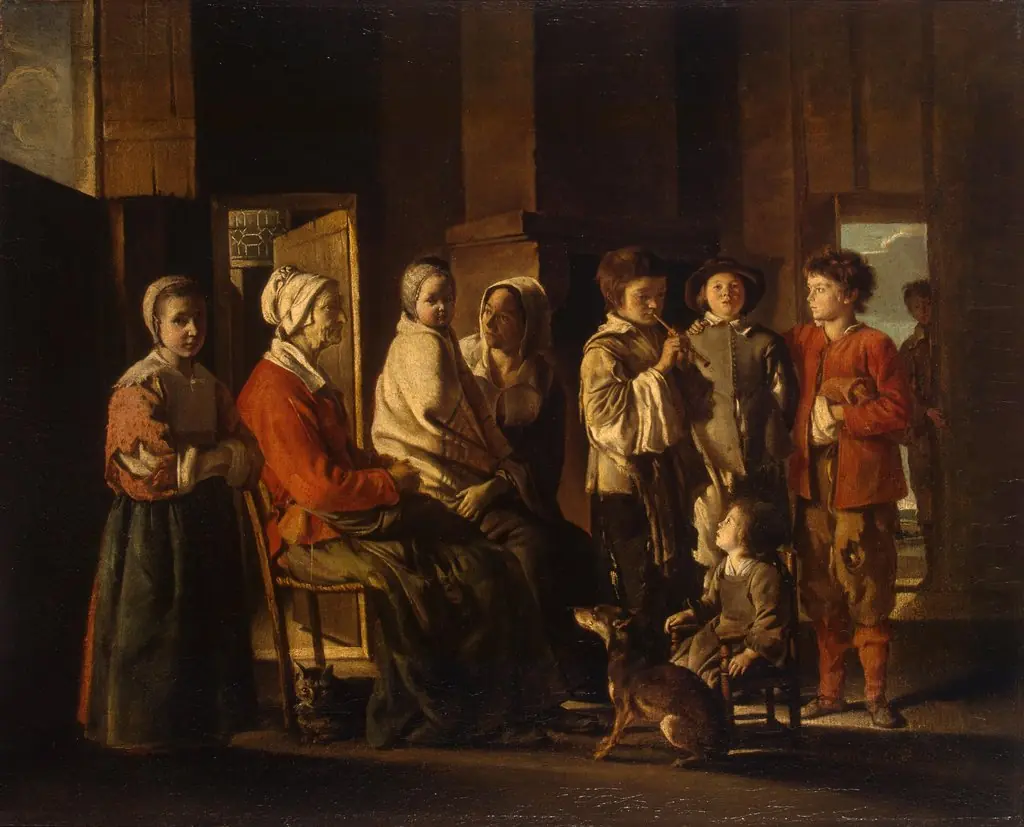 Visit to Grandmother
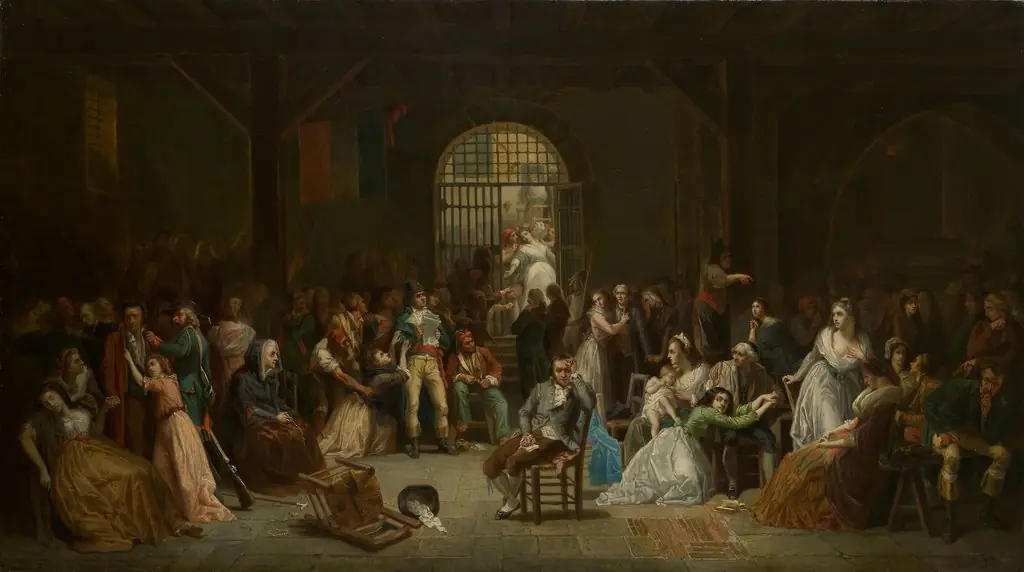 The Roll Call of the Last Victims of the Terror
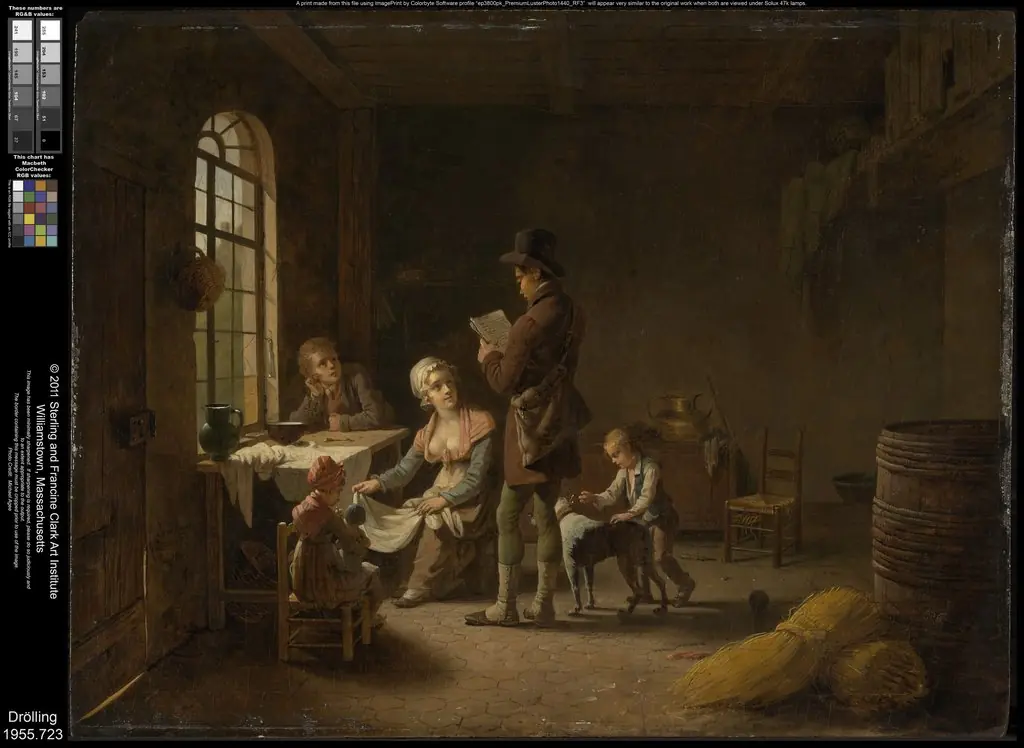 The Letter
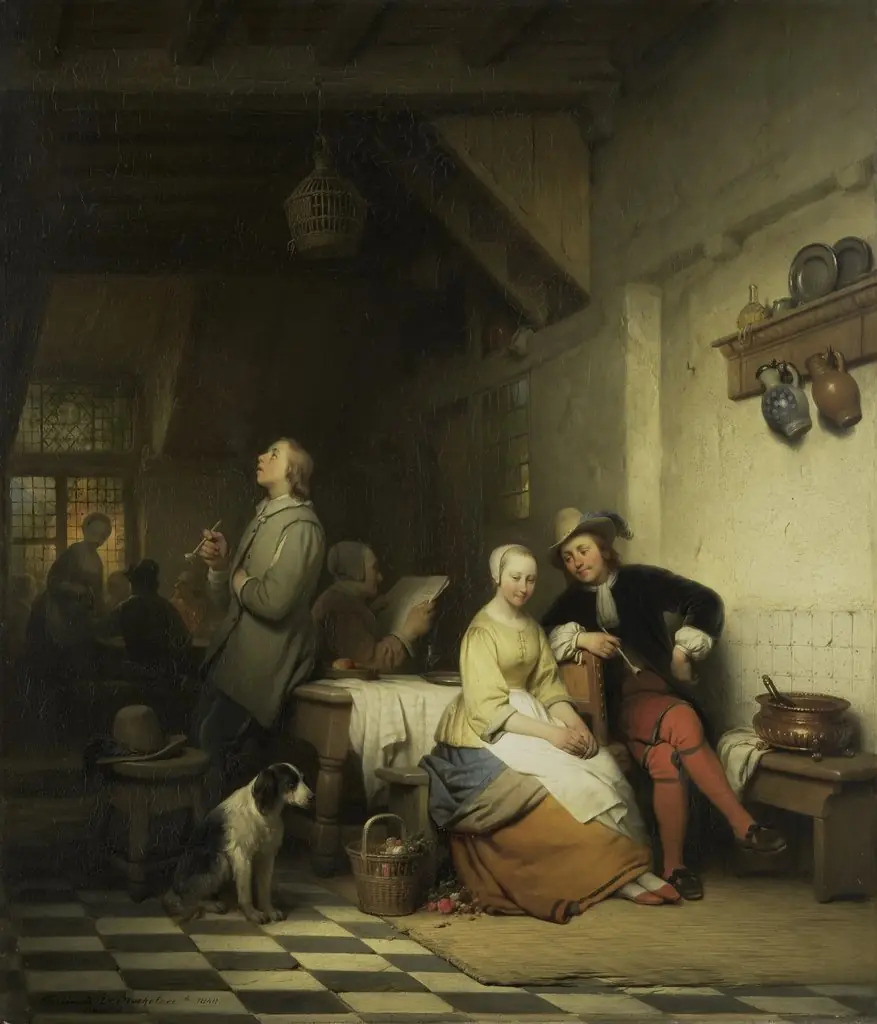 Interior of an Inn, with Figures in Seventeenth-Century Costume
 The Roll Call of the Last Victims of the Terror
 Farm interior with newspaper reader