Artwork
Young Lady (Jeune Fille)
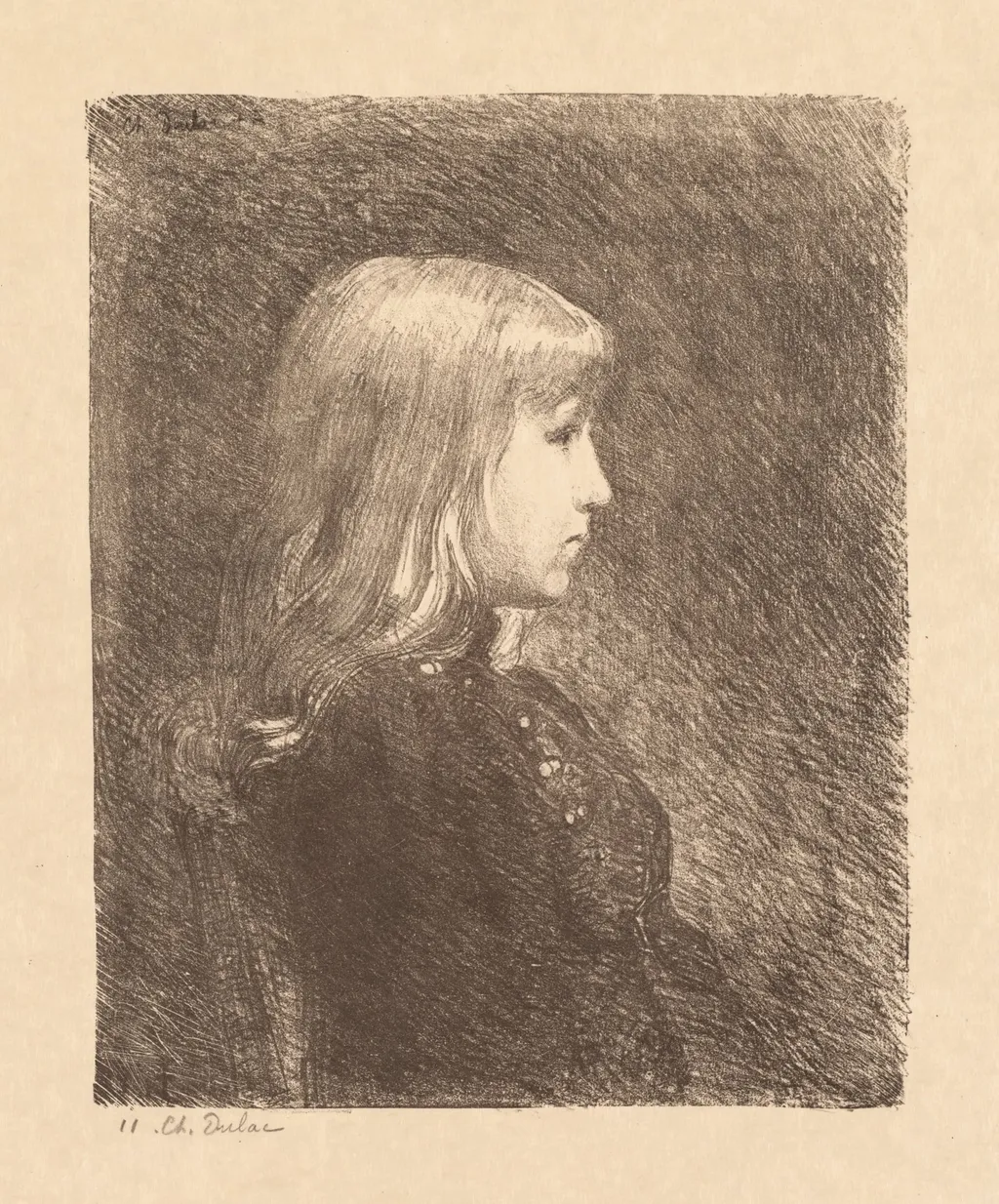
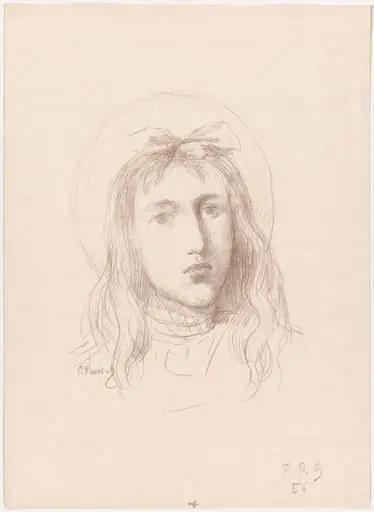
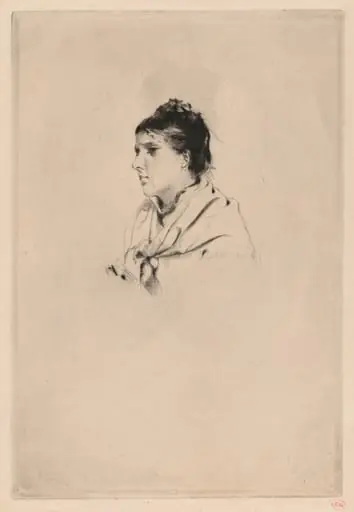
Young Lady (Jeune Fille) is a print by the Impressionist artist Charles-Marie Dulac. It dates from 1892 and is held in the collection of the Cleveland Museum of Art.
About this work
Overview
Young Lady (Jeune Fille) is a print made by Charles Marie Dulac in 1892. It is part of the collection at The Cleveland Museum of Art. The work presents a solitary female figure in a calm, introspective pose, rendered with subtle tonal gradations. Unlike oil paintings, this piece relies on the precision of printmaking to convey texture and mood, emphasizing stillness over movement.
Subject & Meaning
The absence of narrative context invites contemplation of her inner state, aligning the image with ideals of feminine serenity prevalent in the period.
The subject is a young woman, depicted with quiet dignity. Her gaze is averted slightly, suggesting inward reflection rather than engagement with the viewer. The modest dress and composed posture evoke a sense of restraint, common in late 19th-century portraiture. The absence of narrative context invites contemplation of her inner state, aligning the image with ideals of feminine serenity prevalent in the period.
Technique & Style
Dulac employed chiaroscuro through controlled contrasts in ink or tonal washes, creating volume without heavy outlines. The soft transitions between light and shadow define the contours of her face and neck, while the background remains deliberately neutral to avoid distraction. The print’s fine lines and muted palette reflect a preference for subtlety over dramatic effect, characteristic of academic printmaking at the time.
History & Provenance
The print was produced in 1892 and entered the Cleveland Museum of Art’s collection through documented acquisition. No record of prior ownership or exhibition history is widely available. As a print, multiple impressions likely existed, but the museum holds one of the known surviving versions. Its preservation reflects institutional interest in lesser-known French printmakers of the late 1800s.
Context
Created during a period when academic art still dominated European institutions, Dulac’s work aligns with the era’s emphasis on refined technique and restrained emotion. While contemporaries explored Impressionism or Symbolism, Dulac maintained a classical approach. This print reflects a quieter current in art—portraiture as psychological study, not spectacle—rooted in tradition yet attuned to intimate expression.
Legacy
Though Dulac is not widely recognized today, Young Lady (Jeune Fille) remains a representative example of late 19th-century academic printmaking. It contributes to the understanding of how portraiture functioned outside major movements, preserving a visual language of composure and understatement. The work continues to serve as a reference for studies in gender representation and print techniques of the period.
Own this work as a print
Artist & collection

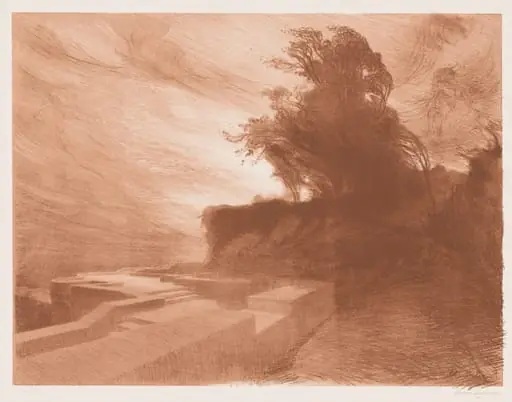 Spiritus sanctus Deus
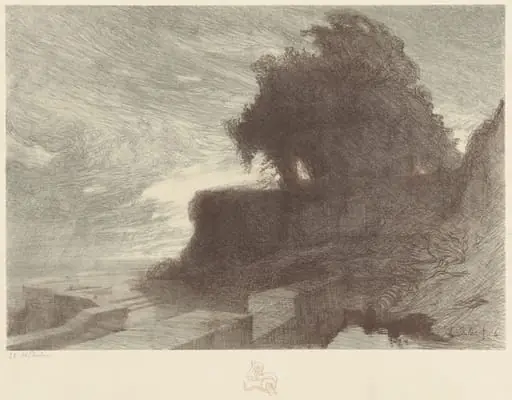 Landscape with Trees on a Bluff and a Snake Remarque
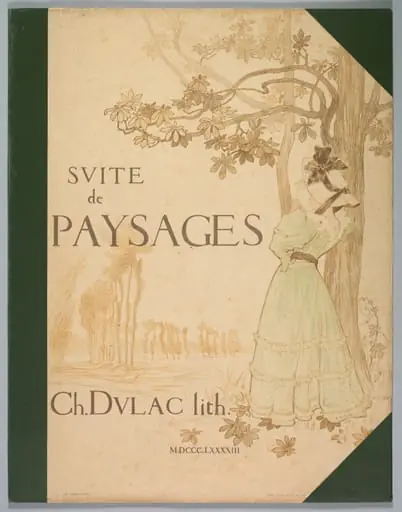 Suite de Paysages
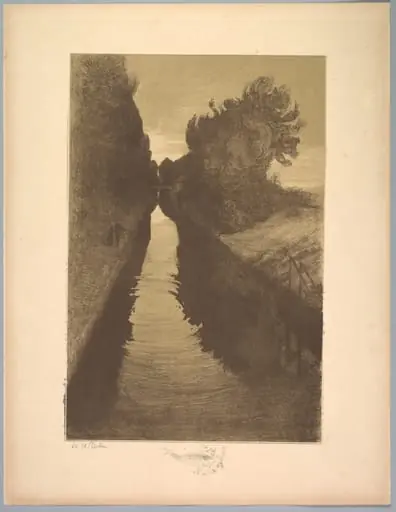 Suite de Paysages: Landscape, Plate 1, Remarque, A Fish
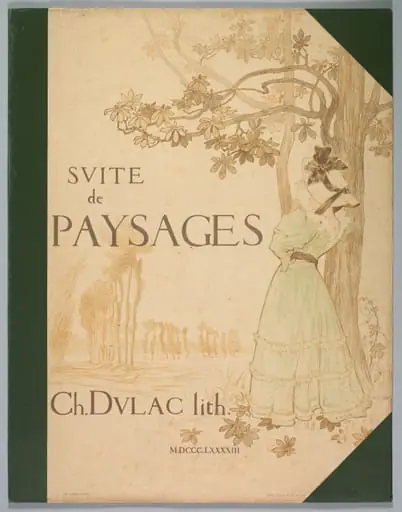 Suite de Paysages: Cover
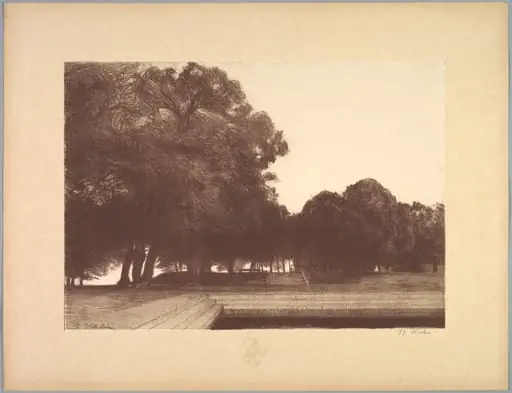 Suite de Paysages: Landscape, Plate 7, Remarque, Poppies
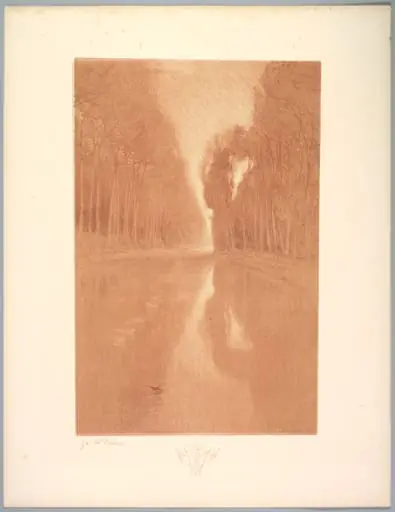 Suite de Paysages: Landscape, Plate 2, Remarque, Starflowers
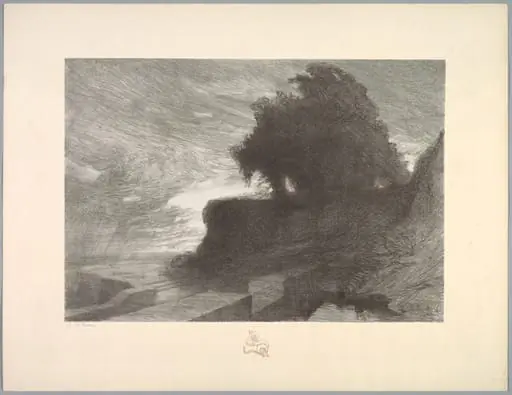 Suite de Paysages: Landscape, Plate 4, Remarque, Snake