Artwork
Firelight
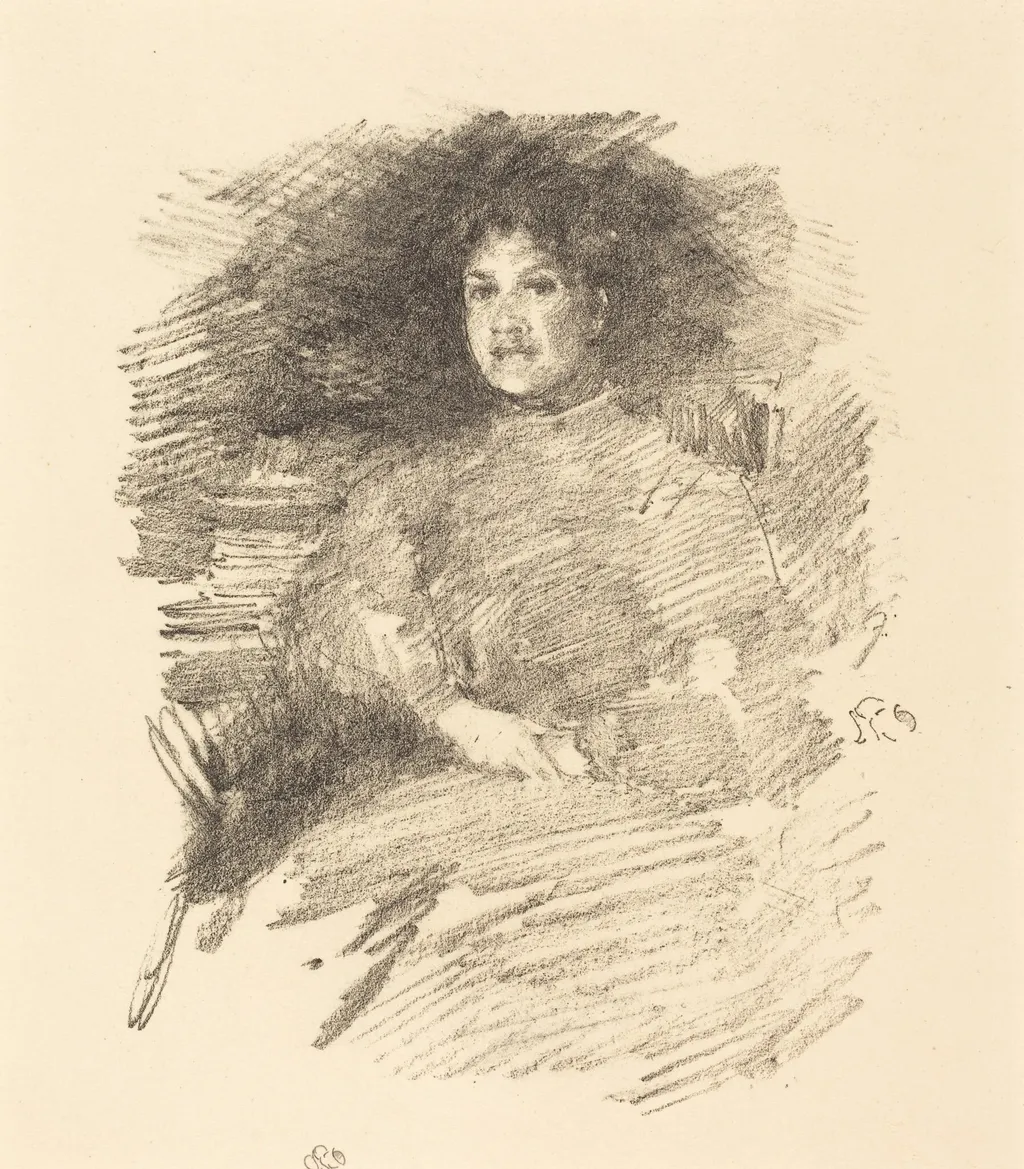
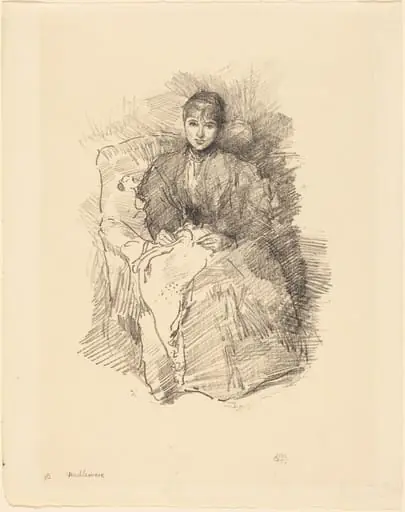
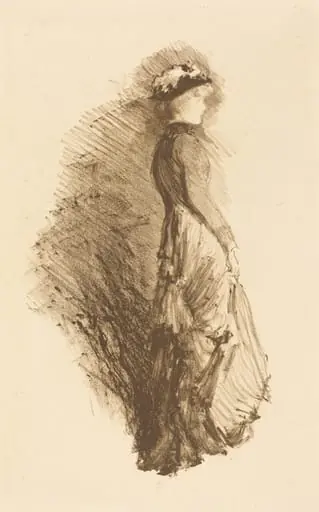
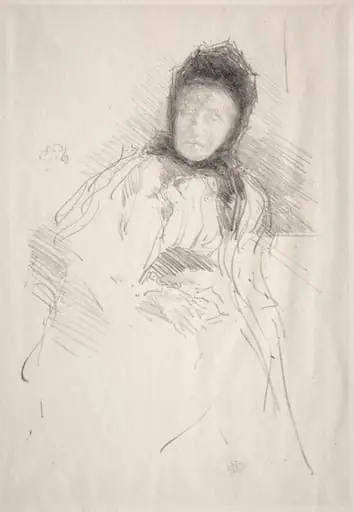
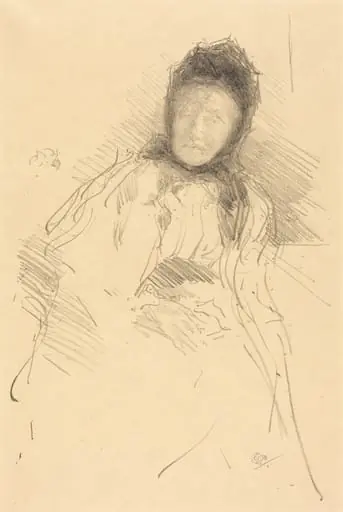
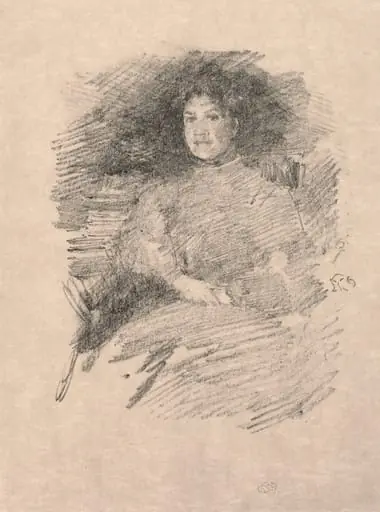
Firelight is an ink print by the Impressionist artist James McNeill Whistler. It dates from 1896 and is held in the collection of the National Gallery of Art.
About this work
Overview
Whistler’s approach emphasizes atmosphere over narrative, aligning with his broader interest in tonal balance and visual rhythm rather than storytelling.
Created in 1896, Firelight is a lithograph in black ink on laid paper by James McNeill Whistler. The work captures a solitary figure in an interior setting, rendered with minimal detail and a strong contrast between dark tones and untouched paper. Whistler’s approach emphasizes atmosphere over narrative, aligning with his broader interest in tonal balance and visual rhythm rather than storytelling.
Subject & Meaning
The figure, identified by curly hair and a soft facial profile, wears a high-necked garment that merges with the shadowed background. No clear action or emotion is depicted; the focus lies in the quiet presence of the form. The absence of context or narrative suggests an interest in mood and stillness, reflecting Whistler’s belief that art should evoke sensation rather than convey moral or emotional messages.
Technique & Style
Executed in lithography, the image uses loose, smudged lines and broad areas of negative space to suggest form without definition. The ink was drawn on a stone surface and transferred to paper, allowing for spontaneous, sketch-like marks. Whistler exploited the medium’s capacity for fluidity, leaving large sections of paper bare to enhance the sense of immediacy and light.
History & Provenance
Whistler, an American living in Britain, produced Firelight during a period when he was deeply engaged with printmaking. The work bears his signature butterfly monogram, a mark he adopted as both an aesthetic signature and a statement of artistic independence. Few details of its early ownership are documented, but it aligns with his broader output of intimate, non-narrative prints from the 1890s.
Context
In the late 19th century, lithography was increasingly used by artists for its capacity to capture gesture and tone. Whistler’s work stood apart from the illustrative traditions of the time, favoring abstraction and suggestion. His prints, including Firelight, responded to Japanese ukiyo-e and French Impressionist concerns with light and composition, while rejecting Victorian sentimentality.
Legacy
Firelight exemplifies Whistler’s influence on modern printmaking through its emphasis on economy of form and tonal nuance. Its sketch-like quality and rejection of explicit meaning anticipated 20th-century interests in abstraction and expressive line. The work remains a quiet but significant example of how lithography could serve as a vehicle for aesthetic contemplation rather than illustration.
Artist & collection
Artist
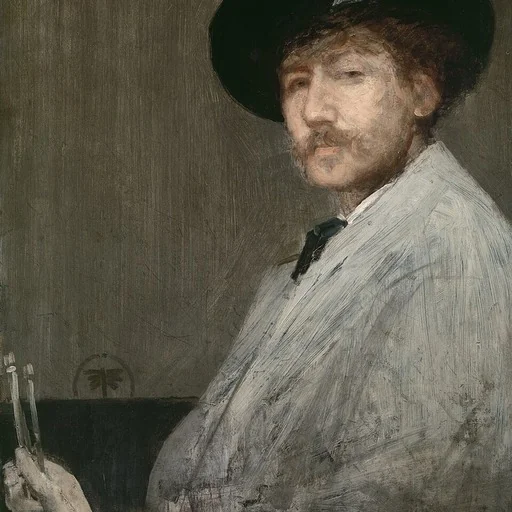
James Abbott McNeill Whistler was an American painter in oils and watercolor, and printmaker, active during the American Gilded Age and based primarily in the United Kingdom.

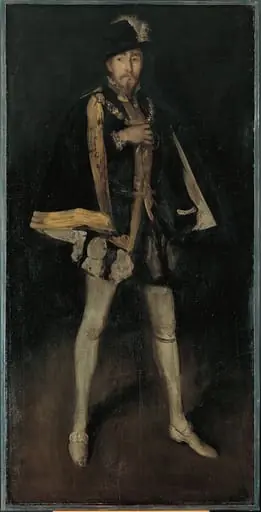 Arrangement in Black, No. 3: Sir Henry Irving as Philip II of Spain
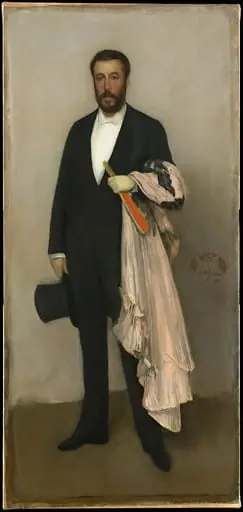 Arrangement in Flesh Colour and Black: Portrait of Theodore Duret
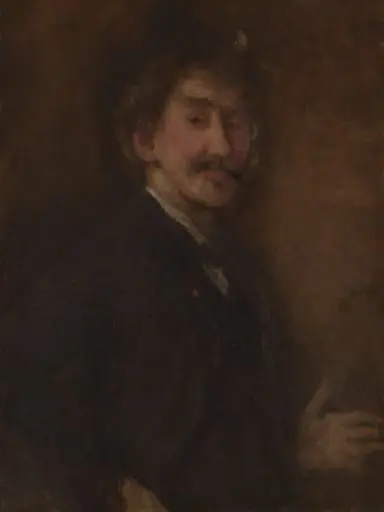 Gold and Brown: Self-Portrait
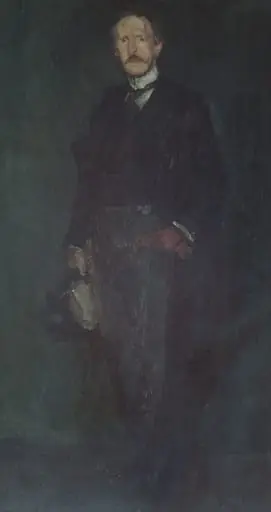 Edward Guthrie Kennedy
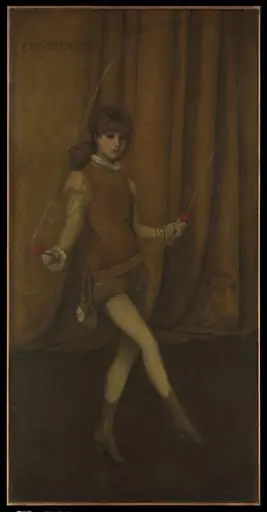 Harmony in Yellow and Gold: The Gold Girl—Connie Gilchrist
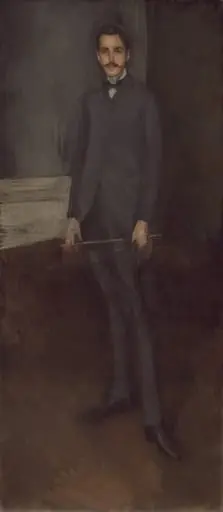 George W. Vanderbilt
 Symphony in White, No. 1: The White Girl
 Henry Irving as Philip II of Spain