Artwork
J. J. Guiffrey
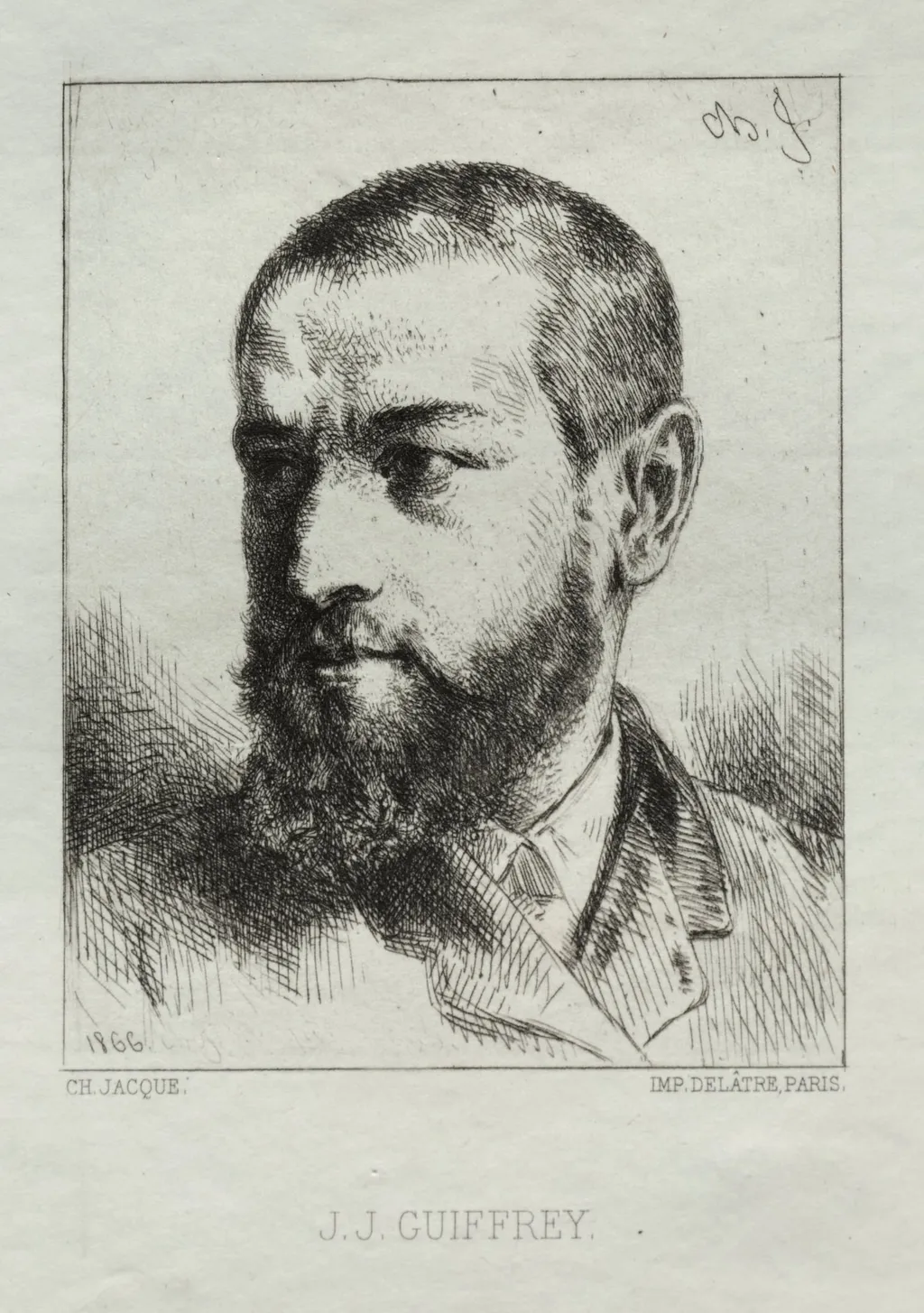
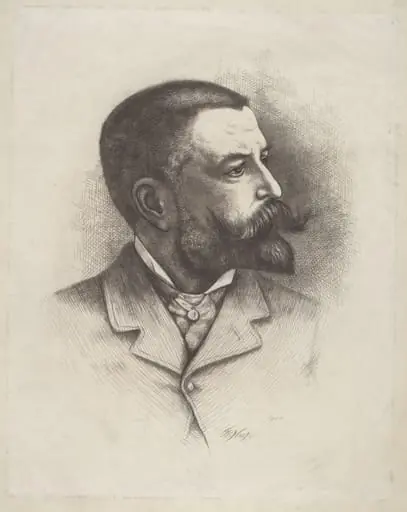
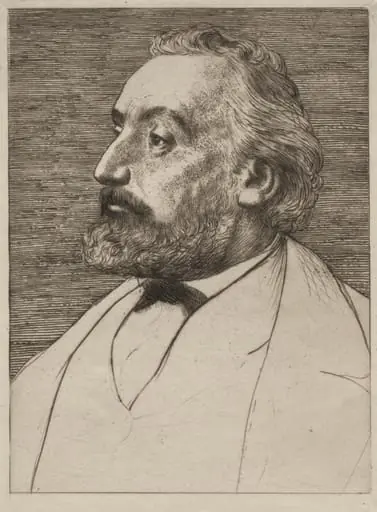
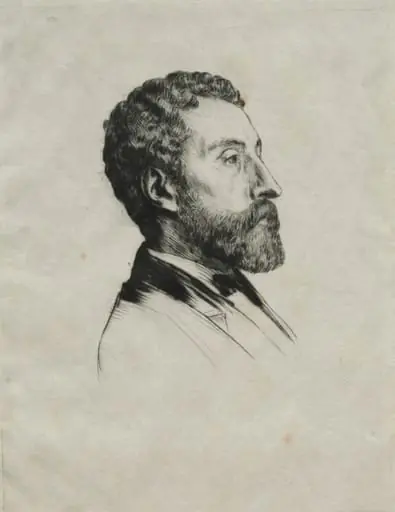
J. J. Guiffrey is a print by the Impressionist artist Charles Jacque. It dates from 1866 and is held in the collection of the Cleveland Museum of Art. J.
About this work
This style of drawing was common in the 1800s, where artists focused on capturing personality over perfect details.
This sketch shows a man with a thick beard and serious expression. His hair is short, and he’s wearing a high-collar jacket. The lines are loose and quick, giving the drawing an almost sketchy feel.
The artist signed it in the corner, marking the year 1866. This style of drawing was common in the 1800s, where artists focused on capturing personality over perfect details.
Look up Realism next to see how this style aimed to show everyday life truthfully.
Overview
J. J. Guiffrey is a print by Charles-Émile Jacque, a French artist associated with the Barbizon School, created in 1866. The work is a portrait of a bearded man and is held in The Cleveland Museum of Art's collection.
Subject & Meaning
The print depicts a man with a serious expression, wearing a high-collared jacket. The loose, quick lines convey a sense of informality, capturing the subject's personality.
Technique & Style
The drawing's sketchy feel is characteristic of 19th-century portraiture, prioritizing character over precise detail. Jacque's engraving skills, developed during his military service, are evident in the work's loose yet expressive lines.
History & Provenance
Charles-Émile Jacque worked alongside Jean-François Millet and was known for his pastoral scenes. The print is dated 1866 and signed by the artist.
Artist & collection
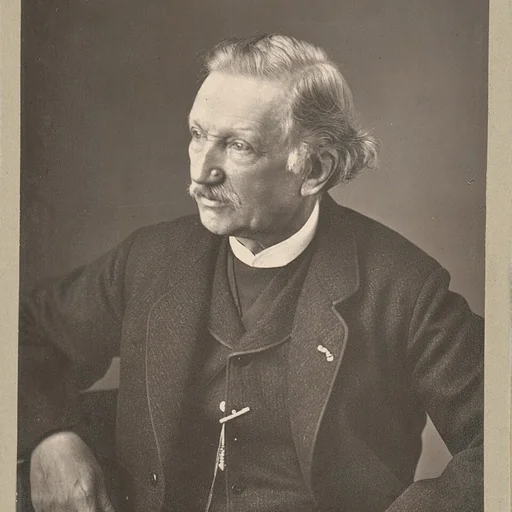
Artist
Charles-Émile Jacque (23 May 1813 – 7 May 1894) was a French painter of Pastoralism and engraver who was, with Jean-François Millet, part of the Barbizon School. He first learned to engrave maps when he spent seven years in the French Army.