Artwork
The Princess Royal
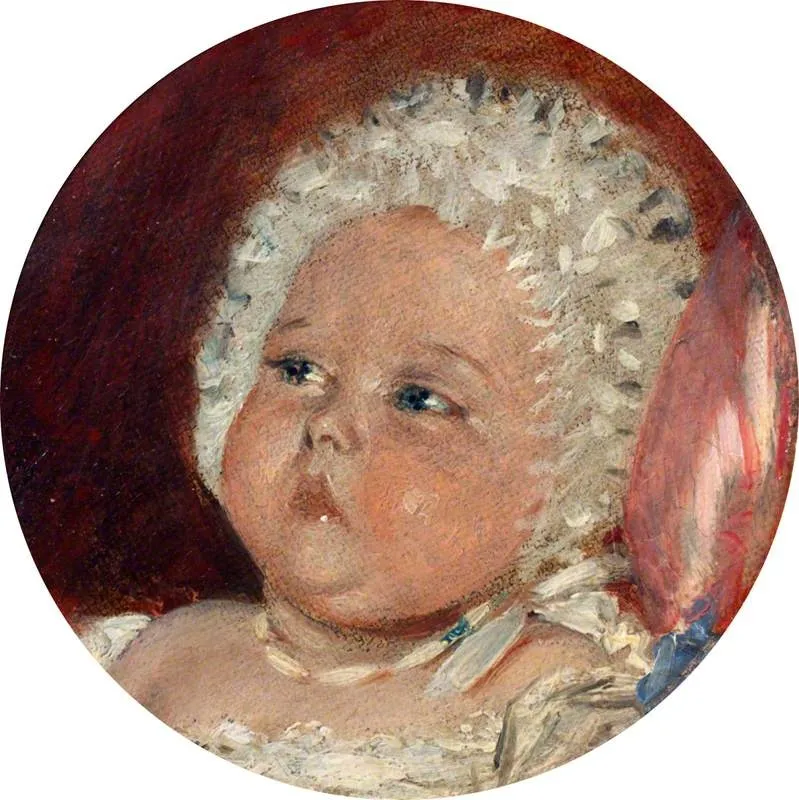
The Princess Royal is an unspecified painting by the Realist artist Charles Robert Leslie. It dates from 1841 and is held in the collection of the Victoria and Albert Museum.
About this work
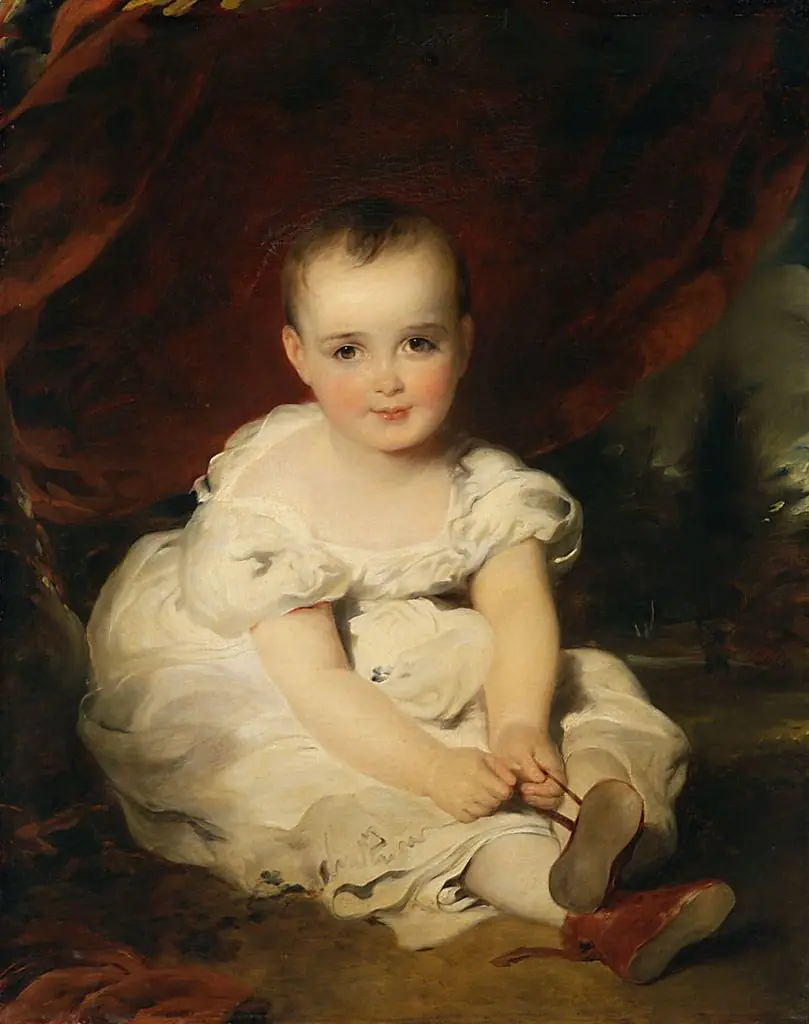
The infant's face is the central focus of the painting, and the artist has captured their features with great detail.
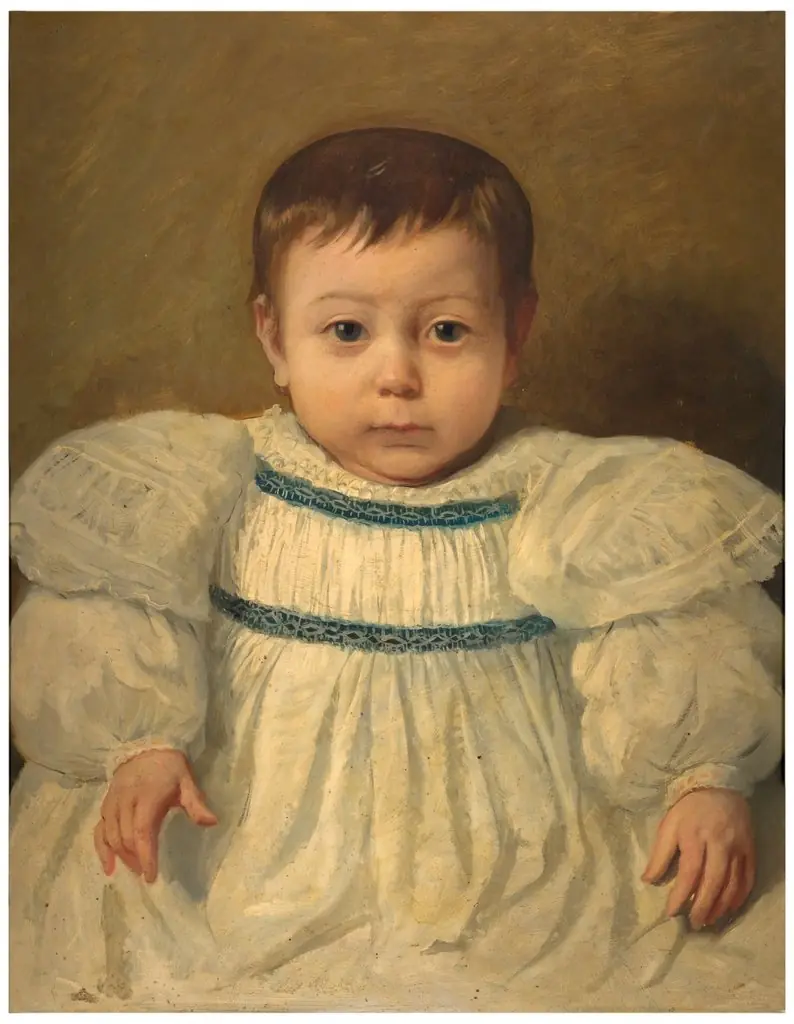
The painting depicts a young infant, likely a princess, with a serene expression. The child is dressed in white and has a white bonnet on their head. The background of the painting is dark, which contrasts with the light colors of the infant's clothing.
The infant's face is the central focus of the painting, and the artist has captured their features with great detail. The use of light and dark colors creates a sense of depth and dimensionality in the painting.
The Victoria and Albert Museum holds this painting, which is a notable example of a portrait from the 19th century.
Overview
Charles Robert Leslie’s 1841 oil portrait, titled The Princess Royal, presents a young child in a tranquil pose. The figure, swathed in white garments and a matching bonnet, occupies the central space of the canvas, while a darkened backdrop frames the scene, emphasizing the infant’s pale complexion and calm expression.
Subject & Meaning
The sitter is an infant, presumed to be a royal daughter, whose serene demeanor suggests innocence and the promise of future status. The choice of white attire conveys purity, while the gentle gaze invites contemplation of the child's nascent identity within the expectations of aristocratic lineage.
Technique & Style
Leslie employs a restrained palette, contrasting the luminous whites of the child’s clothing with a deep, almost tenebristic background. Fine brushwork renders delicate facial features and the texture of the bonnet, creating a subtle three‑dimensionality. The chiaroscuro effect highlights the figure, a hallmark of mid‑nineteenth‑century portraiture.
History & Provenance
Completed in 1841, the painting entered the collection of the Victoria and Albert Museum, where it remains on display. Its acquisition reflects the museum’s broader effort to document British portraiture of the period, preserving Leslie’s contribution to the genre.
Artist & collection

 Portrait of a Boy
 Maria Theresia (1816-1867), daughter of Karl of Nassau-Weilburg
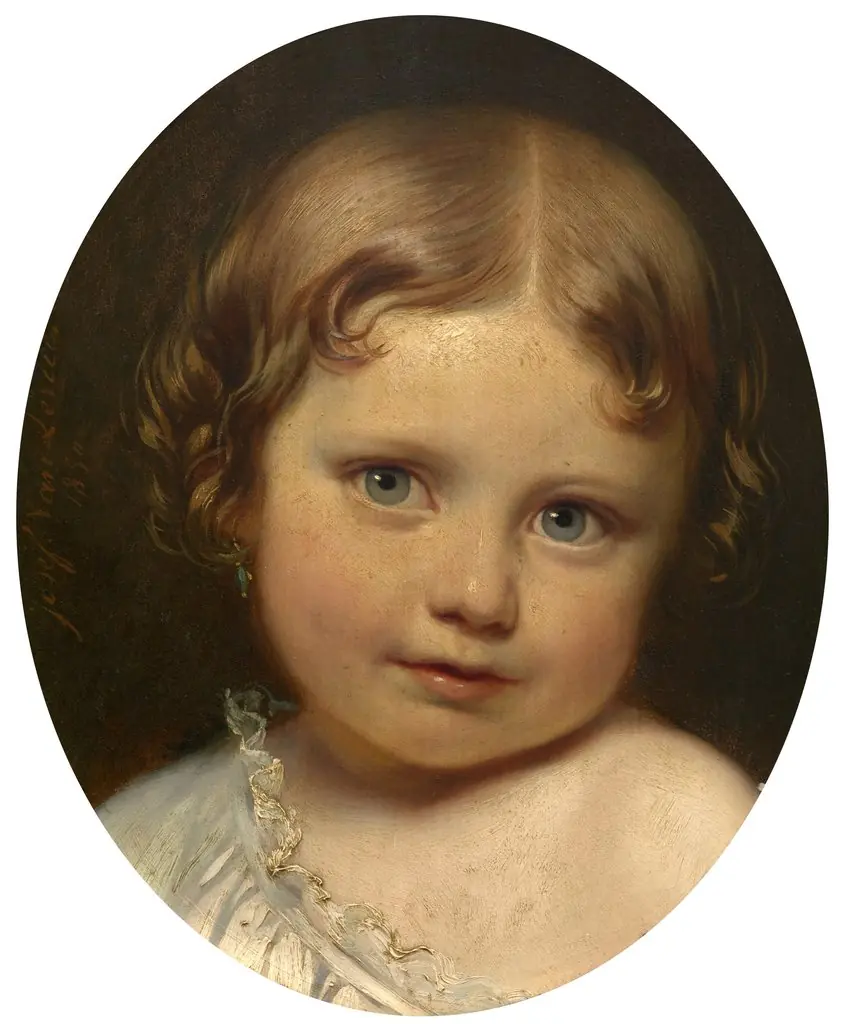 Madame Valentine De Give-LeDelier as a Child
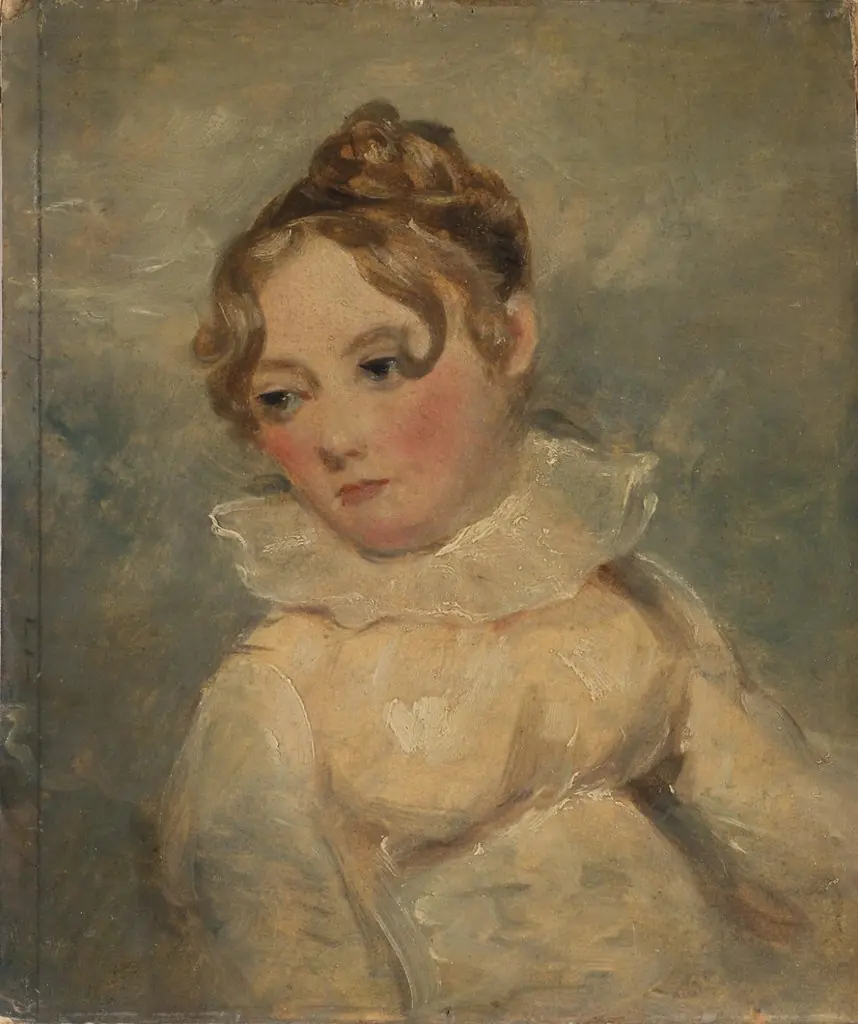 Portrait of a Girl
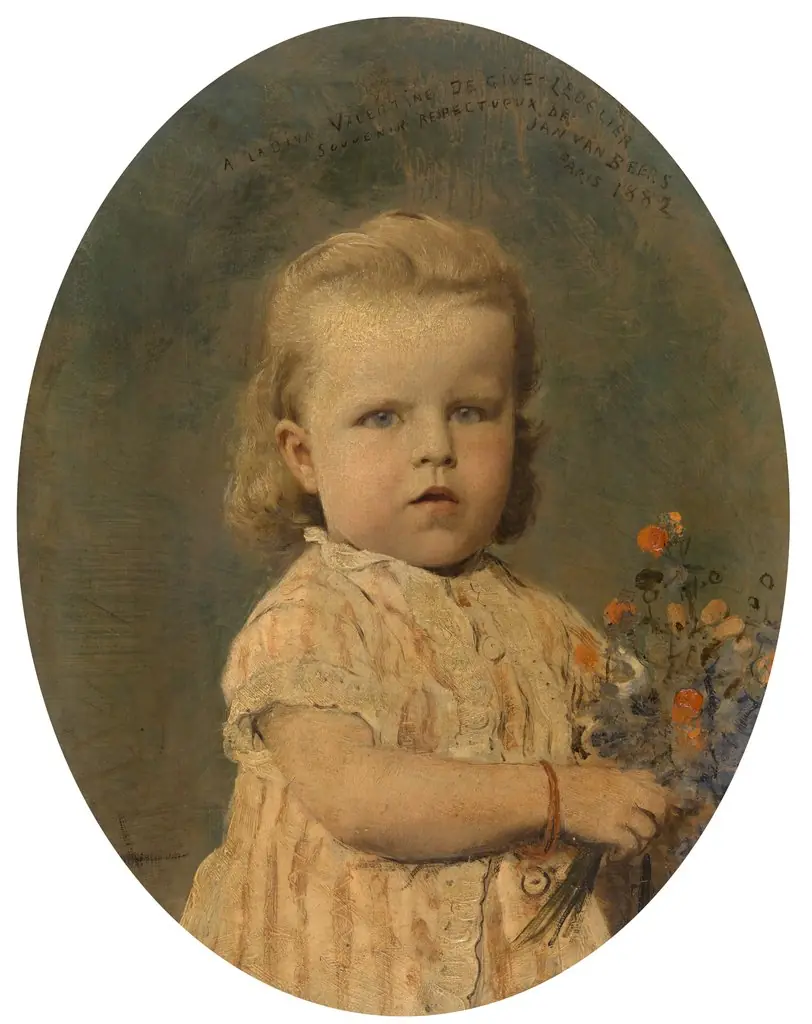 Carolina Amalia LeDelier, daughter of Valentine De Give - leDelier
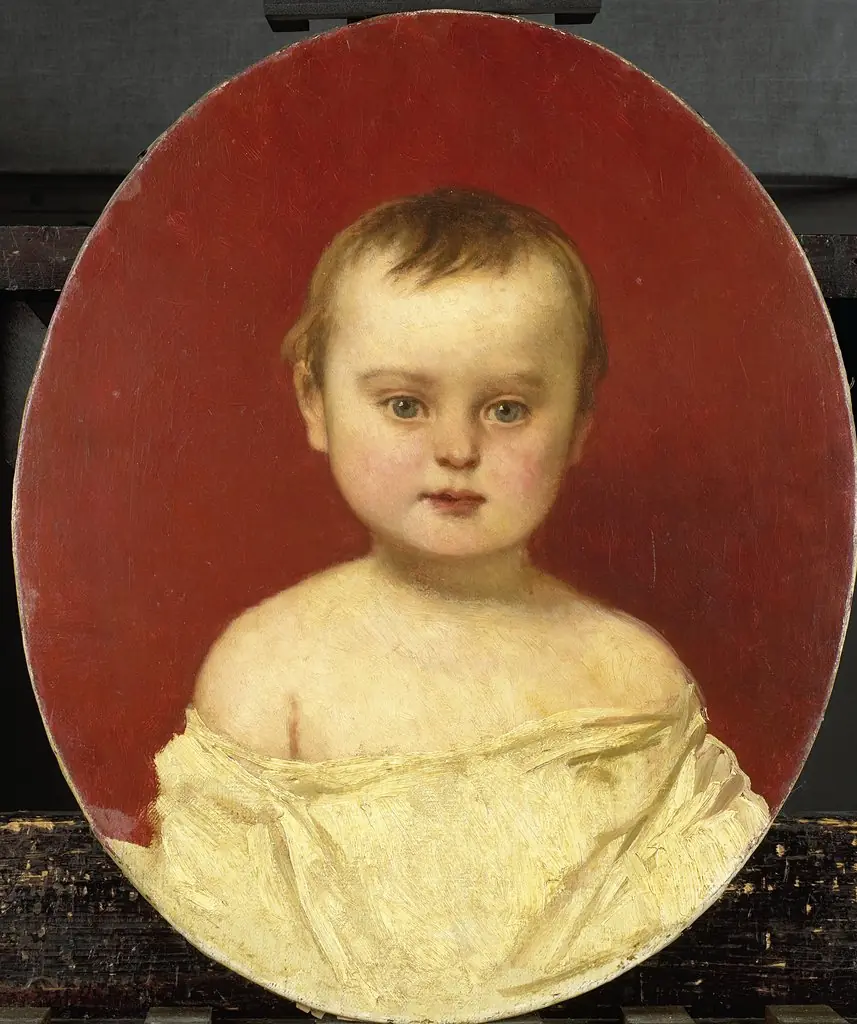 Henri Bernard van der Kolk at age 2
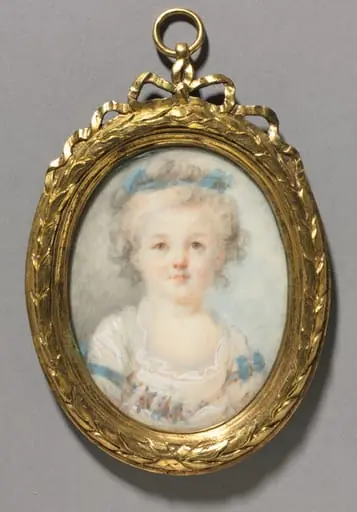 Portrait of a Little Girl
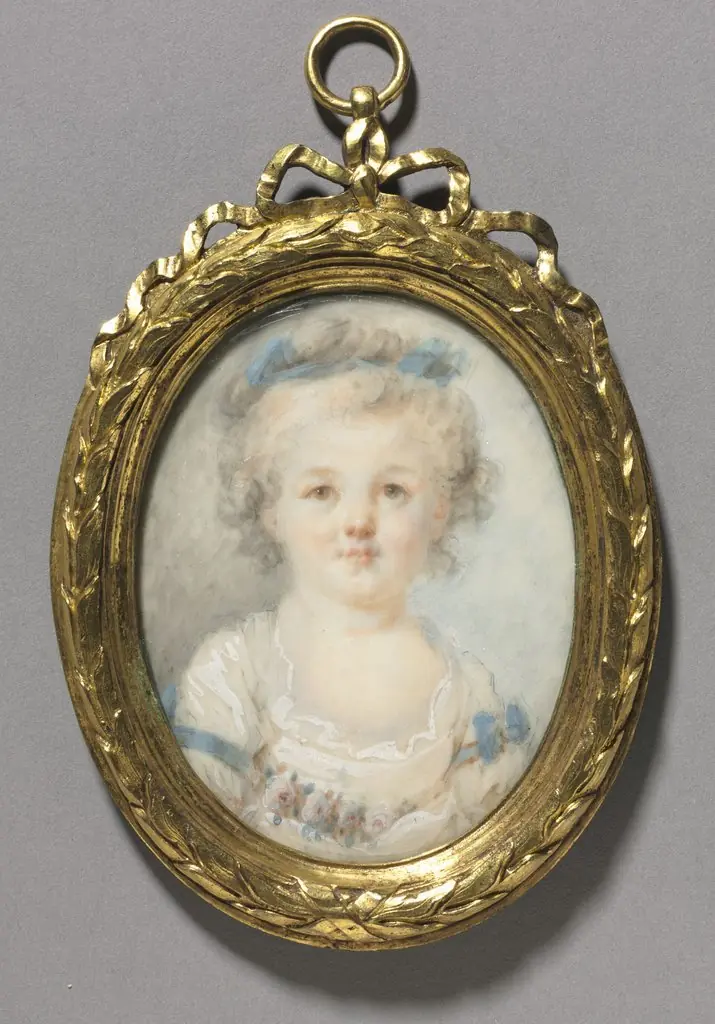 Portrait of a Little Girl
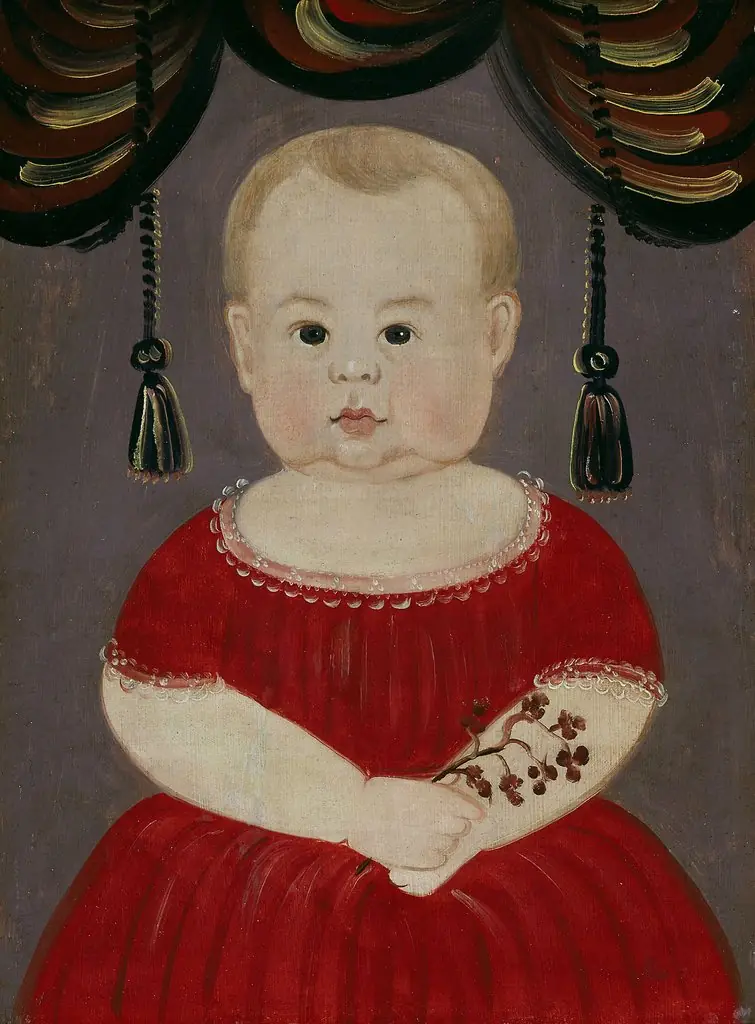 Portrait of Fred Adelbert Haywood
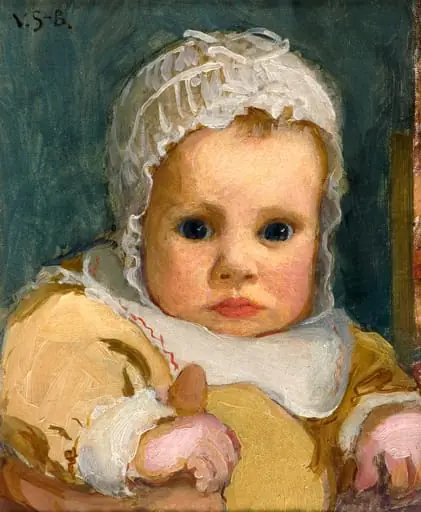 Antti Juhani
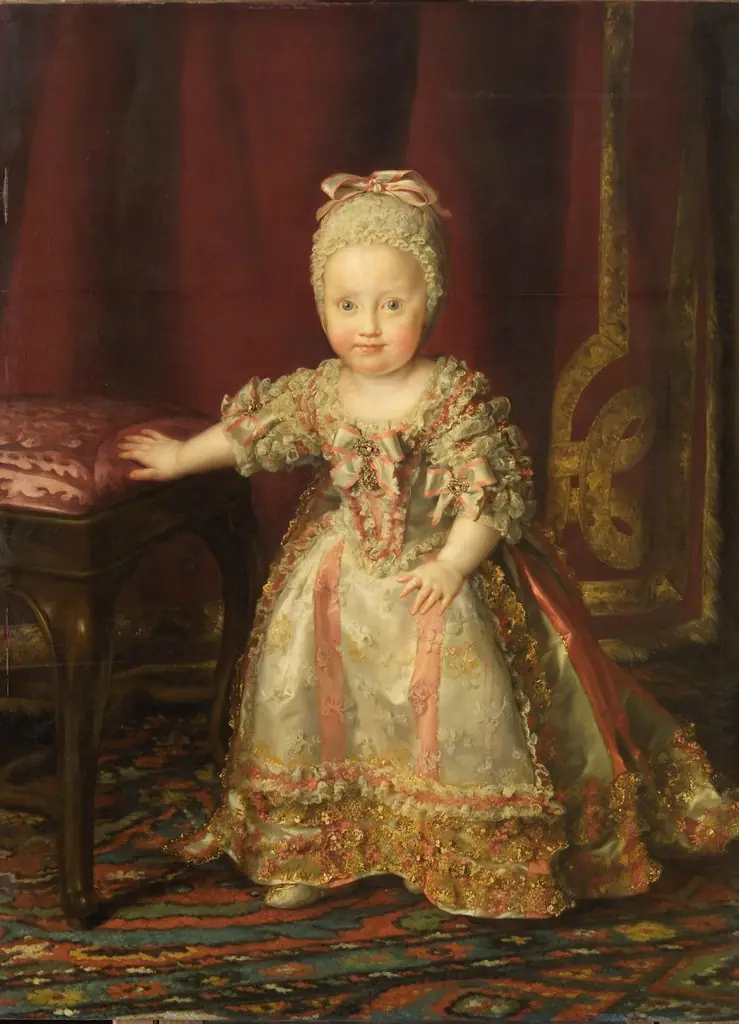 Infantin Maria Theresa von Neapel (1772-1807)
 Fernando hijo del artista