Artwork
James William Wallack
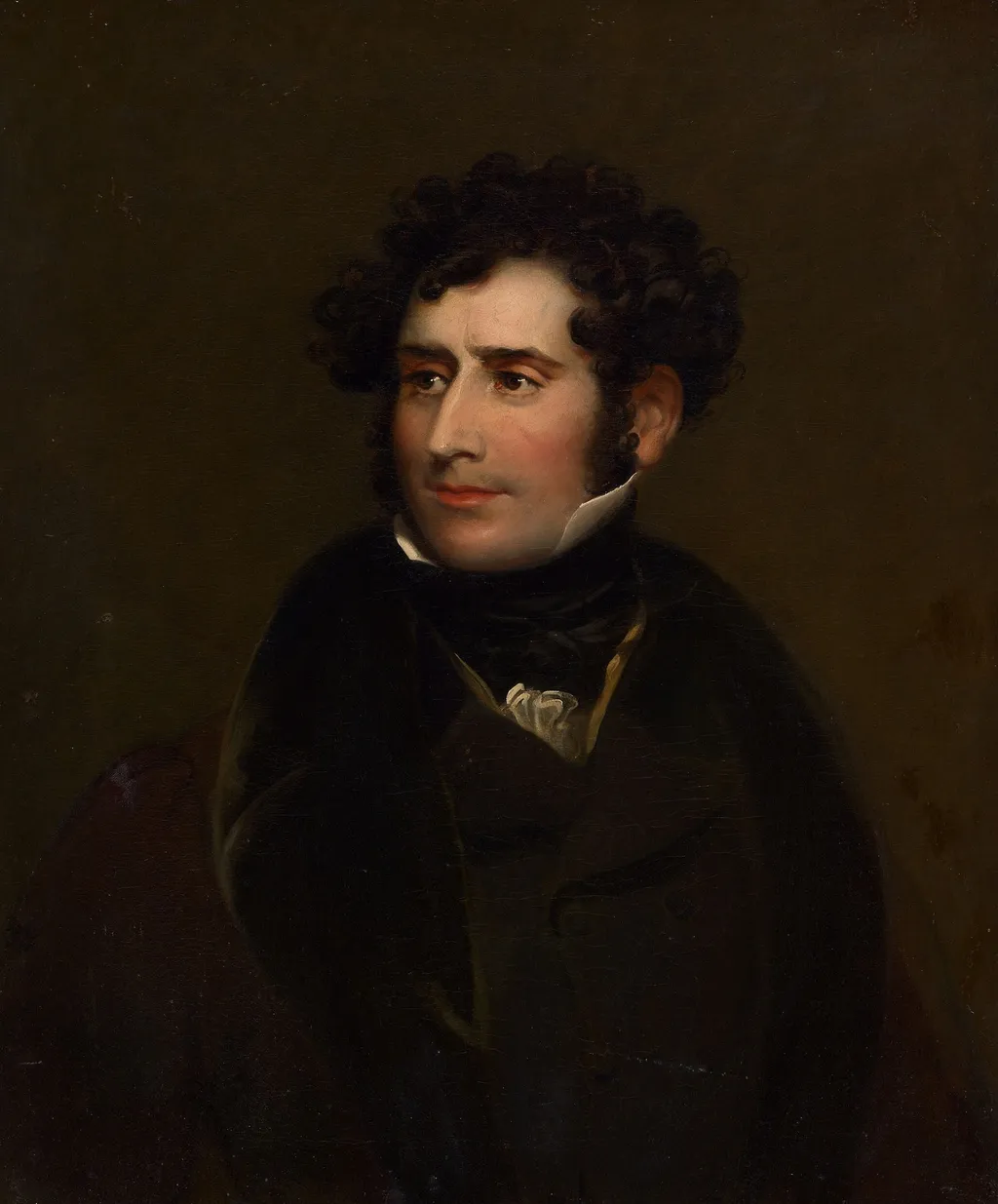
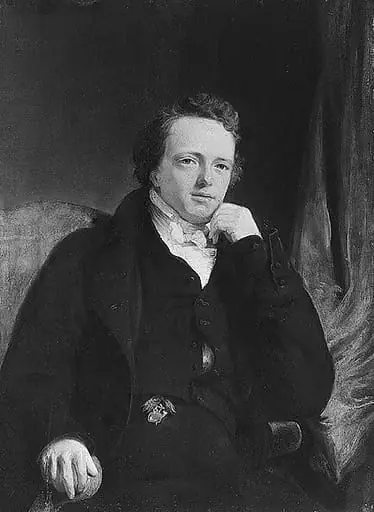
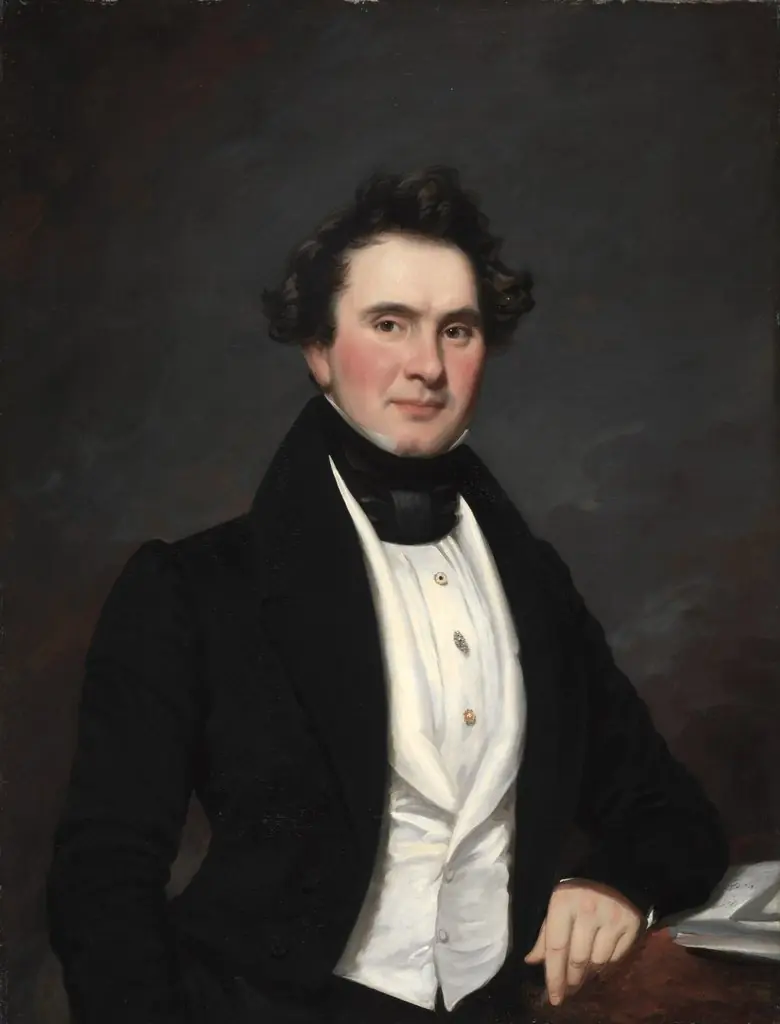
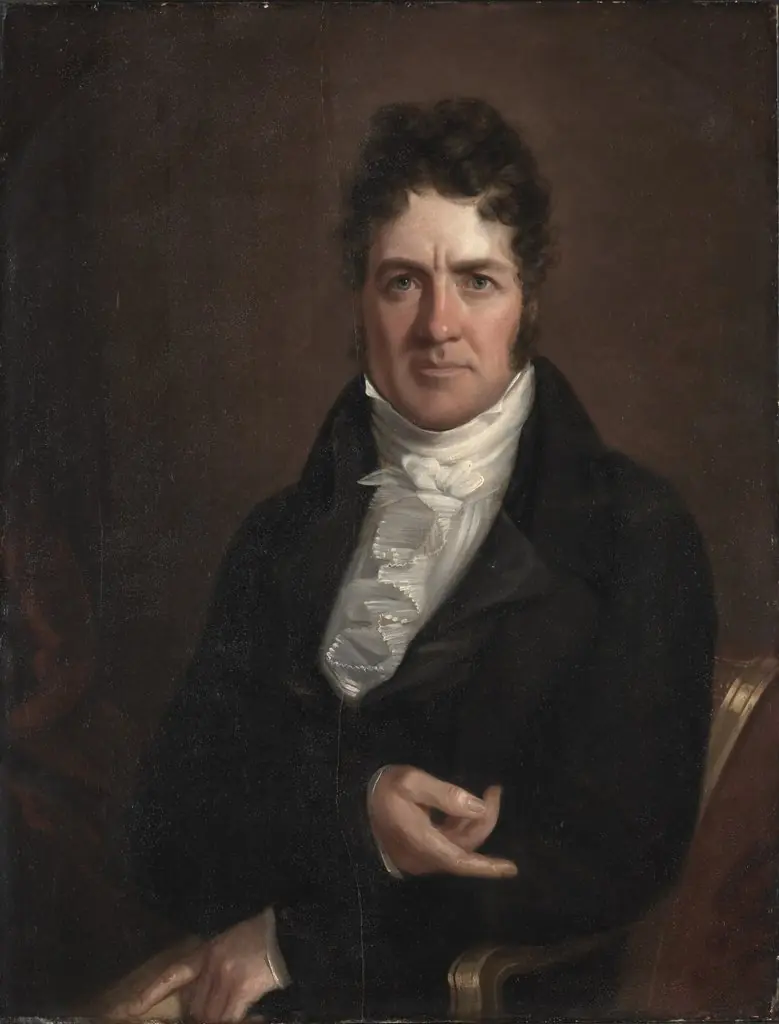
James William Wallack is an oil painting by the British Romanticist artist Charles Robert Leslie. It dates from 1837 and is held in the collection of the Art Institute of Chicago.
About this work
The artist's use of chiaroscuro, a technique that utilizes strong contrasts between light and dark, adds depth and dimension to the portrait.
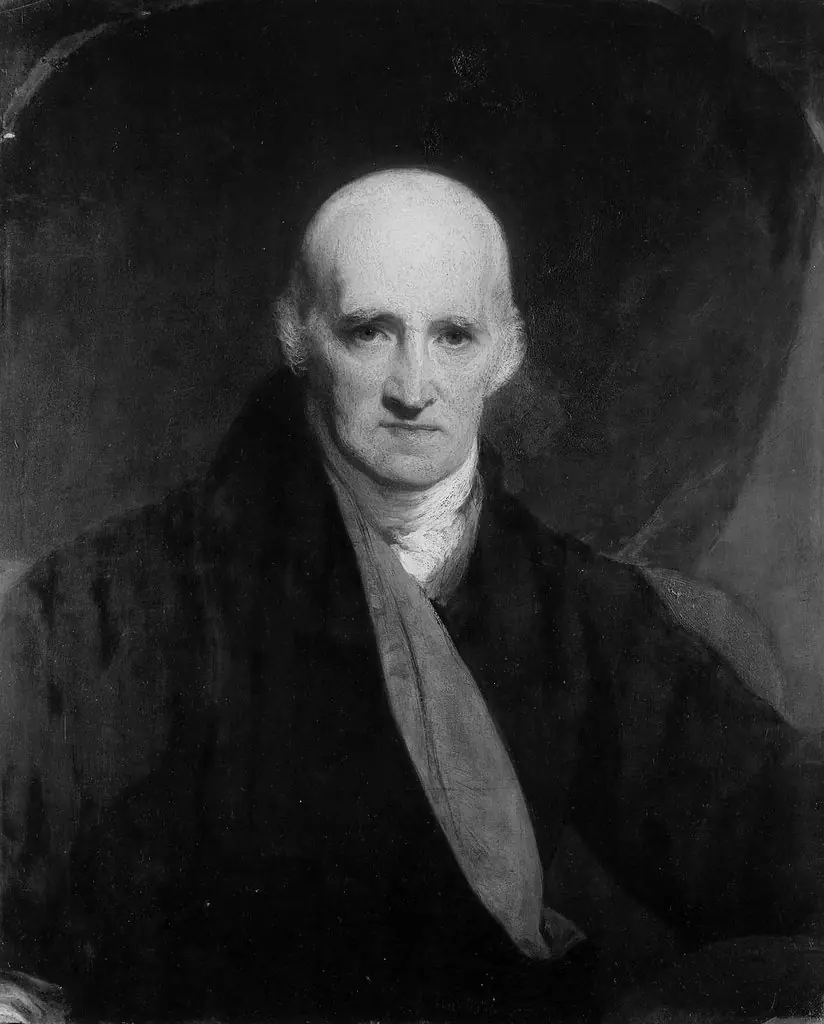
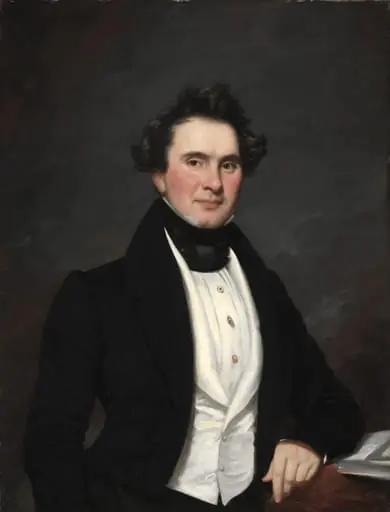
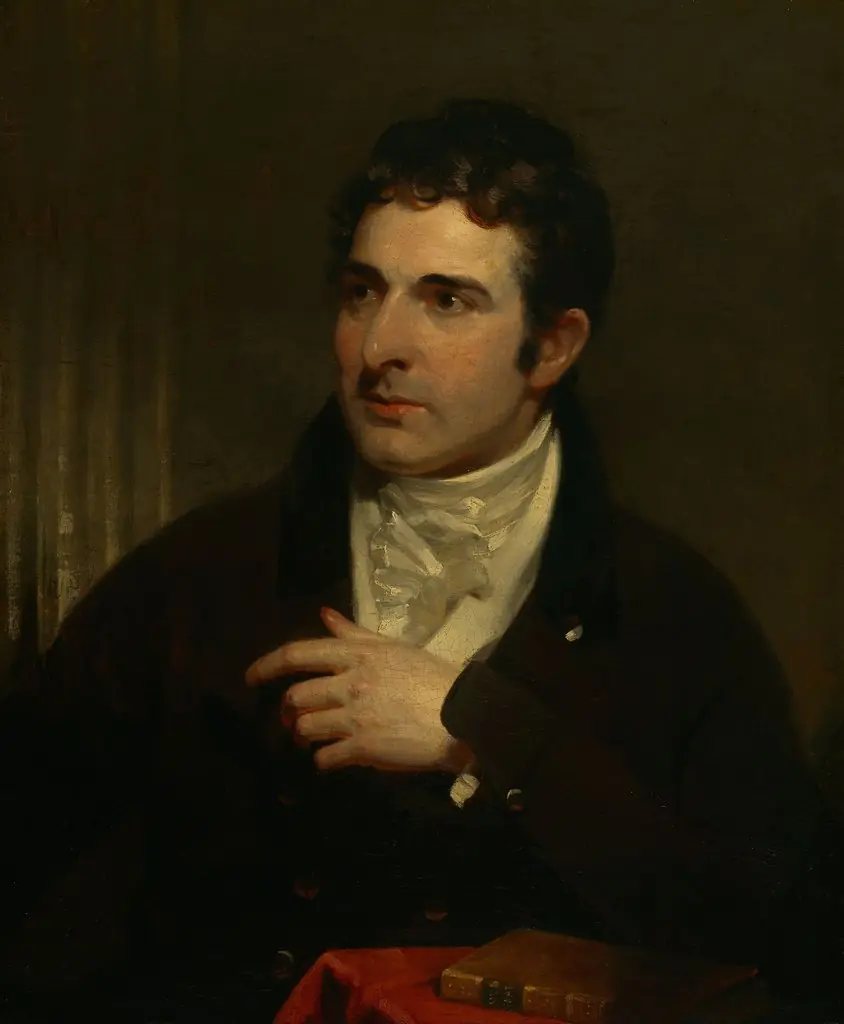
This portrait painting depicts a man with dark, curly hair and a serious expression. He is dressed in a black coat with a high collar, complemented by a white cravat and a black vest adorned with a decorative pin. The background of the painting is a dark, muted color.
The man's attire and hairstyle suggest that the painting was created in the early 19th century. The artist's use of chiaroscuro, a technique that utilizes strong contrasts between light and dark, adds depth and dimension to the portrait.
The painting is a fine example of the artist's skill in capturing the likeness and personality of his subjects. To learn more about the artist's work, explore the paintings of Charles Robert Leslie.
Overview
This oil portrait, created in 1837 by Charles Robert Leslie, captures the likeness of James William Wallack. Characterized by its use of chiaroscuro, the work is marked by strong light and dark contrasts, lending depth to the subject.
Subject & Meaning
The portrait depicts James William Wallack with a serious expression, dressed in attire typical of the early 19th century: a black coat with high collar, white cravat, and a black vest adorned with a decorative pin, set against a muted, dark background.
Technique & Style
Leslie employed chiaroscuro to create a sense of volume and depth, highlighting the subject's features and attire through strategic lighting, a hallmark of his portraiture technique.
History & Provenance
The painting is part of the collection at the Art Institute of Chicago, though its history prior to acquisition is not detailed here.
Context
The painting reflects early 19th-century portraiture conventions, both in its stylistic approach and the subject's fashion, situating it within the artistic traditions of its time.
Legacy
While not extensively detailed here, the work contributes to Charles Robert Leslie's reputation for capturing nuanced likenesses and personalities in his subjects.
Own this work as a print
Artist & collection