Artwork
Sir Walter Scott
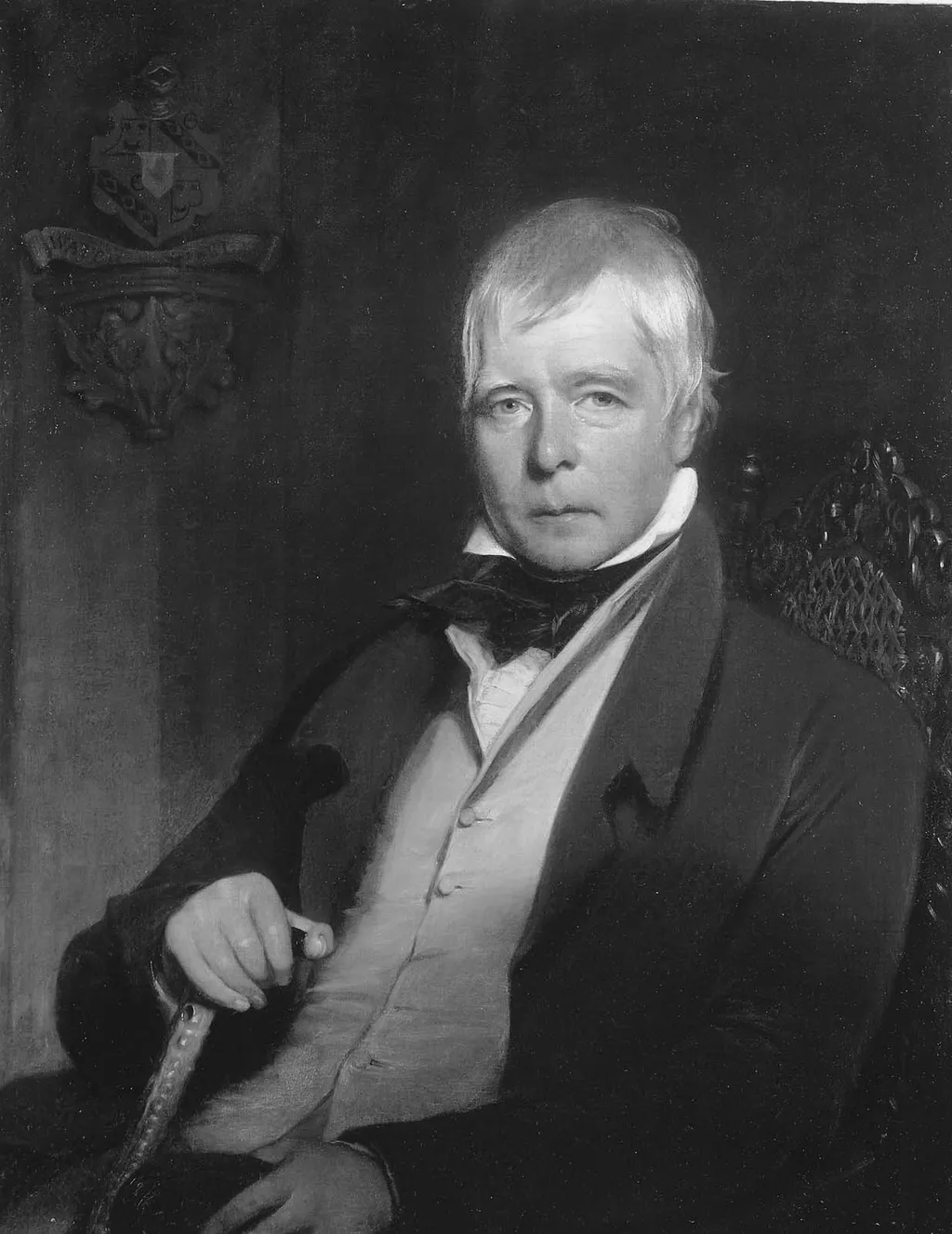
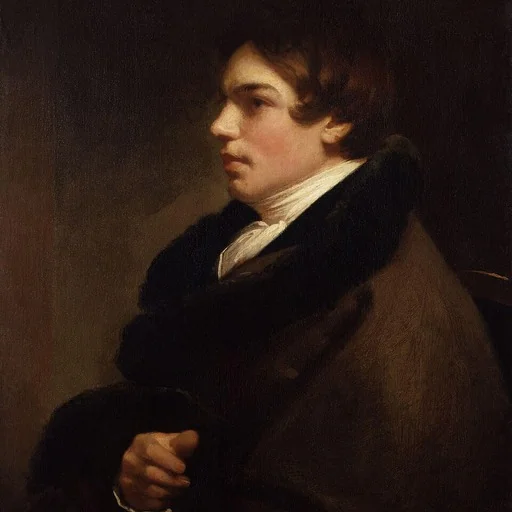
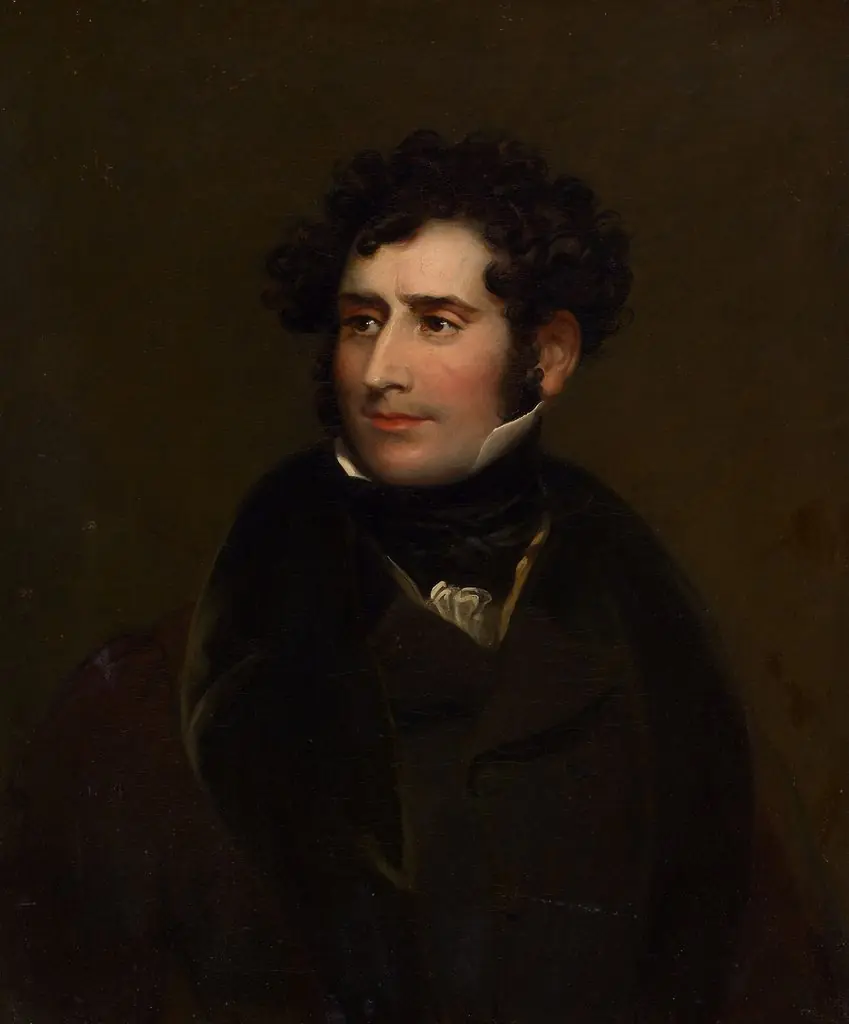
Sir Walter Scott is an oil painting by the British Romanticist artist Charles Robert Leslie. It dates from 1824 and is held in the collection of the Museum of Fine Arts Boston.
About this work
Overview
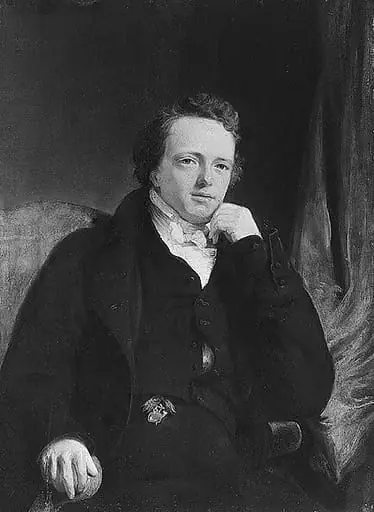
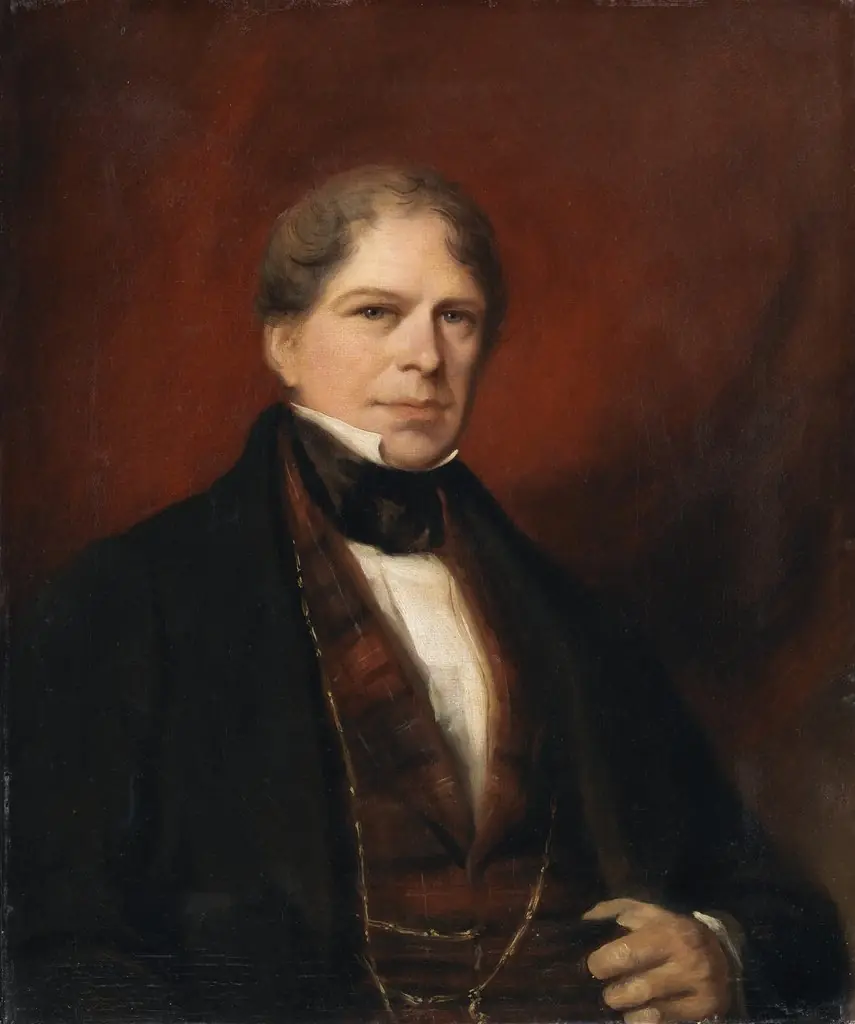
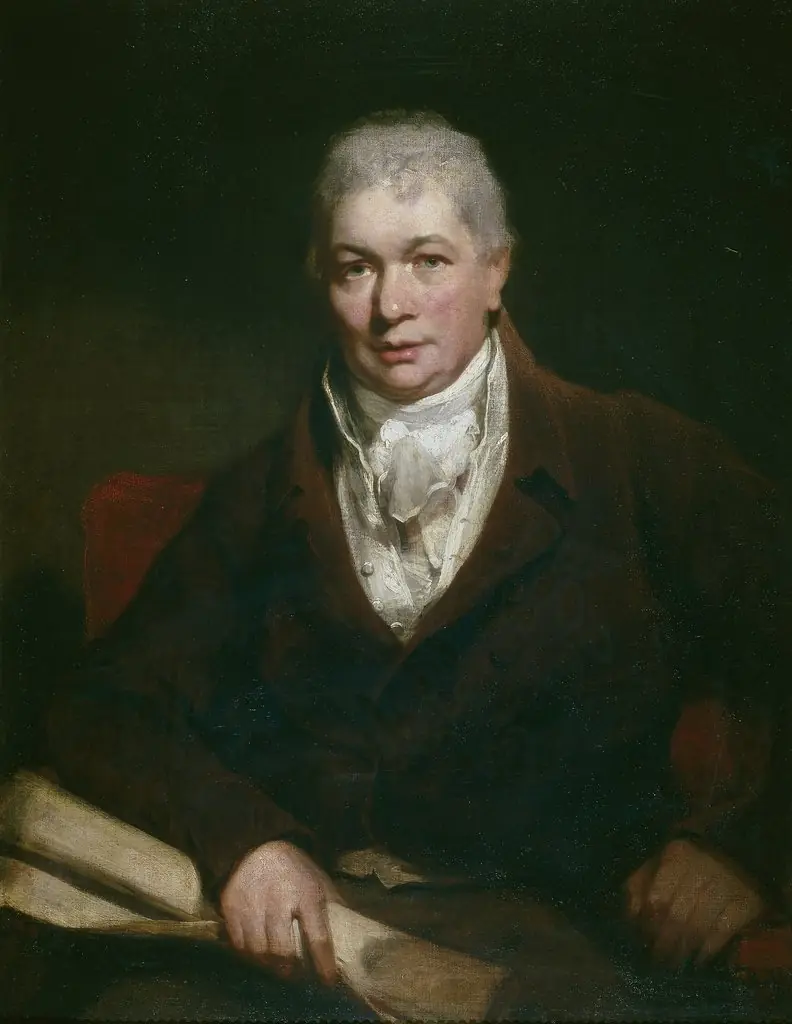
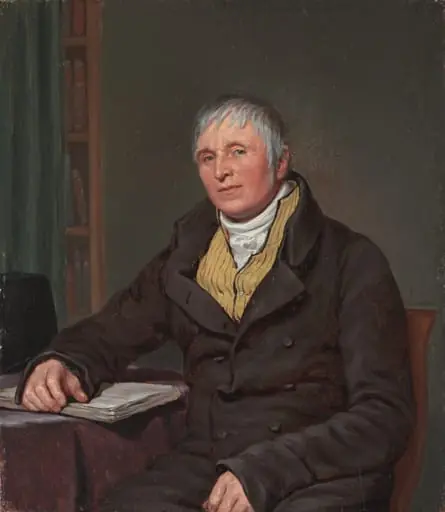
Painted in 1824 by Charles Robert Leslie, this oil portrait depicts the Scottish writer Sir Walter Scott. The work is part of the collection at the Museum of Fine Arts, Boston. It presents Scott in a seated pose, rendered with quiet precision and restrained elegance. The composition emphasizes stillness and presence, characteristic of early 19th-century British portraiture.
Subject & Meaning
Sir Walter Scott, a leading literary figure of his time, is portrayed not in action but in contemplative repose. His attire—a dark jacket, white shirt, and bow tie—conveys modest formality, aligning with his public image as a man of letters rather than aristocracy. The cane and steady gaze suggest authority tempered by age, reinforcing his status as a respected cultural figure.
Technique & Style
Leslie employs a muted palette and soft tonal transitions to render Scott’s features with subtle realism. The dark background isolates the figure, drawing focus to his posture and facial expression. Delicate rendering of fabric and the carved wood panel behind him adds texture without distraction. The brushwork is controlled, avoiding theatricality in favor of dignified clarity.
History & Provenance
Commissioned during Scott’s lifetime, the portrait was completed in 1824, shortly before his health declined. It remained in private hands until entering the Museum of Fine Arts, Boston’s collection. Its preservation reflects enduring interest in Scott’s literary legacy and the role of portraiture in documenting cultural figures of the era.
Context
In the 1820s, portraiture in Britain often served to honor public intellectuals. Leslie, trained in the tradition of Reynolds and Gainsborough, favored psychological nuance over grandeur. Scott’s portrait aligns with this trend, presenting a man of influence not through symbols of power but through quiet demeanor and refined simplicity.
Legacy
The portrait endures as a visual record of one of the most influential writers of the Romantic period. Its understated composition reflects a shift in portraiture toward introspection and personal dignity. While not widely exhibited, it remains a key example of Leslie’s skill and the cultural values of early Victorian Britain.
Own this work as a print
Artist & collection