Artwork
Jessica
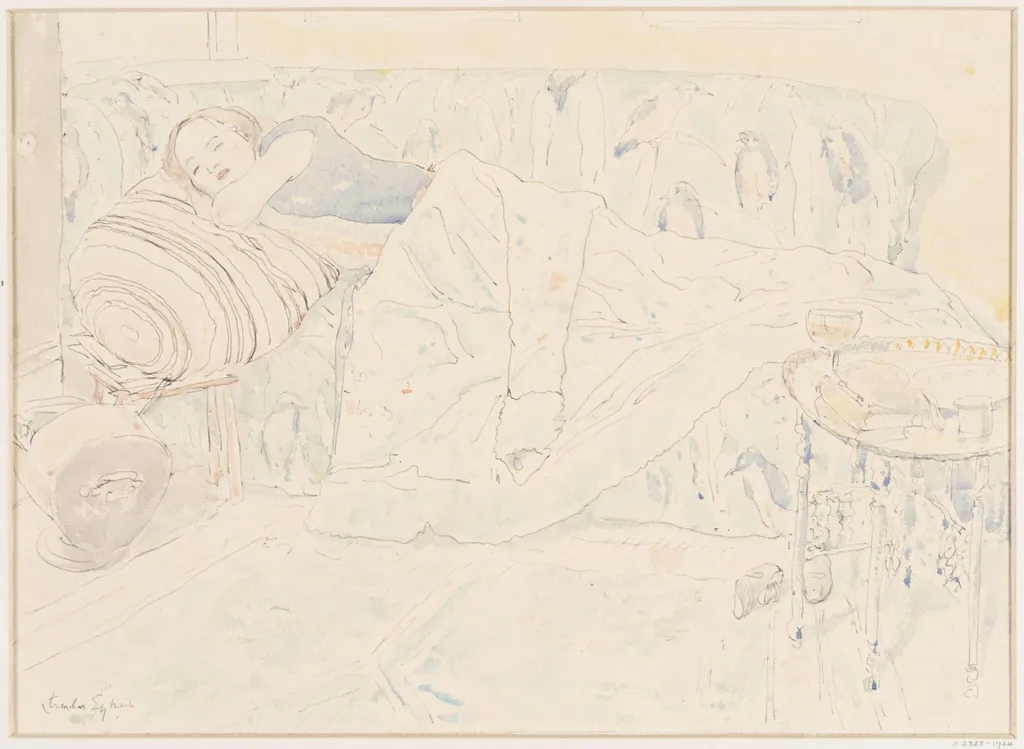
Jessica is a drawing by the Impressionist artist Charles Sykes. It dates from 1875 and is held in the collection of the Victoria and Albert Museum.
About this work
Overview
Charles Sykes created this undated drawing in 1875, titled Jessica, using pencil and light washes on paper. The composition is horizontal, emphasizing the reclining figure. The work bears the artist’s signature but lacks a date. Its unfinished quality suggests it was made as a study rather than a finished piece, capturing a moment rather than a polished image.
Subject & Meaning
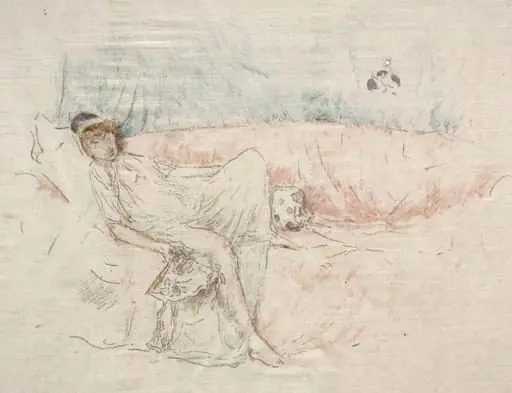
The drawing depicts a woman named Jessica lying on a bed, her head supported by one arm. Her posture conveys stillness, perhaps introspection or rest. The sparse surroundings—faint suggestions of a chair and dresser—focus attention on her form. No narrative is given; the work invites contemplation of solitude rather than telling a specific story.
Technique & Style
Sykes employed loose, fluid lines and diluted ink washes to suggest form without definition. Areas of the bed and walls remain largely blank, emphasizing negative space. The minimal use of cross-hatching and shading avoids heavy modeling, favoring a sketch-like immediacy. This restrained approach reflects a focus on gesture and atmosphere over detail.
History & Provenance
The drawing has remained in private collections since its creation, with no public exhibition record prior to the 20th century. Its survival suggests it was valued by the artist or early collectors as a personal study. The signature confirms authorship, but little is known about its commission or original context.
Context
In 1875, many artists in Europe and America were turning to informal, rapid sketches as tools for exploring light, posture, and mood. Sykes’s approach aligns with this trend, where unfinished works were not seen as incomplete but as expressive records of observation. The drawing reflects a shift away from academic finish toward personal, intimate study.
Legacy
Jessica stands as an example of 19th-century drawing practices that prioritized spontaneity over finish. It offers insight into how artists engaged with private moments and the human form without theatricality. While not widely reproduced, it contributes to understanding the quiet, observational side of Victorian-era draftsmanship.
Artist & collection
Artist
Charles Robinson Sykes (18 December 1875 – 6 June 1950) was an English sculptor, best known for designing the Spirit of Ecstasy mascot which is used on Rolls-Royce cars.

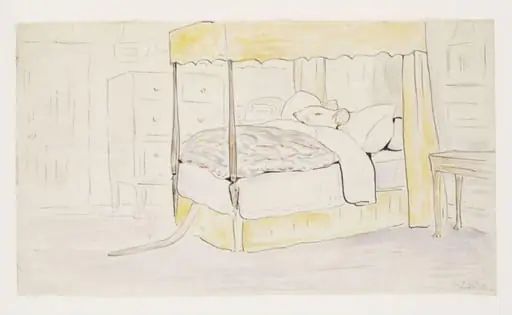 A white mouse in a four-poster bed
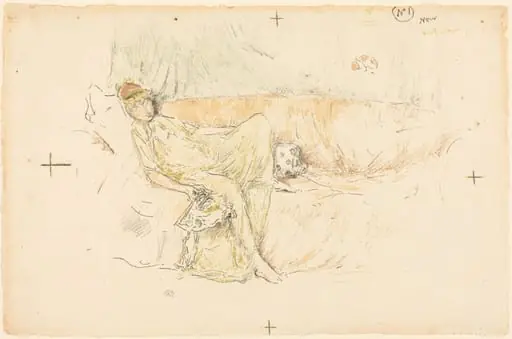 Draped Figure, Reclining
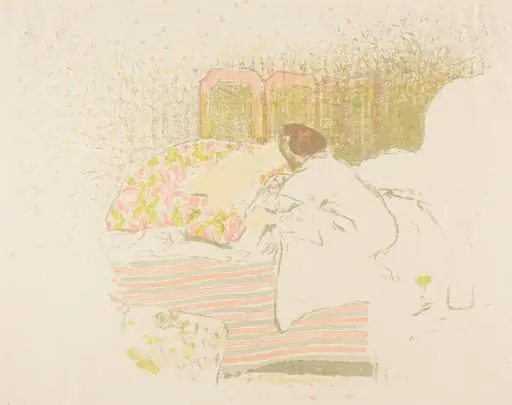 The Birth of Annette (La naissance d'Annette)
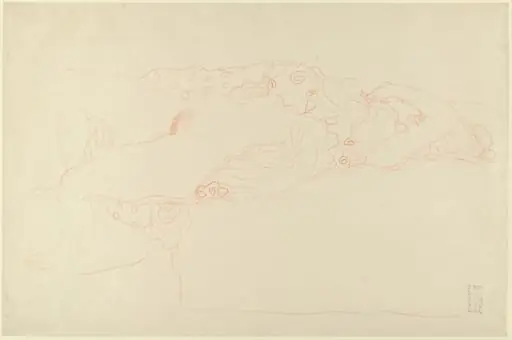 Untitled
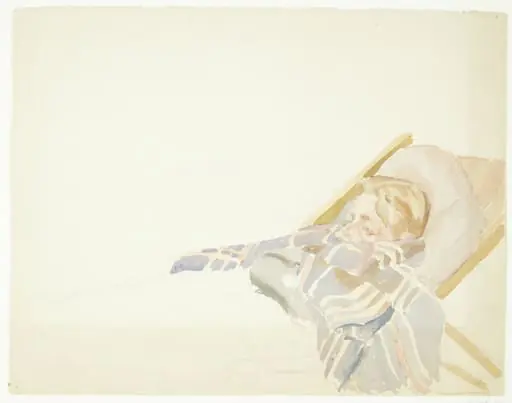 Ung mand indsvøbt i plaid, liggende i en liggestol
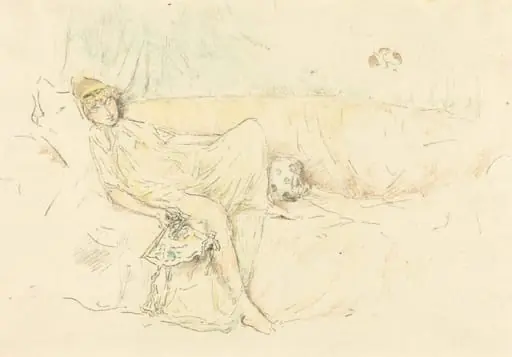 Draped Figure, Reclining
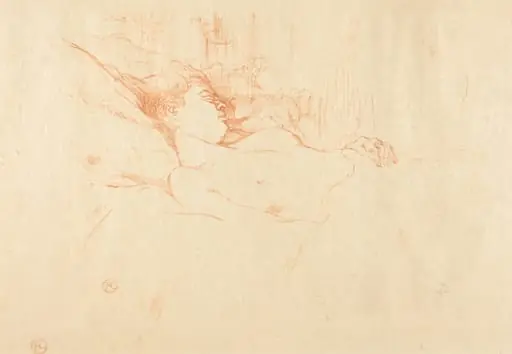 Sleep (Le sommeil)
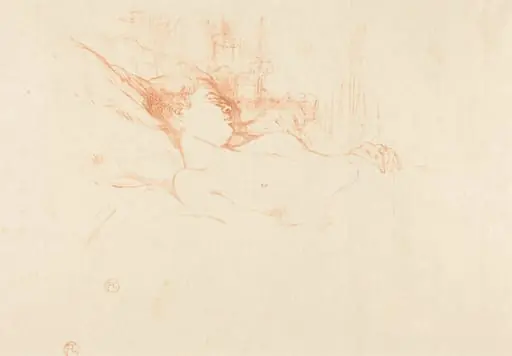 Sleep (Le sommeil)
 Woman at the Mirror (Femme à glace)
 Draped Figure Reclining
 Meditation
 Study of a Nude Female Figure